



Vintage Decorative Metal Platter
A vintage decorative metal platter brings tactile weight and rich surface detail to an interior, drawing the eye across beaten copper, gleaming brass, and intricate cloisonne enamel.
Vintage Decorative Metal Platter
When searching for a vintage decorative metal platter, buyers encounter a diverse selection of chargers, serving trays, and decorative plates spanning the nineteenth and early twentieth centuries. These pieces cross numerous aesthetic movements, ranging from British Arts and Crafts and continental Art Nouveau to Japanese Meiji period metalwork and Middle Eastern inlaid copper.
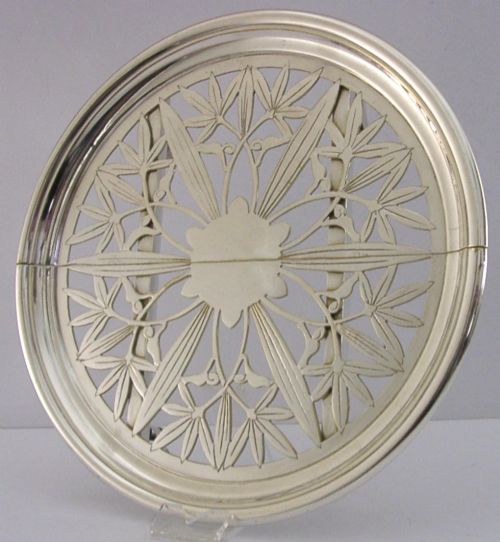
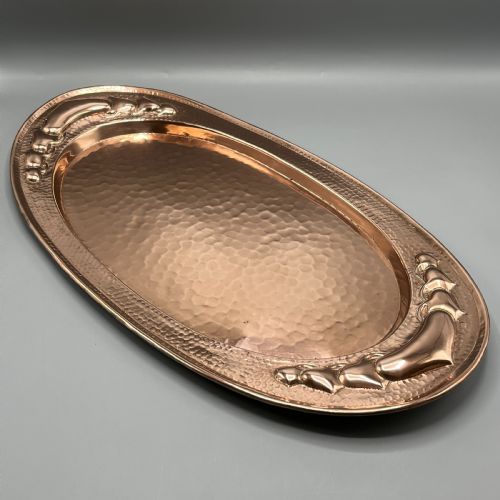
The most common examples on this page are hand-hammered copper and brass trays from the Arts and Crafts era, alongside Japanese cloisonne enamel dishes and chargers depicting flora, fauna, and mythological scenes. Victorian toleware, silver-plated serving dishes, and pewter wall plates also appear frequently among the listings.
How They Were Made
Artisans formed these pieces using traditional metalworking techniques such as repousse, chasing, and hammering, working sheets of copper, brass, and pewter into durable circular or oval forms. Beaten surfaces display the deliberate marks of the artisan's hammer, creating textured planes that catch the light.
Cloisonne enamel pieces utilise delicate wire partitions soldered onto copper or bronze bases, with coloured enamel pastes packed into the cells before firing and polishing. Silver plating and patination were applied to enhance contrast and protect the underlying metals from tarnishing.
Vintage Decorative Metal Platter Retail Price Guide 2026
Typical asking prices for vintage decorative metal platter among the pieces listed under this phrase on Sellingantiques today, from the lower quarter to the upper quarter. They describe what is for sale here now, not the wider market.
Listings feature metalwork spanning the Victorian, Edwardian, and Meiji periods, executed in copper, brass, pewter, and cloisonne enamel.
What Varies in Quality
The distinction between ordinary production and superior quality lies in the crispness of the hand-worked detail and the depth of the metal relief. Masterpieces display confident, deliberate repousse work where botanical motifs or figural scenes possess sculptural presence rather than flat stamping.
In cloisonne enamel, the density of the wirework and the flawless vitrification of the coloured glass pastes separate fine workshop pieces from standard commercial output. Signed pieces or works attributable to recognised schools and designers demonstrate a higher standard of artistic execution.
Liberty And Co·Faulkner Bronze Company·Kinkozan·S Duncomb·H Meeson·Christofle
The Vintage Decorative Metal Platter Glossary
- Repousse
- A metalworking technique where the artisan hammers the design from the reverse side to form a raised relief on the front. This method gives copper and brass trays a three-dimensional tactile quality.
- Cloisonne
- An enamelwork technique utilising thin metal wires soldered to a metal body to create compartments for coloured glass pastes. These pieces are then fired and polished to a smooth finish.
- Charger
- A large decorative plate or platter originally used for ceremonial dining or to place beneath smaller dishes. These items often hang on walls or sit upon stands as focal points.
- Toleware
- Enamelled and painted tinplate or metalware popular in domestic interiors. These decorative items feature hand-painted motifs and lacquer finishes.
- Patinated
- A surface treatment or natural ageing process that alters the colour of metal through oxidation. This finish highlights engraved and raised details by creating tonal contrast.
Vintage Decorative Metal Platter: Frequently Asked Questions
Can I polish my antique brass and copper tray?
Polishing depends entirely on whether the piece retains an original patinated finish or historical lacquer coating. Aggressive cleaning removes the aged surface character that collectors value.
Light dusting and gentle cleaning with a soft cloth are usually sufficient for maintaining vintage metalwork without stripping its history.
What is the difference between a tray and a charger?
Trays are generally utilitarian objects featuring handles or flat bases designed for carrying food and beverages. Chargers are substantially larger decorative plates meant for display.
While some sturdy chargers can serve food, their primary historical role was ornamental or ceremonial.
How do I identify Japanese Meiji period cloisonne?
Meiji period cloisonne is characterised by exceptionally fine silver or brass wirework outlining intricate naturalistic subjects like dragons, birds, and Mount Fuji. The enamel surfaces are polished to a mirror-like smoothness.
Many superior examples bear signature plaques on the base identifying the workshop or artist.