





Victorian Japanned Serving Tray
A victorian japanned serving tray combines durable sheet iron or pressed papier-mâché with intricate dark lacquer finishes.
Victorian Japanned Serving Tray
When searching for a victorian japanned serving tray, you are looking at sturdy serving pieces and decorative trays spanning the nineteenth century, including Regency survivals and pieces from the eighteen-seventies and eighties. These items typically take oval, rectangular, or kidney-shaped forms designed for practical hospitality or display.
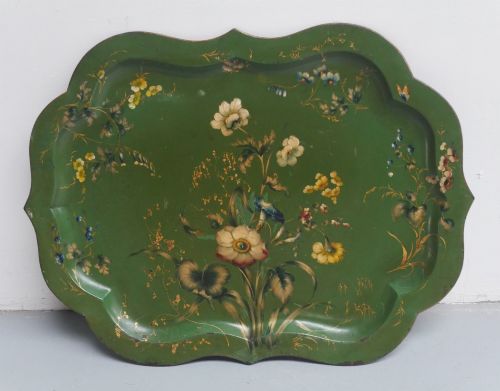
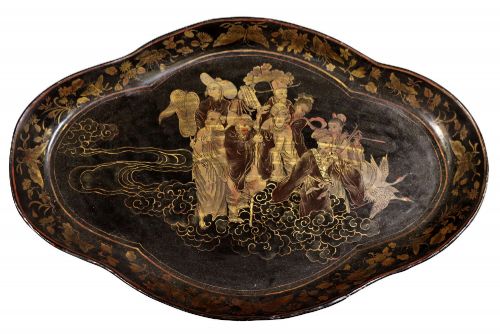
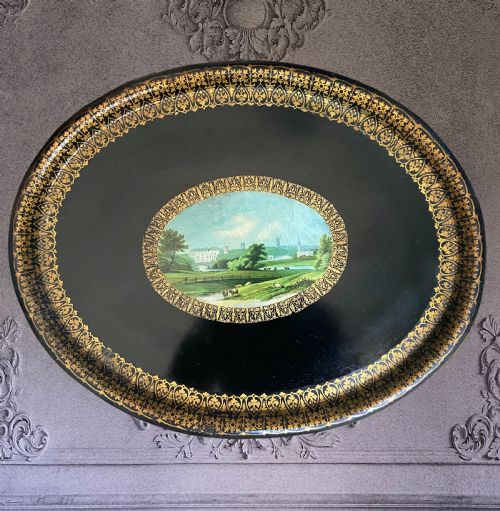
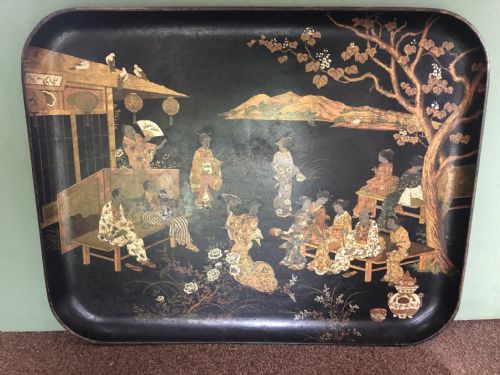
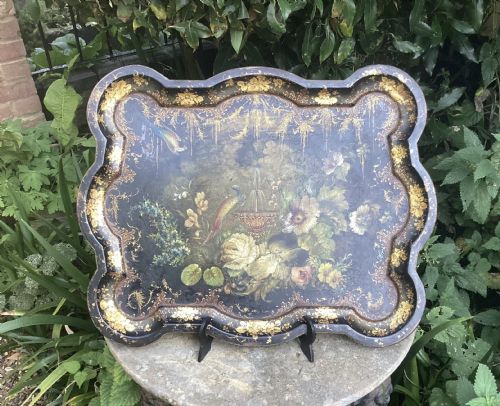
The versions you are most likely to meet on this page include papier-mâché trays and painted metal toleware. Many examples feature gilt embellishments, hand-painted scenes, and Chinoiserie motifs reflecting the period's fascination with Eastern design.
How they were made
Makers constructed these trays using sheet iron for toleware or compressed paper pulp for papier-mâché, providing a rigid foundation for subsequent treatment. Artisans applied layers of dark lacquer to achieve a smooth, glossy surface capable of enduring regular use.
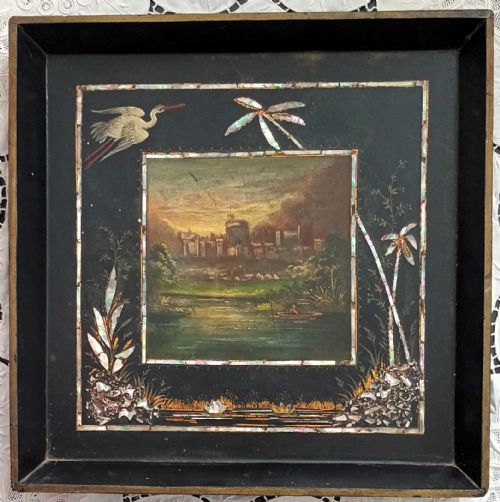
Decoration relied on gold leaf, gilt, paint, and inlaid mother-of-pearl to build intricate pictorial scenes and borders. Skilled hands executed Chinoiserie landscapes, hunting scenes, and narrative subjects directly onto the prepared dark backgrounds.
Victorian Japanned Serving Tray Retail Price Guide 2026
Typical asking prices for victorian japanned serving tray among the pieces listed under this phrase on Sellingantiques today, from the lower quarter to the upper quarter. They describe what is for sale here now, not the wider market.
One tray depicts Esther accusing Haman, proving that historic snack time could double as biblical drama.
What varies in quality
The standard of execution in the painted and gilded decoration separates simpler items from superior examples. Finely detailed brushwork, such as complex figurative narratives or precise Chinoiserie detailing, indicates a higher tier of workshop production.
The integrity of the underlying papier-mâché or sheet iron structure and the preservation of the original lacquer surface determine the overall caliber of a piece. Trays bearing identifiable maker marks or attributed works by notable manufacturers demonstrate higher status.
Jennens and Bettridge·H. Meeson
The Victorian Japanned Serving Tray Glossary
- Japanning
- A European imitation of East Asian lacquerwork produced by applying layers of varnish and heat-curing them. It created a durable, glossy dark finish popular on furniture and metalware.
- Papier-mâché
- A composite material made from paper pulp or layers of paper bound with glue, pressed and dried until rigid. It formed a lightweight yet remarkably strong base for serving trays.
- Toleware
- Painted or lacquered sheet metal items produced in workshops during the eighteenth and nineteenth centuries. Pontypool was a prominent centre for this specific British manufacture.
- Chinoiserie
- A European artistic style reflecting Chinese motifs and cultural themes, prevalent in decorative arts. It heavily influenced the painted scenes found on nineteenth-century lacquer trays.
- Gilt
- A thin layer of gold applied to the surface of metal, papier-mâché, or wood to create ornamental highlights. It was frequently used to outline borders and accentuate painted designs.
Victorian Japanned Serving Tray: Frequently Asked Questions
How do I clean a papier-mâché tray?
Dust the surface gently with a soft, dry cloth to remove loose particles.
Avoid using water, liquid cleaners, or harsh chemicals, as moisture damages the historic lacquer and papier-mâché base.
Were these trays used for serving?
These pieces served practical functions for carrying tea, beverages, and food in domestic settings.
Many also functioned as decorative display items when not actively used for serving.
What is the difference between toleware and papier-mâché?
Toleware is constructed from sheet iron, offering a metallic rigidity and weight.
Papier-mâché is formed from compressed paper pulp, providing a lighter structure.
How can I tell a Regency tray from a Victorian one?
Regency pieces often display specific neoclassical design influences alongside earlier manufacturing characteristics.
Victorian examples frequently incorporate broader decorative styles such as elaborate Chinoiserie and mother-of-pearl inlay.