


Vintage Decorative Centrepiece Bowl
A vintage decorative centrepiece bowl anchors a room, drawing the eye with glass, silver or porcelain crafted to sit proudly in the middle of a table.
Vintage Decorative Centrepiece Bowl
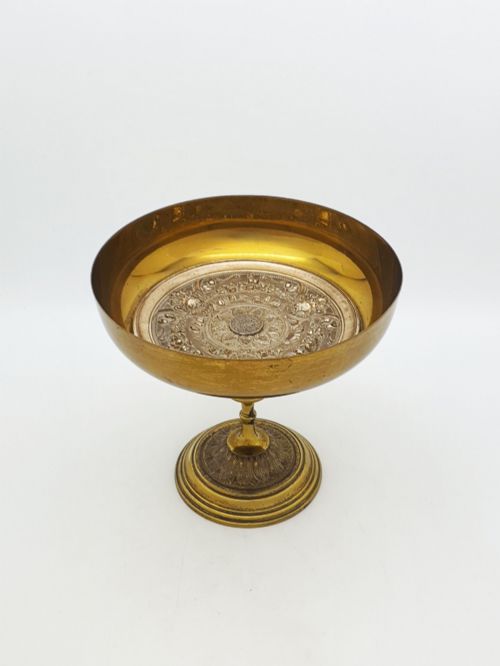
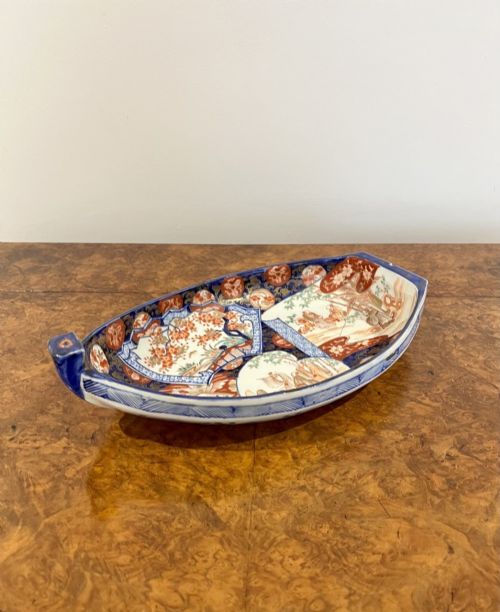
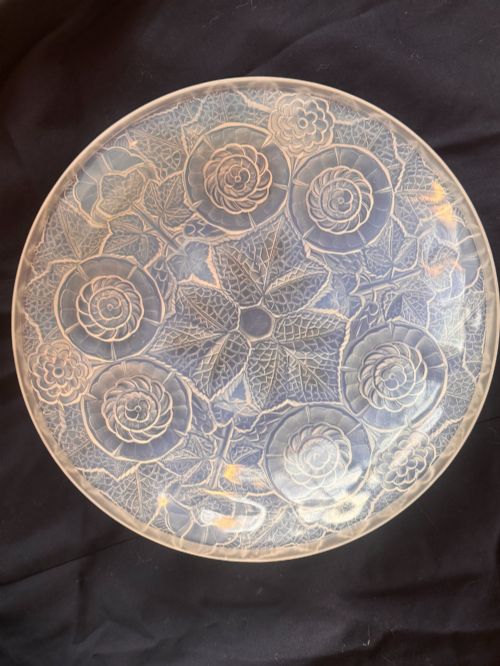
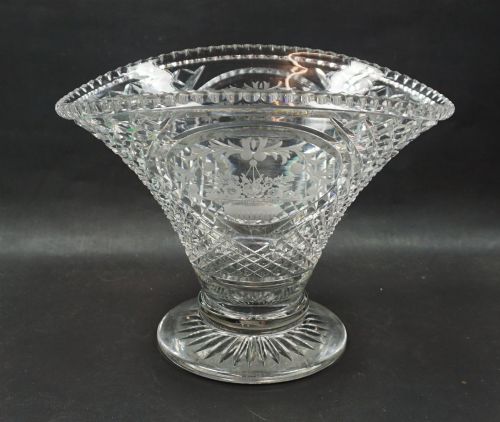
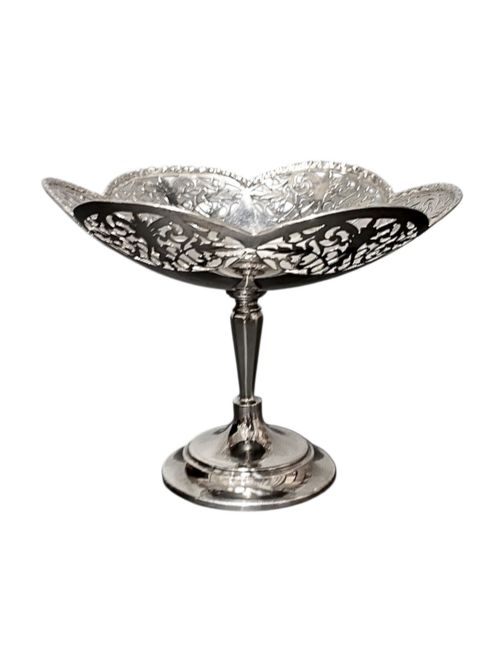
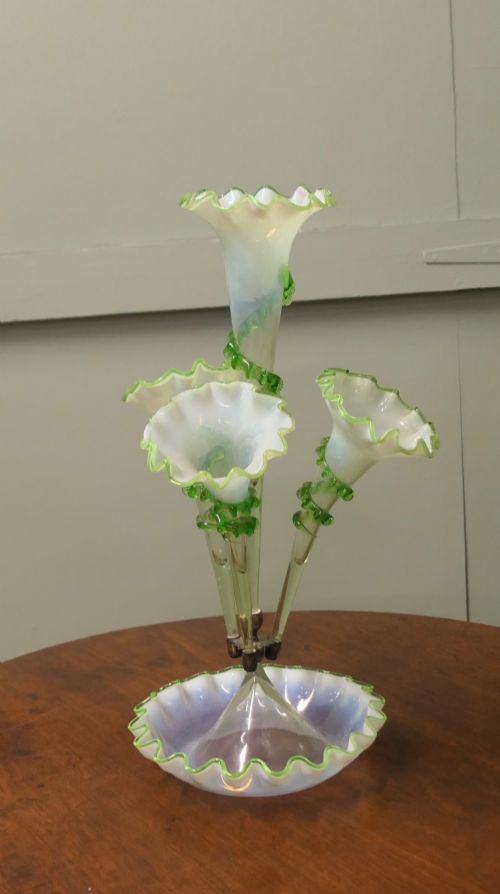
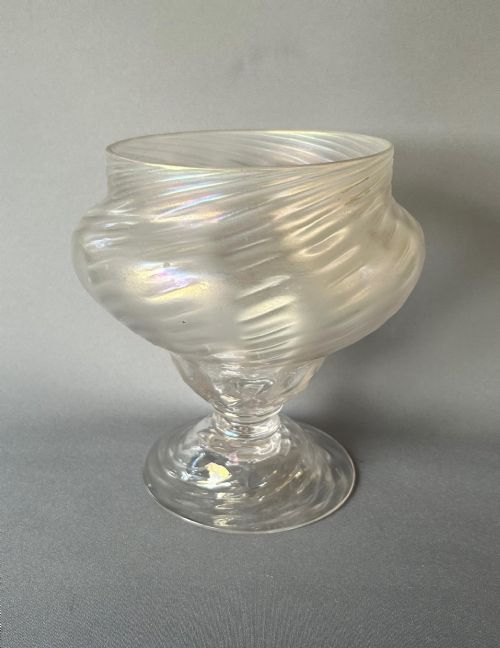
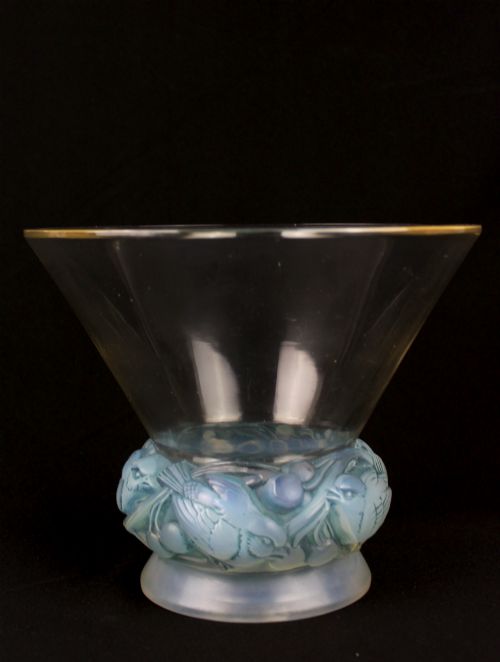
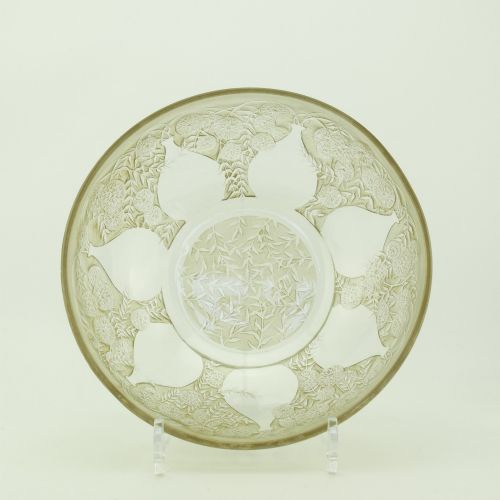
A vintage decorative centrepiece bowl takes many forms across this selection, spanning porcelain, glass, silver, brass, and earthenware from the nineteenth and twentieth centuries. Buyers seeking this phrase encounter items ranging from heavy cut glass dishes mounted in bronze and ormolu to hand-painted Chinese export punch bowls and delicate opalescent glass vessels.
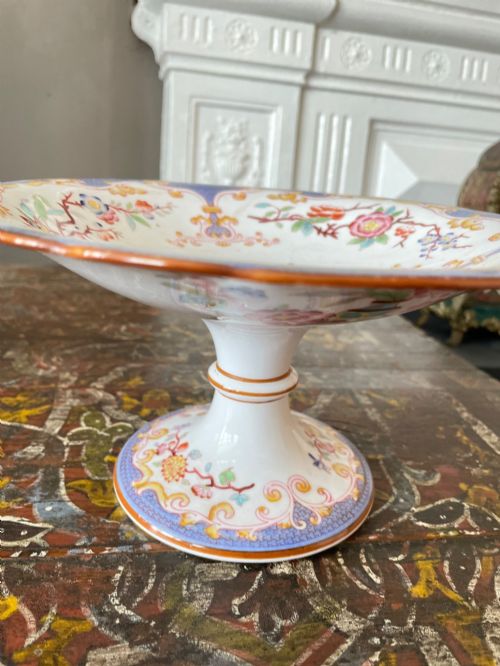
The periods represented stretch from the Victorian and Edwardian eras through the Art Deco years, encompassing styles from Neoclassical and Arts and Crafts to Imari and Cairo ware. Forms include pedestal bowls, footed dishes, fruit comports, and mounted vessels designed specifically to command attention in a domestic interior.
Vessels emerge from diverse origins, including English, French, Belgian, Japanese, Chinese, and Indian workshops. Whether shaped as a simple scalloped edge basin or fitted with handles and cast metal mounts, each piece functions primarily as a visual focal point.
How They Were Made
Makers utilised a combination of glass, ceramics, and metals, often fusing blown or moulded glass with cast bronze, ormolu, and silver mountings. Cut glass techniques produced deep facets and optical clarity, while porcelain examples relied on hand-painted cobalt, enamel, and gilt decoration fired at high temperatures.
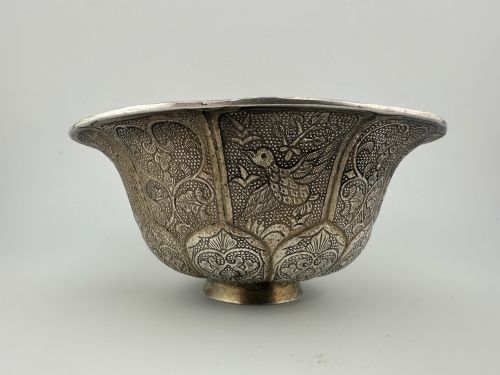
Metalworking traditions involved solid silver handcrafting, repoussé brass work, and copper shaping set with enamel cabochons. Many pieces combine these materials, uniting glass inserts with bronze frames or oak bodies with carved fruiting vine details.
Vintage Decorative Centrepiece Bowl Retail Price Guide 2026
Typical asking prices for vintage decorative centrepiece bowl among the pieces listed under this phrase on Sellingantiques today, from the lower quarter to the upper quarter. They describe what is for sale here now, not the wider market.
Listings feature items spanning the nineteenth and twentieth centuries, including Victorian, Edwardian, and Art Deco periods across multiple materials.
What Varies in Quality
Quality rests upon the crispness of execution in the material, whether the sharp facet cutting of heavy crystal, the detailed precision of hand-painted porcelain motifs, or the clean casting of bronze and silver mounts. Superior pieces display harmonious proportions between the bowl body and any pedestals, handles, or metal frames.
The reputation of the designer or factory, from Lalique and Venini to Wedgwood and Maling, elevates certain works through distinct artistic vision and controlled manufacturing standards. Depth of colour, complexity of glaze, and the integration of decorative elements determine where a piece sits within its category.
Rene Lalique·Carlo Scarpa·Daum France·Joseph Simon·Maling
The Vintage Decorative Centrepiece Bowl Glossary
- Opalescent glass
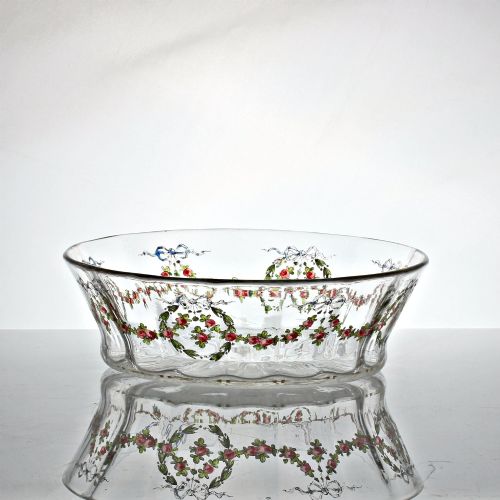
- Glass that diffuses light with a milky, translucent appearance, shifting in tone according to illumination. This technique was favoured by glassmakers in the early twentieth century for decorative vessels.
- Ormolu
- Gilded bronze used widely for mounts, handles, and feet on nineteenth-century glass and porcelain bowls. The technique involves applying a gold amalgam to a bronze base.
- Imari
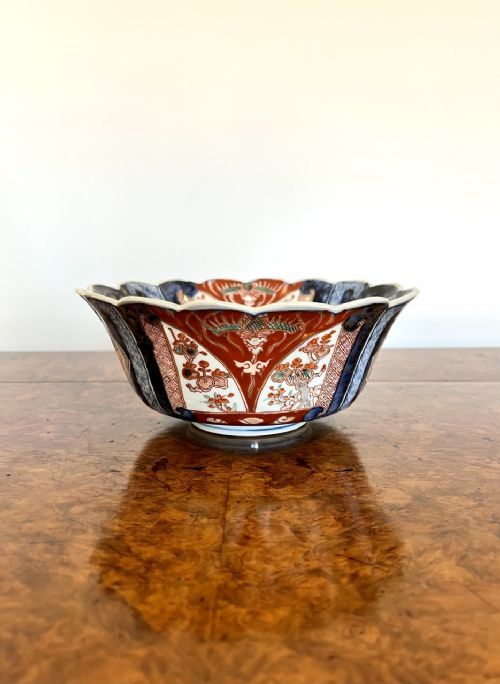
- Japanese porcelain decorated in underglaze blue and iron red, frequently accented with gold. These exported wares feature dense floral and bird motifs.
- Comport
- A shallow dish raised on a stem and foot, traditionally used for serving fruit at the dining table. They appear in porcelain, earthenware, and glass.
- Cairo ware
- Brass and mixed metalwork inlaid with silver and copper, produced in Egypt and collected avidly during the nineteenth century. These items display intricate Islamic-inspired geometric patterns.
Vintage Decorative Centrepiece Bowl: Frequently Asked Questions
What is a centrepiece bowl used for?
These vessels were originally designed to sit in the middle of a dining table or sideboard, often holding fruit, flowers, or punch for guests. Today, they function primarily as decorative objects that anchor a room's interior design.
Their substantial size and visual weight allow them to stand alone on a table or console without needing additional contents to look complete.
How do I tell an Edwardian bowl from a Victorian one?
Victorian bowls often lean towards heavier ornamentation, ornate gilding, and revival styles such as Neoclassical or robust cut glass. Edwardian and later pieces frequently show the cleaner lines of early twentieth-century design or the lighter influence of Art Deco.
Examining the materials, mounting techniques, and stylistic motifs helps place a piece within its manufacturing period.
Can I use these bowls for serving food?
While many historic bowls such as punch bowls or fruit comports were made for dining use, older pieces with delicate enamelling, metal mounts, or fragile glass are better treated as decorative display items. Porcelains and solid silver items can handle light use if washed by hand.
Avoid exposing antique metal mounts, gilt surfaces, or mixed-material assemblies to prolonged moisture or dishwashers.
How should I clean a vintage glass bowl?
Wash glass and porcelain vessels gently in warm water with mild soap, using a soft cloth to protect surface details and gilt highlights. Avoid harsh abrasives that might scratch opalescent surfaces or cut crystal.
For pieces with metal mounts or bronze stands, keep moisture away from the joins and dry thoroughly after cleaning.