



Green Ceramic Fruit Bowl
These green ceramic fruit bowl pieces bring a rich splash of colour to a table, offering both decorative presence and traditional utility.
Green Ceramic Fruit Bowl
A green ceramic fruit bowl encompasses a range of serving vessels and centrepieces, drawn primarily from Victorian, Art Nouveau, and eighteenth-century periods. These items take the form of comports, compotes, pedestal dishes, and decorative baskets designed to hold fruit.
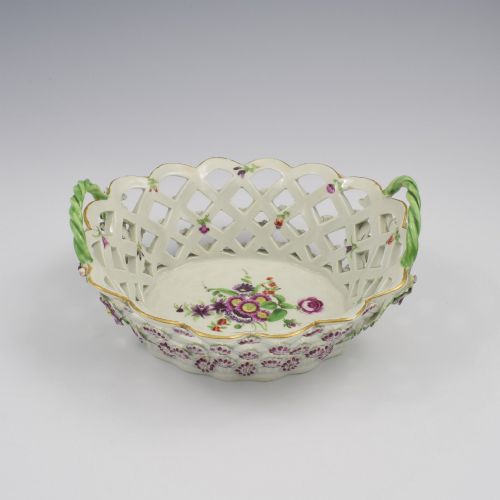
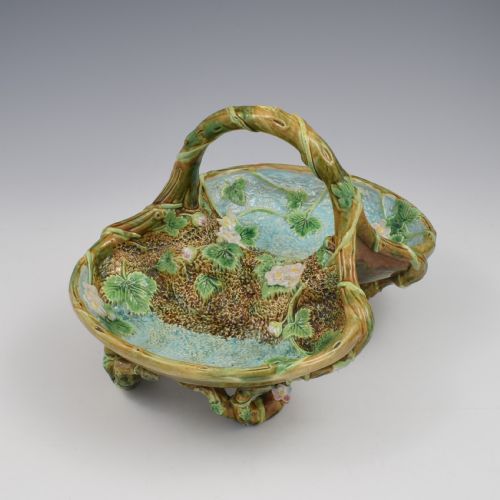
The pieces appearing on this page span from early English porcelain and Chinese export wares to substantial majolica comports and German Saxony porcelain. Buyers frequently encounter Victorian naturalism and majolica basketwork featuring rich green glazes and leaf motifs.
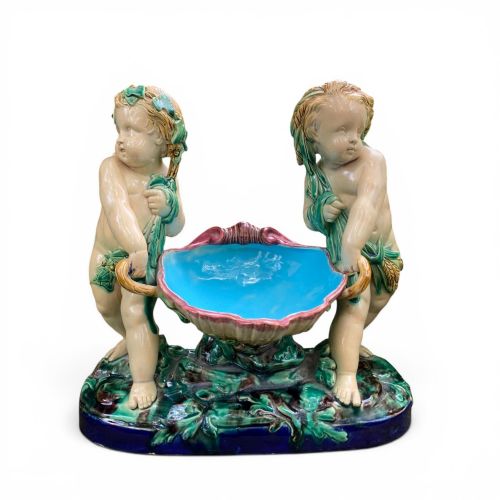
Makers represented in these listings include Dr Wall Worcester, George Jones, Royal Doulton, Minton, and Eichwald. Forms vary from simple lattice bowls to elaborate centrepieces supported by cherubs or modelled as begonia leaves.
Materials and construction
Potters utilised earthenware, soft-paste porcelain, and hard-paste porcelain as the foundational bodies for these vessels. Lead glazes and enamels were applied to achieve the characteristic green colourations seen across the pieces.
Many items incorporate detailed mouldings, such as basketweave textures, applied flowers, and naturalistic leaf forms. Artisans occasionally enhanced these ceramic bodies with gold leaf or gilt highlights, particularly on eighteenth-century and Victorian cabinet pieces.
Green Ceramic Fruit Bowl Retail Price Guide 2026
Typical asking prices for green ceramic fruit bowl among the pieces listed under this phrase on Sellingantiques today, from the lower quarter to the upper quarter. They describe what is for sale here now, not the wider market.
Listings feature pieces spanning from the eighteenth century through the Victorian period to Art Nouveau designs, utilising earthenware, porcelain, and lead glaze.
Assessing quality and craftsmanship
Quality rests heavily on the crispness of the moulding and the depth of the glaze, especially on majolica pieces where botanical details should remain sharp. Superior examples exhibit careful hand-painting and delicate execution of figural elements like cherubs.
The prestige of the factory, such as Minton or Worcester, dictates much of the standing within this field. Earlier eighteenth-century soft-paste items command attention for their historical significance and the technical challenge of their production.
Dr Wall Worcester·George Jones·Royal Doulton·Minton·Eichwald
The Green Ceramic Fruit Bowl Glossary
- Majolica
- A type of earthenware characterised by colourful lead glazes applied over an opaque tin-glaze, popular during the Victorian era for botanical and animal forms. It provides the vibrant green hues found on many baskets and comports.
- Comport
- A elevated dish or bowl used for serving fruit or sweetmeats at the table. These often stand on a central pedestal or foot.
- Soft-Paste Porcelain
- An artificial porcelain composed of clay and ground glass fired at lower temperatures than hard-paste. Eighteenth-century factories such as Worcester utilised this material.
- Centrepiece
- A large decorative object placed in the middle of a dining table. In ceramic form, these frequently take the shape of elaborate baskets or pedestal bowls.
- Cabinet Dish
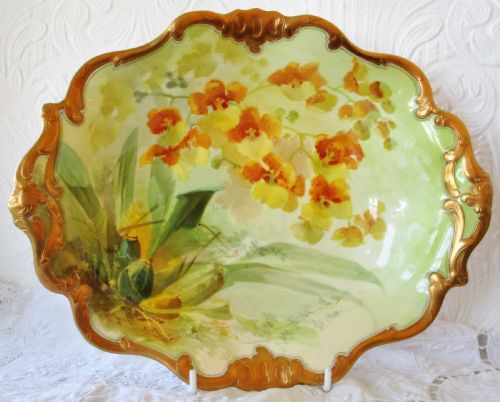
- A decorative porcelain plate or dish intended for display in a cabinet rather than for table service. These often feature hand-painted botanical or figurative subjects.
Green Ceramic Fruit Bowl: Frequently Asked Questions
What were green ceramic fruit bowls used for?
These vessels served primarily as table centrepieces or serving dishes for fresh fruit during formal meals. Comports and pedestals elevated the fruit to improve table arrangement and visibility.
Beyond dining use, many finer porcelain cabinet dishes and decorative baskets were designed purely for display in drawing rooms. They acted as status symbols and decorative accents in wealthy households.
How do I style a ceramic basket at home?
A majolica or porcelain basket makes an effective table centrepiece when filled with seasonal fruit or left empty to showcase the glaze and moulding. Their green colour pairs well with wooden dining tables and sideboards.
Care should be taken to place them away from high-traffic edges where delicate handles or applied leaves might suffer knocks. Using soft liners inside can protect the interior glaze from acidic fruit juices.
How do I tell Victorian majolica from earlier pieces?
Victorian majolica, produced heavily from the mid-nineteenth century onward, typically employs a heavy earthenware body with thick, vibrant lead glazes. The designs lean heavily into Victorian naturalism, featuring leaves, ferns, and basketweave patterns.
Earlier pieces from the eighteenth century, such as those from Worcester, generally use soft-paste porcelain with polychrome enamels rather than heavy coloured glazes. They present a lighter, more refined appearance compared to robust Victorian wares.
What is the difference between a comport and a compote?
In practical terms, comport and compote describe the same elevated vessel used for serving fruit or compote dishes at dessert. Regional terminology often dictates the preferred word among collectors and dealers.
Both forms feature a bowl raised on a pedestal base, though proportions and decorative handles vary widely across different periods and factories.