




Polychrome Earthenware Bowl
A polychrome earthenware bowl brings vibrant enamel decoration and tactile ceramic form into a room.
Polychrome Earthenware Bowl
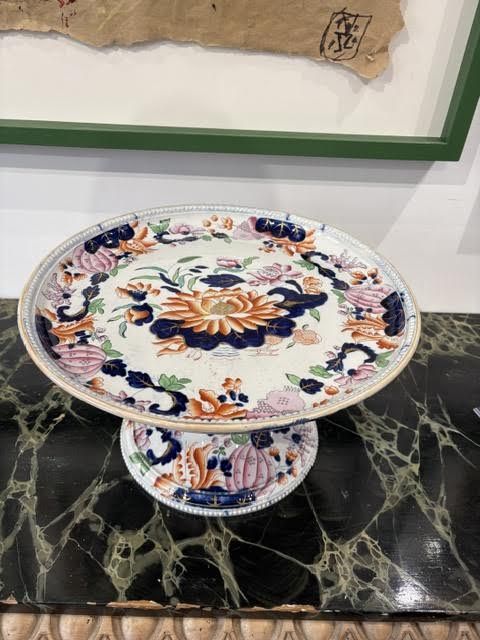
When you search for a polychrome earthenware bowl, you are looking at items shaped from clay, fired, and painted in multiple colours. The pieces listed on this page span the eighteenth, nineteenth, and early twentieth centuries, drawing on Victorian, Edwardian, and Meiji period aesthetics.
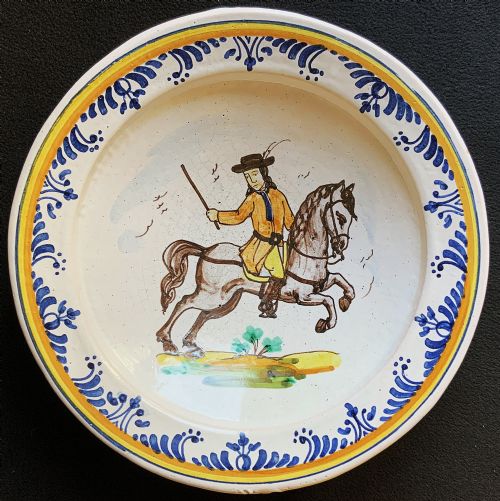
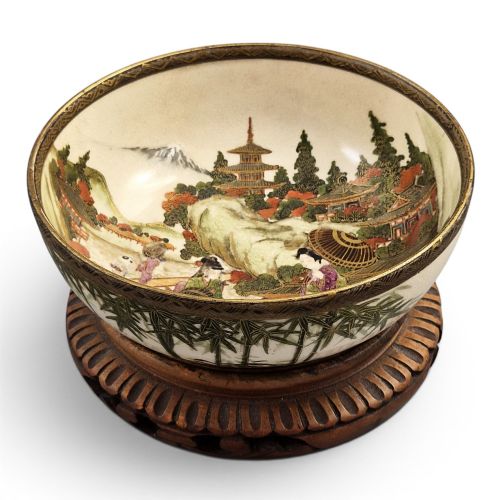
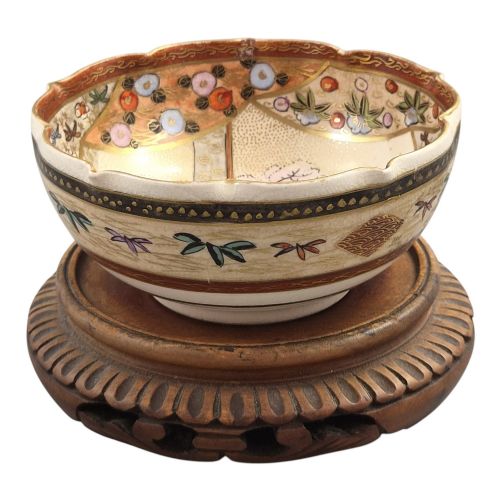
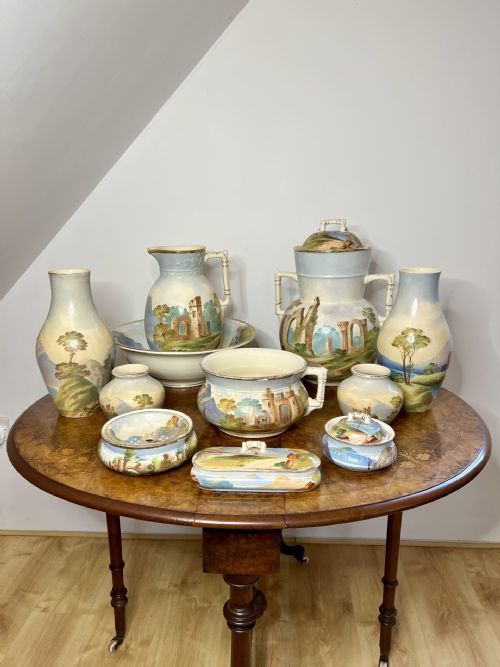
The selections range from Japanese Satsuma ware and Spanish Delft faience to Minton majolica, French faience, and Scottish carpet bowls. You will frequently encounter Japanese Satsuma bowls decorated with flowers, birds, and figural scenes alongside European earthenware vessels and wash sets.
How they were made
Makers shaped earthenware bodies before applying glazes, tin glazes, or enamels to create the characteristic painted surfaces. Many examples incorporate intricate enamel work and gold leaf details fixed during secondary firings.
Potteries utilised specialised techniques ranging from majolica moulding to hand-painted Satsuma decoration originating from Kyoto and Yokohama.
Polychrome Earthenware Bowl Retail Price Guide 2026
Typical asking prices for polychrome earthenware bowl among the pieces listed under this phrase on Sellingantiques today, from the lower quarter to the upper quarter. They describe what is for sale here now, not the wider market.
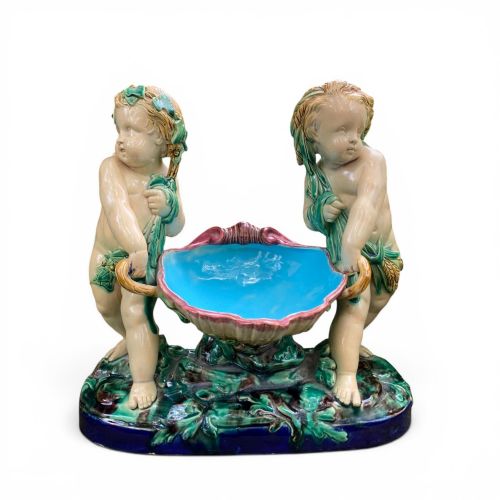
Bacchanalian cupids and cherubs frequently peer out from nineteenth-century majolica centrepieces, keeping watch over the fruit.
What varies in quality
The distinction between standard vessels and exceptional pieces rests upon the precision of the brushwork and the complexity of the painted composition. Signed works by recognised makers such as Gyokkō, Ryuzan, and Hododa display superior control over enamel pigments and gilding.
Body formation and glaze consistency also differentiate the output, with finer items exhibiting crisper moulding in majolica and greater depth in tin-glazed faience or Satsuma earthenware.
Mann & Co·Ryuzan·Hododa·Gyokkō·Minton
The Polychrome Earthenware Bowl Glossary
- Earthenware
- Porous pottery fired at lower temperatures than stoneware or porcelain, requiring a glaze to hold liquids. It forms the structural base for majolica, faience, and Satsuma pieces.
- Faience
- Tin-glazed earthenware produced across continental Europe, particularly in France and Spain. The opaque white glaze provides a smooth ground for painted polychrome motifs.
- Satsuma ware
- Japanese pottery traditionally originating from Satsuma province and associated workshops in Kyoto and Yokohama. These vessels typically feature fine crackle-glaze earthenware decorated with elaborate enamels and gold leaf.
- Millefleur
- A decorative pattern composed of countless painted flowers covering the entire surface of the vessel. In Japanese Satsuma bowls, this style creates a dense tapestry of colour.
Polychrome Earthenware Bowl: Frequently Asked Questions
What is a polychrome earthenware bowl?
A polychrome earthenware bowl is a ceramic vessel made from porous clay and decorated with multi-coloured paints, enamels, or glazes. These pieces include Japanese Satsuma wares, European faience, and majolica.
They reflect diverse stylistic traditions from the eighteenth century through to the Edwardian period, often featuring elaborate hand-painted scenes.
How were Satsuma bowls used?
Japanese Satsuma bowls served primarily as decorative objects for display rather than functional tableware. Their intricate enamel and gold leaf designs were meant to be admired in private reception rooms.
Larger chargers and centrepieces held a similar ornamental purpose in European settings.
How do I style a ceramic bowl at home?
These bowls work well displayed on mantelpieces, sideboards, or central tables where their painted colours can catch the light. Placing them away from direct heat sources protects the historic glaze and enamel surfaces.
Their varied sizes allow them to stand alone as focal points or complement existing collections of antique ceramics.
How do I identify the period of a bowl?
Dating relies on examining the ceramic body, glaze characteristics, and any painted signatures or impressed factory marks. Victorian and Edwardian British pieces often carry registry marks or maker stamps, while Japanese Satsuma items bear artist signatures from the Meiji period.
Stylistic cues such as tin-glazing or majolica moulding also point towards specific manufacturing eras.