




Vintage Deco Table
These vintage deco table designs bring geometric precision and rich figured grains into the room, offering both practical surfaces and strong focal points.
Vintage Deco Table
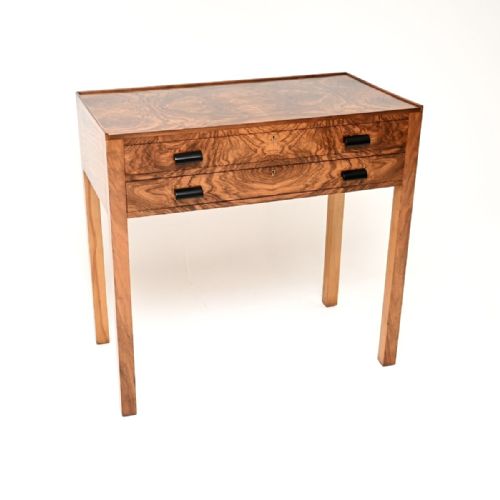
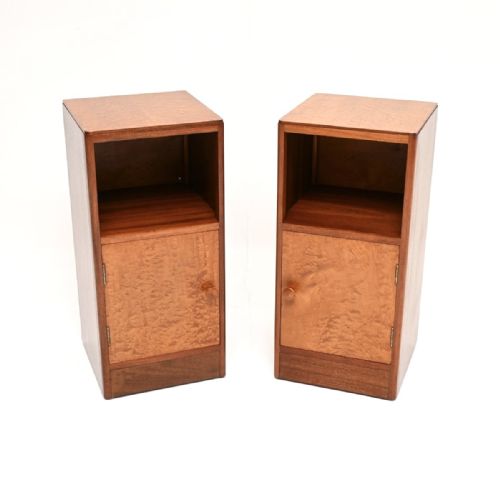
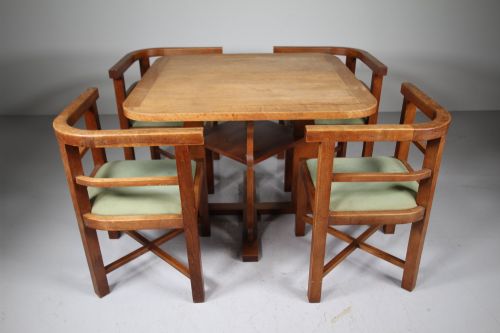
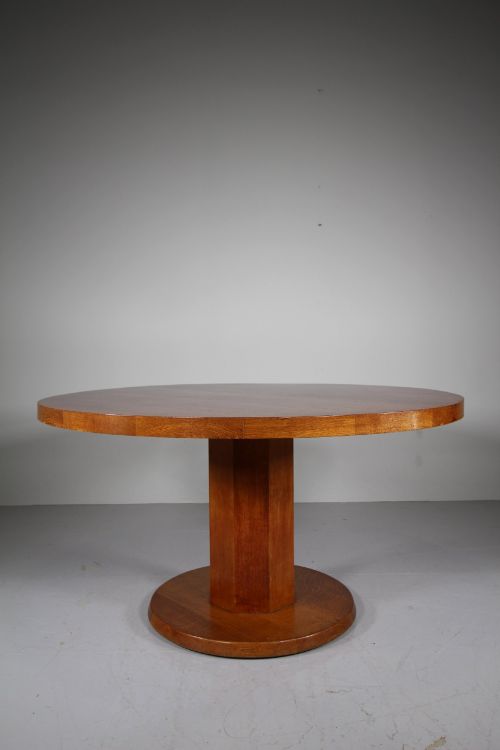
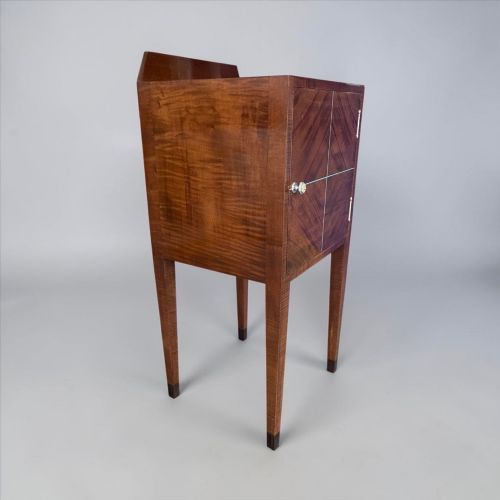
A vintage deco table encompasses various utilitarian forms designed primarily during the 1920s, 1930s, and 1940s. Buyers encountering this phrase typically find occasional tables, coffee tables, bedside cabinets, and writing desks produced in distinct regional styles.
Materials and construction methods
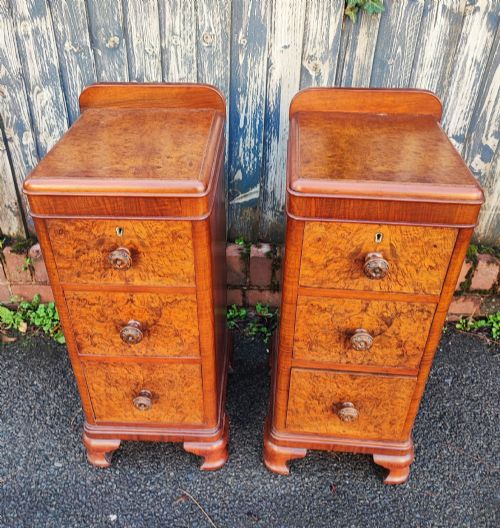
Cabinet makers utilised solid timbers alongside decorative veneers to achieve striking surface patterns. Burr walnut, figured walnut, birds eye maple, and macassar are applied to core woods, creating symmetrical grain movements across table tops and drawer fronts.
Structural elements frequently incorporate secondary metals like brass, chrome, and wrought iron alongside glass and leather inserts. These contrasting materials define the characteristic geometric lines and utilitarian rigidity of the period.
Vintage Deco Table Retail Price Guide 2026
Typical asking prices for vintage deco table among the pieces listed under this phrase on Sellingantiques today, from the lower quarter to the upper quarter. They describe what is for sale here now, not the wider market.
The listings span three distinct decades, with the year 1930 representing the most common date of production among surviving furniture pieces.
Assessing quality in construction
The standard of execution is visible in the selection and matching of wood veneers across prominent surfaces. Superior pieces display continuous, book-matched grain patterns that require considerable skill from the cabinet maker.
Integration of secondary materials also separates standard production from finer examples. Precision in the fitting of glass tops, metal mounts, and chrome accents indicates the tier of original workshop manufacture.
Bath Cabinet Makers·Bulle·Heals·Levi and Salaman·Elkington·Christofle·Pierre Collinet
The Vintage Deco Table Glossary
- Art Deco
- A design style characterised by sleek geometric shapes, streamlined forms, and rich materials prevalent during the interwar years.
- Burr Walnut
- A timber harvested from walnut tree growths, yielding intricate, swirling grain patterns highly prized for decorative veneer work.
- Veneer
- A thin layer of superior wood adhered to a base timber surface to provide decorative visual effects without excessive structural weight.
- Occasional Table
- A small, movable table designed for specific, intermittent household uses rather than permanent dining or writing tasks.
- Satin Birch
- A pale hardwood timber featuring a natural sheen, frequently utilised in Scandinavian furniture production during the period.
Vintage Deco Table: Frequently Asked Questions
What defines a vintage deco table?
These items are distinguished by geometric silhouettes, streamlined profiles, and the prominent use of figured wood veneers combined with glass or metal accents.
Produced largely across the 1920s and 1930s, they reflect diverse international interpretations of the modern aesthetic.
How do I identify French pieces?
French examples frequently employ exotic timbers like macassar ebony alongside elaborate metal mounts and highly polished lacquer finishes.
They tend to showcase more theatrical curves and luxurious material combinations compared to simpler domestic equivalents.
Where should I place a coffee table?
These low surfaces fit comfortably within central seating arrangements, offering sturdy display areas for lamps, clocks, or decorative objects.
Their substantial walnut or iron frames provide a strong visual anchor in a modern living space.
Are bedside cabinets typically sold individually?
Many surviving bedside units appear as matched pairs, though individual cabinets also occur frequently within the selection.
Matching sets require careful placement to maintain symmetrical balance flanking a sleeping berth.
How do Swedish designs differ?
Swedish interpretations of the style often rely on lighter timbers such as satin birch and simplified structural lines.
This regional approach emphasises functional clarity and pale, reflective surfaces rather than dark, heavily figured veneers.