
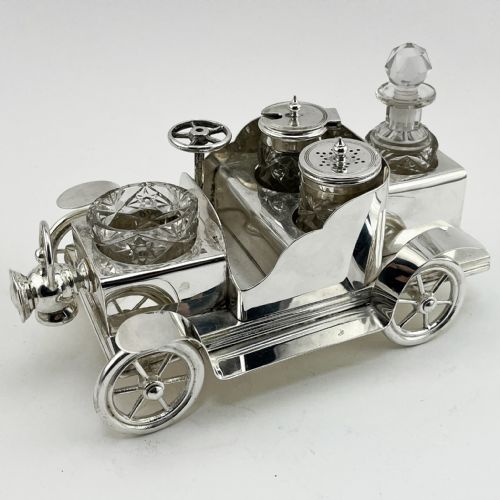


Vintage Decanter Stand
These vintage decanter stand pieces hold bottles securely for dining and entertaining, offering both utility and period charm for your table.
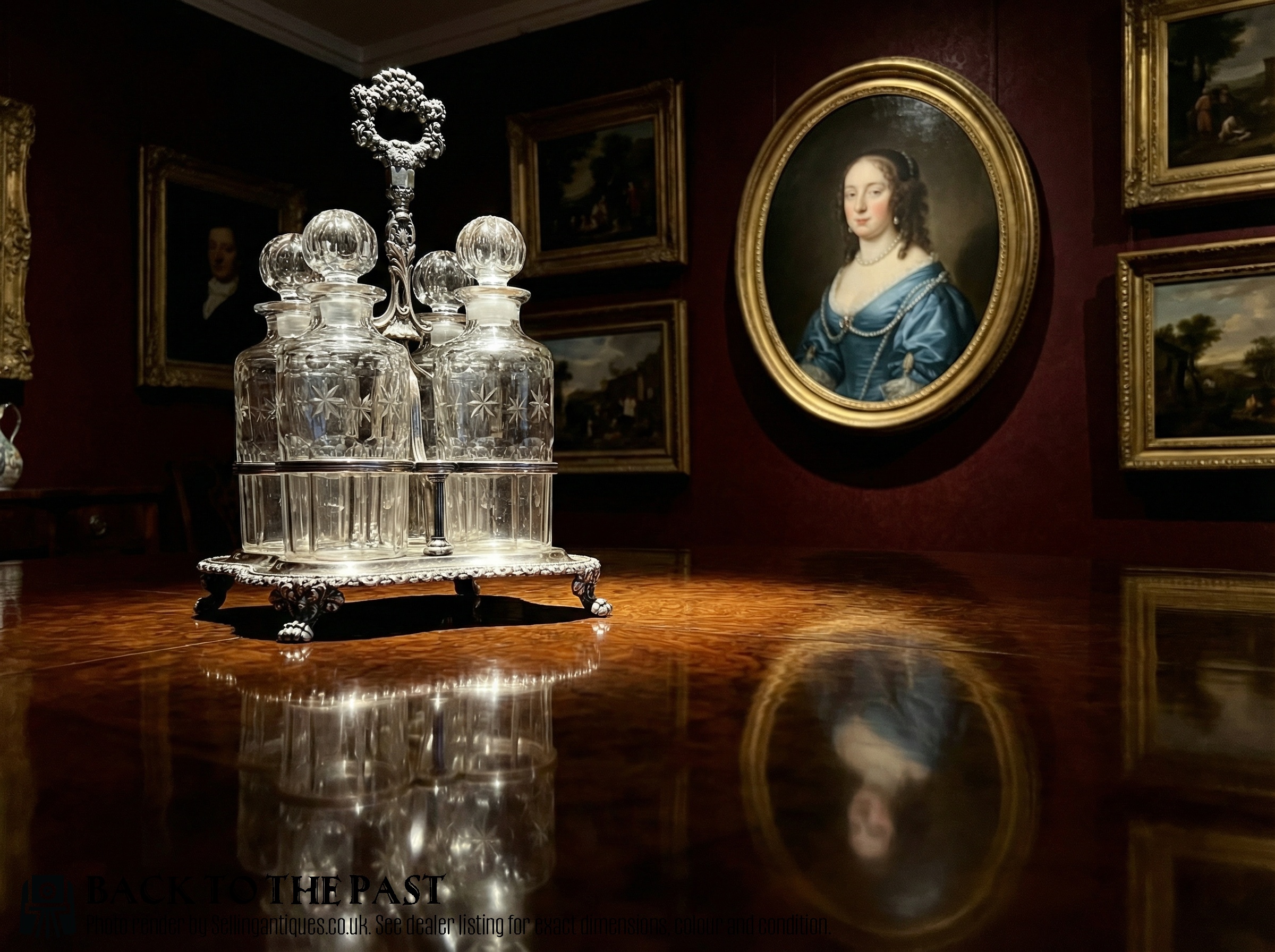
Vintage Decanter Stand
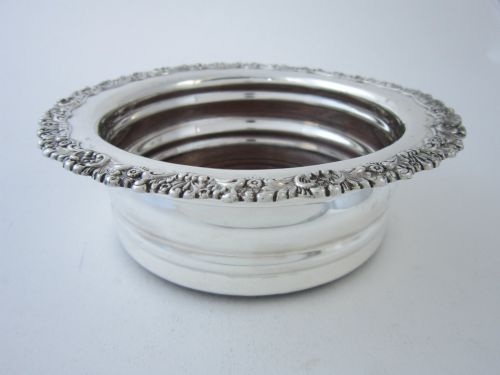
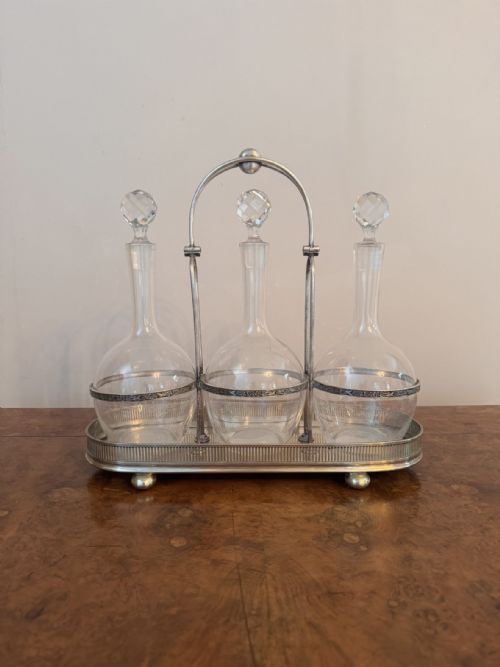
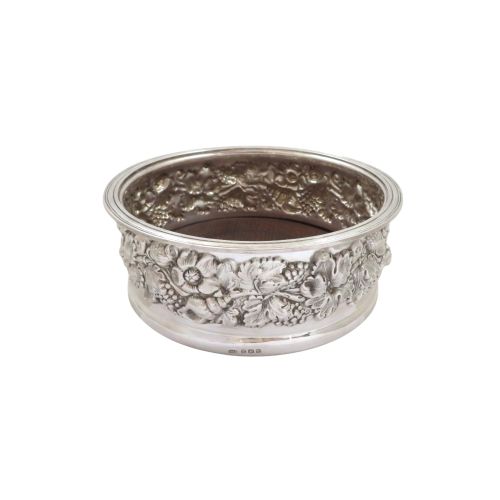
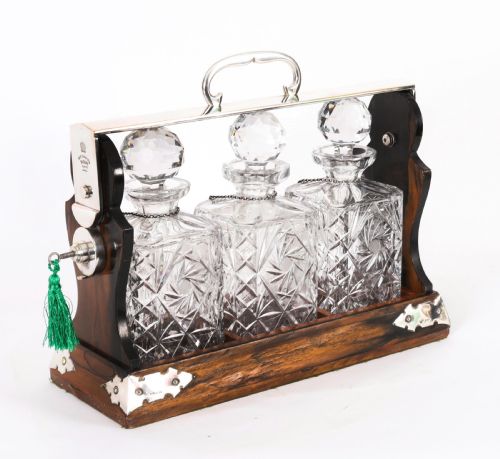
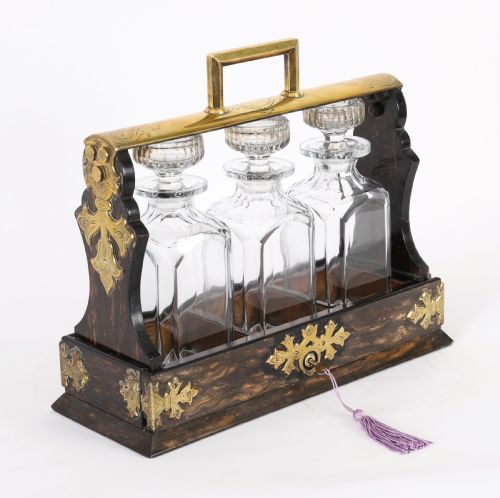
When you search for a vintage decanter stand, you encounter a range of serving items designed to hold bottles and decanters securely on the dining table or sideboard. These pieces span centuries of craftsmanship, appearing as single coasters, multi-bottle frames, and locking tantalus units.
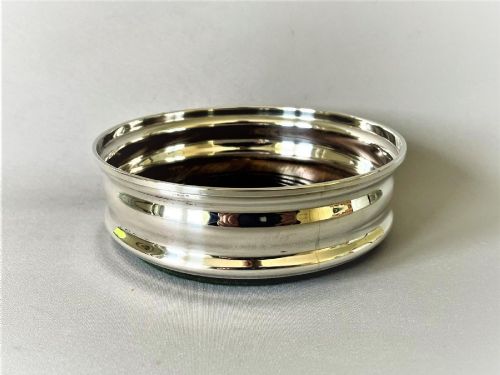
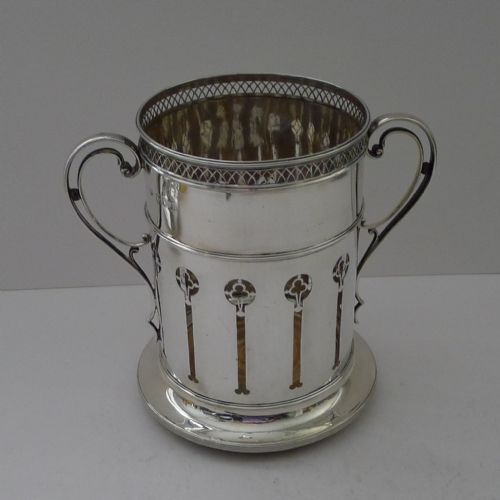
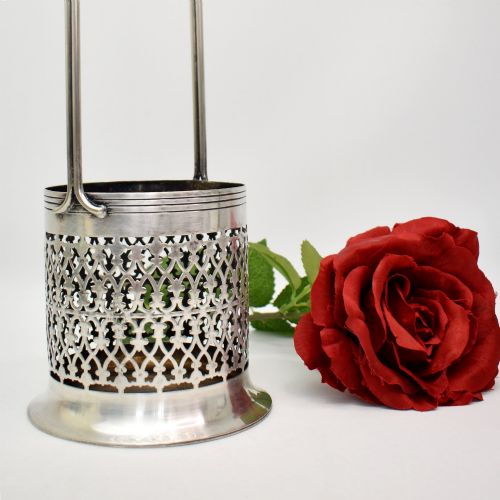
The selections on this page most commonly include silver plated and wooden frames dating from the Victorian and Edwardian eras, alongside Georgian examples. Wine coasters and silver plated stands form a large portion of the available items for holding individual bottles or sets.
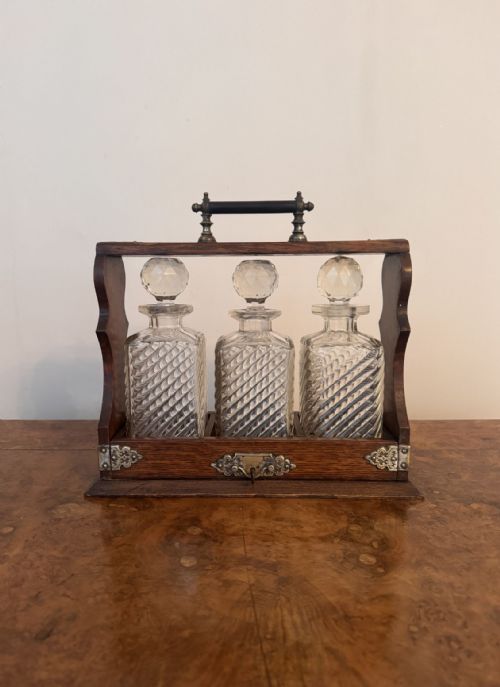
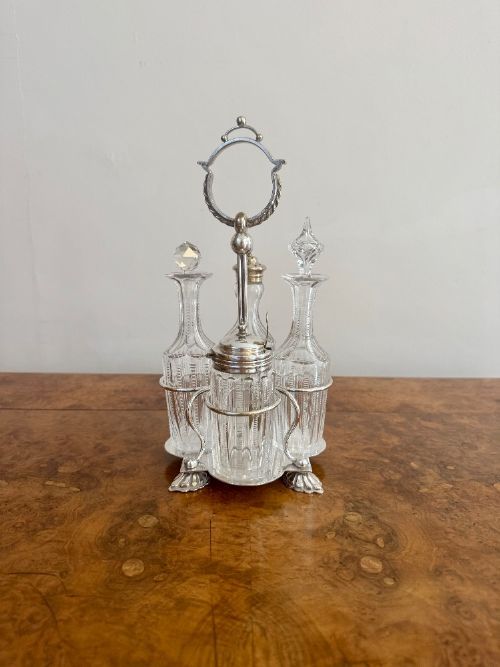
Tantalus frames and cruet sets also represent typical forms within this category, combining timber bases with cut glass decanters and metal mounts. These functional items reflect the dining customs of past centuries, utilising durable materials designed for regular use.
How they were made
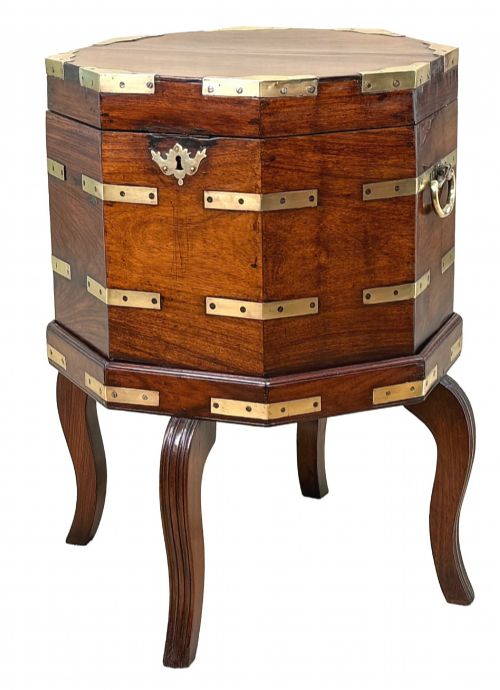
Makers constructed these stands using a combination of timber frames and metal mounts, often employing oak, mahogany, rosewood, or coromandel wood. Craftsmen then fitted these wooden bases with silver plate, sterling silver, or brass hardware to secure the glass vessels.
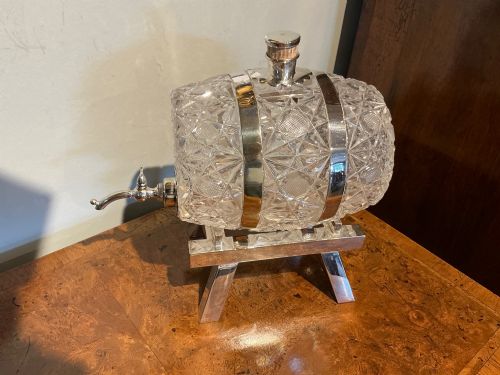
Cut glass and cut crystal decanters form an integral component of many sets, shaped through heavy cutting and polishing techniques. Metal elements utilise silver plating over base metals or solid sterling silver, shaped into pierced galleries or solid rims.
Current listings feature oak, mahogany, and coromandel timbers paired with cut crystal and silver plate.
What varies in quality
The standard of a piece rests upon the weight of the metal, the crispness of any silver plating, and the depth of the cut glass. Substantial sterling silver mounts and heavy-gauge silver plate indicate superior manufacture compared to thinner, pressed metal alternatives.
Timber selection and joinery further distinguish finer examples, particularly where makers utilised figured mahogany, coromandel, or intricate marquetry stringing. Original cut crystal decanters that match the exact contours of the stand elevate the integrity of the whole object.
Betjemann’s·Brook & Son·Elkington·Asprey
The Vintage Decanter Stand Glossary
- Tantalus
- A locking drink stand that secures decanters behind a wooden bar and metal rod to prevent unauthorized access. The design exposes the bottles while keeping the contents safely contained.
- Coaster
- A small circular tray or stand designed to hold a wine bottle or decanter, protecting the table surface from drips. These often feature wooden bases lined with baize or metal pierced galleries.
- Old Sheffield Plate
- An early fused metal technique where a thin sheet of sterling silver is fused to a thicker copper base. This method produced durable wares before modern electroplating techniques were developed.
- Treen
- Small domestic wooden objects made by turning on a lathe or through hand carpentry. Collectors prize these items for their tactile surfaces and patination developed over centuries.
- Cruet Set
- A matched set of glass bottles or cruets held within a metal frame for condiments, oils, or vinegars. These frames usually incorporate a central carrying handle for the table.
Vintage Decanter Stand: Frequently Asked Questions
What is a decanter stand used for?
These stands secure wine bottles, decanters, and spirit containers during dining and social gatherings. They protect polished table surfaces from moisture rings and make passing drinks around the table easier.
Many designs also incorporate locking mechanisms or carrying handles for safe transport from the sideboard to the dining table. Their functional construction ensured they remained central to formal dining traditions.
How do I date an Edwardian piece?
Edwardian items date from the reign of King Edward VII, spanning the years from 1901 to 1910. Look for hallmarks on silver components, which often include assay office symbols and date letters specific to this decade.
The style frequently combines traditional Georgian proportions with lighter, more refined decorative motifs, moving away from the heavier ornamentation of the late Victorian era.
Can I use these stands daily?
These items were built for practical use and withstand regular handling when treated with care. The sturdy wooden bases and robust metal frames suit modern dining tables just as well as they did in the past.
Take care to protect antique wood finishes from excessive moisture and handle cut glass decanters gently to preserve their original condition.