



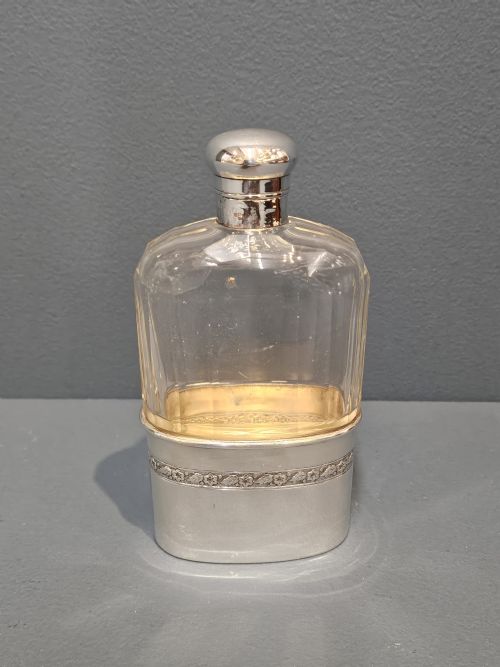


Victorian Liquor Decanters
Victorian liquor decanters are heavy glass vessels designed to hold spirits, combining security frames like tantaluses with cut crystal and silver mounts.
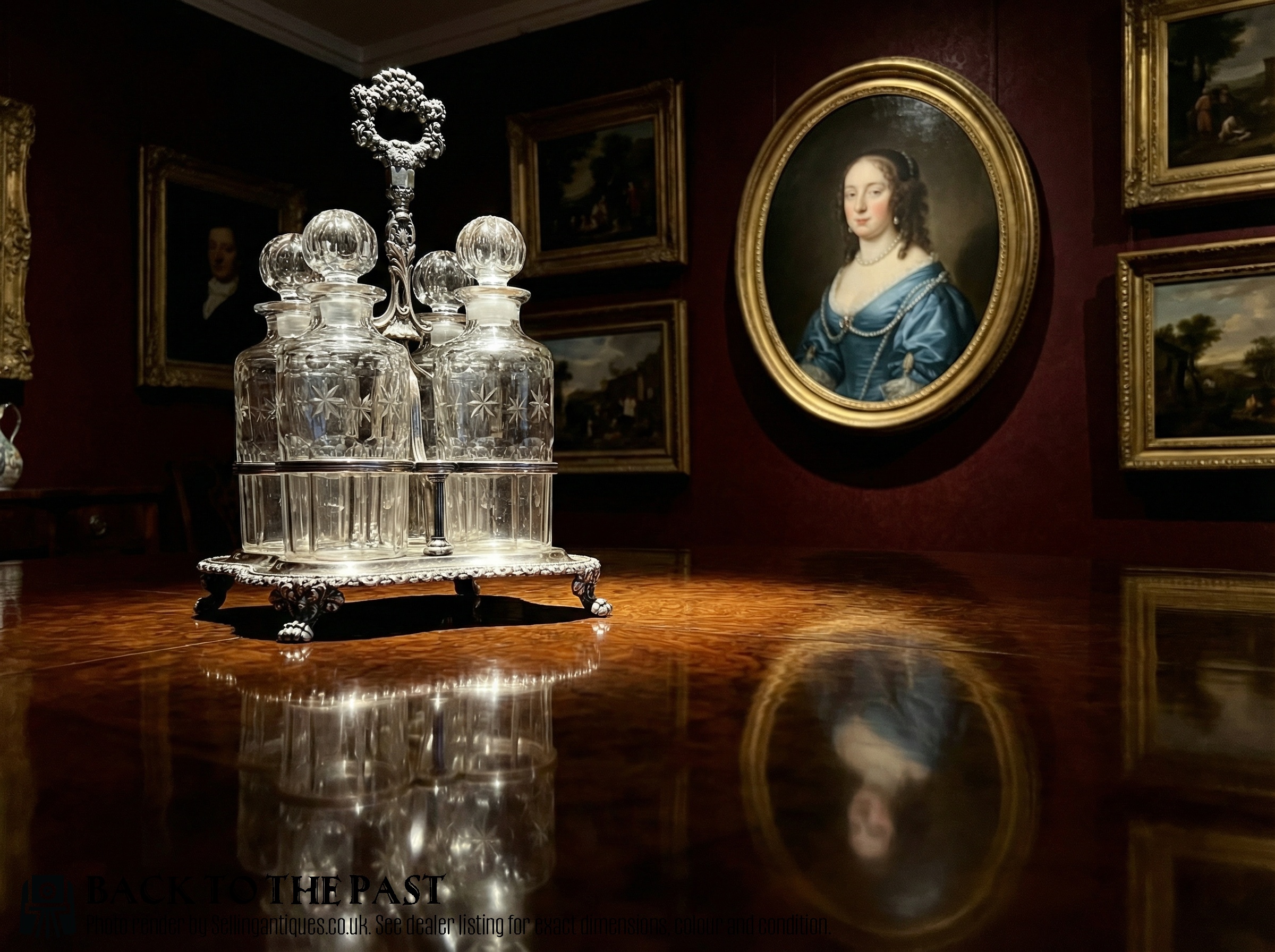
Victorian Liquor Decanters
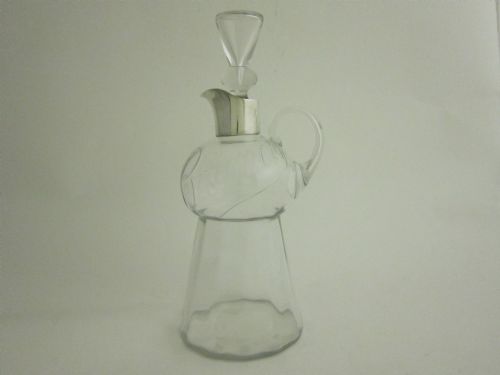
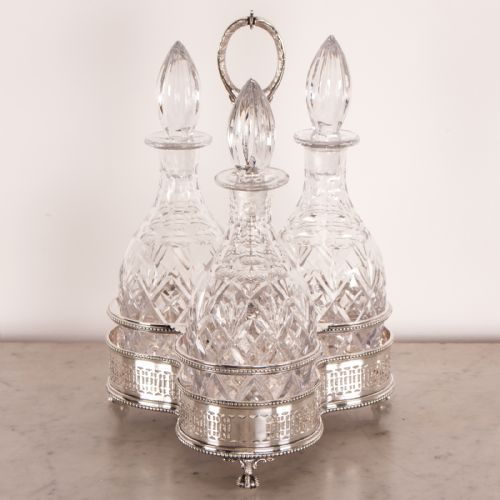
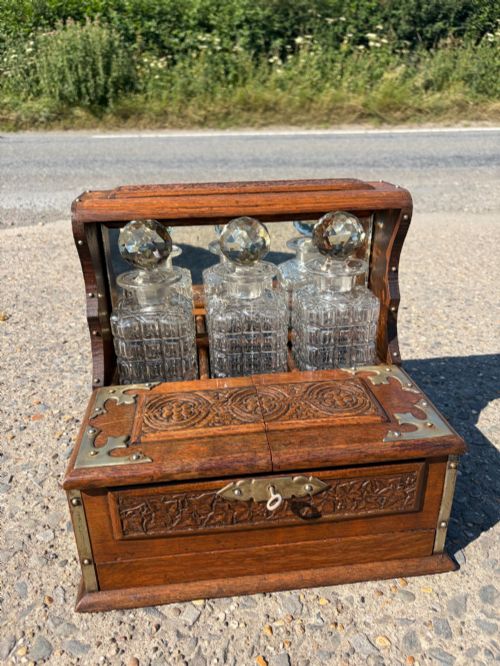
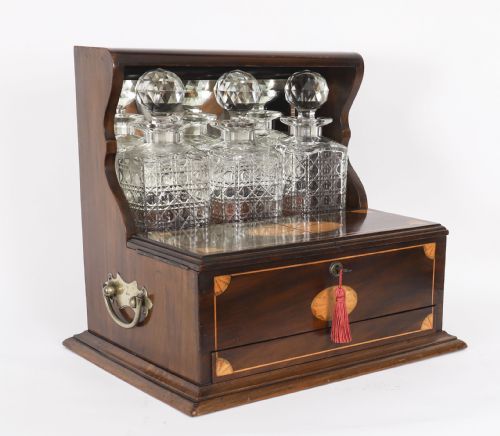
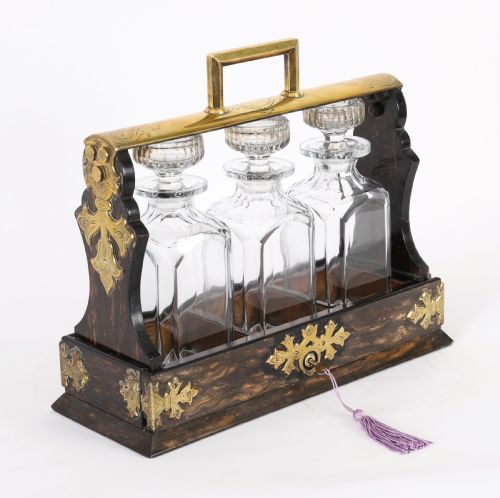
Victorian liquor decanters include standalone glass bottles, pairs of spirit flagons, and complex sets housed in locking tantalus frames. Buyers searching for victorian liquor decanters will frequently find three-bottle tantalus units fitted with cut crystal bottles and brass or silver-plated mounts.
The objects span from the mid nineteenth century through to the Edwardian period, appearing alongside related barware such as spirit dispensers, barrel sets, and inscribed silver bottle labels. Woods like oak, walnut, and coromandel frequently form the chassis of fitted boxes and locking stands.
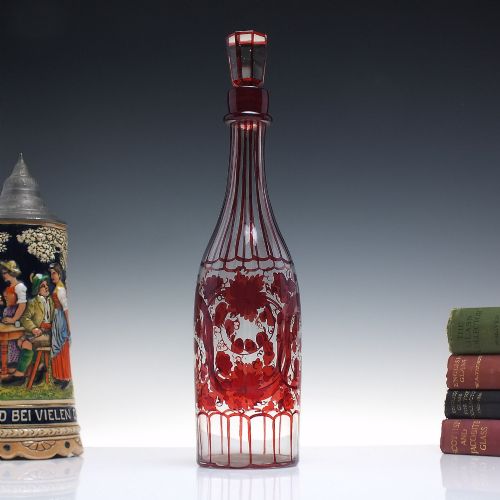
Coloured glass variants, notably ruby, green, and cranberry overlay shades, sit alongside clear cut crystal examples. Many items incorporate locking mechanisms, sterling silver collars, or brass handles that mark their domestic use in nineteenth-century dining rooms and libraries.
Materials and Construction
Makers shaped heavy flint glass and crystal by hand, utilising deep cutting, wheel engraving, and enamel painting to decorate the bodies of the decanters. Overlay techniques layered coloured glass over clear bases before technicians cut through the outer stratum to expose patterns beneath.
Carpenters built housing frames and tantalus boxes from dense hardwoods such as pollard oak, walnut, and coromandel, often finishing the surfaces with marquetry stringing and brass mounts. Silversmiths cast and hammered sterling silver or silver plate for bottle labels, collars, and locking hardware.
A locking tantalus successfully kept the brandy safe from thirsty but honest Victorian housemaids.
Distinctions in Standard
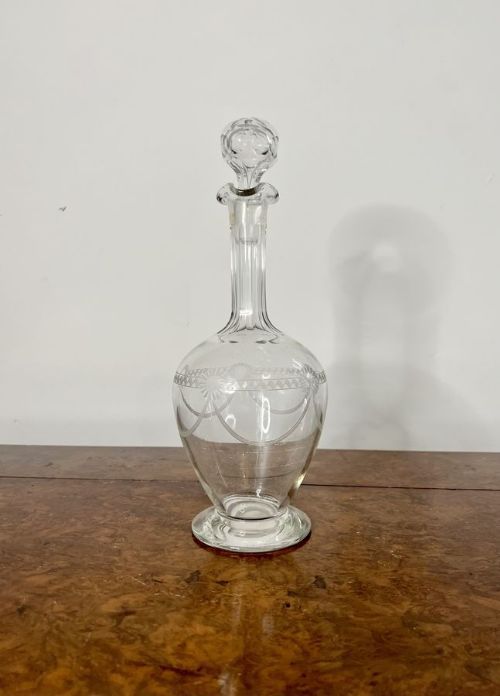
Quality rests upon the crispness of the glass cutting and the weight of the crystal bottles. Superior examples display deep, sharp facets and clear ring when struck, whereas lesser pieces show soft edges or surface ripples from simpler moulding techniques.
The joinery and hardware dictate the standard of the enclosing furniture. Fine tantalus units deploy substantial brass lock mechanisms, solid silver mounts, and figured timbers with precise inlay, distinguishing them from basic utilitarian frames.
Walker And Hall·Elkington
The Victorian Liquor Decanters Glossary
- Tantalus
- A locking wooden security frame designed to hold decanters upright while preventing the removal of the bottles without a key. The apparatus displays the contents visibly while keeping the spirits secure from servants or guests.
- Decanter label
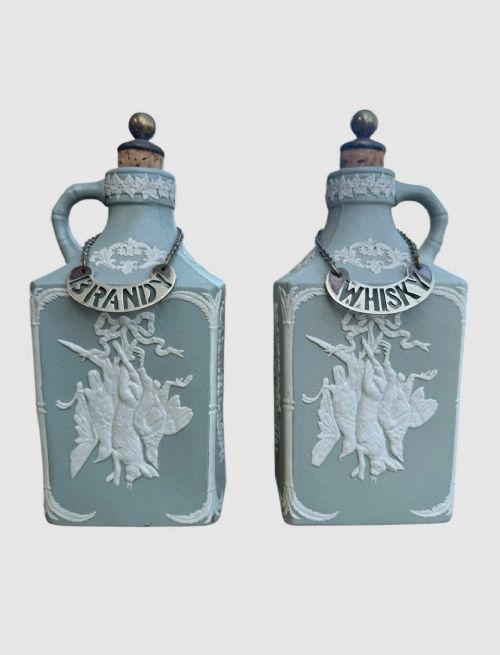
- A small silver or plated tag suspended by a chain around the neck of the bottle to identify the contents. These items are often hallmarked and inscribed with titles such as sherry, madeira, or brandy.
- Cut crystal
- Glass containing lead oxide that is heavily faceted by grinding wheels to refract light. The high lead content creates a heavier vessel with exceptional clarity and brilliance.
- Cranberry glass
- A transparent red-pink glass produced by adding gold chloride to the molten batch. It is frequently seen in Victorian tablewares and spirit decanters.
- Coromandel
- A dense, dark cabinet wood imported from Asia with contrasting light and dark figuring. Cabinetmakers utilised this exotic timber for luxury Victorian decanter boxes and tantalus frames.
Victorian Liquor Decanters: Frequently Asked Questions
How do you open a tantalus?
Most antique tantaluses require a working key to unlock the top metal retaining bar, which then swings or lifts upward to release the decanters from their fitted slots.
Without the original key, opening the mechanism safely requires a specialist locksmith who understands nineteenth-century spring-loaded locks.
What were spirit dispensers used for?
Spirit dispensers held daily household quantities of gin, whisky, or brandy on sideboards and bar cabinets for easy pouring during evening gatherings.
They frequently rested in metal stands alongside tot pails or drinking glasses for convenient home hospitality.
How do I clean old decanters?
Cleaning historical glass requires warm water and mild detergent, avoiding harsh abrasives that might scratch the delicate surface or damage original gilding.
Stubborn interior residue responds best to traditional methods using lead shot or specialised cleaning beads combined with gentle swirling.
Are bottle labels marked?
Many silver decanter labels carry town assay marks, maker stamps, and date letters stamped directly onto the reverse or edge of the metal. These small hallmarks indicate the exact English city and year of manufacture.