




Vintage Dancer Statue
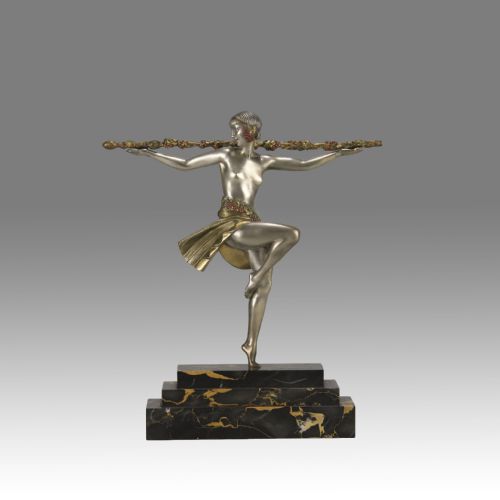
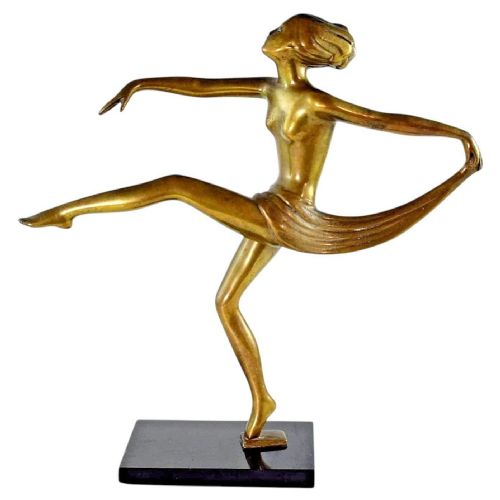
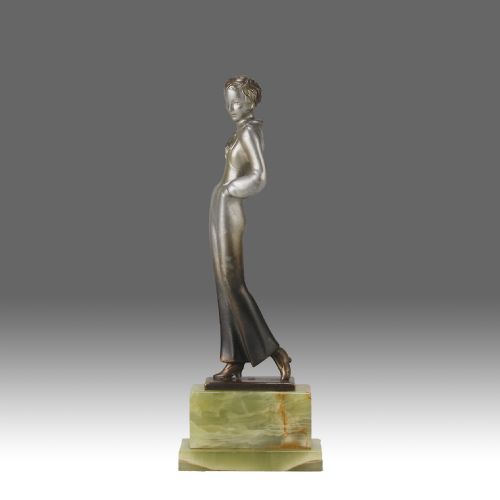
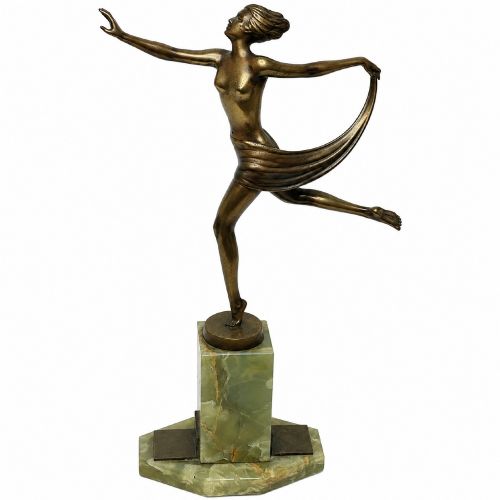
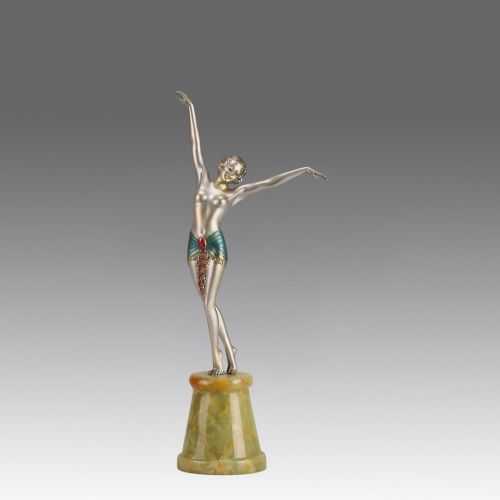
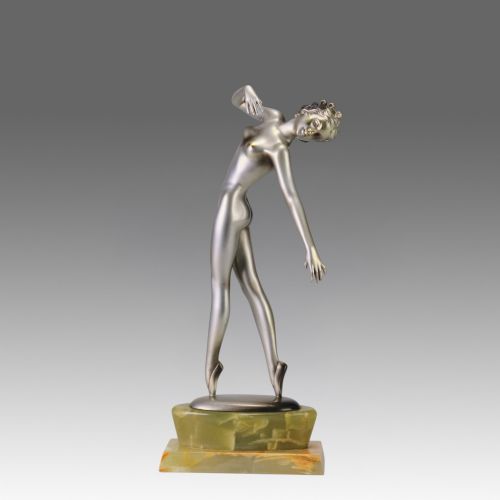
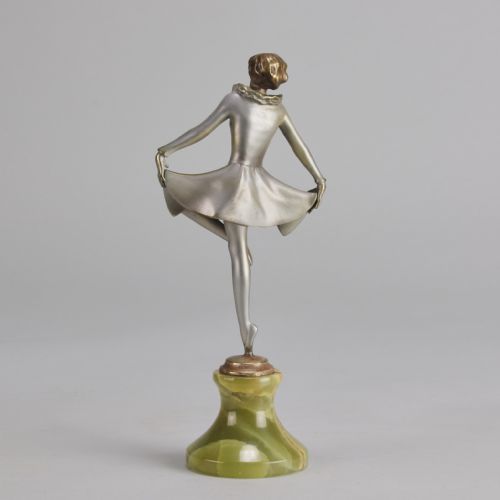
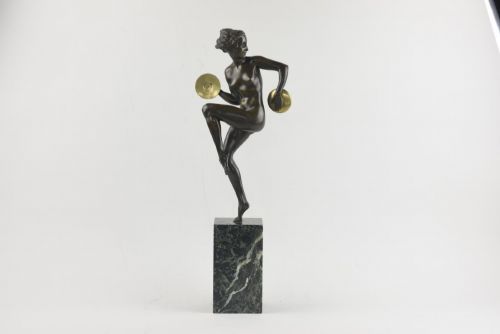
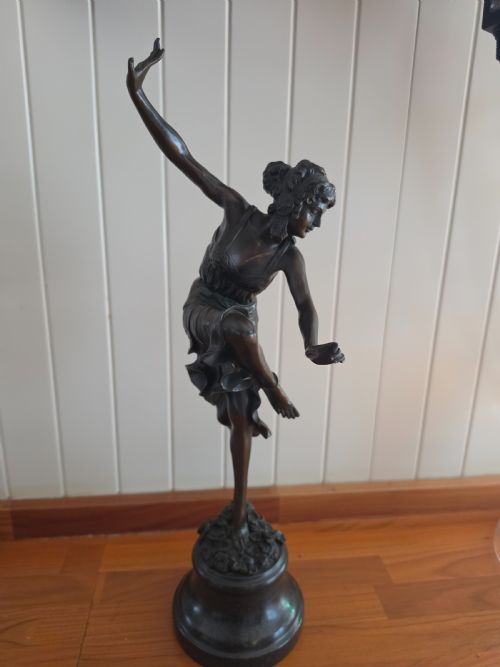
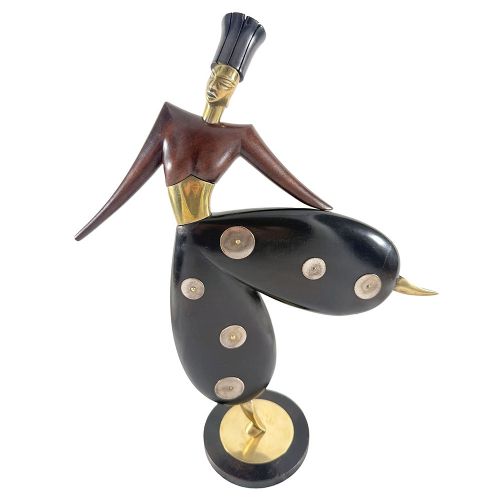
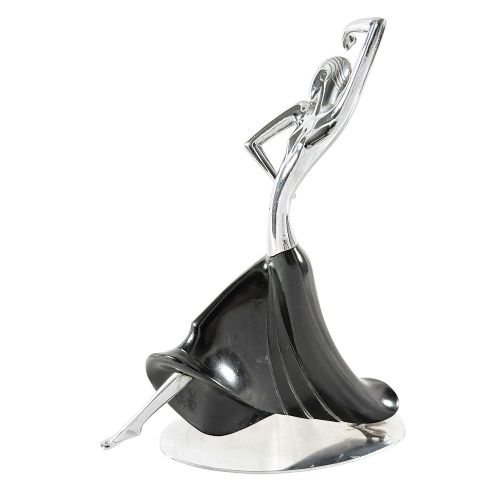
These figures capture movement in bronze, spelter, and marble, making a vintage dancer statue a striking focal point for any interior.
Vintage Dancer Statue
When you search for a vintage dancer statue, you encounter sculptural works capturing movement, gesture, and grace from the early twentieth century. The majority of pieces on this page originate from the 1920s and 1930s, embodying the distinct energy of the Art Deco period.
Formats range from solid metal table sculptures and porcelain figurines to functional items such as table lamps and table lighters. Figures often depict female dancers in dynamic poses, drawing inspiration from ballet, cabaret, and exotic performances of the era.
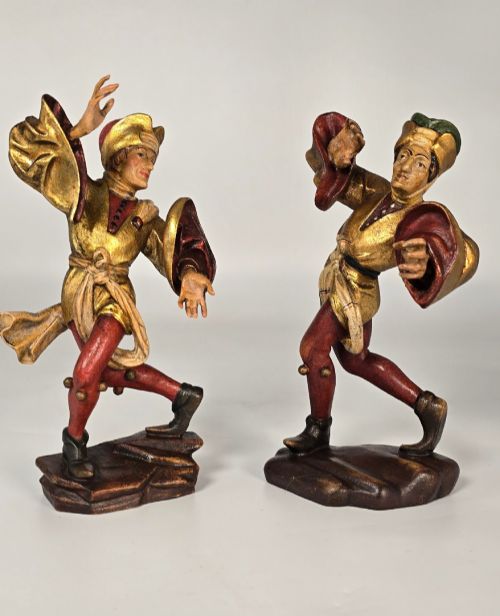
Materials vary widely, shifting from heavy patinated and cold-painted bronzes to more affordable spelter, carved limewood, and alabaster. Many of these figures stand upon integral plinths or stepped bases made from contrasting marble and onyx.
How they were made
Foundry workers cast many of these metal pieces using the lost-wax method, capturing intricate details in bronze before applying patination, silvering, or cold-painted pigments by hand.
Alternative manufacturing utilised spelter and painted metal for cost-effective production, often paired with heavy stone bases like marble or onyx to anchor the dynamic postures of the figures.
Carvers shaped organic materials like limewood and alabaster by hand, while ceramic and porcelain versions underwent high-temperature firing and hand-glazing in specialised European potteries.
Listings feature works spanning three distinct decades, utilising materials from bronze and marble to carved limewood and porcelain.
What varies in quality
The choice of base materials dictates a tier of distinction, with dense multi-coloured marble and onyx plinths elevating the presence of the sculpture. In chryselephantine works, the integration of carved ivory elements alongside metal adds a layer of artisanal complexity.
Signatures and foundry markings from recognised sculptors distinguish exceptional pieces from unsigned workshop editions. The quality of the cold-painted surface or applied gilt finish also determines the visual depth and preservation of the artwork.
Pierre le Faguays·Josef Lorenzl·C J R Colinet·Demetre H Chiparus·Paul Philippe
The Vintage Dancer Statue Glossary
- Spelter
- A zinc alloy frequently utilised as a cost-effective alternative to bronze for casting twentieth-century figurines. It accepts patination and paint well, though it is softer than bronze.
- Cold-painted
- A technique where paint is applied to metal sculptures without subsequent firing or heat treatment. This finish can show delicate surface details but is susceptible to chipping over time.
- Chryselephantine
- A term describing statues created from a combination of bronze and ivory. Artists used this method to render realistic flesh tones alongside metallic garments.
- Patinated
- Treated chemically to produce a specific surface colour or aged finish on metal. This coating protects the underlying bronze or metal while enhancing visual contrast.
- Onyx
- A banded variety of chalcedony quartz frequently cut into geometric plinths and bases for figures. Its natural striations provide a polished, decorative foundation for sculptures.
Vintage Dancer Statue: Frequently Asked Questions
What periods do these dancer statues come from?
The pieces listed here predominantly date from the early twentieth century, specifically spanning the 1900s, 1920s, and 1930s. The majority align with the height of the Art Deco movement.
Production during this era embraced modern materials, stylised human forms, and dynamic depictions of movement influenced by contemporary dance and theatre.
How do I identify bronze versus spelter?
Bronze is a heavy, durable copper alloy that typically yields a resonant sound when struck gently and resists magnetic pull. Spelter is a softer zinc-based metal that feels lighter and often shows a greyish interior if the surface finish wears through.
Signatures and cast foundry marks also tend to appear more crisply defined on genuine bronze editions.
How were these figures displayed originally?
Many of these sculptures were designed as standalone ornamental centrepieces for mantelpieces, sideboards, and display cabinets in affluent homes. Some dual-purpose designs incorporated lighting elements or functional items like table lighters.
Their heavy marble or onyx bases ensured stability despite the cantilevered, leaning postures of the dancing figures.
Are all the figures signed by artists?
Many works bear the etched or cast signature of prominent sculptors on the metal body or stone base. However, numerous commercial workshop pieces and unsigned editions were produced for the broader market without artist attribution.
Unsigned pieces can still display high manufacturing quality and stylistic adherence to major design movements.
What materials are used for the bases?
Bases are frequently constructed from heavy natural stones such as marble and onyx, cut into stepped or geometric Art Deco profiles. These dense mineral plinths provide essential counterweight for figures caught in mid-motion.
Some examples also utilise carved wood, alabaster, or simple metal mounts depending on the originating workshop.