

Vintage Cut Glass Bowl
A vintage cut glass bowl brings heavy refraction and crisp table presence to a room, offering both decorative weight and utility.
Vintage Cut Glass Bowl
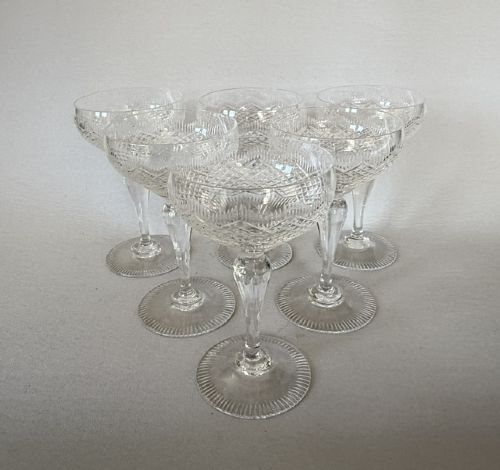
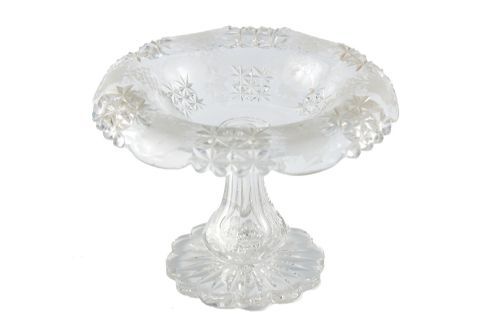
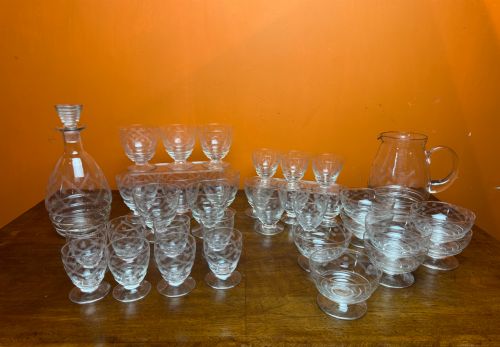
A vintage cut glass bowl encompasses a broad range of vessels designed for serving, display, and domestic use, spanning from the Victorian and Edwardian eras into the Art Deco period. Buyers seeking this phrase encounter everything from deep fruit bowls and pedestal comports to smaller trinket dishes and table centrepieces. Origins stretch across English, French, and Belgian workshops, mixing straightforward glass utility with ornamental mounts.
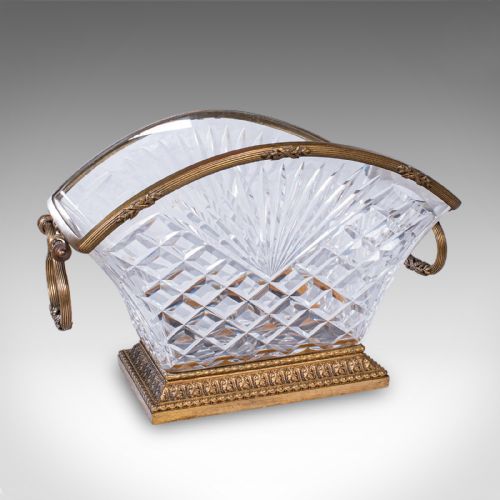
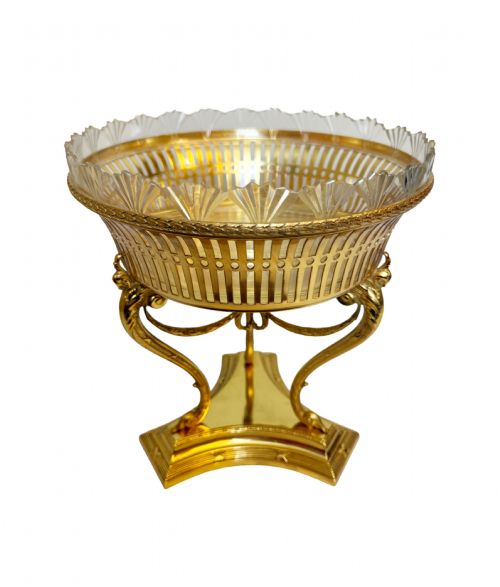
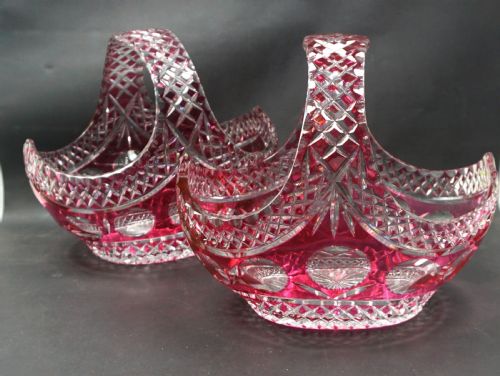
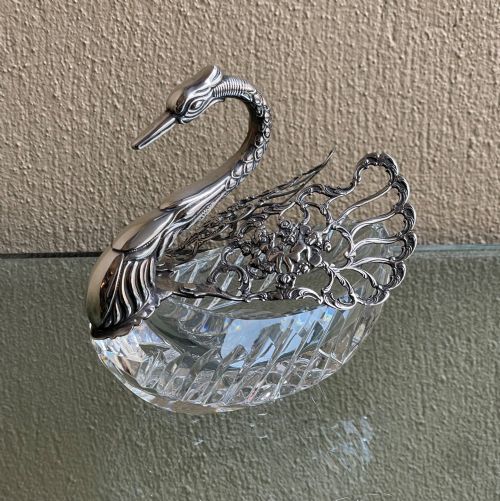
The heavy presence of lead crystal and heavy-walled glass defines the category, often paired with sterling silver, silver plate, or gilt bronze mounts. Pieces range from simple utilitarian serving dishes to elaborate table centrepieces set in metal frames. Forms vary from footed baskets and lidded pots to wide open bowls meant to catch the light.
How they were made
Makers shaped these pieces through a combination of hand-blowing and wheel-cutting, applying deep facets, flutes, and cross-hatching to heavy lead crystal or clear glass blanks. Coloured glass items often utilised layered crystal techniques, casing clear glass beneath coloured overlayers to allow precise cutting down to the base metal. Metal mounts in brass, ormolu, or sterling silver were then fitted to the rims and bases.
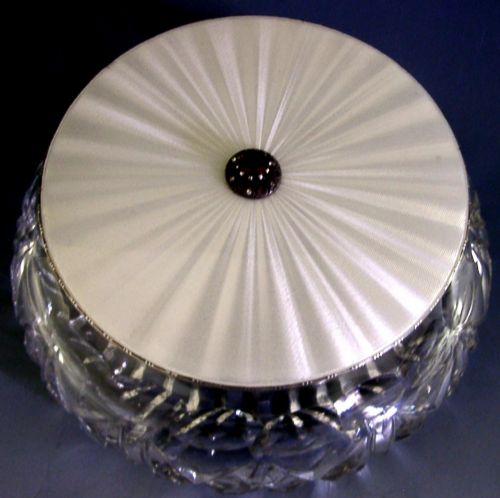
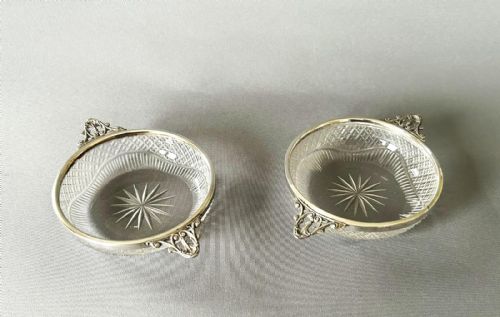
Finishing involved hand-polishing the cut facets to achieve high transparency and sharp refractive edges, sometimes accompanied by engraved or enamelled surface details. Silver rims, swing handles, and applied enamel tops bore assay marks or maker signatures, linking the glass body securely to its metal hardware.
Listings span the 19th century through the Art Deco era, uniting lead crystal, sterling silver, and gilt bronze in diverse table forms.
What varies in quality
The clarity and weight of the crystal set the baseline for quality, separating dense lead crystal blanks with sharp, clean-cut facets from lighter, softer moulded glass. Deeply incised geometric or floral patterns demand greater skill from the cutter than shallow press-moulded impressions. The crispness of the facet edges indicates the precision of the workshop.
The integration of secondary materials dictates the upper tier of pieces. Heavy cast gilt bronze, solid sterling silver rims, and layered over-crystal colour schemes show higher ambition than simple silver-plated or plain glass iterations. Intact enamel work and secure, original metal mounts complete the standard of a superior piece.
Val St Lambert·Joseph Simon
The Vintage Cut Glass Bowl Glossary
- Lead crystal
- Glass containing a significant percentage of lead oxide, which increases the weight, refractive index, and clarity of the material. This composition allows for deeper, sharper facet cutting.
- Comport
- A shallow decorative bowl raised on a pedestal foot, traditionally used for serving fruit or sweets on a dining table. These pieces often feature extensive wheel-cut decoration.
- Plafonnier
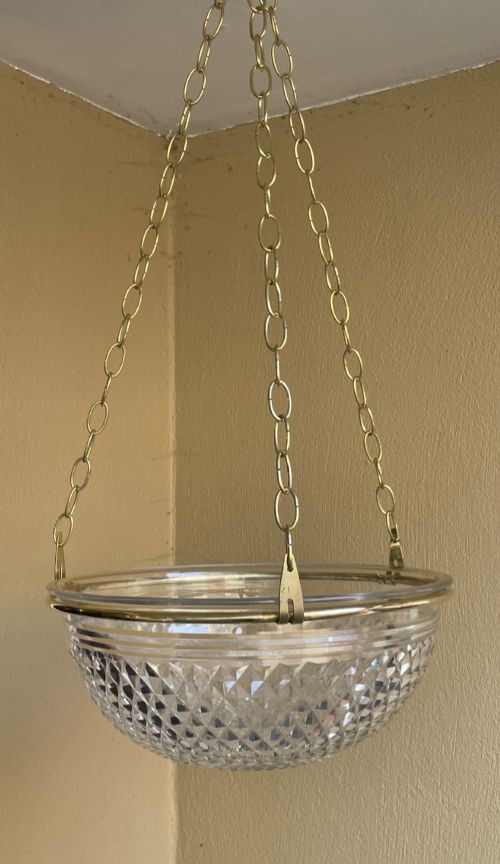
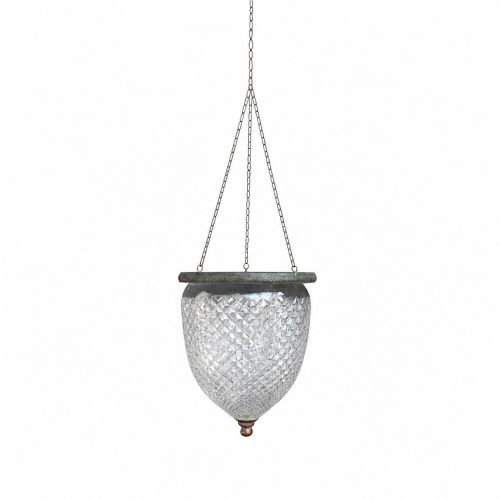
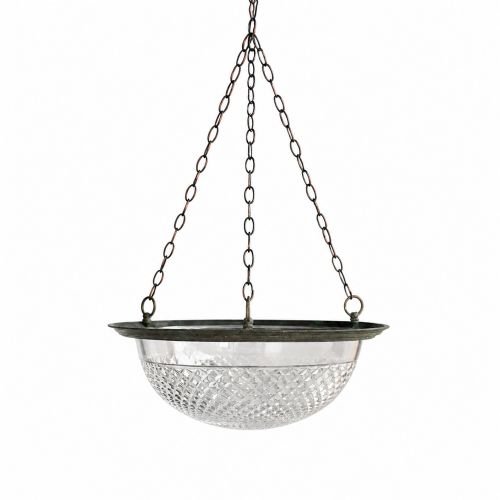
- A ceiling-mounted bowl light fitting, frequently fashioned from cut or frosted glass held by metal hardware. These fixtures diffuse light across interiors from an overhead position.
- Ormolu
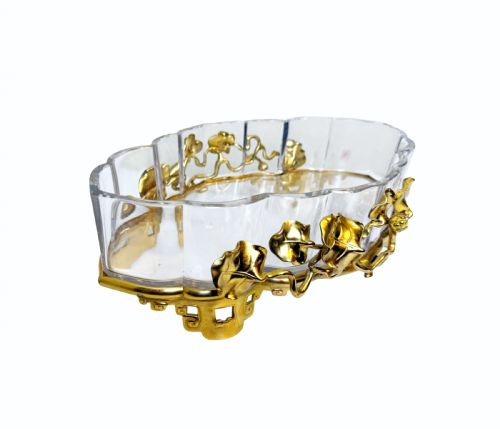
- Gilded bronze mounts and frames applied to glass bodies, popular in French decorative arts. This technique adds structural weight and ornamental framing to the vessel.
- Over crystal
- Glass formed by fusing a layer of coloured glass over a clear crystal core. Cutters grind through the outer layer to expose the contrasting clear glass underneath.
Vintage Cut Glass Bowl: Frequently Asked Questions
How do I clean an antique cut glass bowl?
Wash the vessel by hand in warm, soapy water using a soft cloth, avoiding harsh scouring pads that might scratch the surface. Dry it immediately with a lint-free towel to maintain the clarity of the cut facets.
Take extra care if the piece includes sterling silver mounts, enamel panels, or gilt bronze frames, keeping moisture away from vulnerable joints and applied decoration.
What were these bowls originally used for?
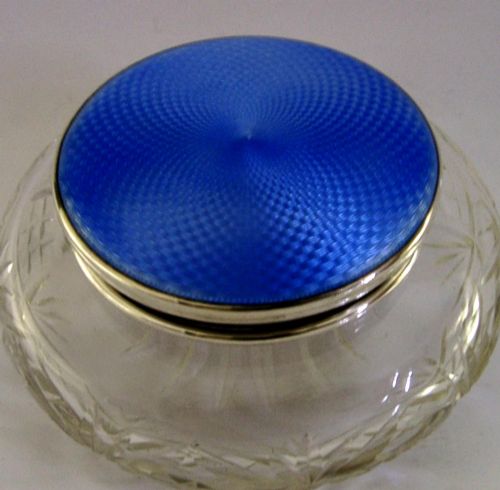
These vessels served various domestic functions, from holding fruit and condiments on dining tables to containing floating flowers in large centrepieces. Smaller covered versions held trinkets or powder on dressing tables.
Heavier footed bowls functioned as comports for formal dessert courses, while open shallow dishes accommodated daily service in Victorian and Edwardian households.
How can I tell Victorian pieces from Art Deco ones?
Victorian examples tend to display heavy, ornate floral engraving, deep hobnail cutting, and elaborate silver-plated or sterling mounts. They often feature pedestal bases and traditional forms intended for formal dining.
Art Deco items lean towards sharp geometric facets, streamlined silhouettes, and striking combinations of coloured over-crystal with blue enamel or chrome-finished metal tops.
Are coloured glass bowls rarer than clear ones?
Coloured variations, particularly layered over-crystal designs in cobalt blue, green, or cranberry, were produced in smaller quantities than standard clear lead crystal. These pieces required specialised multi-layer glassblowing techniques.
While clear cut glass dominates everyday finds, specific coloured hues and signed factory pieces command distinct attention from collectors.