
Vintage Curio Cabinet
These vintage curio cabinet examples house precious objects behind glass, bringing polished timber and refined display into modern rooms.
Vintage Curio Cabinet
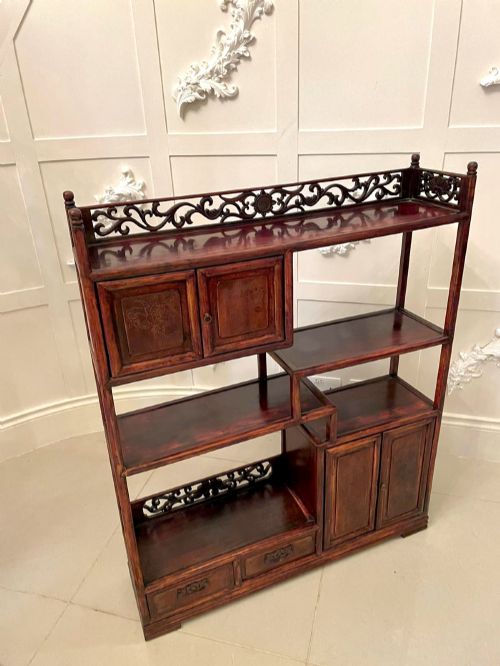
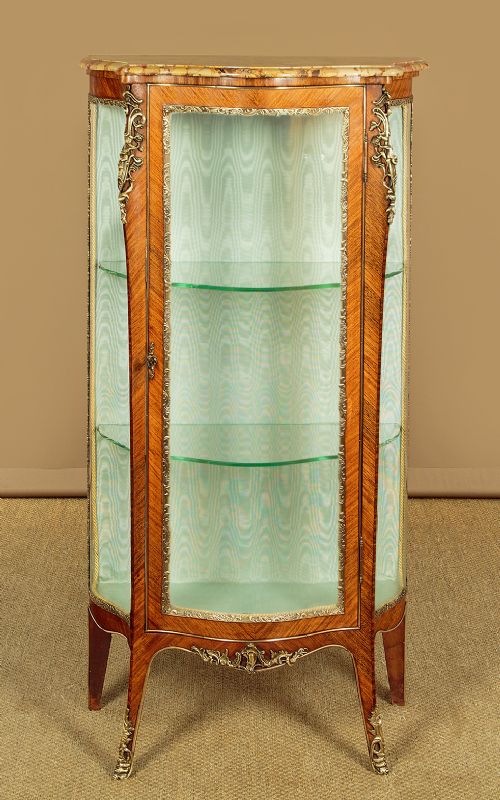
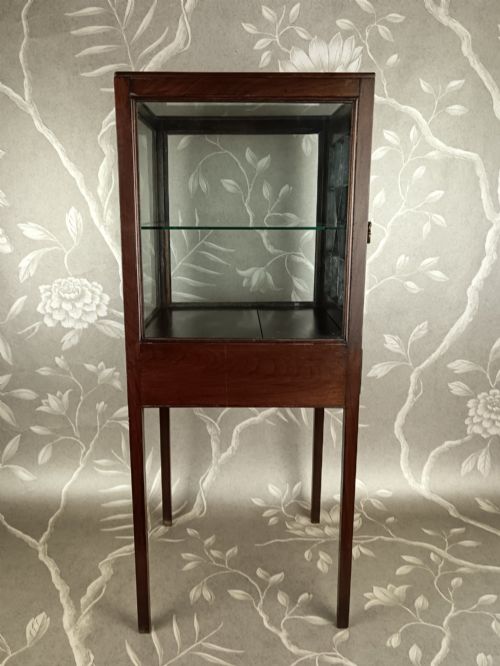
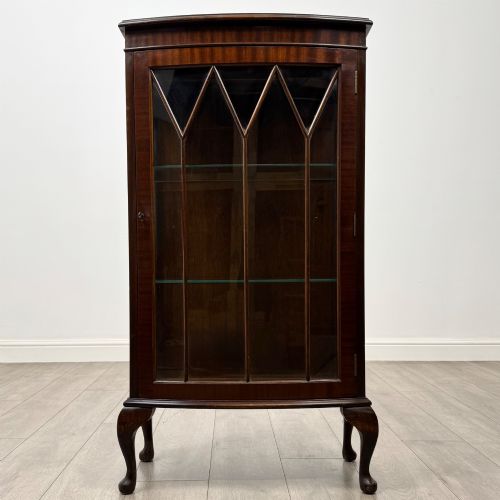
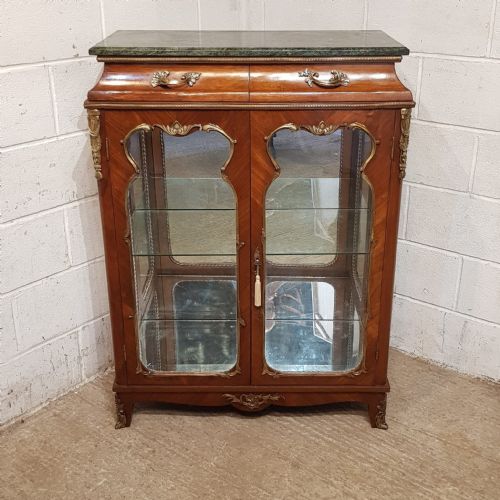
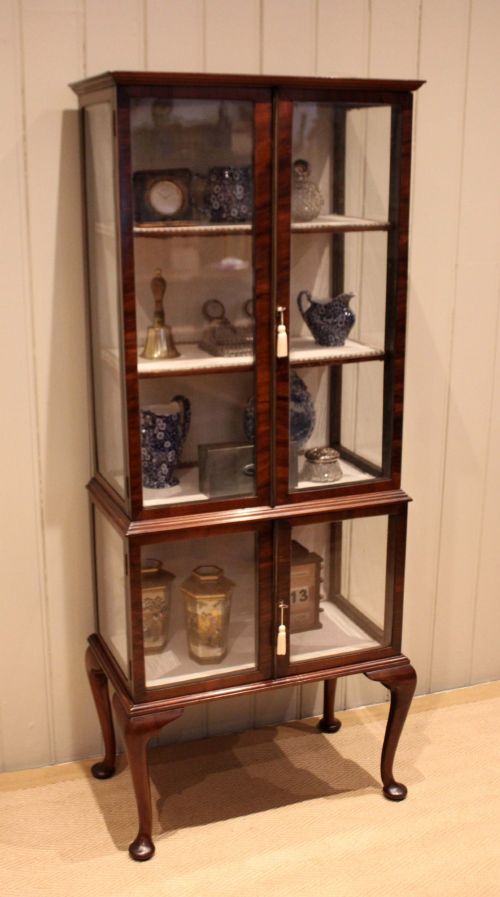
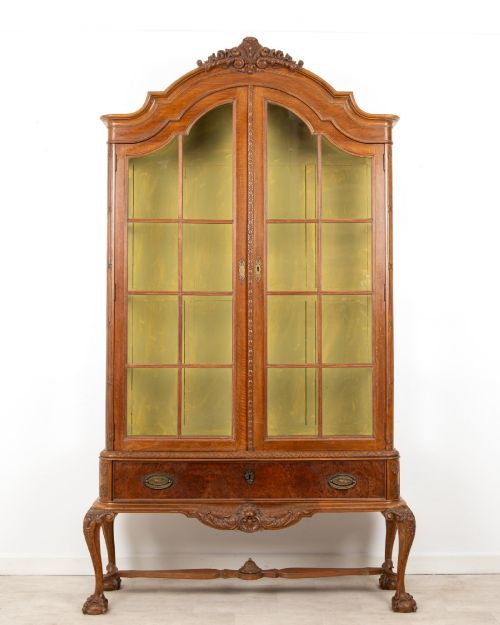
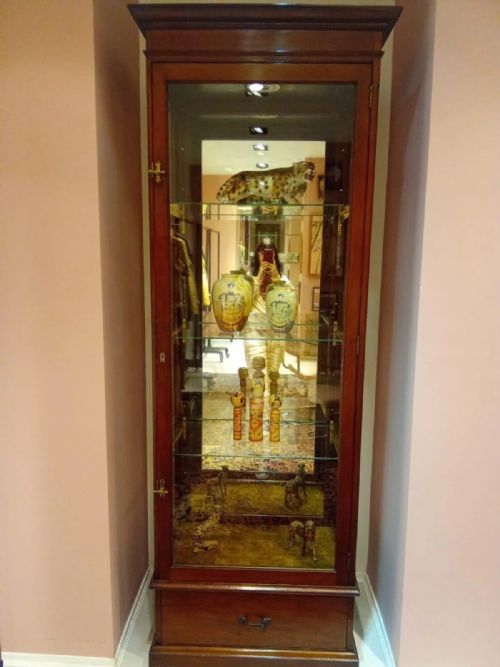
A vintage curio cabinet serves to exhibit small treasures, precious artefacts and decorative items securely behind glass panels. When searching for a vintage curio cabinet, buyers encounter diverse forms ranging from tall standing vitrines to low table-top cases and wall-mounted cupboards.
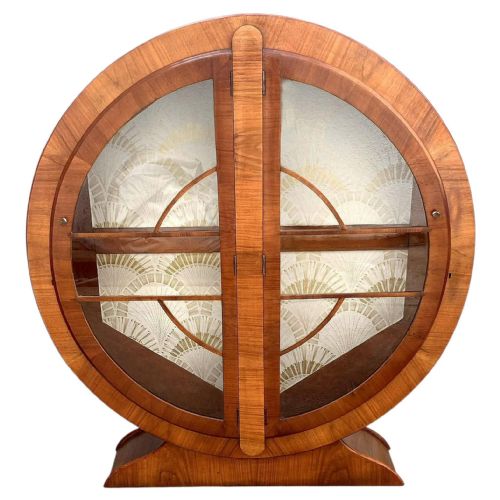
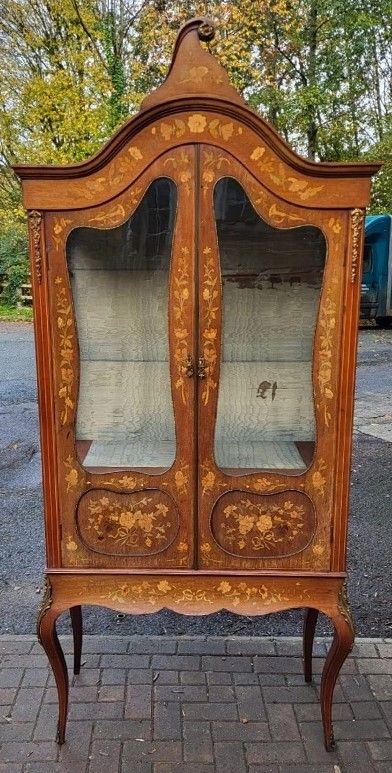
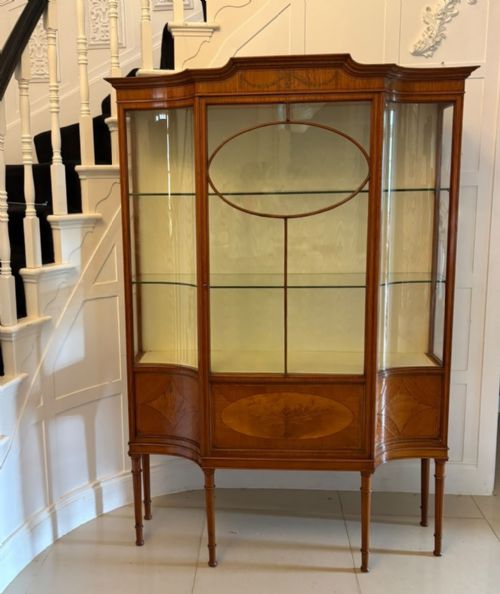
The pieces appearing on this page span several decades and stylistic revivals, with Edwardian inlaid mahogany models and 1930s Art Deco walnut circular designs appearing most frequently alongside Victorian and French-influenced examples.
Materials and construction
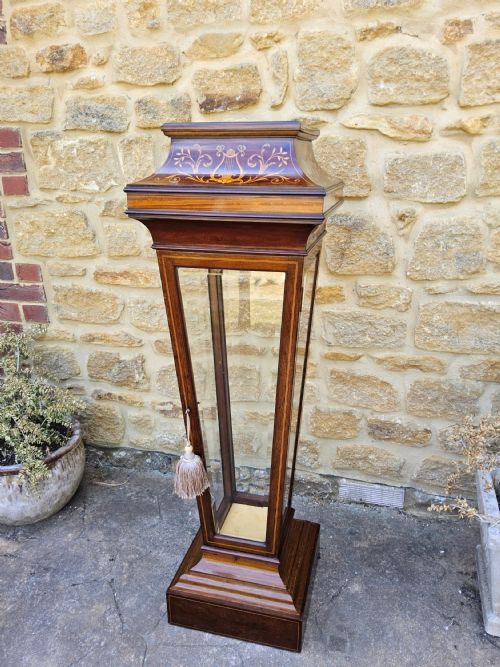
Cabinet makers utilised dense timber foundations such as mahogany, walnut and satinwood, frequently embellishing surfaces with delicate fruitwood marquetry, brass mounts or ebonised details. Glass forms the primary viewing panels for doors and sides, supported occasionally by internal adjustable shelves.
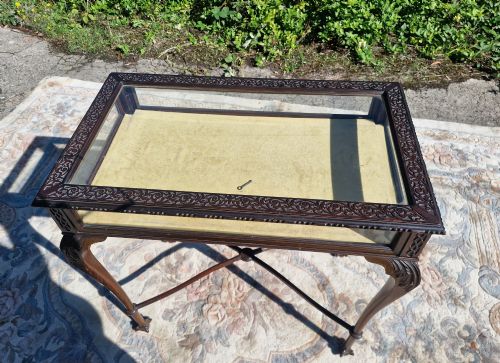
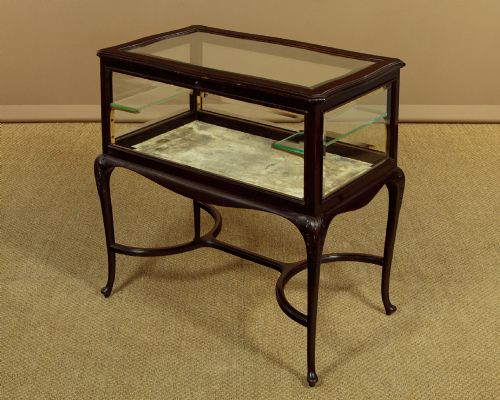
Table-style variants often incorporate glazed hinged lids above velvet-lined interiors to present smaller collectors' items like medals or jewellery clearly.
Current selections encompass Edwardian, Victorian and Art Deco eras, featuring mahogany, walnut, satinwood, and brass.
Assessing craftsmanship and finish
Superior examples distinguish themselves through crisp carving, precise wood inlay work, and well-balanced proportions that integrate structural integrity with decorative elegance. Finer cabinets display harmonious grain matching across walnut or mahogany veneers and retain original bevelled glass panes.
The sophistication of the internal lining materials and the precision of the joinery mark the division between standard workshop production and high-status commissions.
Rurka
The Vintage Curio Cabinet Glossary
- Vitrine
- A glass-sided display cabinet designed primarily for the exhibition of porcelain, curios and fine objects. These tall or pedestal-mounted cases protect contents from dust while offering all-around visibility.
- Bijouterie table
- A specialised display table featuring a glazed top and a shallow velvet-lined interior. They were originally used in drawing rooms for laying out personal ornaments and small collectables.
- Marquetry
- Decorative veneer work formed by fitting together small pieces of tinted wood, shell or ivory to create pictorial or geometric patterns on cabinet surfaces. This technique adds considerable visual texture to Edwardian and Victorian furniture.
- Serpentine front
- A furniture front curved in a wave-like shape, presenting a convex central section flanked by concave curves. This configuration requires high skill from the cabinet maker.
Vintage Curio Cabinet: Frequently Asked Questions
What is the difference between a vitrine and a bijouterie table?
A vitrine stands upright with vertical glass doors and shelves for displaying porcelain and decorative objects at eye level.
In contrast, a bijouterie table sits lower with a horizontal glazed top, allowing viewers to look down onto items arranged inside a shallow compartment.
How do I care for wooden display furniture?
Keep wooden cabinets out of direct sunlight to prevent the timber veneers and internal fabrics from fading over time.
Apply high-quality beeswax sparingly to nourish polished mahogany or walnut surfaces without building up heavy residues.
Where should I place a wall-hanging display case?
Wall-mounted cabinets require secure fixings into structural wall studs because heavy timber frames and glass panels carry considerable weight.
Position them at eye level in reception rooms or hallways where delicate contents remain safe from accidental knocks.
How do I distinguish Edwardian pieces from Art Deco examples?
Edwardian cabinets typically feature inlaid mahogany, satinwood, carved woodwork and classical revival details influenced by earlier centuries.
Art Deco versions instead showcase figured walnut, circular silhouettes, streamlined geometries and minimal ornamentation characteristic of the 1930s.