


Vintage Cream Bed Frame
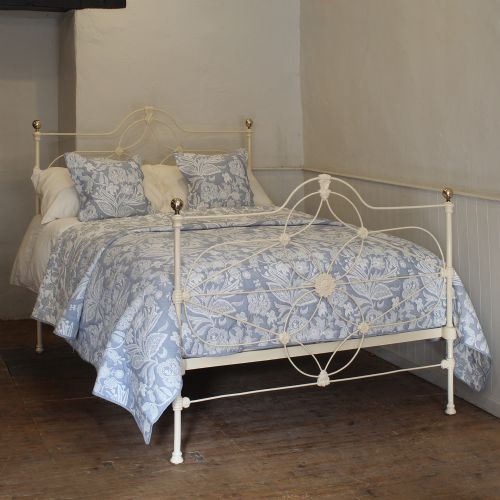
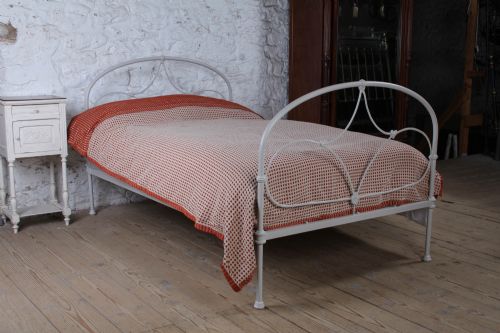
A vintage cream bed frame brings soft period charm to a bedroom, offering sturdy iron or painted wood structures dressed in neutral tones.
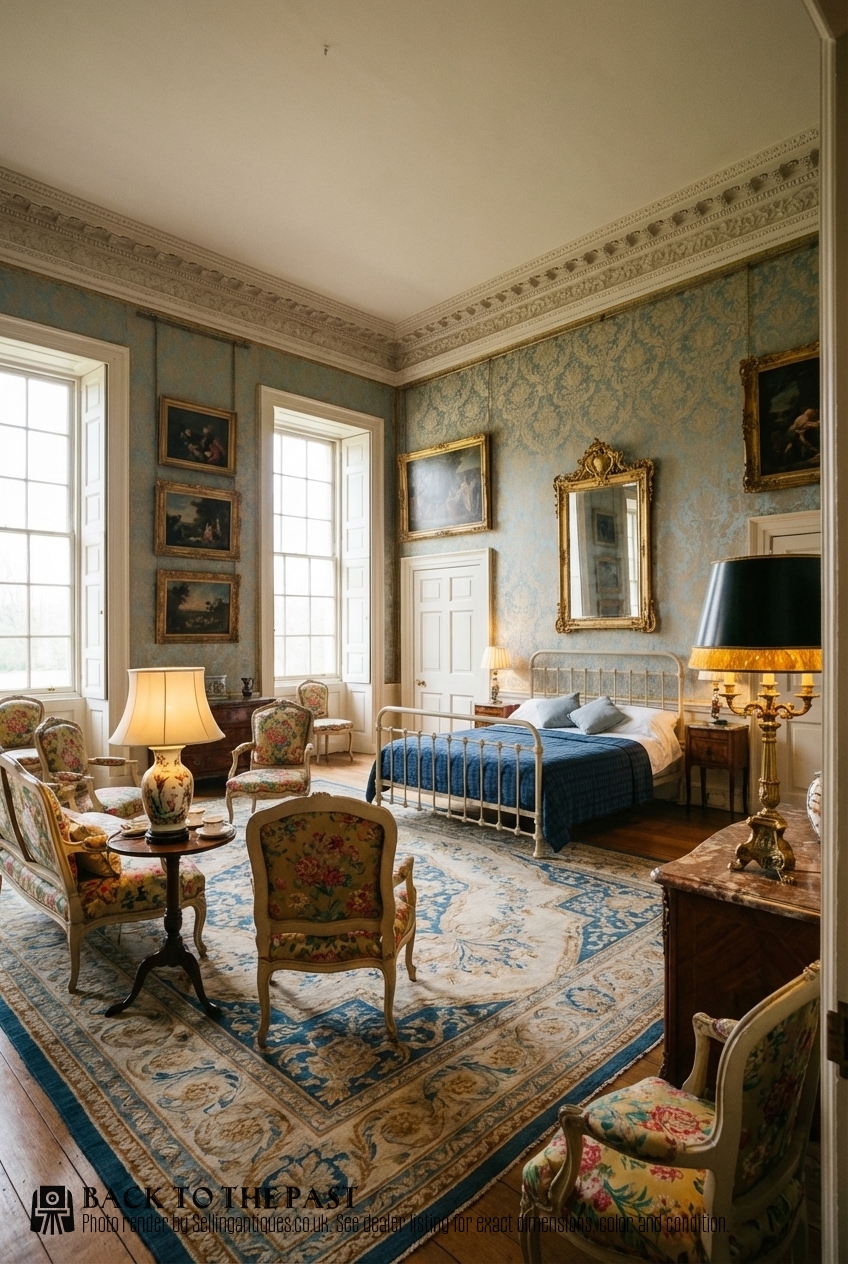
Vintage Cream Bed Frame
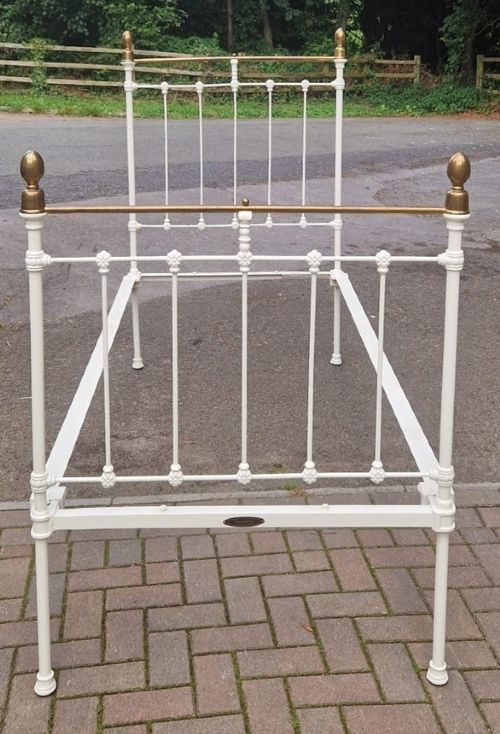
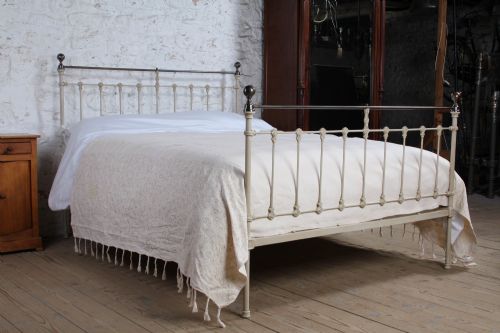
A vintage cream bed frame combines the robust engineering of the nineteenth and early twentieth centuries with lighter painted finishes. Buyers encounter everything from compact single iron frames to expansive French super king beds and daybeds.
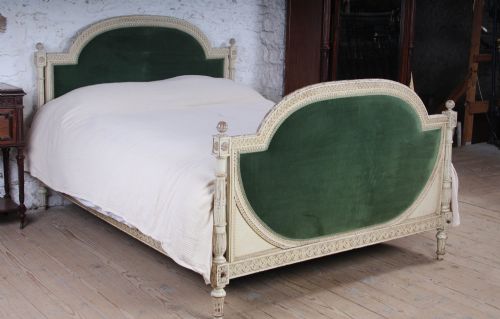
The selection ranges across Victorian, Edwardian, and Art Deco periods alongside French provincial and Louis styles. Frames often feature painted timber, cast iron, or brass components finished in soft ivory and cream hues.
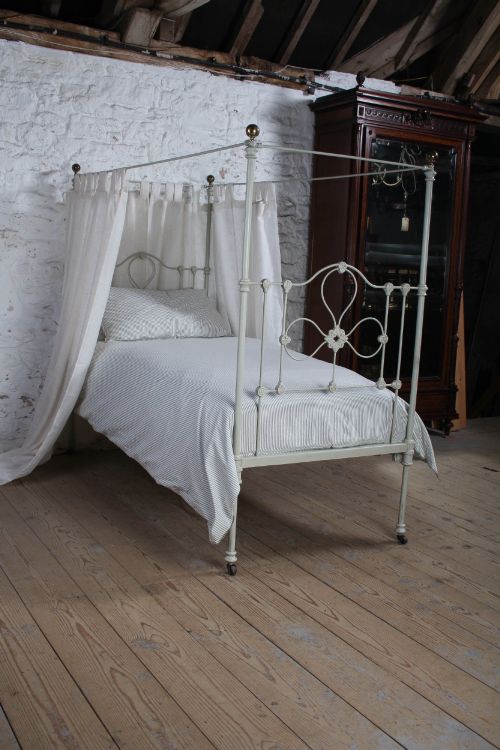
Formats vary from standard double and king sizes to specialised platform beds, half testers, and four poster structures. Many examples incorporate caned panels, upholstered headboards, or carved wooden details typical of continental workshops.
How they were made
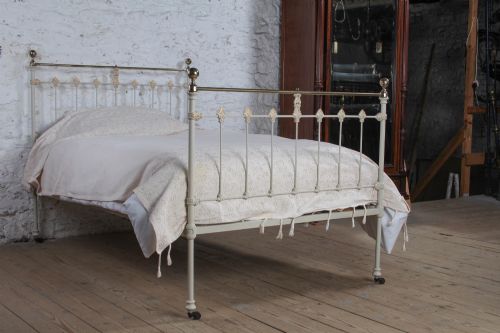
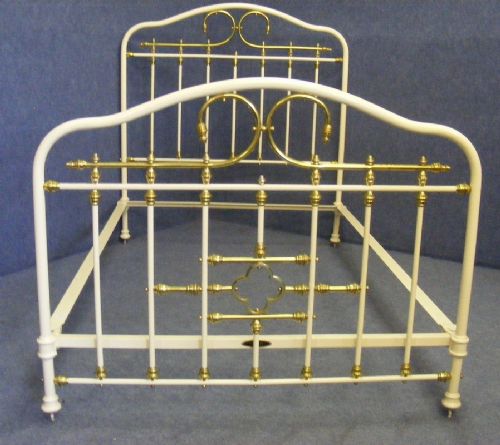
Metal frames rely on durable cast iron and wrought iron, frequently paired with polished brass fittings and knobs. Foundries cast structural components separately before bolting or slotting the side rails together.
Wooden frames utilise solid timber, which artisans carved, painted, or gilded before applying upholstery or woven cane panels. Paint finishes required multiple layers over primed wood to achieve the enduring cream or ivory surface.
Upholstered models integrate fabric, leather, or cane inserts secured into carved wooden frames using traditional tacking and joining methods.
Listings feature periods spanning from the 1870s through the 1930s, incorporating Victorian, Edwardian, Art Deco, and French provincial styles.
What varies in quality
Construction robustness dictates longevity, distinguishing solid iron castings and dense hardwood frames from lighter, simpler builds. The weight and thickness of the metal or timber frame determine overall structural stability.
Artisanal detail separates standard pieces from exceptional examples. Finer frames display hand-carved woodwork, intricate brass detailing, or careful painting rather than mass-produced ornamentation.
The integrity of integrated elements like cane work, upholstery webbing, and original joint fittings shapes the condition and execution of the piece.
R W Winfield·Howard & Sons
The Vintage Cream Bed Frame Glossary
- Bedstead
- A framework of a bed supporting the mattress and springs. It usually includes headboards and footboards.
- Corbeille
- A French style of bed featuring a curved, enveloping headboard and footboard resembling a basket. This shape wraps around the sleeper for a cosy enclosure.
- Half tester
- A bed with a partial canopy extending only partway over the head of the bed. It provides a decorative overhead feature without a full four-poster structure.
- Daybed
- A piece of furniture serving as a couch by day and a bed by night. These often include upholstered backs and single mattress platforms.
- Caning
- Woven rattan material used to create open, patterned panels within headboards and footboards. It offers lightweight breathability and textural contrast to painted wood.
Vintage Cream Bed Frame: Frequently Asked Questions
How do I choose the right size?
Check the internal dimensions against your mattress size rather than relying solely on descriptive terms like double or king. Older frames can vary slightly from modern standard mattress dimensions.
Account for the height and width of headboards and footboards, especially if placing the bed in a room with restricted wall space or sloping ceilings.
Are these frames easy to assemble?
Most antique metal and wooden frames utilise slot-in side rails or bolted joints that dismantle into manageable flat sections for transport. You will generally need basic spanners or screwdrivers depending on the hardware.
Two people make assembly straightforward, particularly when aligning heavy iron side rails or large wooden headboard assemblies.
Can I use a modern mattress?
Many vintage frames accommodate modern mattresses, though some older sizes require bespoke or adapted mattress dimensions. Platform bases or modern slatted bases often drop straight into the iron or wooden side rails.
Check whether the listing includes bed bases or slats to determine if additional support elements are needed for your specific mattress type.
How do I date an iron bed?
Examine the casting marks, joint construction, and brass ornamentation styles characteristic of Victorian and Edwardian manufacturing techniques. Simpler cast iron forms often appeared around the turn of the twentieth century.
Heavier brass mounts and distinct foundry stamps usually point towards mid-to-late nineteenth-century production methods.