


Vintage Covered Ceramic Tureen
A vintage covered ceramic tureen brings heavy presence and functional elegance to the table, offering a centrepiece vessel designed to hold hot broths and stews.
Vintage Covered Ceramic Tureen
When you search for a vintage covered ceramic tureen, you encounter large lidded vessels intended for serving soup, sauce, or game pie at formal dining tables. These pieces include distinct matching covers and occasionally retain original ladles or stands.
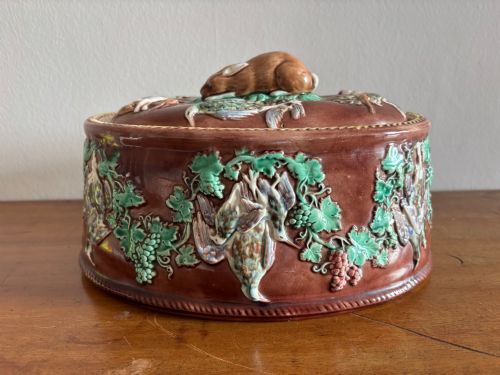
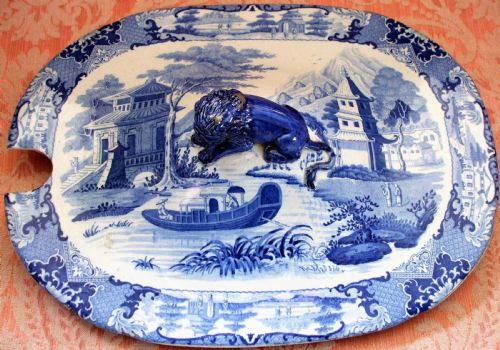
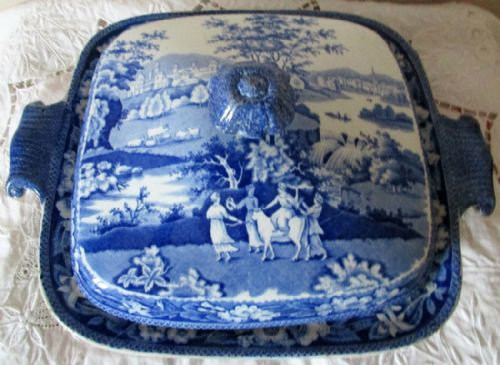
The selections available here lean heavily towards nineteenth-century English earthenware, ironstone, and porcelain, alongside notable Chinese export wares. You will frequently find robust ironstone tureens bearing transfer-printed patterns or rich polychrome glazes.
Forms range from compact sauce tureens intended for individual table additions to substantial soup tureens meant for family service. Many pieces reflect traditional European tastes, while others display distinct Chinoiserie or classical revival influences.
Materials and Manufacturing Techniques
Potters relied on durable earthenware, dense ironstone, and fine porcelain to construct these heavy serving dishes. Earthenware and ironstone bodies provided the structural strength necessary for daily dining use, while porcelain offered a more refined translucent finish.
Decoration often involved blue and white transfer printing, hand-painted polychrome enamel work, and applied gold leaf gilding. Potters sealed these surfaces with clear or tinted glazes before firing the pieces in kilns to achieve a hardwearing lustre.
Some tureens feature whimsical vegetable shapes like asparagus or whole game pies moulded directly into the ceramic clay.
Distinguishing Quality and Craftsmanship
The finest examples display crispness in transfer-printed transfer details or meticulous hand-painting that remains sharp across the entire body and cover. Superior pieces often feature well-modelled handles, finials, and matching stands that integrate seamlessly with the main vessel's design.
Weight, glaze consistency, and the precision with which the cover fits the rim separate superior items from standard utilitarian wares. Ironstone bodies with deep, unblemished glazes and intact gilding represent the higher tier of production.
Robert Hamilton·John and Richard Riley·Coalport or Coalbrookdale·Müller Volkstedt MV Co·Richard Ginori·Mason’s Ironstone China·Ridgways·Copeland and Garrett
The Vintage Covered Ceramic Tureen Glossary
- Ironstone
- A dense, heavy type of earthenware patented in the nineteenth century for its durability and resistance to chipping. It served as a robust alternative to true porcelain.
- Transfer printing
- A decoration technique where an engraved copper plate transfers a design onto paper, which is then stamped onto the unglazed or bisque ceramic body.
- Caneware
- A fine earthenware body coloured to resemble the pale yellowish hue of bamboo or cane. It gained popularity during the late eighteenth and nineteenth centuries for tableware.
- Chinoiserie
- European artistic interpretations of Chinese and East Asian decorative motifs, frequently applied to ceramics through blue and white transfer prints or hand-painted enamels.
Vintage Covered Ceramic Tureen: Frequently Asked Questions
How were tureens used?
These covered vessels sat centrally on the dining table to hold and keep warm soups, stews, sauces, or game pies during formal meals.
Servants or hosts lifted the heavy covers at the table to ladle portions directly into individual bowls for guests.
How do I clean my tureen?
Wash the ceramic body and cover gently by hand using warm water and a mild, non-abrasive washing liquid.
Avoid soaking pieces with old repairs, delicate enamel painted details, or fragile gold leaf gilding to preserve the surface.
Can I use it for serving food?
Many sturdy ironstone and ceramic tureens remain entirely suitable for serving hot food during modern dinner parties.
Older glazed earthenwares should avoid sudden thermal shocks, so warming the vessel slowly with warm water beforehand is advisable.
How do I date these pieces?
Examine the base for impressed maker marks, registered design diamonds, or specific factory stamps that indicate the production era.
Stylistic clues such as transfer print motifs, body weight, and glaze characteristics also help narrow the manufacturing decade.