


Georgian Pottery Covered Tureen
A georgian pottery covered tureen brings the weight of the late eighteenth and early nineteenth centuries directly to the dining table.
Georgian Pottery Covered Tureen
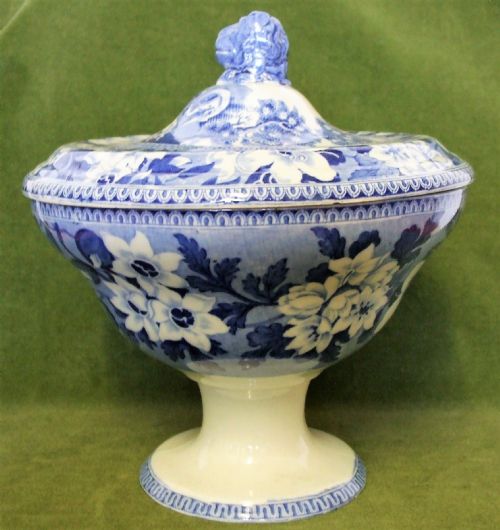
A georgian pottery covered tureen is a vessel designed to hold soups, sauces, or vegetables at the table, complete with its original matching lid. You are looking at servingware originating from the eighteenth and nineteenth centuries, spanning eras often categorised under Georgian and nineteenth-century production. The pieces found here range from individual sauce boats to large vegetable tureens and supper set components.
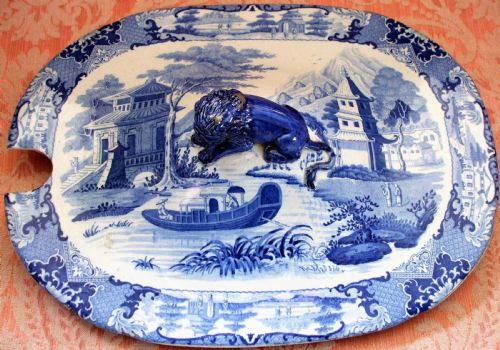
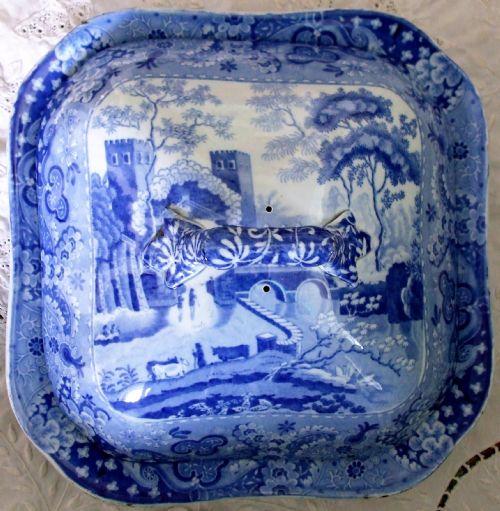
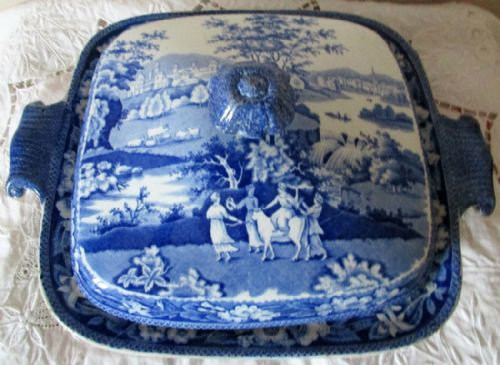
The most common versions met on this page are blue and white transfer-printed earthenware pieces produced by English potteries. These often feature pictorial transfer scenes such as the Canton River, castle views, and exotic animal designs like the elephant. Alongside these English wares, tin-glazed earthenware and faience examples from continental workshops, including Spanish production, appear in polychrome palettes and figural forms like partridges.
Materials and construction
Potters of the period utilised earthenware, pearlware, and tin-glazed ceramic bodies to form these vessels. Earthenware formed the durable substrate, while pearlware provided a refined, slightly blued white surface favoured for transfer printing. Faience and tin-glazed earthenware relied on specialised opaque glazes to cover the porous clay body before painting.
Decoration relied heavily on underglaze blue and white transfer printing, a technique that allowed intricate topographical and pictorial designs to be applied mechanically to pottery surfaces. Hand-painted polychrome enamels were also employed, particularly on tin-glazed pieces and figural animal tureens. Lead glaze and tin glaze provided the shiny, protective surface seals necessary for functional tableware.
Listings feature eighteenth-century and nineteenth-century periods, utilising earthenware, pearlware, and tin-glazed ceramic bodies across various servingware forms.
Evaluating the standard
The preservation of the matching cover alongside the base is central to the integrity of the piece. Matching components that share identical glaze characteristics and pattern alignment demonstrate a higher degree of original craftsmanship and survival.
Robert Hamilton·J. & R. Clews·John Rogers & Son·John and Richard Riley
The Georgian Pottery Covered Tureen Glossary
- Pearlware
- A refined type of earthenware developed in the late eighteenth century featuring a subtle bluish glaze that pooled in recesses. It was designed to mimic the whiteness of Chinese porcelain.
- Transfer printing
- A decoration method where an engraved copper plate applied ink to tissue paper, which was then transferred onto the unglazed or biscuit pottery surface. This technique revolutionised ceramic decoration by allowing complex pictorial scenes to be replicated quickly.
- Tin-glazed earthenware
- Pottery covered with a glaze made opaque by the addition of tin oxide, providing a white surface for painted decoration. It is often associated with faience and delftware traditions.
- Supper set
- A fitted collection of individual ceramic tureens and dishes arranged within a larger serving framework. These sets were used for serving multiple courses or dishes simultaneously.
Georgian Pottery Covered Tureen: Frequently Asked Questions
What were these tureens used for?
These vessels served soups, sauces, and vegetables during formal dining in the Georgian period. The heavy lids kept food warm while transported from the kitchen to the dining table.
Larger versions often formed part of elaborate supper sets designed for multi-course meals. Smaller sauce tureens were dedicated to holding gravies and liquid accompaniments.
How do I date a pottery tureen?
Dating relies on stylistic clues, ceramic bodies such as pearlware versus standard earthenware, and specific transfer-printed patterns. Potters often incorporated manufacturing marks or named topographical views that correspond to known operational decades.
Comparative analysis of the glaze type and potting technique helps narrow the production window. Most pieces on this page originate between the late eighteenth century and the early nineteenth century.
Are the covers usually original?
Many surviving examples retain their matching covers, which is vital for historical integrity. The glaze tone, clay body, and pattern alignment should match consistently between base and lid.
Replacement lids occur frequently in antique ceramics due to accidental breakage over centuries of use. Close inspection of the fit and decorative continuity helps confirm originality.
How should I display a tureen?
Displaying these pieces requires stable shelving that can support the weight of earthenware and ceramic bodies. Placing them out of direct sunlight protects painted enamels from fading.
Many collectors exhibit them on sideboards or within glazed cabinets where both the pictorial transfer scenes and the moulded handles remain visible.