
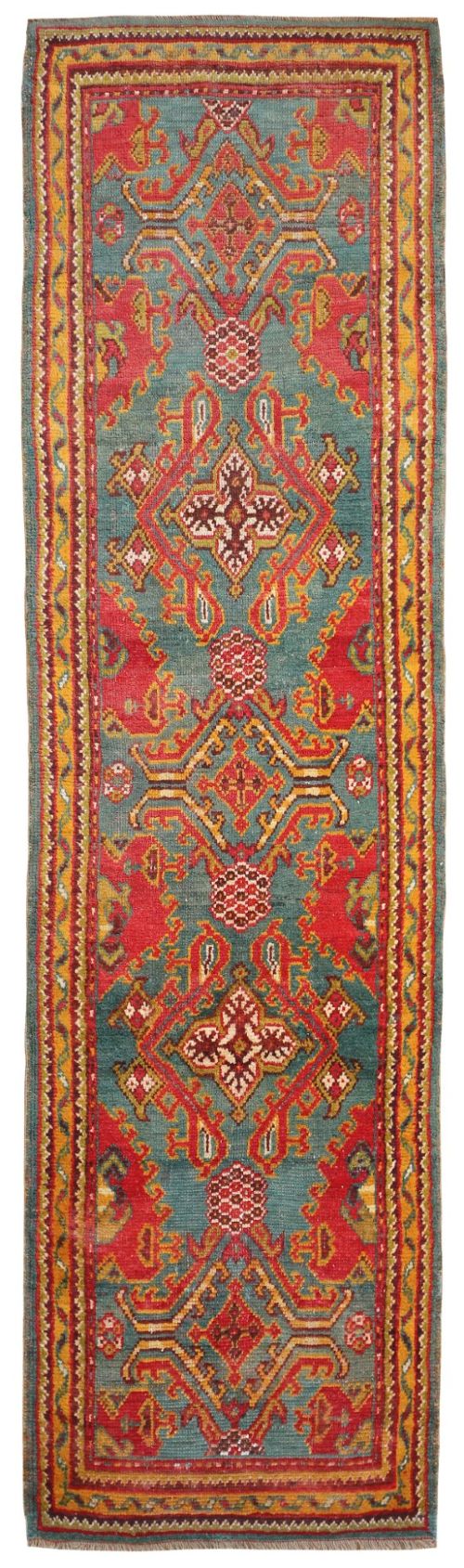
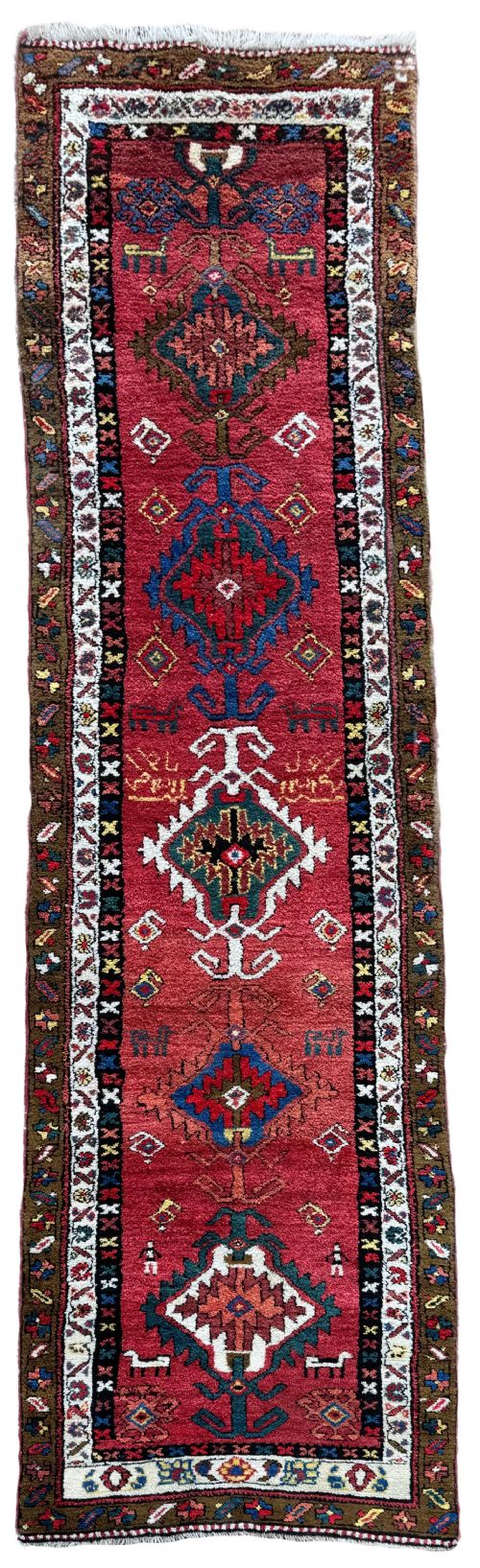
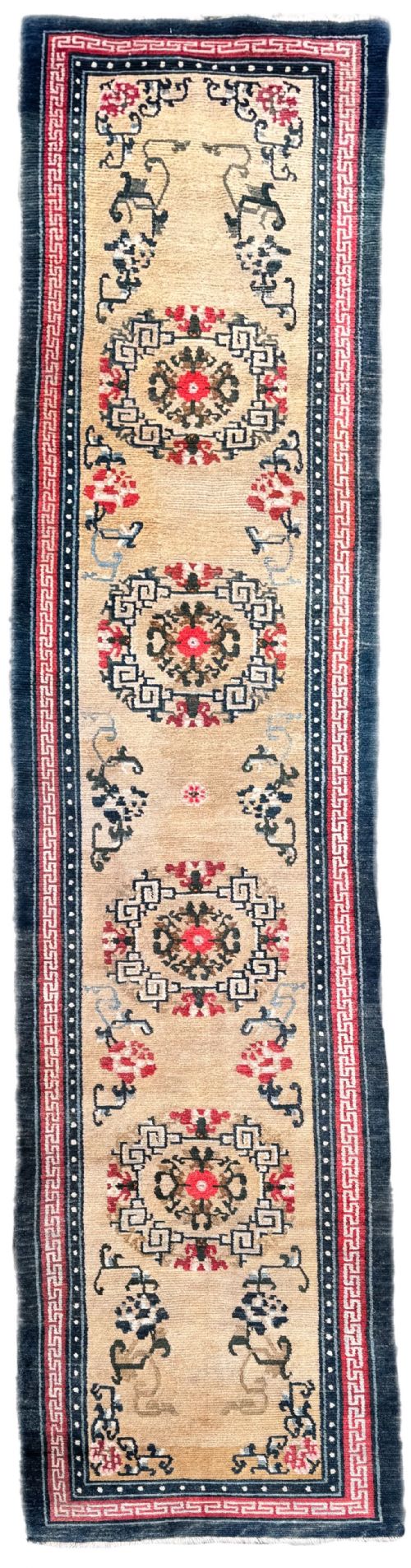

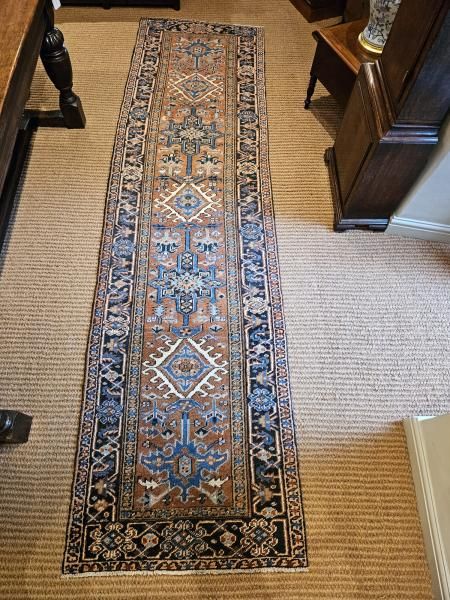
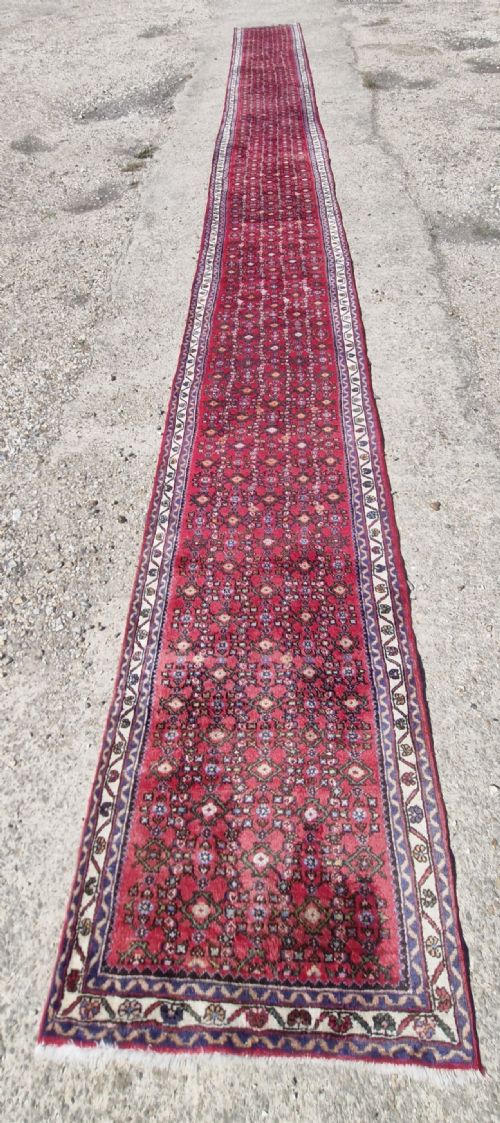

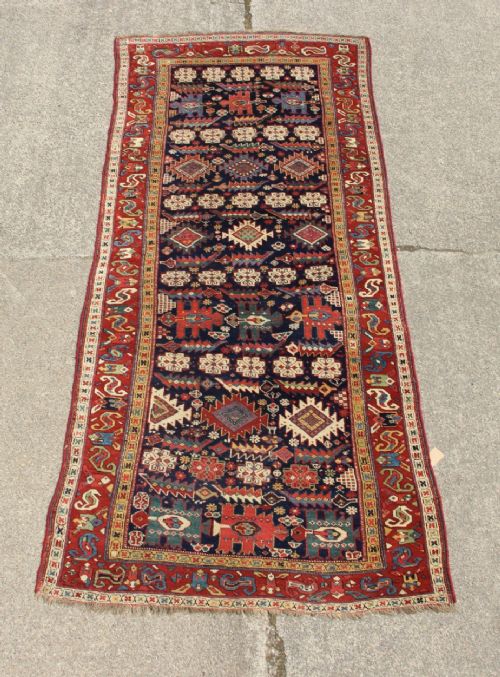
Vintage Corridor Carpet Runner
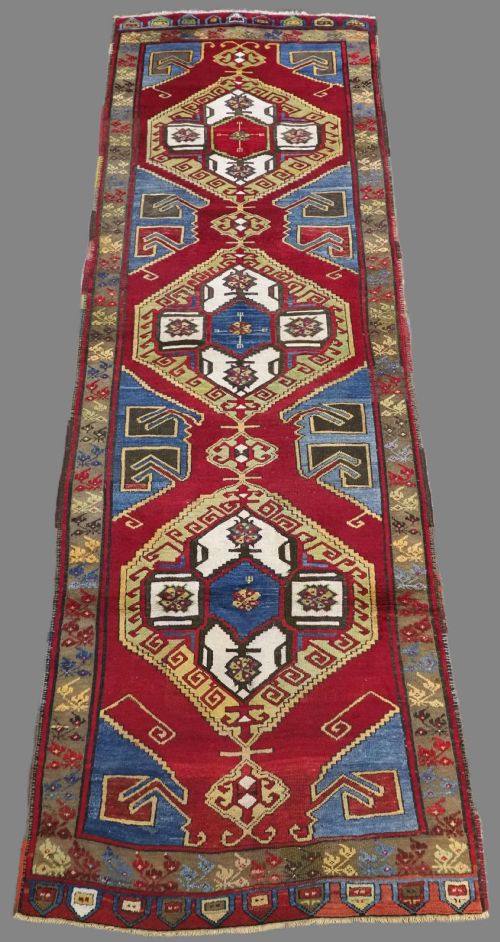
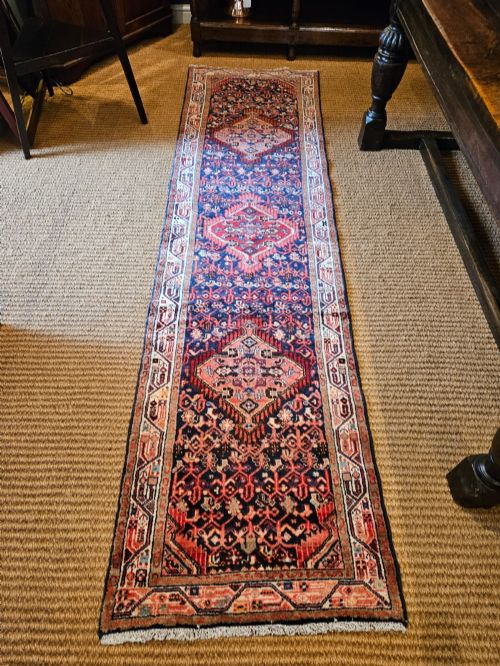
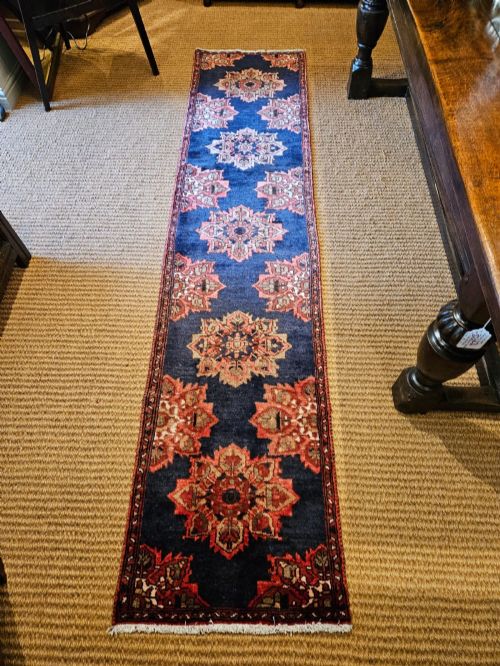
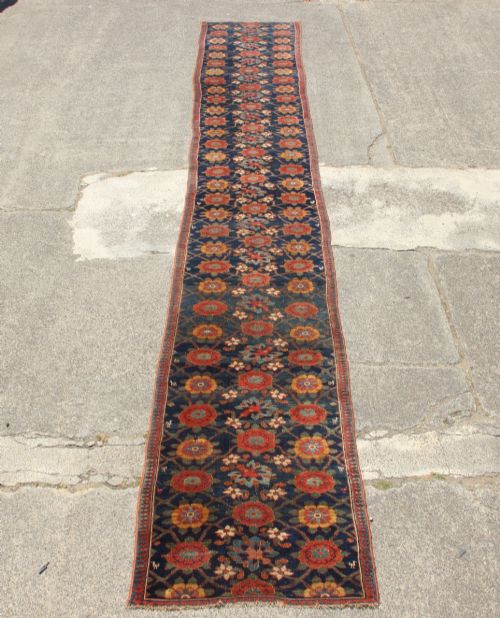
A vintage corridor carpet runner brings depth, texture and history to long hallways, utilising traditional weaves from the nineteenth and twentieth centuries.
Vintage Corridor Carpet Runner
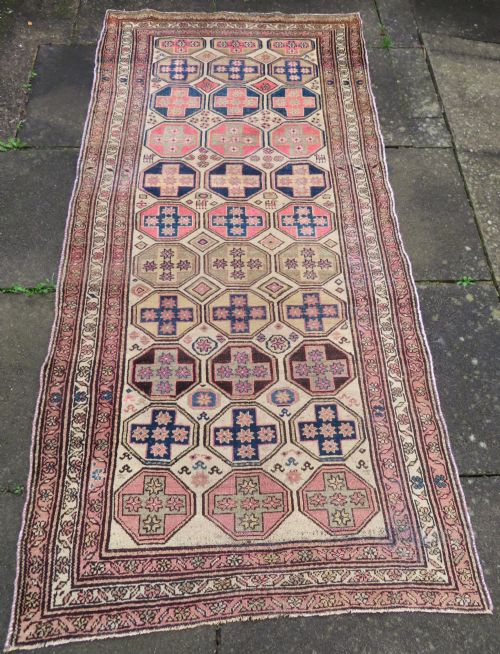
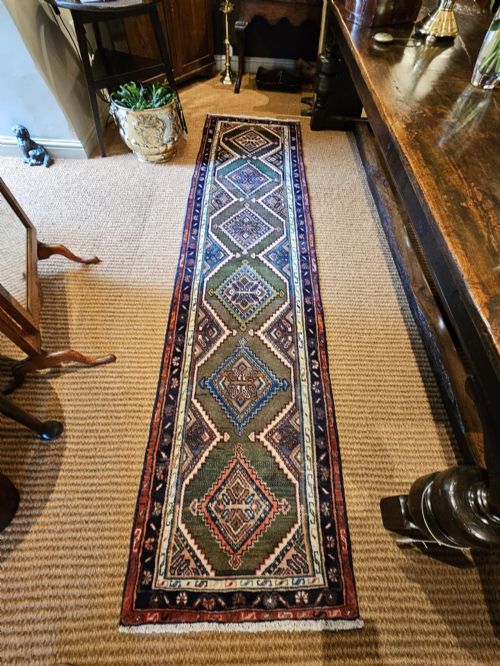
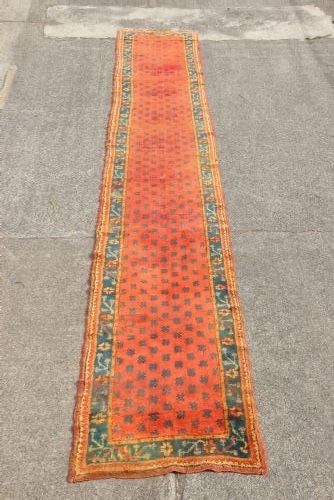
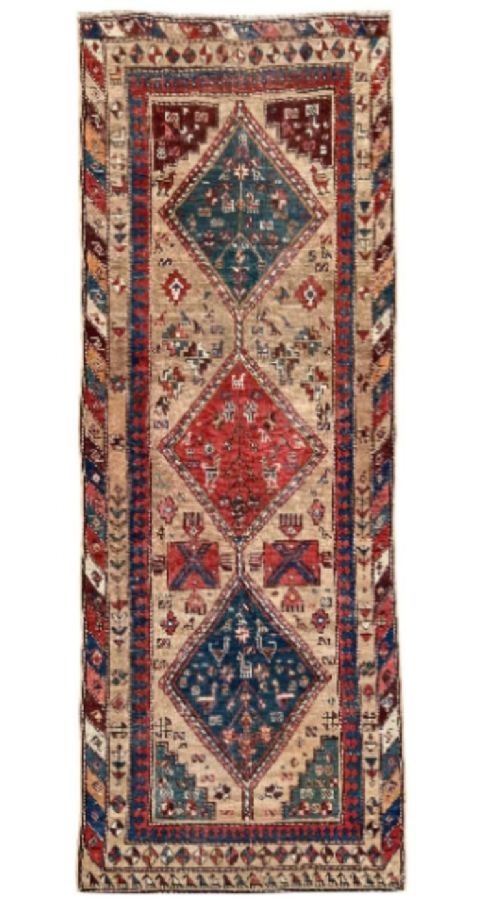
When you search for a vintage corridor carpet runner, you encounter long, narrow floor coverings designed specifically for hallways, landings and passageways. These pieces originate from Persian, Caucasian, Anatolian, Kurdish and tribal workshops, spanning periods from the mid-nineteenth century through to the mid-twentieth century.
The selection on this page centres heavily on antique and vintage runner rugs in styles such as Heriz, Ushak, Kurdish, Caucasian and Hamadan. These formats provide practical utility for high-traffic corridors while displaying the distinctive geometric and floral motifs characteristic of their regional origins.
How They Were Made
These textiles rely principally on wool, cotton and hand-spun wool for their pile and foundation structures. Artisans knotted natural fibres by hand onto sturdy cotton or wool warp and weft threads.
Dyers utilised natural plant and mineral sources to colour the wool, creating rich tones that mellow gracefully over decades of use. The resulting dense weave withstands heavy footfall in domestic spaces.
Some antique runners carry charming geometric quirks, where tribal weavers accidentally altered a border motif halfway down the corridor.
What Varies in Quality
Knot density and structural integrity distinguish finer runners from standard examples. Tightly packed knots allow intricate geometric and floral patterns to remain crisp and legible along the length of the corridor.
The condition of the wool pile and the stability of the cotton foundation determine longevity. Examples retaining even pile height and secure edge binding command greater appreciation among collectors.
The Vintage Corridor Carpet Runner Glossary
- Runner
- A long, narrow carpet format designed primarily for hallways, stairs and corridors. Their dimensions emphasise length over width to fit restricted spaces.
- Knot density
- The number of individual knots per square unit, which dictates the fineness and durability of the weave. Higher counts permit sharper pattern definition.
- Warp
- The stationary vertical threads stretched on the loom that form the structural skeleton of the carpet. Weft threads are inserted across them horizontally.
- Kelleh
- A large format rug, often longer than it is wide, bridging the size between standard room carpets and narrow runners.
- Pile
- The vertical or slanted loops of yarn that form the usable soft surface of the carpet. Wool is the most common fibre used for this layer.
Vintage Corridor Carpet Runner: Frequently Asked Questions
How do I choose the right length?
Measure your corridor carefully, leaving a consistent border of exposed wooden floor or tiles around the perimeter. Long runners can span extended hallways, but standard shorter formats suit modest landings.
Ensure doors can swing open freely over the pile height of the textile without catching or binding.
How do I care for a wool runner?
Vacuum the piece regularly using low suction without a rotating brush roll to protect the vintage fibres. Address spills immediately by blotting gently with a clean, dry cloth.
Rotate the runner periodically to distribute foot traffic evenly and prevent uneven wear patterns along the corridor.
What is a tribal runner?
Tribal runners originate from nomadic or village weavers rather than urban workshops. They feature expressive, memory-driven geometric designs rather than strict cartographic layouts.
These pieces often display charming asymmetries and a wide palette of saturated, hand-dyed wool colours.
How do I date an old runner?
Examine the materials, colour palette and structural characteristics to estimate age. Natural dyes and hand-spun wool generally point towards nineteenth or early twentieth-century production.
Slight irregularities in weave and asymmetry in design often indicate traditional hand-knotting methods from specific historical periods.