

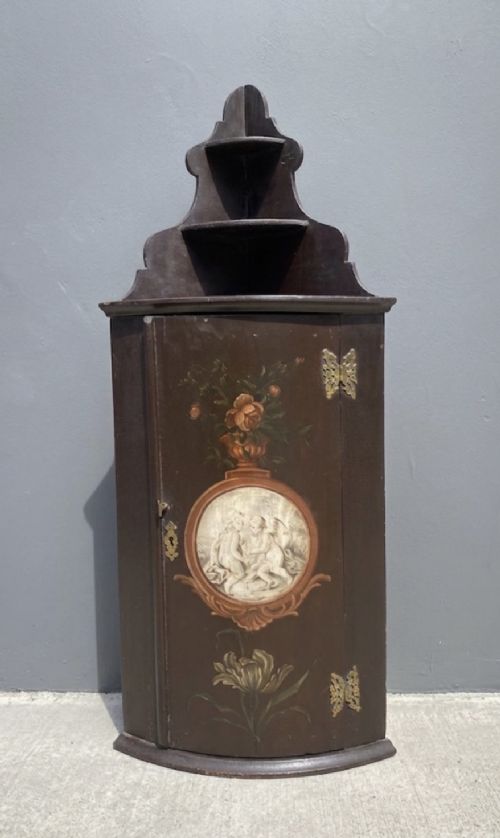


Vintage Corner Shelf
A vintage corner shelf uses neglected room perimeters to display precious objects across periods from the Georgian era to the Edwardian years.
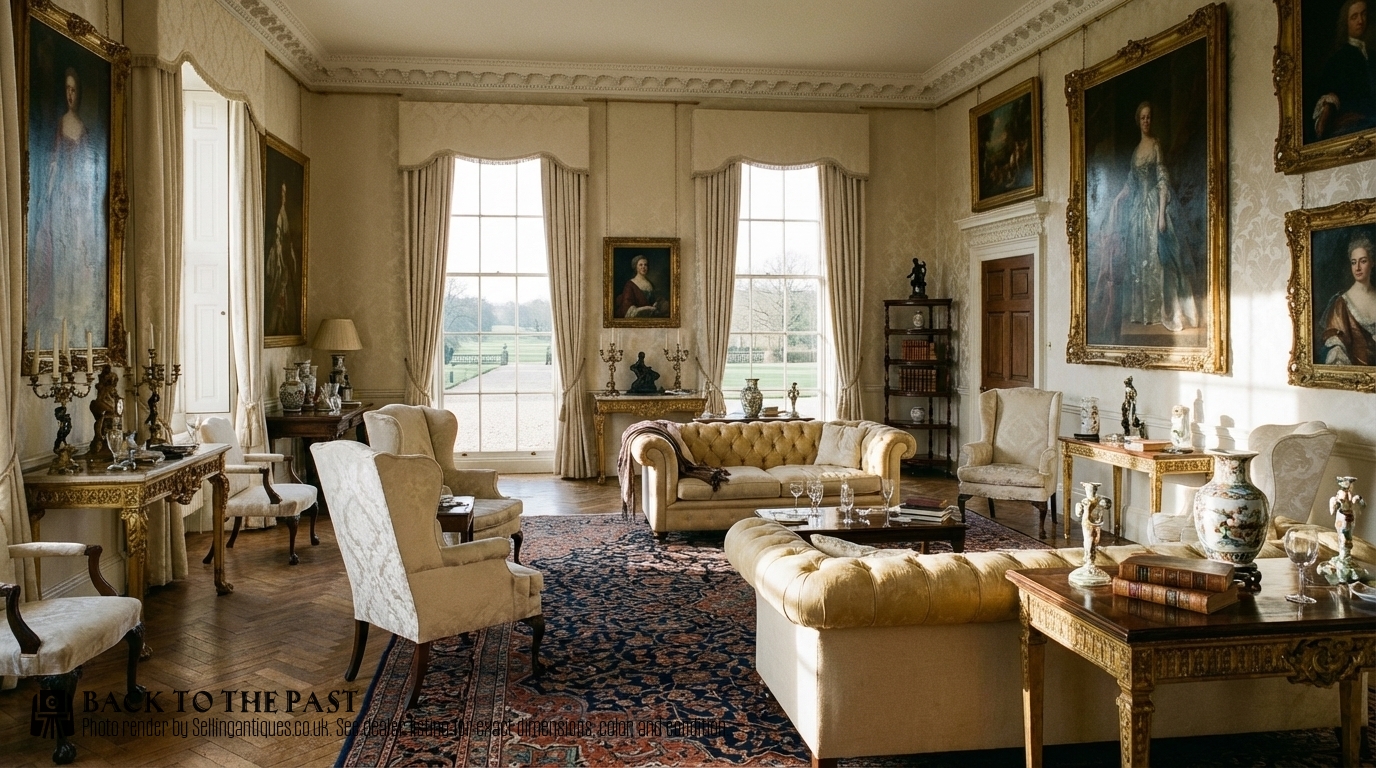
Vintage Corner Shelf
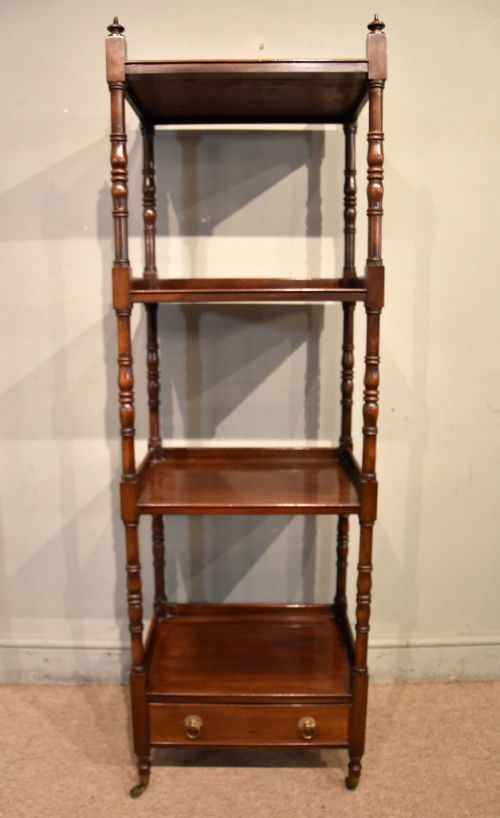
When you search for a vintage corner shelf, you encounter diverse timber furniture including tiered whatnots, hanging cupboards, and open display stands designed to fit neatly into domestic angles. These pieces originate from the 18th century, the Georgian and Regency periods, and the Victorian era, offering practical display space without dominating a room.
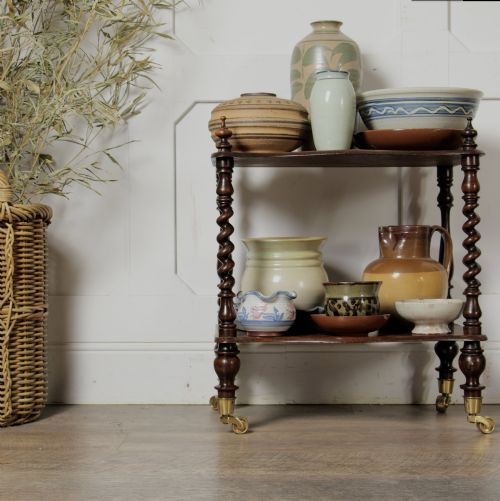
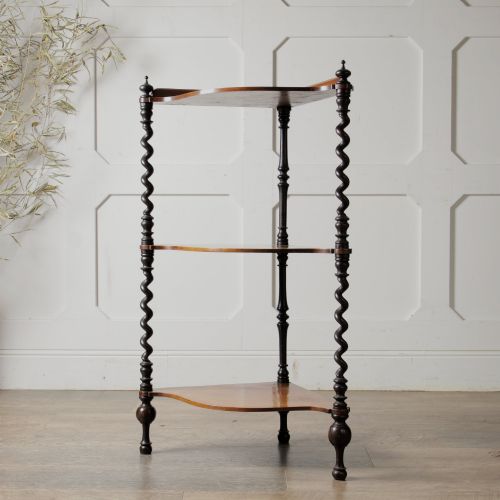
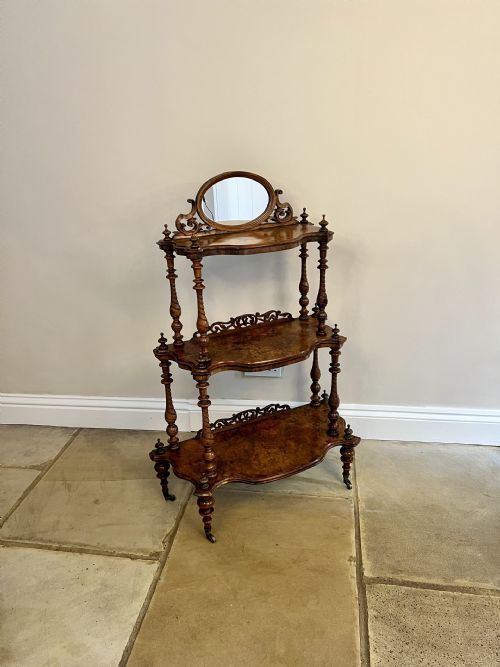
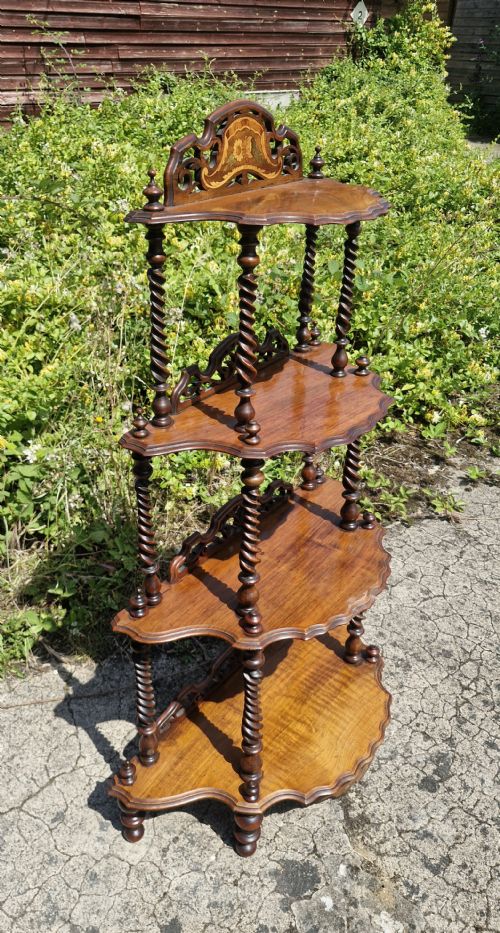
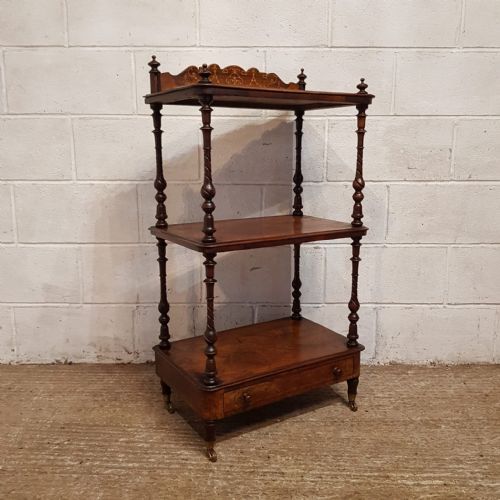
The version you are most likely to meet on this page is the multi-tiered Victorian mahogany or walnut whatnot, often featuring turned supports or barley twist columns. Alongside these stand simpler iron plant stands, bamboo cabinets from the Aesthetic period, and painted cupboards with open upper shelves.
Materials and construction methods
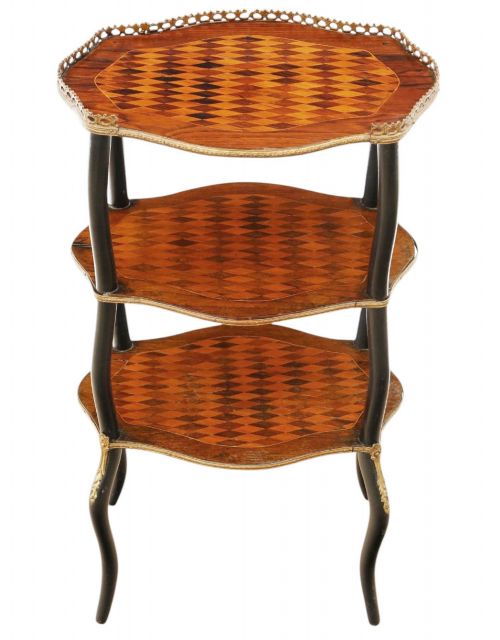
Cabinetmakers constructed these corner pieces predominantly in solid mahogany, walnut, and burr walnut, sometimes utilising ebonised wood or decorative parquetry inlay. Surfaces frequently display polished wood grains, though certain examples incorporate wrought iron, bamboo, or painted finishes.
Structural integrity relied on sturdy vertical supports, whether slender turned columns on tiered whatnots or robust corner brackets on hanging cupboards. Details like brass mounts, ormolu, and riveted ironwork appear on specific pieces, combining utilitarian strength with period ornamentation.
One remarkably honest Victorian iron pan stand spent its earlier decades holding heavy kitchen pots before retiring to display houseplants.
What separates the finest examples
Quality in a vintage corner shelf rests upon the selection of timber figures, such as highly figured burr walnut or rich mahogany veneers, matched with precise cabinet joinery. Superior pieces display finely turned uprights, crisp parquetry, and well-proportioned tiers that remain rigid under weight.
Lesser items show plain timber selection, simpler construction methods, or heavy past repairs that compromise the clean lines of the corner silhouette. The distinction lies entirely in the refinement of the secondary details and the integrity of the structural frame.
The Vintage Corner Shelf Glossary
- Whatnot
- An open multi-shelved piece of furniture designed for displaying ornaments, books, or curiosities. These units typically feature three to five tiers supported by slender columns.
- Etagere
- A set of open shelves for displaying small objects, sharing similarities with the whatnot. This French-derived term often denotes lighter, more decorative stands.
- Barley Twist
- A type of turned wooden column resembling the spiral of a barley sugar twist. This decorative turning technique appears frequently on Victorian supports.
- Parquetry
- Geometric mosaic woodwork used for decorative surfaces and tabletops. Makers arranged small blocks of contrasting timber to form intricate patterns.
- Ormolu
- Gilded bronze mounts applied to furniture as decorative enrichment. This French technique enhances pieces like kingwood cabinets with metallic lustre.
Vintage Corner Shelf: Frequently Asked Questions
How do I style a corner shelf?
Position your shelf in an unused room angle to draw the eye upward and utilise dead space effectively. Balance heavier books or ceramic items on the lower tiers while reserving delicate glass or small ornaments for the top surfaces.
Keep surrounding furniture low to let the vertical lines of the corner unit stand out. Ensure the timber tone complements existing pieces in the room without matching every single item.
What is a whatnot shelf?
A whatnot is an open tiered stand developed specifically to hold ornaments, books, and curiosities. Nineteenth-century homes relied on these pieces to display collections in parlours and drawing rooms.
They range from compact three-tier stands to tall freestanding units with five or more graduated shelves. The open design allows light to pass through while keeping objects organised and visible.
Are these shelves sturdy enough for books?
Many sturdy mahogany and walnut whatnots easily support rows of books, particularly larger Victorian and Georgian multi-tier structures. Solid hardwood construction provides the necessary weight capacity for everyday reading materials.
Lighter bamboo, iron plant stands, or delicate etageres suit decorative ceramics and plants better than heavy volumes. Inspect the vertical supports and shelf joints to gauge the load capacity of an individual piece.
How do I date a corner cabinet?
Examine the primary timber, construction joints, and decorative style to determine the age of a piece. Georgian items often display restrained mahogany lines, whereas Victorian pieces frequently showcase burr walnut veneers, turned columns, or elaborate parquetry.
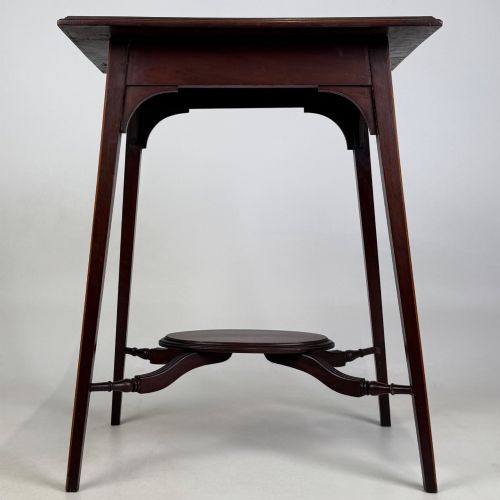
Consider secondary woods inside drawers or backing boards, as these reveal period manufacturing techniques. Aesthetic period bamboo cabinets and Edwardian occasional tables carry distinct decorative traits from the turn of the twentieth century.