

Vintage Copperplate Engraving
Vintage copperplate engraving brings centuries of printmaking into your rooms, offering detailed portraits, maps, and natural history scenes.
Vintage Copperplate Engraving
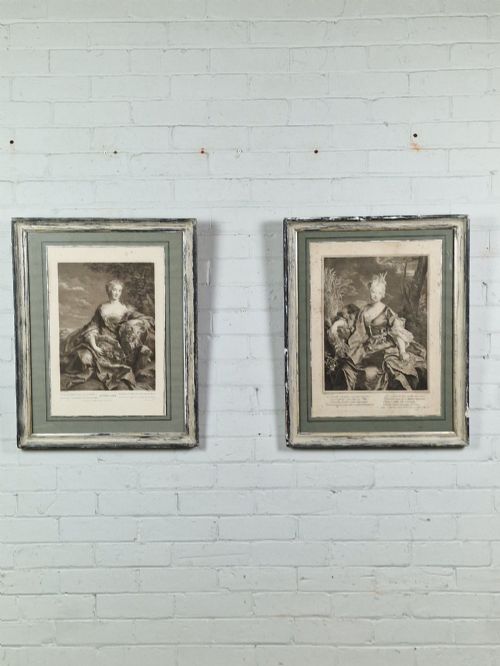
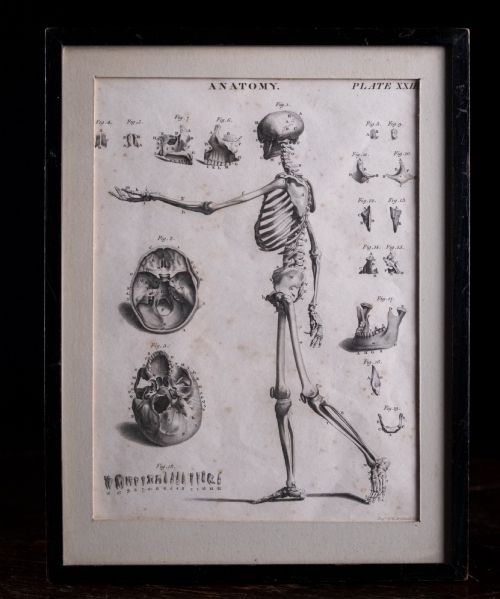
When you search for vintage copperplate engraving, you encounter printed works pulled from metal plates across the seventeenth, eighteenth, and nineteenth centuries. These pieces record historical figures, cartography, and animal studies created through meticulous manual labour.
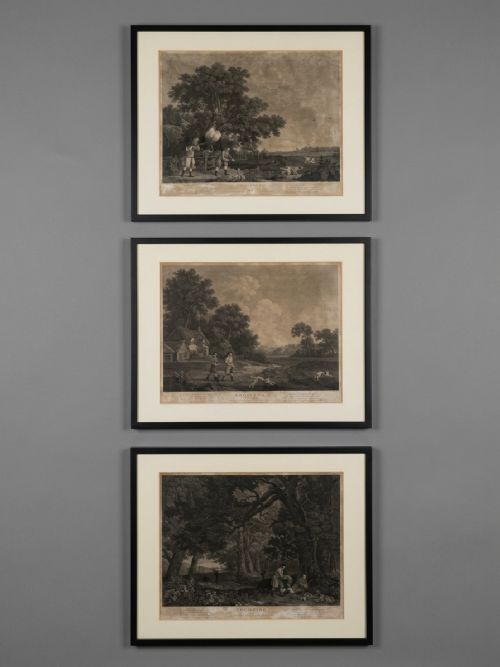
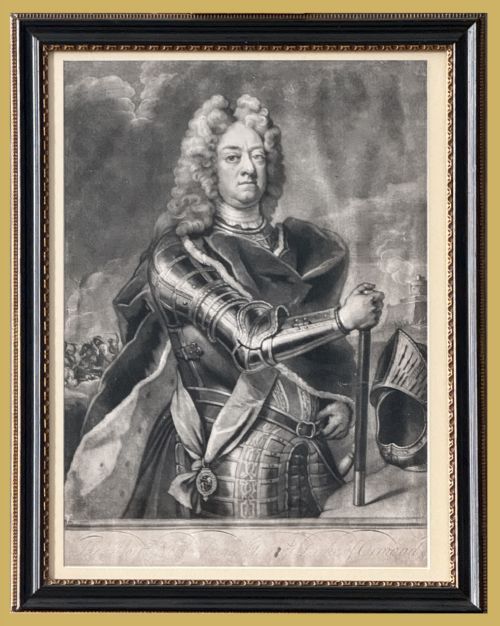
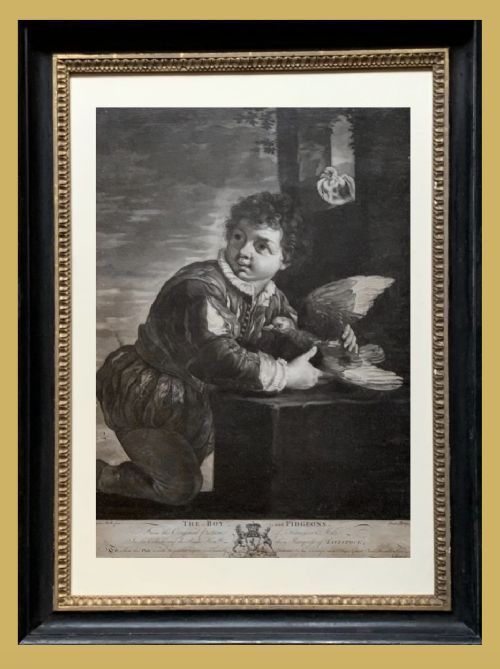
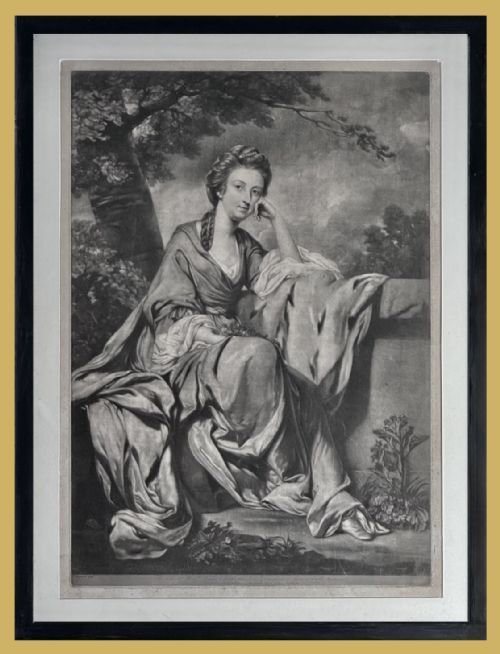
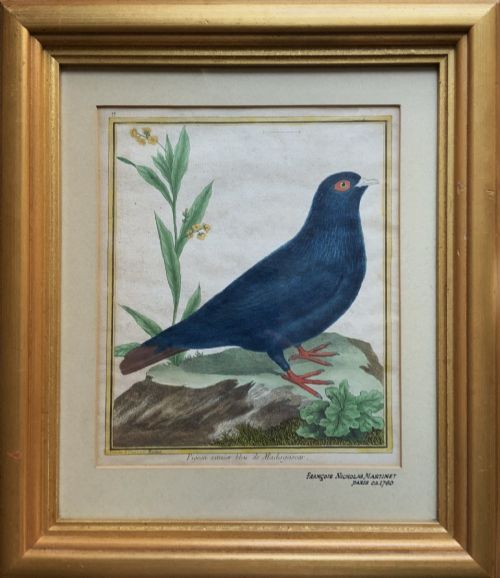
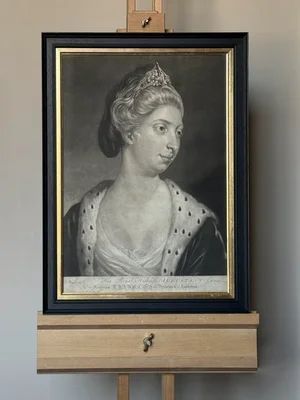
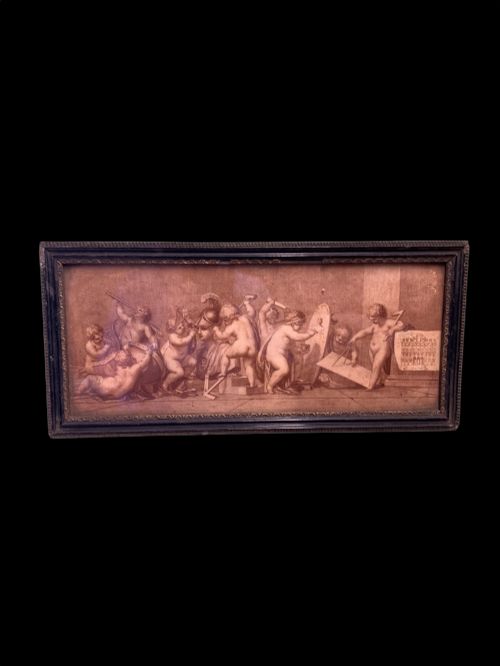
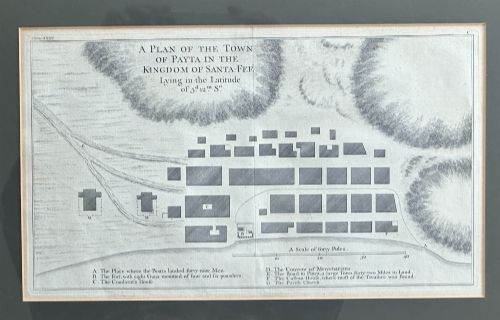
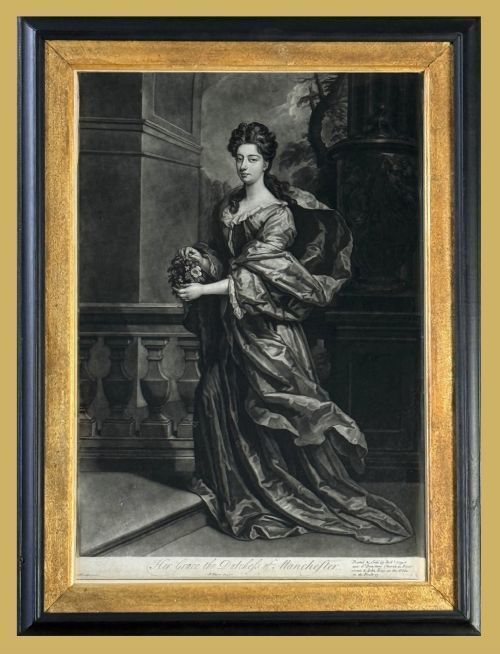
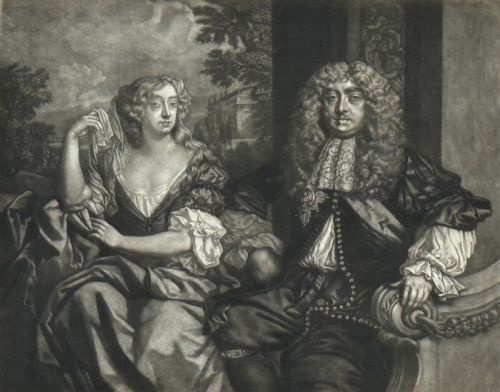
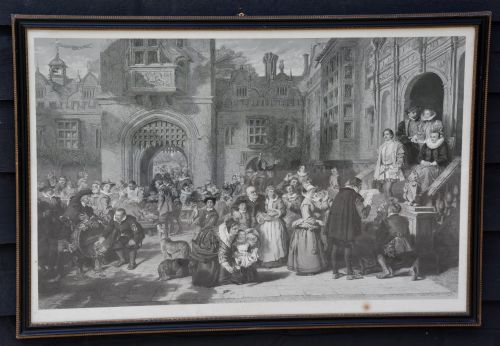
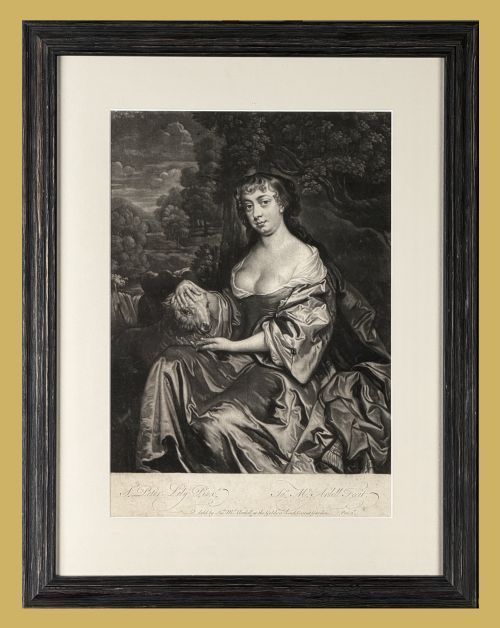
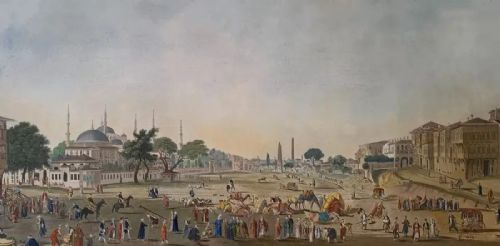
The selections available here lean heavily toward eighteenth-century portrait mezzotints and period cartography. You will also find architectural views, natural history plates featuring birds and reptiles, and narrative scenes after major painters.
Framed presentation forms the standard format on this page, utilising materials like glass, wood, and gilt accents. Many arrive protected behind glass in period frames such as original Hogarth moulds.
Materials and production
The primary medium involves ink pressed onto handmade paper from engraved copper plates. Artisans sometimes applied watercolour by hand to enhance botanical subjects, maps, and zoological plates after the initial black ink transfer.
Frames incorporate traditional materials including burr wood veneer, gilt wood, and plain timber mouldings. Glazing protects the paper surfaces, while backing layers often feature historic paper or board.
Listings span periods from the seventeenth century through the 1920s, featuring paper, ink, gold leaf, and burr wood veneer.
Assessing the grade
Impression strength dictates the visual clarity of the lines and shadows. Early pulls from a fresh copper plate display crisp, deep black lines and subtle tonal gradations, whereas later impressions lose definition as the metal wears down.
The presence of contemporary hand colouring alters the character of the sheet. Skillful, restrained pigment application elevates natural history and cartographic plates, preserving the underlying ink work without obscuring the engraver's fine cross-hatching.
John Simon·John Boydell·Edward Fisher·John Smith·François-Nicolas Martinet·Andrew Bell·John Faber Jr·Robert Williams·James MacArdell·Herbert Dicksee·Edward Stodart·W Collard·Joan Blaeu·Johannes Janssonius·Robert Morden
The Vintage Copperplate Engraving Glossary
- Copperplate engraving
- A intaglio printmaking technique where an artist cuts lines directly into a copper sheet with a sharp tool called a burin. Ink is pressed into these grooves and transferred under pressure to paper.
- Mezzotint
- A tonal printmaking method where the copper plate is roughened uniformly to produce rich dark areas, and scraped down to create highlights. This technique allows for subtle gradients and velvety portraits.
- Cartography
- The study and practice of making maps, frequently represented in this collection through seventeenth and eighteenth-century regional maps and atlases. These sheets often feature decorative cartouches and hand-tinted borders.
- Etching
- A process where lines are bitten into a metal plate with acid rather than cut manually with a burin. The plate is covered in an acid-resistant ground, drawn through with a needle, and submerged in acid.
- Aquatint
- A variant of etching that produces tonal areas resembling watercolour washes rather than fine lines. It involves dusting the plate with resin particles before acid biting to create porous tone.
Vintage Copperplate Engraving: Frequently Asked Questions
How should I display antique engravings?
Keep framed prints away from direct sunlight to prevent the ink and any applied watercolour from fading. Acid-free mounting materials protect the old paper from degradation over time.
Hang them at eye level in rooms with stable humidity. Kitchens and damp spaces risk warping the wooden frames and staining the paper.
What is the difference between an engraving and an etching?
An engraving relies on physical force as the artist pushes a burin through the copper to carve lines directly. This results in clean, tapering lines with sharp ends.
An etching uses acid to bite the lines into the metal plate through a protective wax ground. The resulting lines show softer, more even widths under magnification.
Are these prints original to their stated period?
The listings comprise authentic period impressions pulled during the active centuries of the makers and publishers named. They are not modern photographic reproductions or recent digital re-strikes.
Check the individual descriptions for specific dates, which often reference the active lifetime of the engraver or the publication year of the atlas.
How do I identify a mezzotint portrait?
Mezzotints lack the strict linear grid of standard engravings and etchings, appearing instead as smooth, shadowy fields of tone. They excel at rendering soft skin textures and fabric folds.
Look for the velvety dark backgrounds and gradual highlights characteristic of the scraping process used on the roughened plate.