





Vintage Copper Stick Stand
These vintage copper stick stand pieces combine functional hallway storage with distinct period metalwork, offering a practical centrepiece for your entrance.
Vintage Copper Stick Stand
When you search for a vintage copper stick stand, you find hallway furnishings designed to hold walking sticks, canes and umbrellas. These items serve a dual purpose of practical containment and decorative impact in a home.
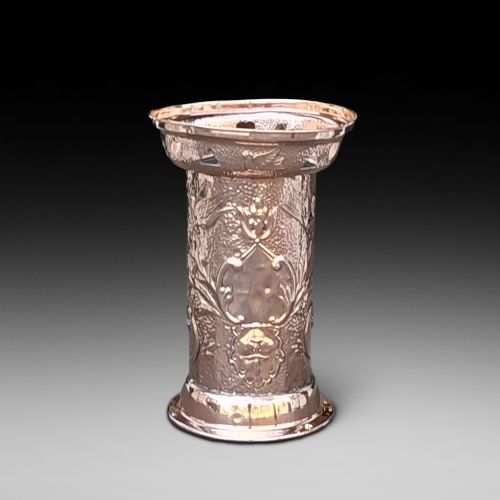
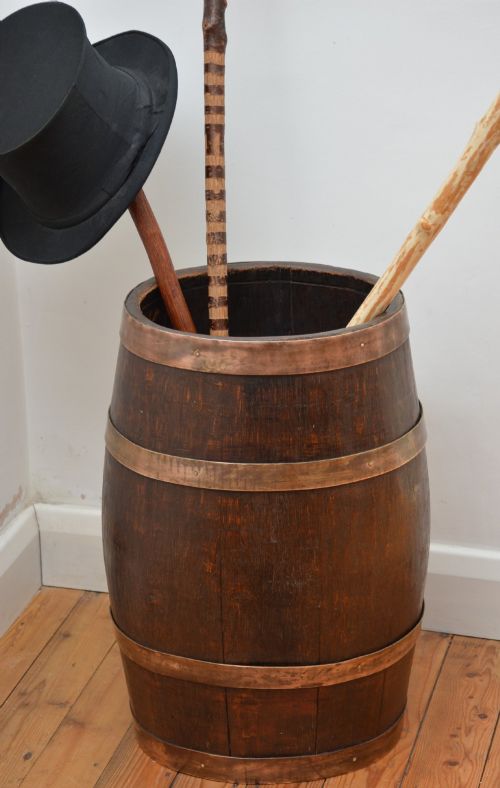
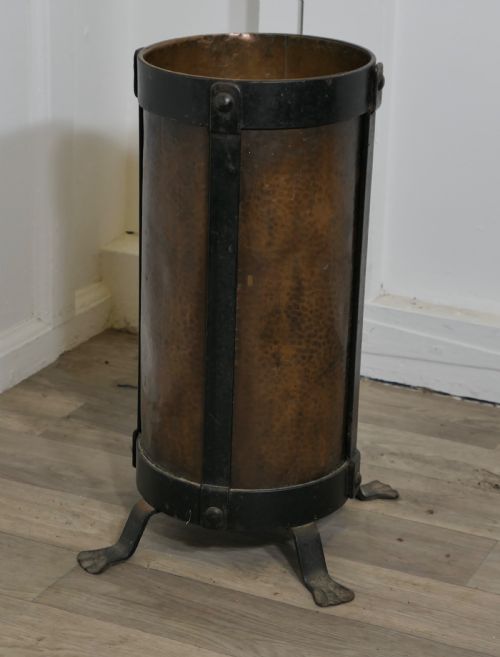
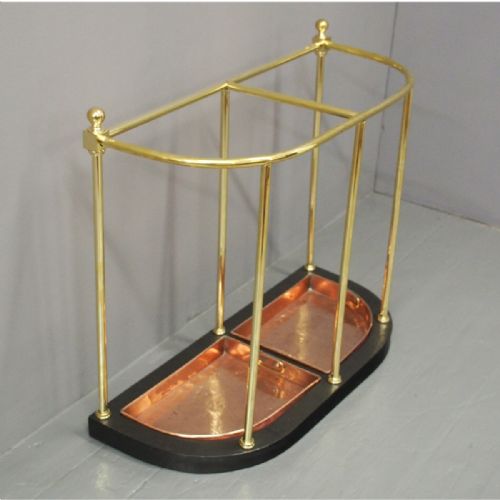
The pieces appearing on this page span the nineteenth century, the Victorian era, and the nineteen hundreds. You encounter forms ranging from simple cylindrical buckets to coopered barrels and structured hall stands.
Many examples incorporate related metals and timbers such as brass, iron, wrought iron, cast iron, oak, and silver plate. The aesthetic leans heavily into Arts and Crafts and Art Nouveau movements, reflecting the design priorities of their makers.
How they were made
Makers formed these items primarily from sheet or cast copper, frequently combining the metal with iron banding or brass accents for structural integrity. Coopered wooden barrels utilise curved staves of oak bound tightly with metal hoops.
Artisans of the nineteenth century and the Arts and Crafts movement employed hand-beating, riveting, and soldering techniques to shape the metal bodies. Iron components were forged or cast to create sturdy frames and feet capable of enduring damp umbrellas and heavy walking sticks.
Current site listings combine copper and brass with oak, iron, and silver plate across Victorian and Arts and Crafts styles.
What varies in quality
Distinctions in quality rest upon the weight of the metal gauge, the complexity of the hand-worked decoration, and the integrity of internal construction. Heavier copper bodies and robust iron or oak framing indicate superior original manufacture.
Artistic execution also separates standard utility items from finer examples, particularly where Art Nouveau or Arts and Crafts styling shows deliberate hand-shaping and considered integration of mixed materials.
The Vintage Copper Stick Stand Glossary
- Coopered barrel
- A cylindrical container constructed from vertical wooden staves held together by exterior metal bands, similar in construction to a drinking cask.
- Arts and Crafts
- A design movement of the late nineteenth century emphasising handcraftsmanship, simple forms, and traditional medieval or folk building methods.
- Art Nouveau
- An international style of art and architecture prevalent around nineteen hundred, characterised by intricate linear designs and flowing organic motifs inspired by natural forms.
- Hall stand
- A large piece of hallway furniture combining storage compartments for walking sticks and umbrellas with hooks for coats and sometimes a mirror.
- Wrought iron
- Iron that has been heated and shaped with hand tools by a blacksmith, yielding a fibrous texture and durable structure distinct from brittle cast iron.
Vintage Copper Stick Stand: Frequently Asked Questions
How were these stands used originally?
Original nineteenth-century households utilised these stands in entrance halls and foyers as a designated place for visitors and residents to leave wet umbrellas and walking sticks. This kept hallway floors dry and protected interior floorboards from moisture.
They functioned as practical everyday items in country houses and town residences, often positioned near the main front door for immediate access upon entering or leaving the home.
How do I distinguish between Victorian and Arts and Crafts styles?
Victorian examples often display formal symmetry, heavier proportions, and conventional nineteenth-century decorative motifs. They frequently combine copper with silver plate or cast iron in traditional furniture formats.
Arts and Crafts pieces emphasise visible hand-working, simpler structural lines, and naturalistic ornamentation inspired by the materials themselves. They showcase exposed rivets, hammered surfaces, and honest construction methods.
How do I care for copper furniture?
Care involves dusting the metal surface regularly with a soft, dry cloth to prevent the accumulation of dirt. Avoid harsh chemical cleaners that strip the natural patina accumulated over the decades.
Keep the interior dry by using a modern hidden liner or removing accumulated rainwater promptly to prevent water staining and corrosion on the inner base of the stand.