
Vintage Copper Hearth
A vintage copper hearth brings warmth and metal texture to a room, offering functional fireside presence through coal scuttles, fenders, and kettles.
Vintage Copper Hearth
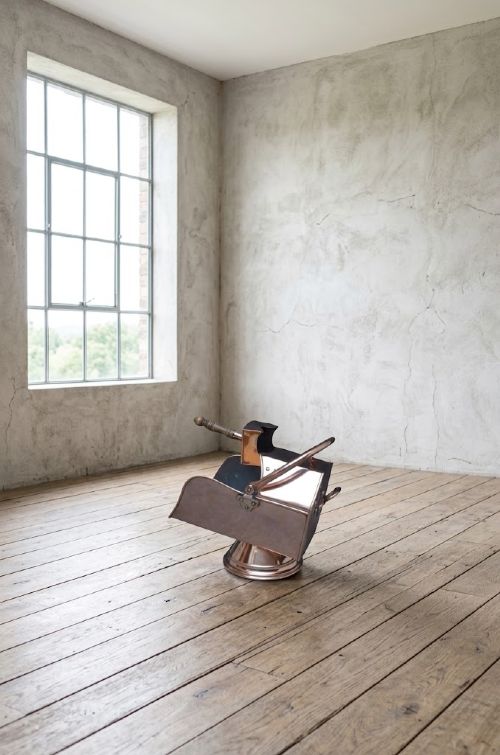
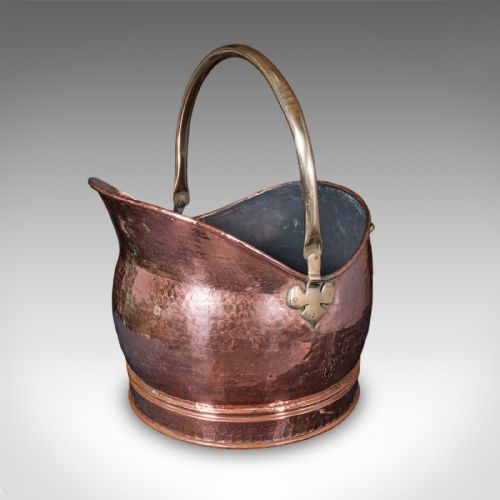
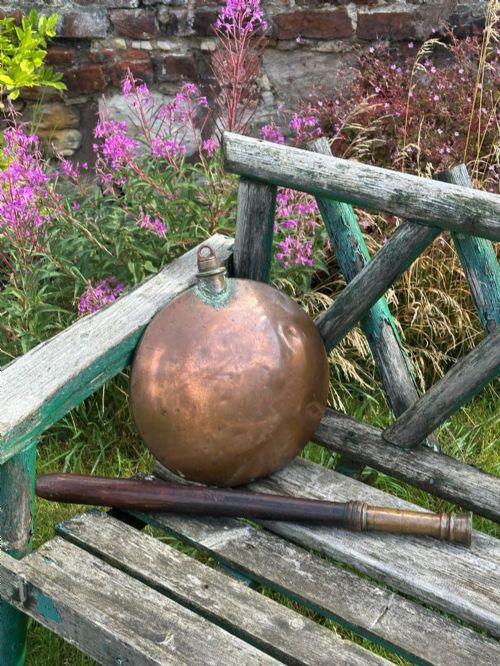
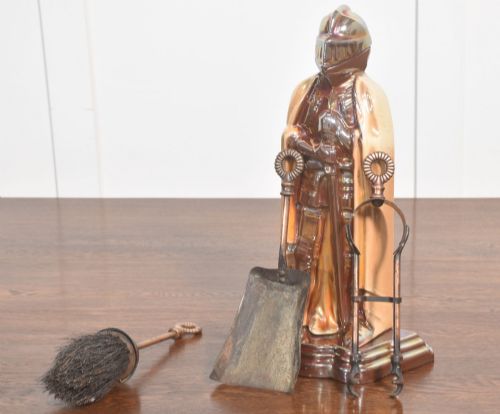
A vintage copper hearth selection encompasses essential fireside pieces designed for utility and decoration around the fireplace. Buyers searching for a vintage copper hearth typically encounter items ranging from coal buckets and scuttles to fenders, fire screens, and kettles.
The objects span multiple eras, most notably the Victorian period and the Georgian era, alongside Arts and Crafts and Art Nouveau designs. Form follows function directly, utilising durable metalwork built to withstand daily hearth use while developing rich surface character.
Materials and construction methods
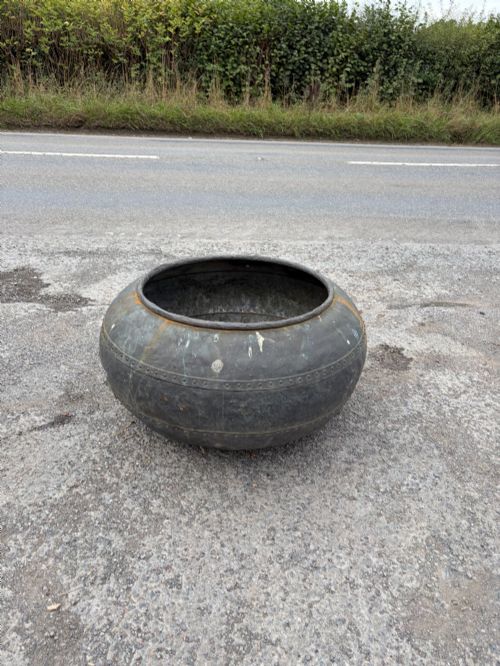
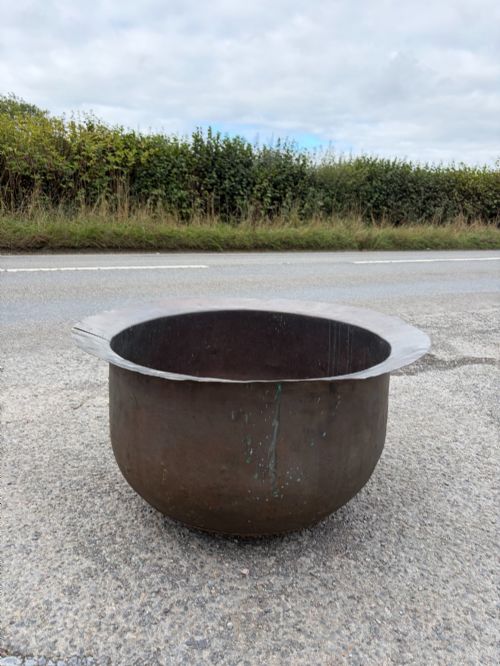
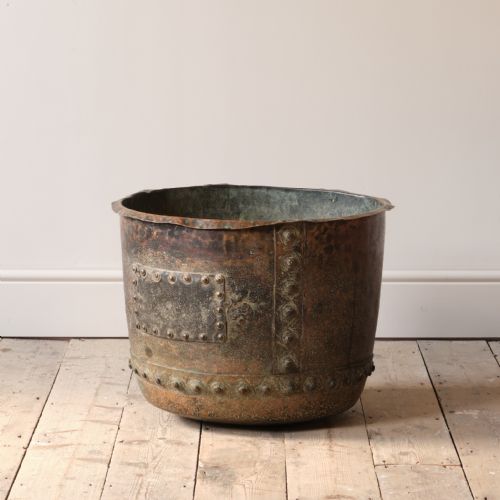
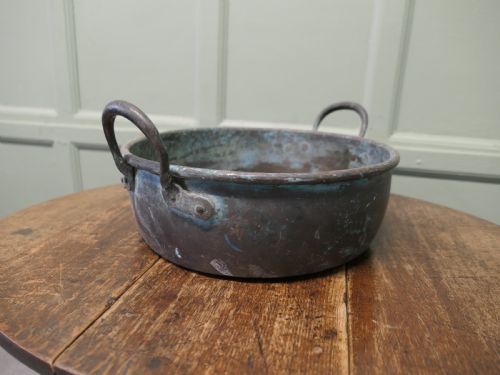
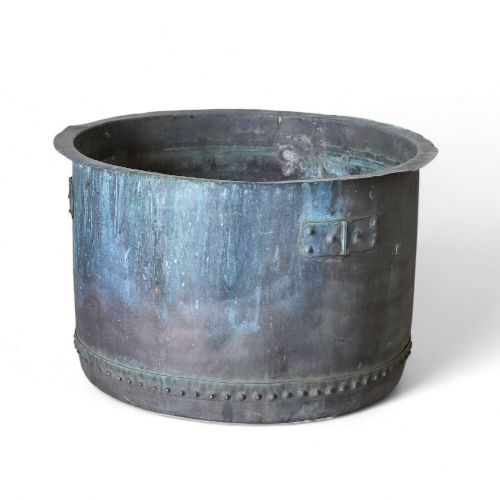
Pieces rely primarily on copper combined with brass, iron, wrought iron, and cast iron for structural support and handles. Hand-riveting techniques appear frequently on larger items like log bins, planters, and coal buckets, creating strong physical joints.
Makers often incorporated hammered surface finishes, brass banding, and swing handles secured with metal or wooden grips. The interaction between copper bodies and iron or brass mounts provides both stability and decorative contrast.
Several fire screens double as refined domestic mirrors, proving that Victorians loved admiring their own reflection while stoking the coals.
Assessing build quality and character
Quality separates through the integrity of construction, seen in heavy-gauge metal sheets, secure hand-riveting, and original iron frames rather than thin, modern sheet metal. Superior examples retain honest patination and structural rigidity without excessive remediation.
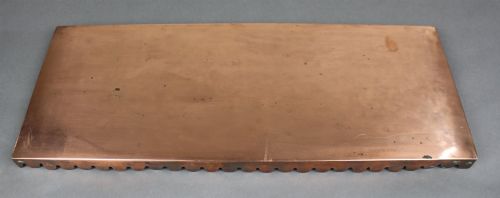
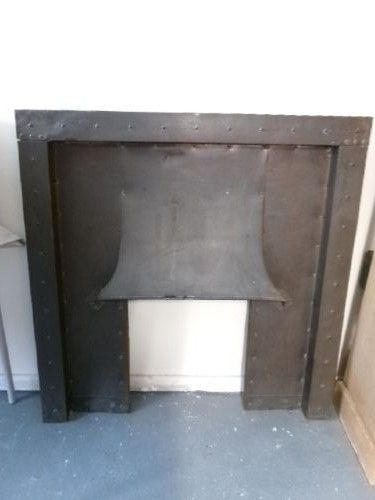
Design detail further distinguishes finer pieces, such as delicate patera decoration on fenders, hand-finished hammered textures on fire fronts, and well-preserved wooden or brass handles that balance utility with aesthetic presence.
The Vintage Copper Hearth Glossary
- Fender
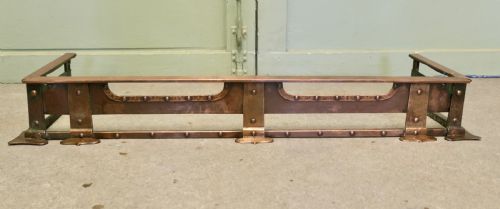
- A low metal guard placed in front of an open fireplace to contain embers and protect the floor. Victorian examples frequently incorporate brass detailing and cast iron bases.
- Coal Scuttle
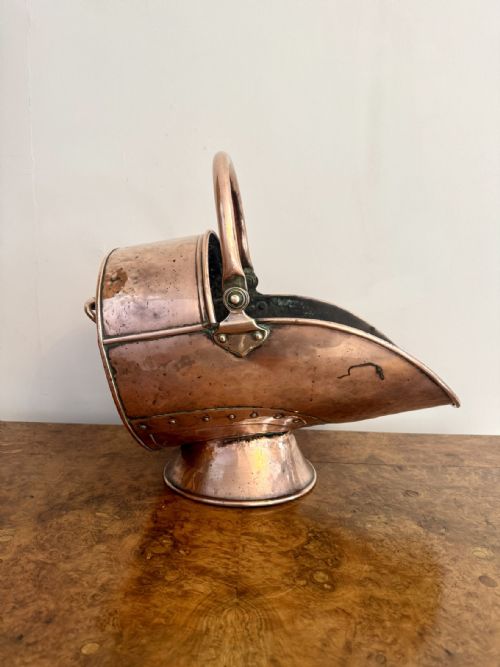
- A bucket or container specifically shaped for holding and transporting coal to the fire. Many feature hinged lids, shovel compartments, and sturdy swing handles.
- Arts and Crafts
- A design movement emphasising handcraftsmanship and simple forms over mass production. Pieces from this style often display visible riveted construction and hammered copper surfaces.
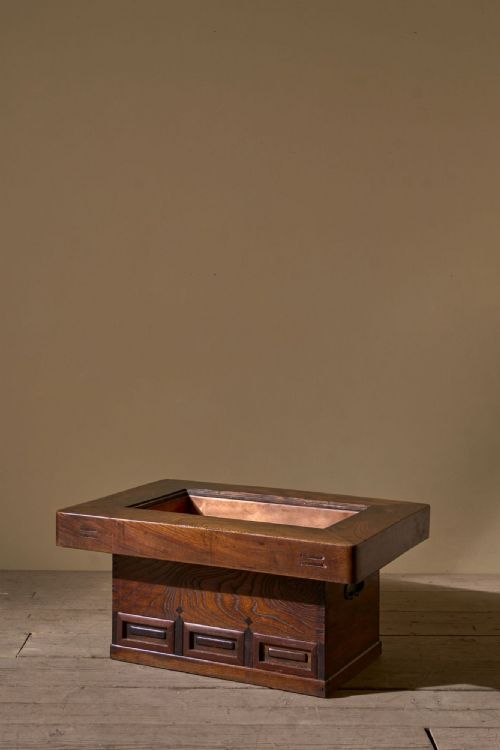
- Hibachi
- A traditional Japanese heating device, typically bowl-shaped and constructed from wood or metal. These items occasionally appear alongside domestic British fireside equipment.
Vintage Copper Hearth: Frequently Asked Questions
How do I clean a vintage copper hearth piece?
Maintenance depends entirely on whether you prefer a bright polished finish or an aged dark patina. Most collectors choose to leave the natural oxidation untouched, removing dust with a soft dry cloth.
If polishing is necessary, use a mild non-abrasive metal cream applied sparingly with a soft cloth. Avoid harsh chemical dips that strip away historic surface character.
What is the difference between a coal bucket and a coal scuttle?
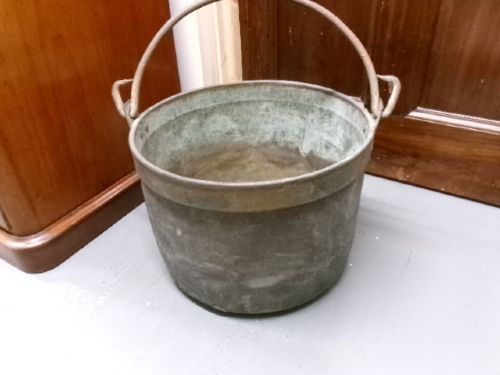
A coal bucket generally refers to a cylindrical or pail-shaped container designed with a sturdy handle for carrying fuel. They often feature brass bands or riveted seams.
A coal scuttle typically incorporates a sloping body and a specific pouring spout or angled opening to facilitate emptying fuel directly into the grate.
Are these copper hearth items safe to use for fires?
Many items, such as coal scuttles, fenders, and companion sets, remain entirely practical for modern fireside use. Solid construction and thick metal gauges allow them to perform their original functions reliably.
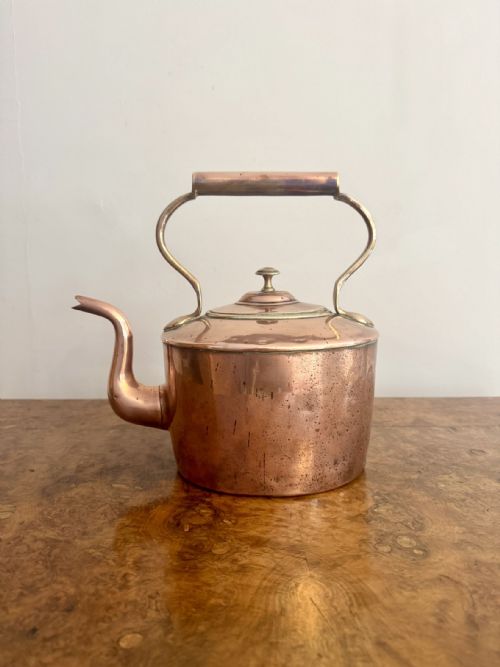
Items intended primarily as decorative fire screens or antique kettles should be assessed individually for structural integrity before exposure to active heat.
How can I date a copper hearth accessory?
Dating relies on observing manufacturing techniques, material combinations, and stylistic markers associated with specific periods. Georgian pieces often display hand-beaten surfaces and brass banding, while Victorian items frequently feature machine-rolled edges and cast brass ornamentation.
Construction details like hand-riveting versus modern welding provide strong clues to an object's age and origin.