


Copper Fireplace Surround
A copper fireplace surround brings warmth and reflective metal texture to a room, ranging from robust Arts and Crafts fenders to decorative Victorian kerbs.
Copper Fireplace Surround
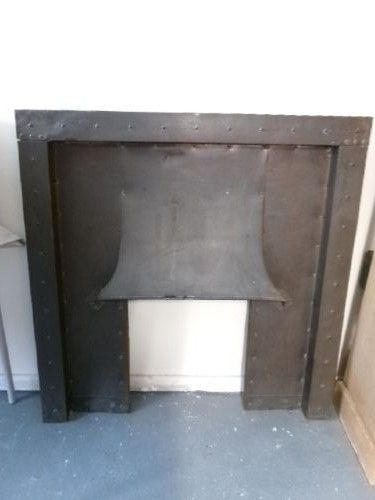
When you search for copper fireplace surround, you encounter a selection of hearth furniture spanning the Victorian, Edwardian, and early twentieth-century periods. These include fireplace fenders, kerbs, club fenders with leather seats, fire fronts with hoods, and embossed fire inserts.
The prevailing styles on this page belong to the Arts and Crafts and Art Nouveau movements, alongside straightforward Victorian designs. Forms range from simple beaten metal kerbs to complex assemblies combining brass, iron, steel, and leather.
How they were made
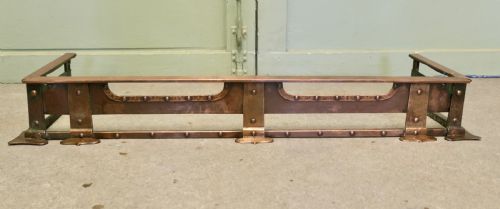
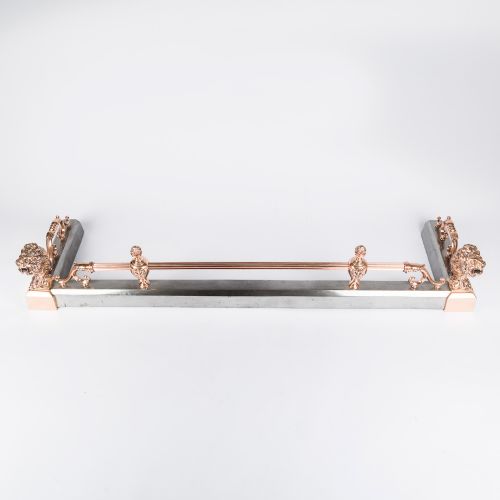
Maker's hands shaped these pieces primarily from sheet copper, often beating, riveting, or embossing the metal to create texture and pattern. Workshops frequently combined copper with brass, iron, and steel to construct sturdy frames and decorative mounts.
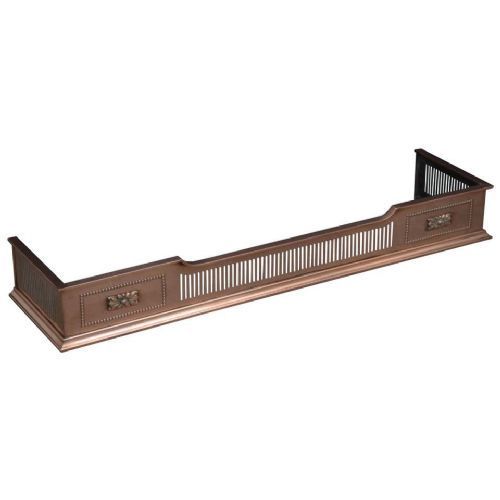
Surface ornamentation relied on traditional metalworking techniques, incorporating flower patera, beaded decoration, and heavy riveting typical of the Brutalist and Arts and Crafts styles.
Listings feature items spanning the Victorian, Edwardian, and early twentieth-century periods, predominantly styled in Arts and Crafts and Art Nouveau designs.
What varies in quality
The distinction between standard examples and finer pieces lies in the depth of hand-craftsmanship, visible in the precision of the beaten work and the weight of the metal gauge. Superior items display deliberate detailing such as crisp embossing, secure riveting, and thoughtful integration of secondary metals like brass and iron.
Design complexity also separates the ranges, where exceptional Arts and Crafts or Art Nouveau examples feature integrated hoods, upholstered leather club fender seats, or sophisticated floral motifs rather than plain rolled edges.
The Copper Fireplace Surround Glossary
- Copper fender
- A low metal guard placed around the hearth to contain stray embers. These frames define the fireplace boundary and often incorporate seating or decorative metalwork.
- Club fender
- A low fireside seat featuring upholstered leather top cushions supported by a metal frame. They originated in gentlemen's clubs to provide close warmth near the fire.
- Fire kerb
- A low barrier framing the hearth opening. It serves a similar containment function to a fender while sitting flush against the floor.
- Patera
- A circular ornamental disk carved or stamped in low relief. They frequently appear on Victorian metalwork mimicking classical architecture.
- Arts and Crafts
- A design movement valuing handcraft, natural materials, and visible construction methods. Pieces from this tradition avoid mass-produced uniformity in favour of expressive metal texture.
Copper Fireplace Surround: Frequently Asked Questions
What is a club fender?
A club fender is a low metal hearth surround fitted with padded leather top rails designed for sitting. They allowed people to gather close to the warmth of the open fire.
These pieces combine functional metal framing with comfortable upholstered seating, making them a central social feature in traditional rooms.
How do I date a copper surround?
Dating relies on stylistic markers and construction methods associated with specific eras like the Victorian, Edwardian, or Arts and Crafts periods. Art Nouveau curves and heavy riveting point toward the turn of the twentieth century.
Examining the underlying materials, such as iron frames paired with beaten copper, also helps place the piece within its historical decade.
Where should I place a fire kerb?
A fire kerb sits directly on the floor around the hearth perimeter to establish a physical boundary between the fire and the room. They work best on solid stone or brick hearths in front of active or decorative fireplaces.
Positioning the kerb correctly frames the fireplace opening and balances the proportions of the mantelpiece above.
How do I maintain polished copper?
Maintaining polished copper requires gentle cleaning to preserve the metal surface without stripping historical patination. Regular dusting and occasional mild metal care keep the bright finish intact.
Avoid harsh abrasives that scratch the hand-beaten texture and embossed details characteristic of period pieces.