



Victorian Copper Curb
These Victorian copper curb pieces anchor a hearth with warm metal and functional grace, offering the exact period character collectors seek.
Victorian Copper Curb
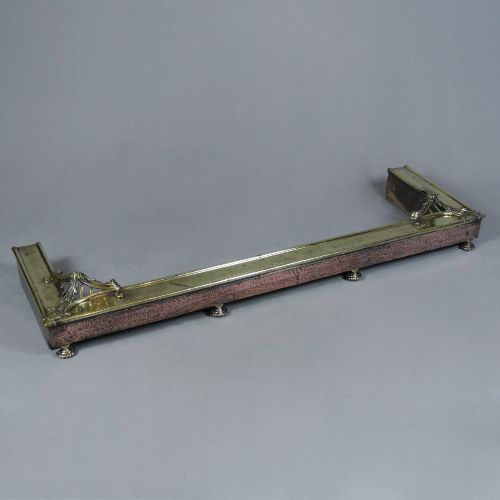
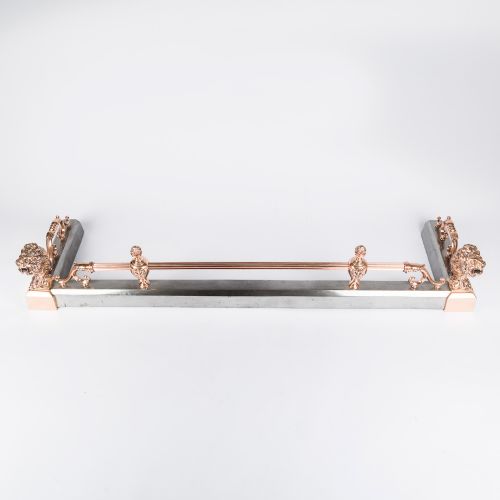
A Victorian copper curb functions as a fender or fire surround that frames the hearth, keeping stray embers contained while defining the fireplace centrepiece. Buyers searching this phrase encounter heavy metal guards that protect the carpet and elevate the look of a period room.
The pieces listed on this page span the Victorian, Edwardian, and turn-of-the-century periods, alongside specific design movements such as Arts and Crafts and Art Nouveau. Most examples combine copper with brass, iron, or steel to form robust architectural guards.
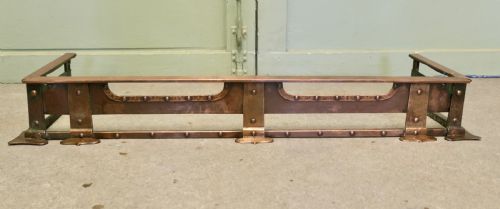
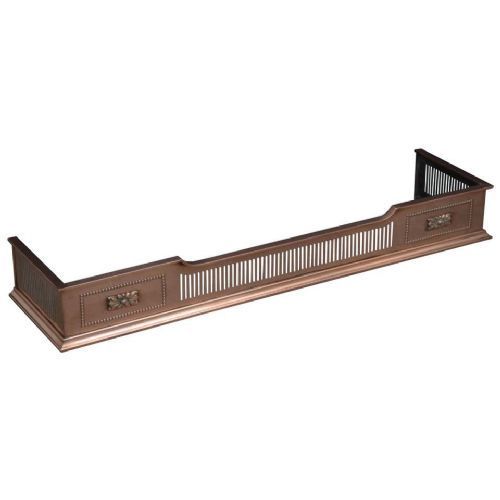
Forms range from simple riveted construction to elaborate decorative surrounds featuring floral motifs and beaten surfaces. Each fireplace accessory brings distinct nineteenth-century metalworking traditions directly to the domestic hearth.
Materials and Construction
Makers shaped these curbs primarily from sheet copper, often hammering the metal by hand to create beaten textures characteristic of the Arts and Crafts movement. Iron and steel provide internal structural strength, while brass components add contrasting decorative highlights to the primary copper body.
Rivets feature prominently in construction, holding the metal plates together with visible mechanical joints that double as aesthetic details. Polished finishes and decorative elements like flower patera and beaded decoration demonstrate skilled surface work by period metalsmiths.
Victorian Copper Curb Retail Price Guide 2026
Typical asking prices for victorian copper curb among the pieces listed under this phrase on Sellingantiques today, from the lower quarter to the upper quarter. They describe what is for sale here now, not the wider market.
Several pieces feature hand-beaten surfaces and rivet work that give heavy metal fire guards an unexpectedly organic touch.
Assessing Quality and Craftsmanship
Quality in a copper curb rests upon the weight of the metal and the integrity of the joinery, distinguishing sturdy hand-beaten pieces from lighter stamped alternatives. Superior examples display deliberate, even hammering marks and secure riveted construction that withstands decades of hearthside use.
Design execution separates standard production from exceptional artistry, particularly within Art Nouveau and Arts and Crafts pieces where thoughtful placement of brass details and floral patera elevates the object. The harmony between the structural iron frame and the outer copper sheath determines the overall refinement of the fender.
The Victorian Copper Curb Glossary
- Fender
- A low metal guard placed in front of an open fireplace to contain falling coals and sparks. This term appears interchangeably with curb and kerb in period listings.
- Patera
- A circular ornamental relief carved or stamped to resemble a classical libation dish. These motifs often appear on the corners or panels of fireplace surrounds.
- Beaten copper
- Sheet metal shaped manually with a hammer to produce a textured surface finish. This technique defines much of the Arts and Crafts metalwork.
- Art Nouveau
- A decorative style characterised by fluid, organic lines and stylised plant forms. Pieces from this movement often feature sweeping curves in copper and brass.
- Riveted
- Joined together using metal pins hammered flat at the ends. This method secures the copper plates to the internal iron or steel frame.
Victorian Copper Curb: Frequently Asked Questions
What is a copper curb used for?
A copper curb acts as a physical barrier around an open fireplace to stop hot coals and embers from reaching the floor coverings.
Beyond safety, it frames the hearth area and introduces period metalwork texture to the room.
How do I clean a copper fender?
Cleaning involves gentle dusting and the occasional use of a mild metal cleaner suitable for copper and brass surfaces.
Harsh abrasives should be avoided to preserve any historic patina or hand-beaten surface texture built up over the decades.
How do I date a Victorian curb?
Dating relies on stylistic clues such as floral patera, riveted construction details, and the characteristic flowing lines of Art Nouveau design.
Makers often combined Victorian proportions with Edwardian or Arts and Crafts movements around the turn of the century.
Are these curbs made entirely of copper?
Most examples combine a copper outer shell with an internal structure made of iron or steel for necessary weight and rigidity.
Brass is also frequently incorporated alongside the copper for decorative contrast in handles, feet, and floral motifs.