


Vintage Commercial Shop Counter
A vintage commercial shop counter turns trade history into a centrepiece, offering heavy timber framing, deep glass display areas and pragmatic storage designed for daily retail service.
Vintage Commercial Shop Counter
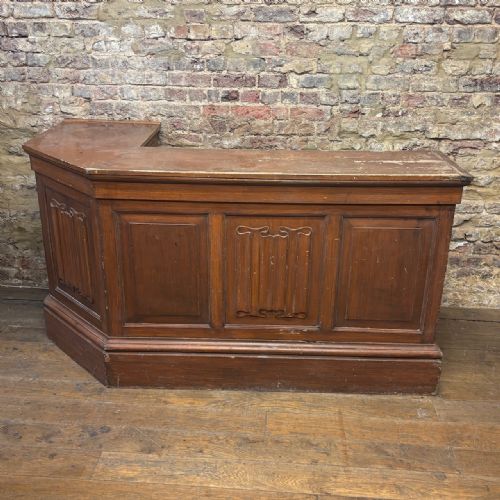
A vintage commercial shop counter serves as a heavy-duty utilitarian survivor from high streets and specialised merchants, designed to display goods while withstanding heavy daily retail service. Buyers seeking this phrase encounter large oak and mahogany serving pieces alongside glazed display cabinets, banks of drawers, and drapers tables originating from the nineteenth and early twentieth centuries.
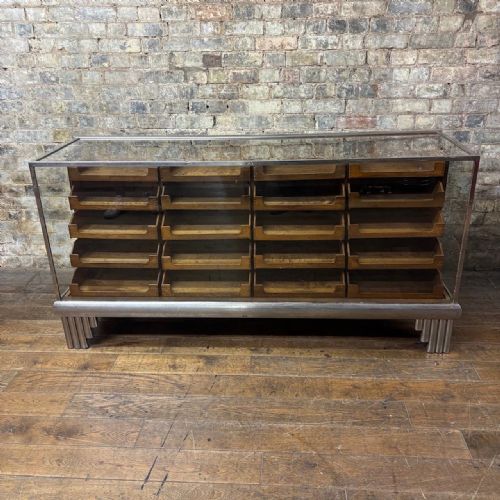
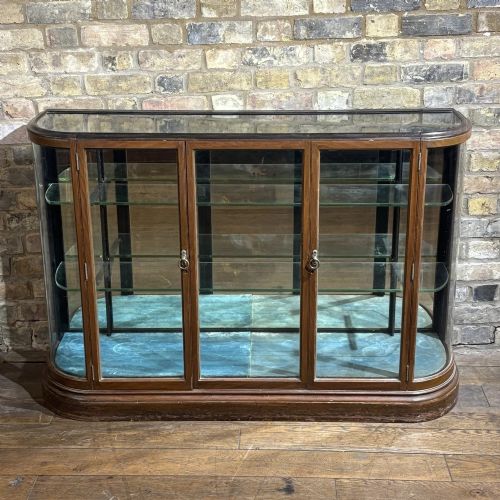
The selection ranges from grand multi-metre French oak drapers tables and panelled counters to compact countertop cabinets built for confectionery, tobacco, and pharmacy goods. Pieces originating from the Victorian and Edwardian eras predominate, alongside later Art Deco and 1930s designs incorporating chrome and aluminium framing.
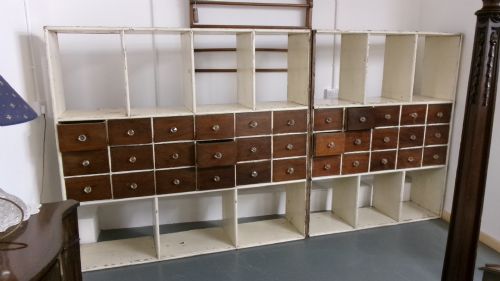
Specialised trade fixtures appear frequently, including haberdashery drawer units, chemist shop fittings, watchmaker cabinets, and butcher blocks. These items combine customer-facing display glass with behind-the-counter utility such as partitioned shelving and numerous small drawers.
Materials and construction
Construction relies heavily on dense timbers such as mahogany, oak, and pine, selected for structural stability under constant use. Joinery techniques prioritise durability, using panelled framing, dovetailed drawer construction, and heavy timber bracing to support thick plate glass tops and sliding doors.
Metal components introduce structural support and decorative contrast through brass, bronze, aluminium, and iron hardware. These metals appear in framing, handles, brackets, and manufacturer plaques, reflecting the industrial shifts from Victorian brasswork to 1930s chrome and aluminium.
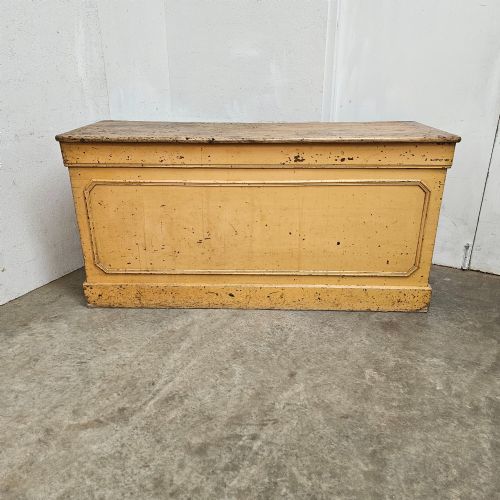
Surface treatments vary from polished hardwood finishes and original painted pine to exposed metal frames and mirrored interiors. Many surviving pieces retain traces of utilitarian use through original paint layers, maker branding, and period advertising glass.
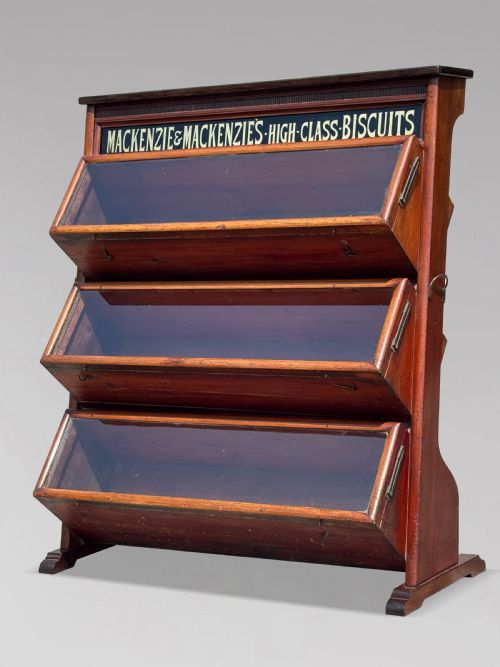
Several counters retain original advertising glass for confectionery brands, reminding buyers of sweet shop queues past.
Design integrity and survival
Quality separates mass-produced utility fixtures from bespoke retail installations built by notable shopfitters. Superior pieces show refined timber selection, such as figured mahogany or quarter-sawn oak, matched with sophisticated glazing bars and integrated mirror backings.
Originality dictates the standing of each piece, distinguishing items that retain their original glass, handles, and painted surfaces from those altered during later commercial updates. The presence of documented maker plates, etched advertising glass, and functional internal partitions elevates the historical value of a counter.
Dudley & Co·G H Gledhill Halifax·Manoah Rhodes & Sons Ltd·F. Sage & Co. London·Saml. Elliott & Sons·Trussant & Cie
The Vintage Commercial Shop Counter Glossary
- Haberdashery cabinet
- A multi-drawer storage unit designed for ribbons, threads, and small sewing goods. These pieces typically feature numerous shallow drawers with glass fronts or brass pull handles.
- Draper table
- A long, wide wooden table used in textile and clothing trade shops for measuring and folding cloth. They are characterised by their generous proportions and sturdy timber construction.
- Shop fitting
- A permanent or semi-permanent fixture built specifically for interior retail trade. This category includes fitted shelving, counters, and banks of drawers designed for specific merchants.
- Chemist shop fitting
- Specialised apothecary and pharmacy storage cabinetry featuring numerous small drawers and labelled compartments. These units accommodated powders, dried herbs, and medical bottles.
- Countertop display cabinet
- A smaller glazed showcase placed upon a main serving counter to draw attention to high-value or impulse items. They frequently feature hinged or sliding rear glass doors for staff access.
Vintage Commercial Shop Counter: Frequently Asked Questions
What rooms suit a vintage commercial shop counter?
These large counters find natural placement in spacious kitchens as islands, or in living spaces and hallways where deep storage and display surfaces are useful.
Their substantial timber frames and glass tops also serve well in home offices or retail showrooms looking for authentic period character.
How were haberdashery cabinets originally used?
Haberdashery cabinets stored small sewing supplies, ribbons, and fasteners behind numerous shallow, compartmentalised drawers.
Shop assistants pulled out specific trays to show customers options without disrupting the main stock.
Can I use a drapers table for dining?
Large drapers tables provide ample surface area and sturdy timber construction suitable for communal dining or large work desks.
Their historical height and generous length accommodate seating well once chair clearance is checked against the undercarriage.
How do I identify Victorian shop counters?
Victorian examples typically feature dense hardwoods like mahogany and oak, heavy panelled construction, and traditional brass hardware.
Look for hand-dovetailed drawer joints and signs of utilitarian wear consistent with nineteenth-century retail use.