
Vintage Column Reading Light
These vintage column reading light pieces bring architectural dignity and steady task illumination into a room, drawing on classical orders from Victorian and Edwardian decades.

Vintage Column Reading Light
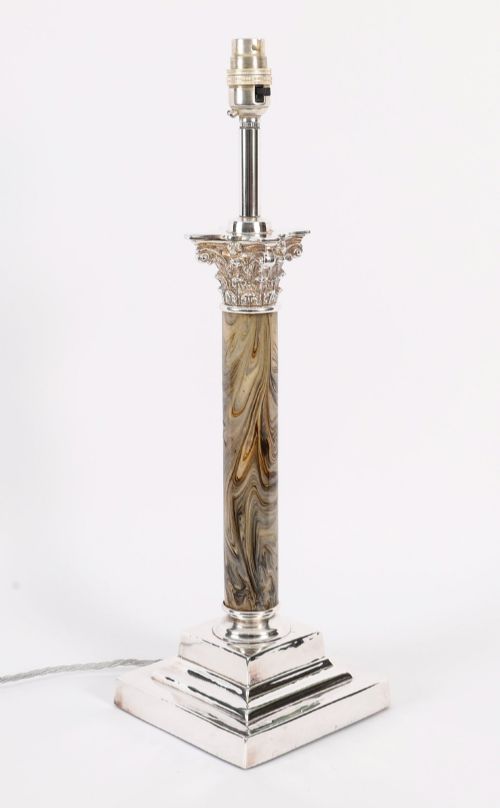
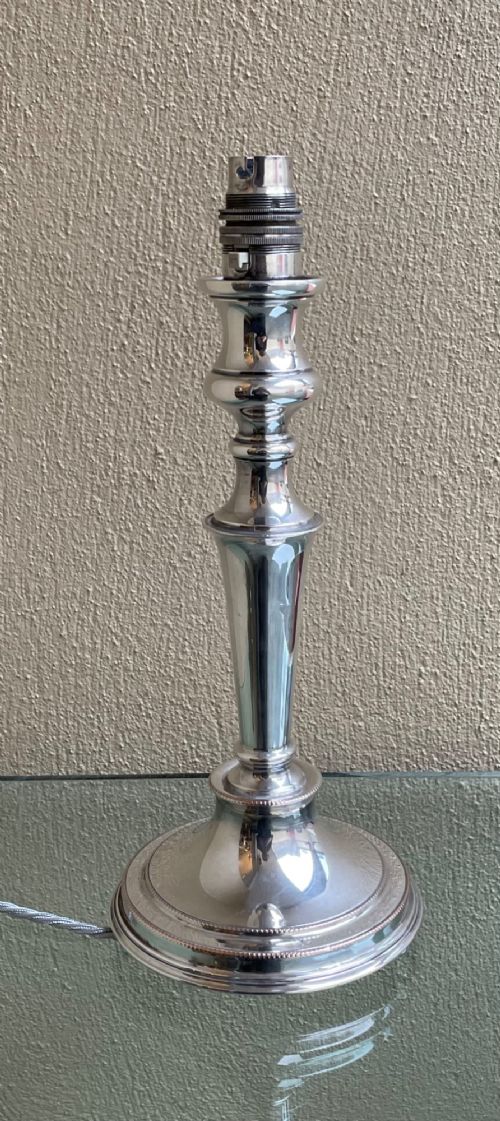
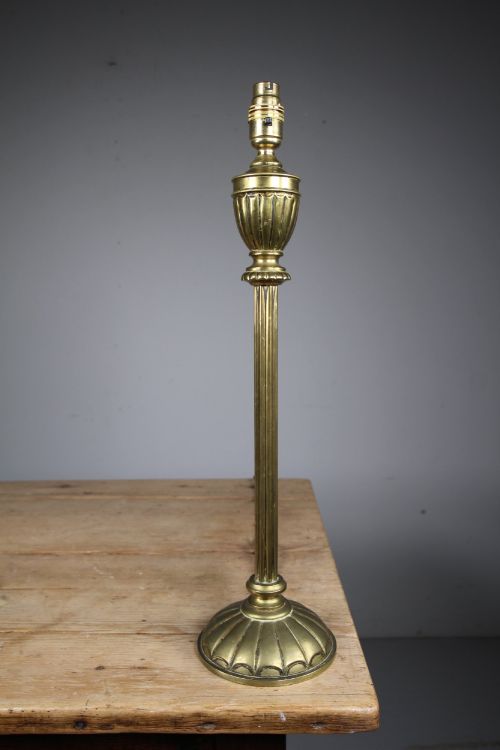
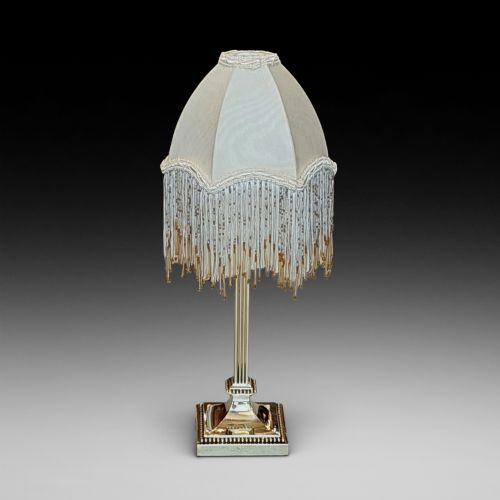
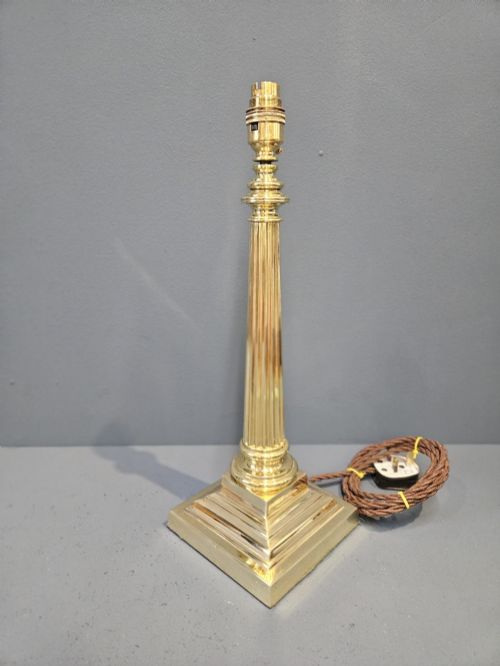
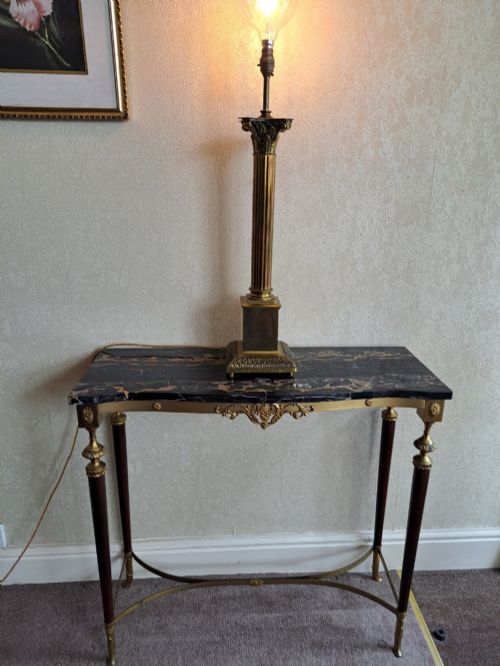
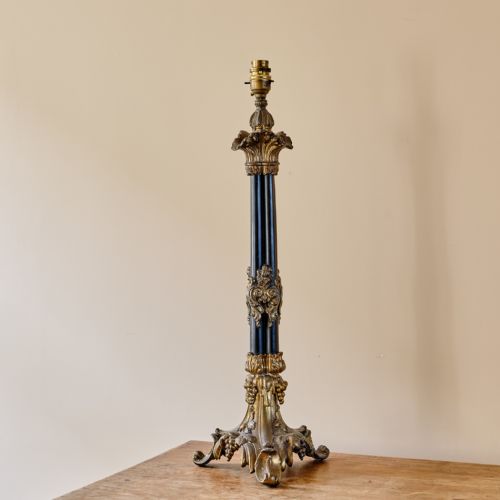
A vintage column reading light stands as an upright pillar, channeling classical architecture into domestic illumination. Buyers hunting for a vintage column reading light encounter tall floor standards and substantial table lamps rooted in the nineteenth and early twentieth centuries.
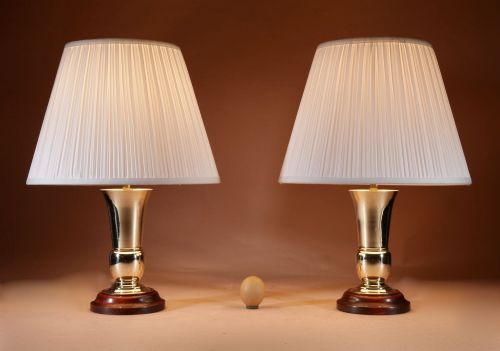
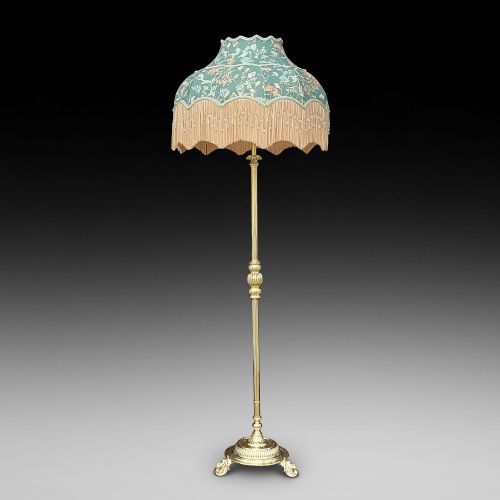
The selections span Victorian, Edwardian, and George V periods, drawing heavily on Neoclassical and Art Deco design vocabularies. Forms range from heavy table models to adjustable floor standards designed for reading beside a chair.
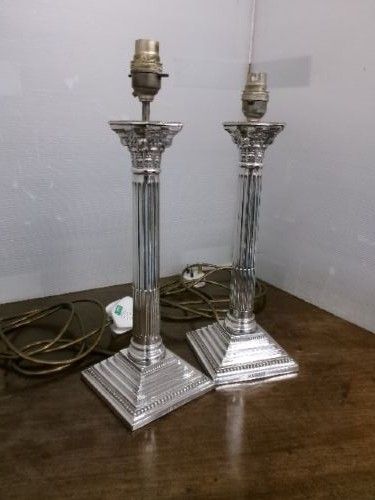
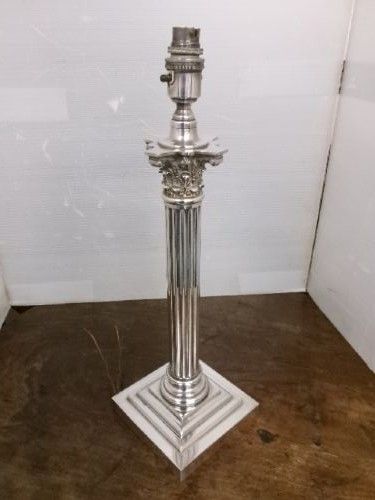
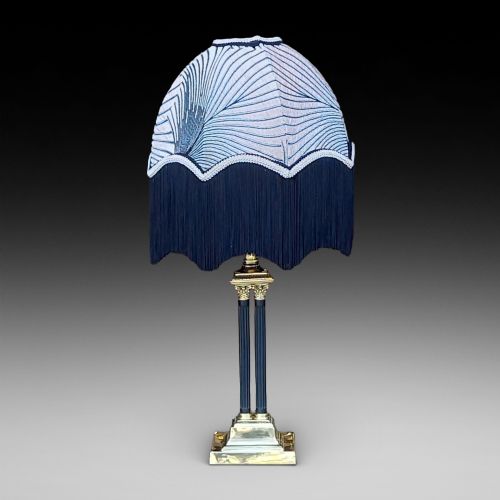
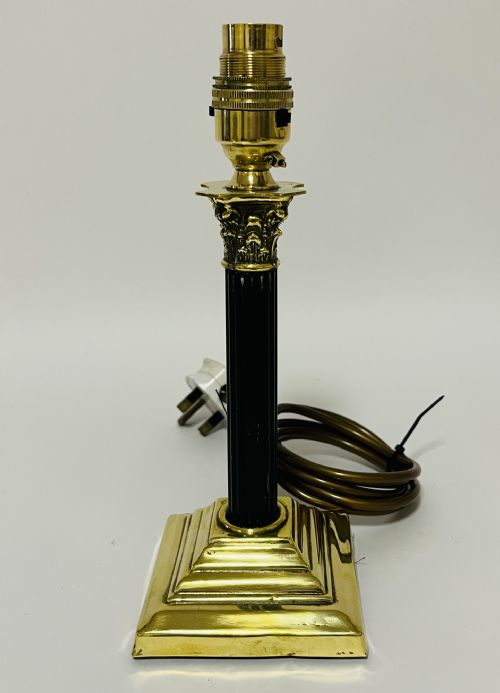
Origin points reflect British and French workshop traditions, utilising classical orders such as Corinthian, Doric, and ionic capitals atop fluted or reeded shafts.
Distinctions in Quality
Quality rests in the crispness of the cast bronze or brass detailing, particularly the acanthus leaves on Corinthian capitals and the sharpness of fluting along the column shaft. Weight distribution dictates stability, with superior examples utilising heavy cast bases rather than weighted shells.
Subtleties in finish work, from the depth of silver plating to the integration of marble and patinated copper, separate standard production pieces from ambitious workshop commissions. The integrity of adjustable mechanisms on floor standards marks another tier of execution.
A nineteenth-century reflector candle lamp proves that victorians engineered serious brass machinery just to read by the flicker of a single wax taper.
JOSEPH HINKS
The Vintage Column Reading Light Glossary
- Corinthian capital
- The uppermost decorative member of a column, characterised by ornate carved acanthus leaves and scrolls. This detail appears frequently on nineteenth-century silver-plated and brass lamp bases.
- Standard lamp
- A tall floor lamp designed to stand beside furniture and cast light downward for tasks such as reading. These pieces often incorporate adjustable stems.
- Opaline glass
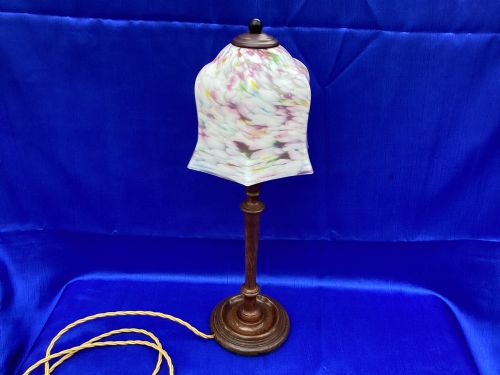
- A milky, semi-translucent glass used for lamp bodies and shades during the Victorian and Edwardian eras. It diffuses light softly across the room.
- Reeded column
- A shaft decorated with parallel convex mouldings running vertically along its length. This classical detail adds texture and visual weight to table lamps.
- Neoclassical revival
- A late nineteenth and early twentieth-century style drawing inspiration from classical Greek and Roman architecture. It governs the proportions and capital designs of many columns in this category.
Vintage Column Reading Light: Frequently Asked Questions
How do I date a brass column lamp?
Dating relies on stylistic shifts between Victorian exuberance, Edwardian refinement, and later Art Deco geometric austerity. Manufacturers often stamped bases or registered designs during the late nineteenth and early twentieth centuries.
Material choices also guide attribution, as heavy cast brass transitions to lighter silver-plated compositions and occasional timber forms by the nineteen-twenties.
Were these lamps originally electrified?
Many taller examples began as oil lamps before undergoing conversion to electricity during the twentieth century. Standard floor lamps and table models frequently feature historical burner assemblies adapted for modern bulbs.
Rewired examples preserve the original brass or bronze columns while updating internal components for safe contemporary domestic use.
How should I place a standard reading light?
Standard floor lamps suit positions beside armchairs or low sofas where direct task illumination is required for reading. Adjustable stems allow the height of the light source to be modified.
Table models function well on sideboards, desks, or pedestals, anchoring corners of a room with vertical architectural presence.
What distinguishes French column lamps from British ones?
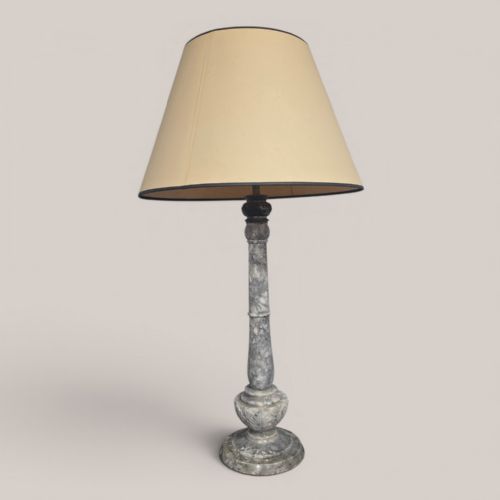
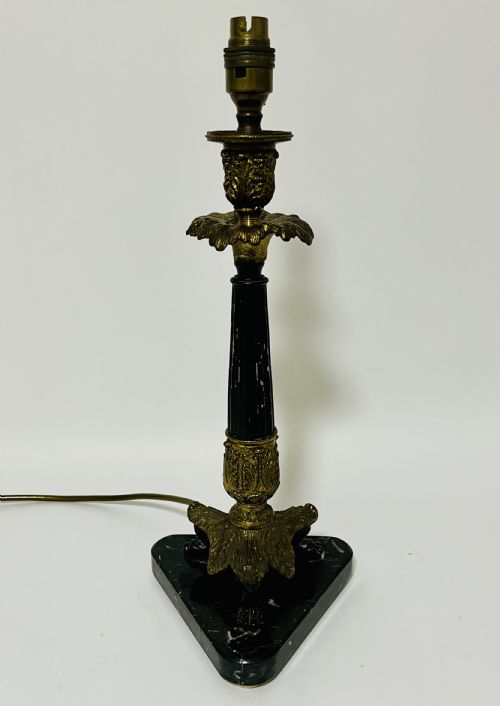
French examples frequently incorporate contrasting materials such as polished marble bases and gilt bronze elements. They often reflect Empire or French Neoclassical design influences.
British production leans toward robust brass and silver-plated Corinthian or Doric columns with strict adherence to classical architectural proportions.