

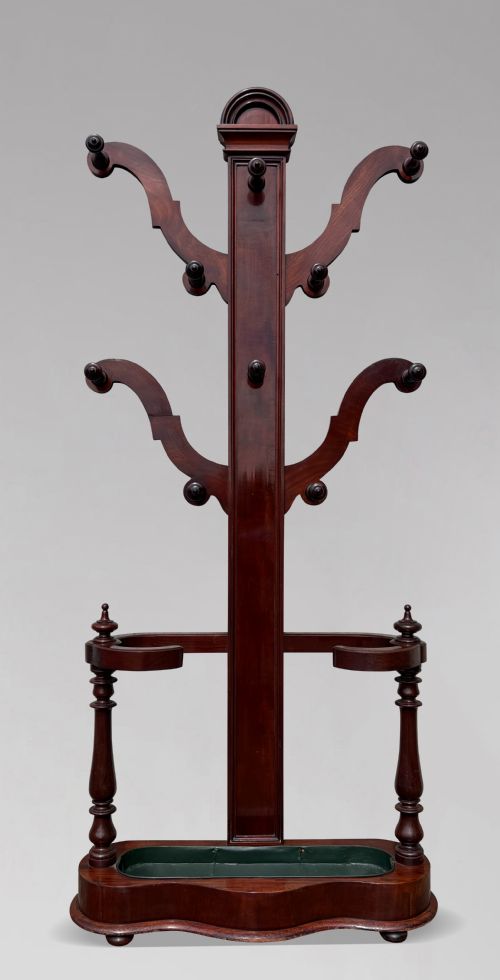


Vintage Coat Peg Stand
These vintage coat peg stand pieces bring practical entrance storage with period character, fashioned from oak, mahogany, and brass.
Vintage Coat Peg Stand
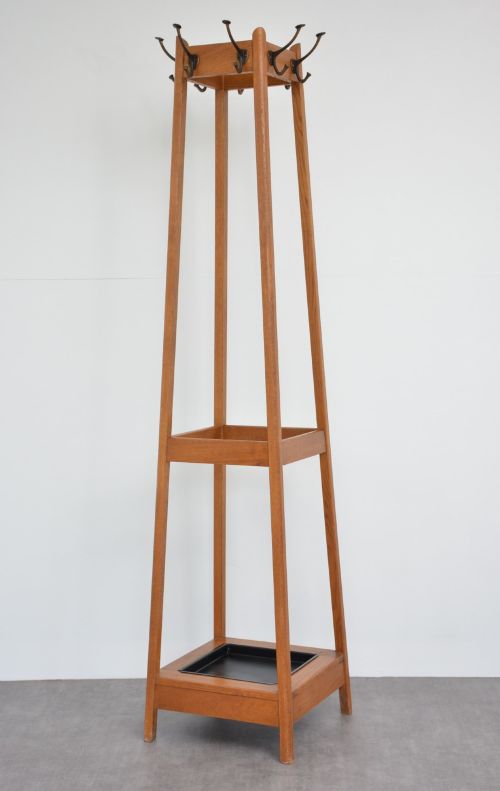
When you search for a vintage coat peg stand, you are looking at entrance furniture and wall fittings designed for hats, coats, and umbrellas. The selections here span the Victorian, Edwardian, and Art Deco periods, ranging from wall-mounted coat racks to large hall stands.
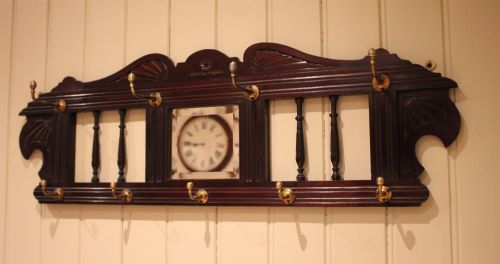
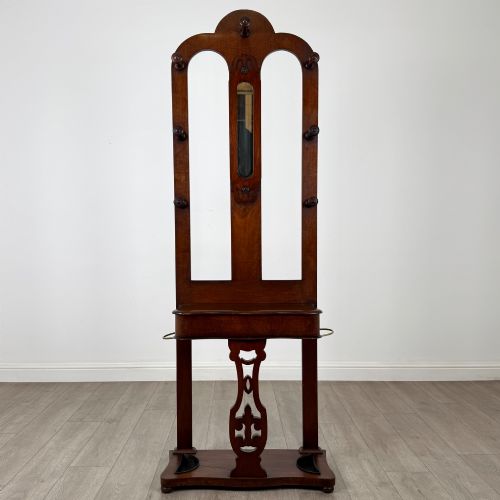
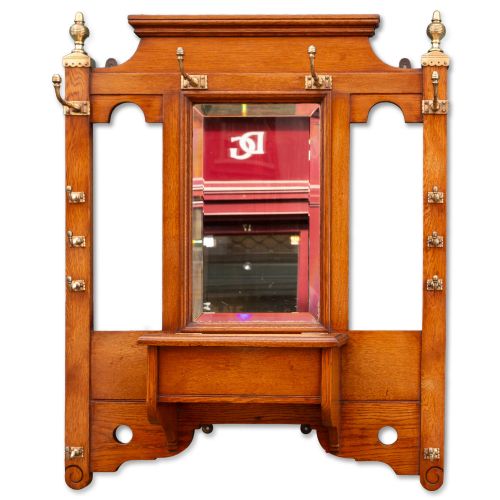
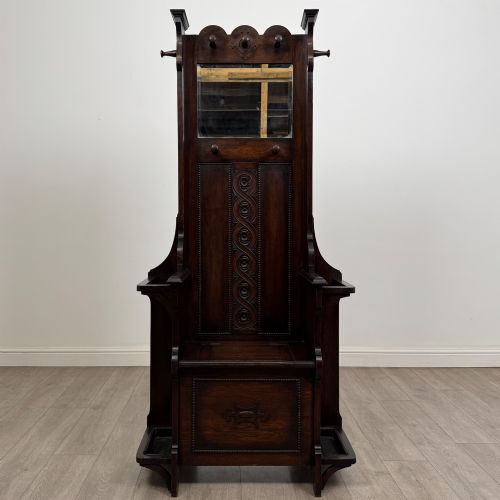
You are most likely to meet oak and mahogany hall stands alongside wall-mounted coat racks fitted with brass or cast iron hooks. These pieces originate from various eras, including the late nineteenth century and the early twentieth century, incorporating functional additions like drip trays and mirrors.
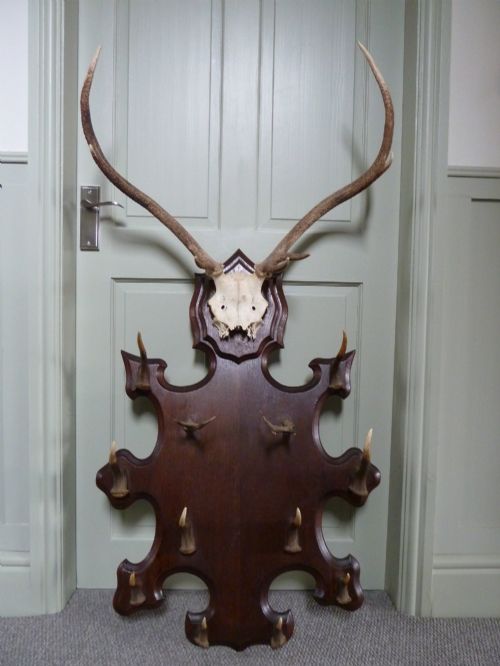
The assortment includes country house stags horn designs, bentwood hat and coat stands, and industrial iron pieces with integrated umbrella holders. Each variation serves the traditional purpose of reception hall and cloakroom storage with distinct period materials.
How they were made
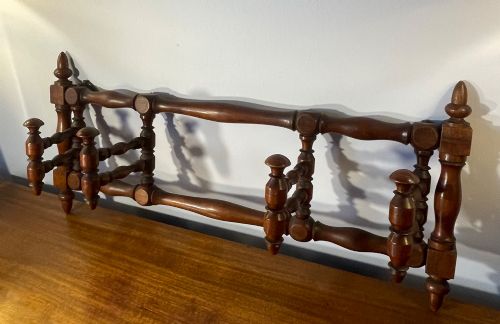
Cabinet makers utilised solid timbers such as oak, walnut, and mahogany to construct the heavy frames of hall stands and wall racks. These wooden elements were frequently carved or bent, as seen in bentwood hat and coat stands from around nineteen hundred.
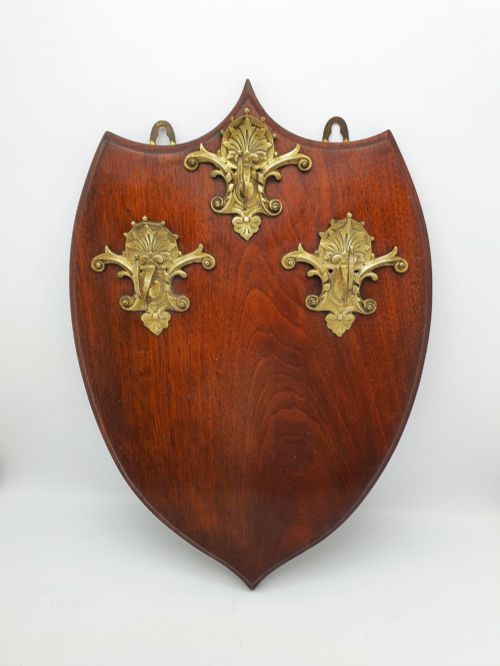
Metal components played a structural and decorative role, with brass and cast iron utilised for mounted hooks, rails, and umbrella drip trays. Glass mirrors and bone or stags horn details were incorporated into Victorian and country house pieces to complete the functional design.
Vintage Coat Peg Stand Retail Price Guide 2026
Typical asking prices for vintage coat peg stand among the pieces listed under this phrase on Sellingantiques today, from the lower quarter to the upper quarter. They describe what is for sale here now, not the wider market.
Periods represented span from the Victorian era and the nineteenth century through the Edwardian period to nineteen fifty.
What varies in quality
The distinction across the range lies in the selection of materials and the integrity of the construction, from simple wall-mounted oak rails to elaborate mahogany hall stands with integrated mirrors and barometer attachments. Better examples combine robust hardwoods like golden oak or walnut with substantial brass hardware and original fitted components.
Design complexity also defines the piece, as seen in items featuring specialised details like stags horn mounts, bentwood framing, or integrated umbrella holders with metal drip trays. The refinement of the timber carving and the retention of original glass and metal elements distinguish the standard items from the finer productions.
The Vintage Coat Peg Stand Glossary
- Hall Stand
- A piece of entrance furniture combining coat hooks, a hat rack, a mirror, and frequently an umbrella stand with a drip tray. These items dominated Victorian and Edwardian reception halls.
- Bentwood
- Wood softened by steam and bent into curved structural forms, a technique popular for lightweight hat and coat stands around nineteen hundred.
- Stags Horn
- Antler material utilised for decorative and functional coat hooks on country house hall stands. This organic medium provides a rugged texture to nineteenth-century pieces.
- Drip Tray
- A metal basin positioned at the base of a hall stand to catch water from wet umbrellas. It protects the surrounding timber floor or base from moisture damage.
- Barometer
- A weather-measuring instrument occasionally integrated into the upper wooden panel of a hall stand. These multifunctional additions served practical domestic needs in period households.
Vintage Coat Peg Stand: Frequently Asked Questions
What is a hall stand?
A hall stand is a large piece of furniture designed for an entrance hall or reception room, combining coat hooks, a mirror, and umbrella storage.
These items provided a central location for outdoor garments and accessories upon entering a nineteenth or twentieth-century home.
How do I use a wall-mounted coat rack?
Wall-mounted coat racks are fixed securely to hallway or cloakroom walls to hang hats, coats, and scarves without occupying floor space.
They offer a compact storage solution while displaying period brass, iron, or wooden hook craftsmanship.
How do I distinguish Victorian from Edwardian stands?
Victorian pieces often feature darker timbers like mahogany, heavier carved ornamentation, and occasionally stags horn or cast iron elements.
Edwardian and later twentieth-century examples tend to utilise golden oak with cleaner lines and lighter proportions suited to smaller spaces.
Where were these stands placed?
These pieces were positioned in entrance halls, reception rooms, and cloakrooms of period houses to greet visitors and store outdoor wear.
Their integrated mirrors and umbrella holders served the daily practical requirements of household residents and guests alike.