

Vintage Coal Container
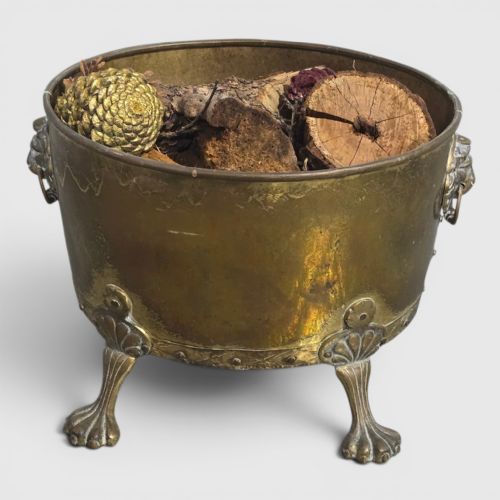
A vintage coal container brings utilitarian hearthside metalwork and timber into modern rooms as a practical log bin or planter.
Vintage Coal Container
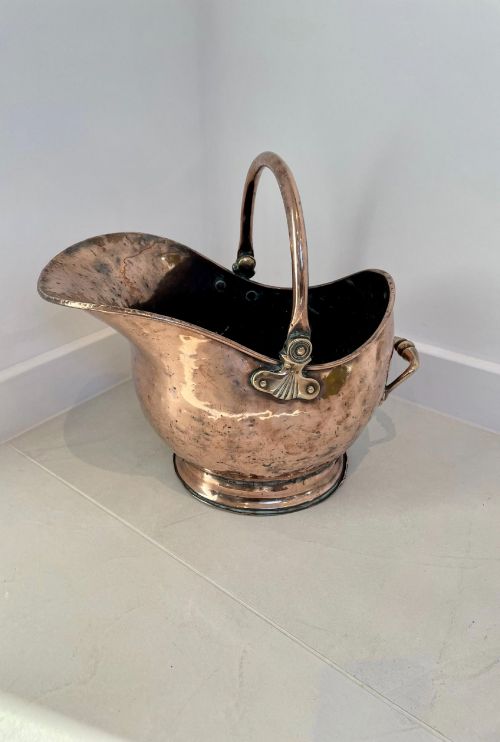
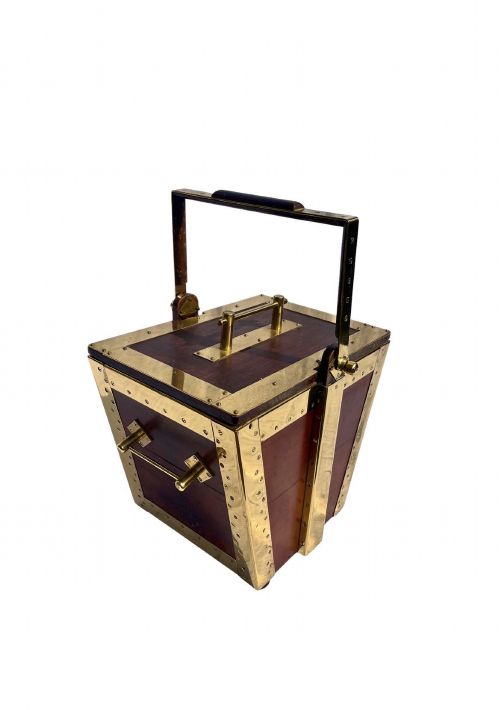
A vintage coal container serves the hearth by holding fuel near the fire, taking forms such as buckets, scuttles, helmets and boxes. These items appear across the nineteenth century, the Victorian and Edwardian eras, and into the nineteen-thirties.
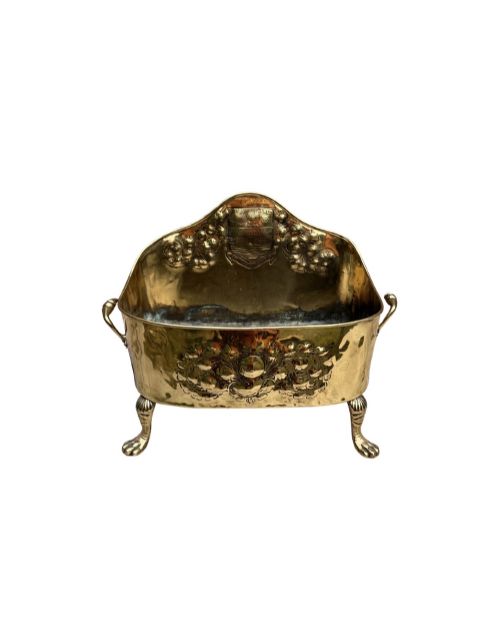
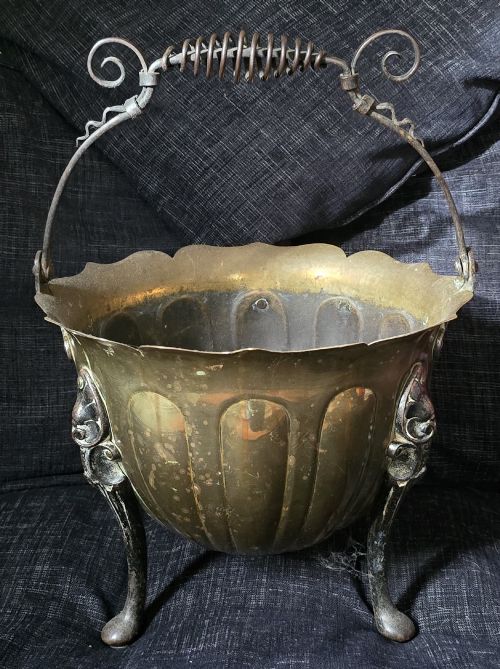
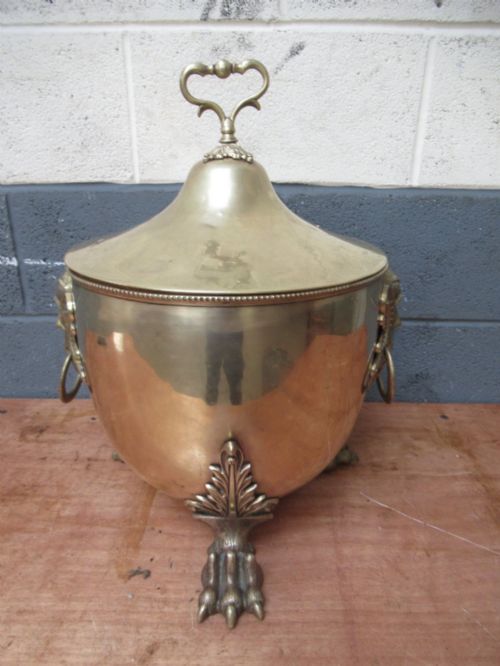
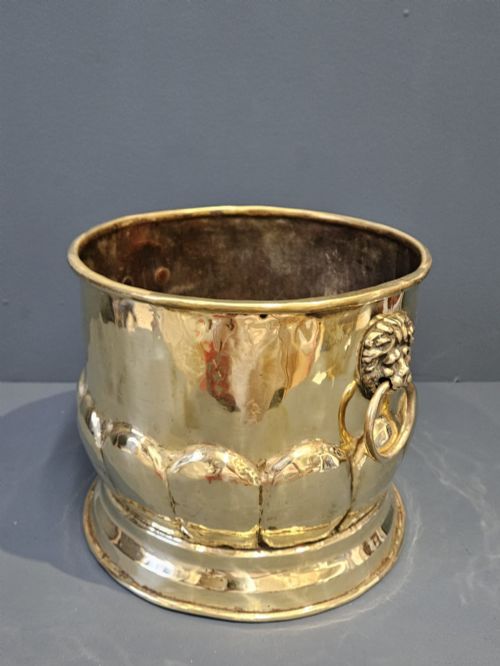
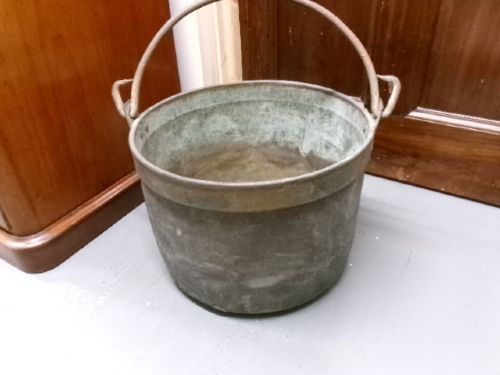
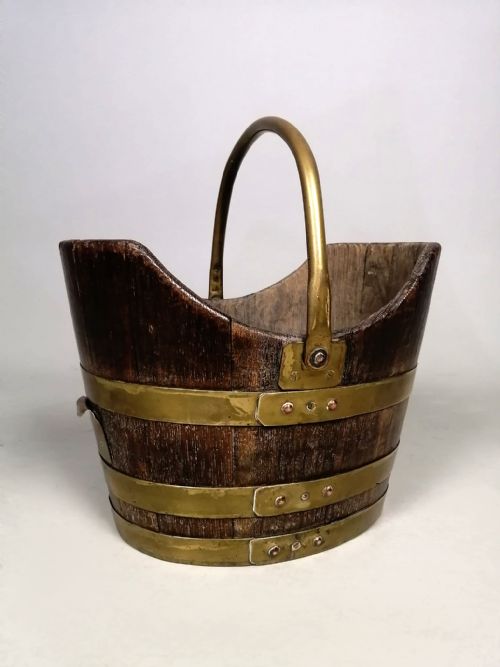
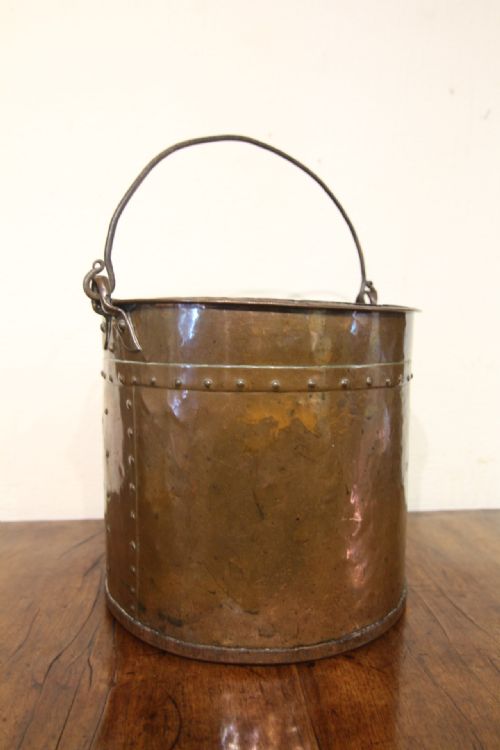
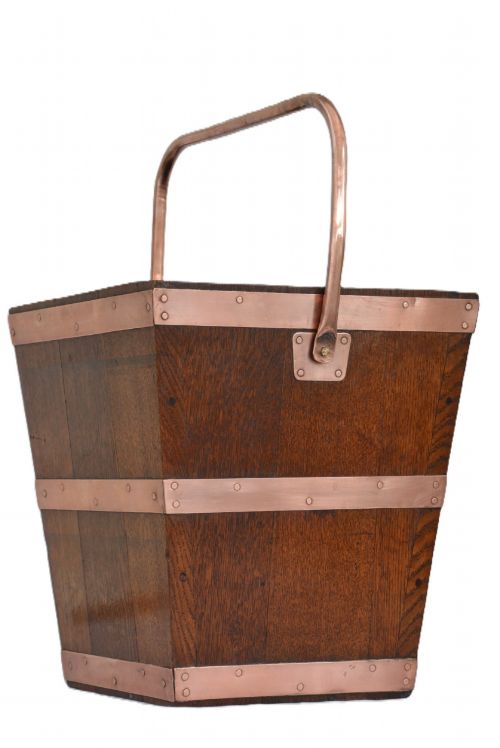
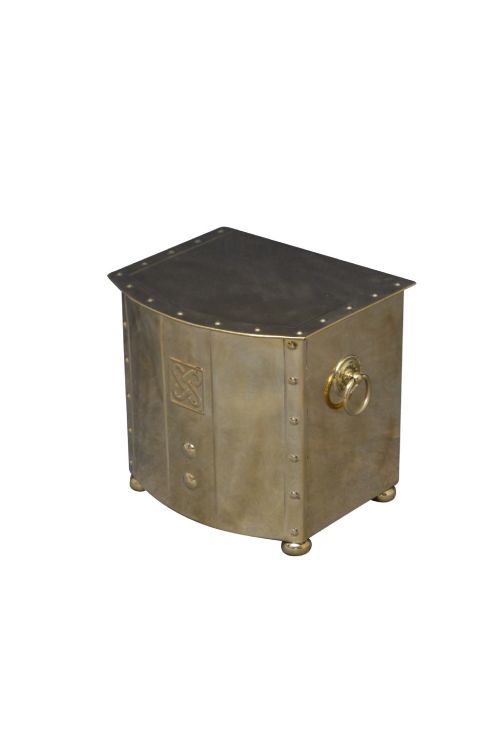
The most frequent examples on this page are copper and brass vessels from the Victorian period, often bearing swing handles and riveted construction. Alongside metal buckets, country oak and other wood log boxes represent the domestic fireside accessories of the era.
Materials and construction
Metal vessels rely heavily on sheet brass and copper, joined with visible rivets and fitted with wrought iron or brass handles. Many examples combine both metals, using brass bands or swing handles on copper bodies.
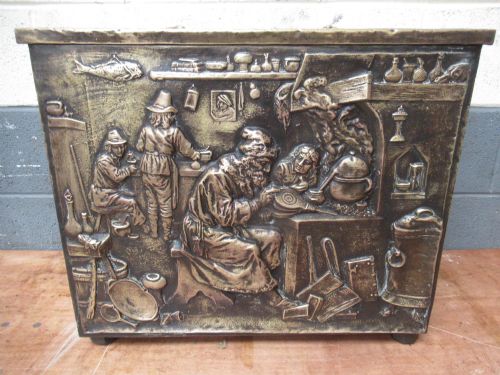
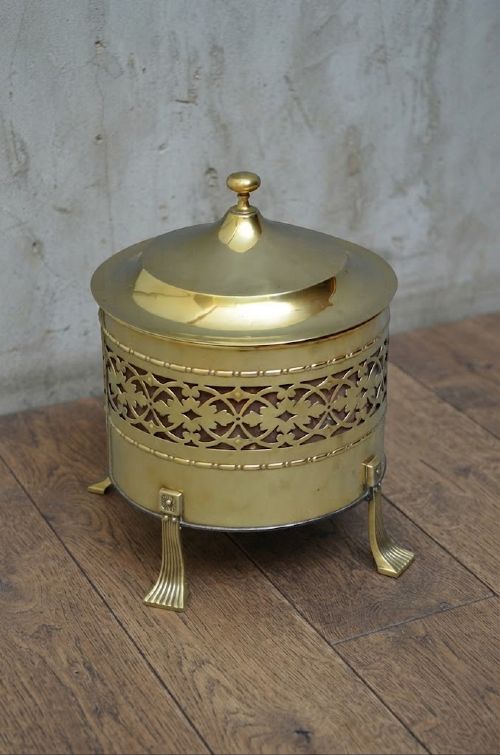
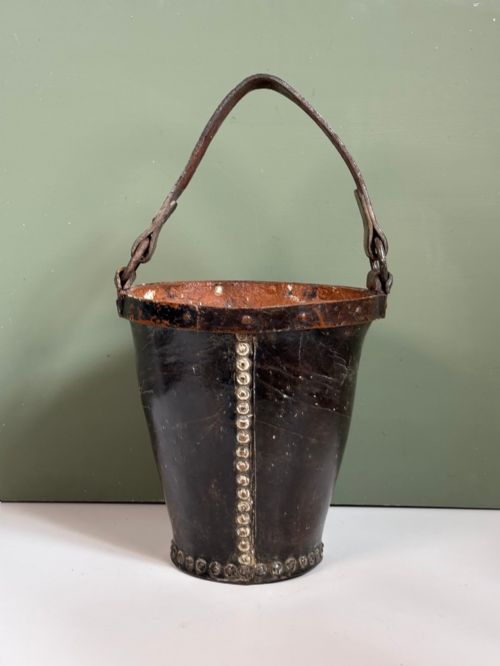
Wooden boxes utilise oak and other timbers, sometimes complemented by decorative metalwork, embossed brass panels, or fretwork designs. Makers also employed boiled leather and toleware for specific fireside container forms.
Vintage Coal Container Retail Price Guide 2026
Typical asking prices for vintage coal container among the pieces listed under this phrase on Sellingantiques today, from the lower quarter to the upper quarter. They describe what is for sale here now, not the wider market.
Some nineteenth-century makers decorated coal boxes with cheerful tavern scenes, ensuring the fuel supply came with a side of local storytelling.
Assessing quality in hearth vessels
Quality rests upon the weight of the metal gauge, the crispness of any embossed or hammered decoration, and the integrity of the original riveted joints. Substantial brass and copper plates resist the dents and deformations common in lighter utilitarian items.
The presence of original matching shovels, liners, and secure iron frames elevates a piece above standard domestic utilitarianware. Finer examples display deliberate stylistic alignment with Arts and Crafts or Art Nouveau design principles rather than generic manufacture.
Benham and Froud
The Vintage Coal Container Glossary
- Coal scuttle
- A bucket or box designed for carrying and storing domestic coal. These often feature a tilted opening or a hinged lid for easy access.
- Coal helmet
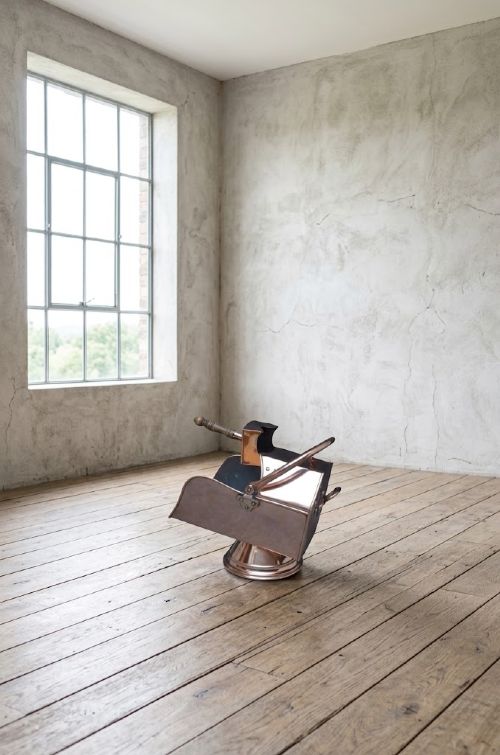
- A specific scuttle shape widening at the mouth like a classical helmet, usually fitted with a back handle and a smaller grip underneath.
- Log bin
- A larger container intended for firewood rather than small coal pieces. They frequently appear in oak, riveted copper, or iron frames.
- Toleware
- Japanned or painted metalware produced to imitate Asian lacquer techniques. It provides a dark, durable surface on domestic containers.
- Fretwork
- Openwork ornamentation cut into metal or wood panels. This technique adds decorative pattern to the body of a bucket or box.
Vintage Coal Container: Frequently Asked Questions
What is a vintage coal container?
A vintage coal container is a utilitarian hearth accessory designed to hold solid fuel by the fireplace. They take various forms, including buckets, helmets, boxes and bins.
Today, these vessels find frequent reuse as indoor log holders or plant pots. Their durable construction makes them practical for modern domestic storage.
How do I date a copper coal bucket?
Dating relies on observing construction methods, material choices and prevailing design styles. Hand-riveted copper bodies and specific maker marks often point to the nineteenth century.
Victorian and Edwardian examples frequently incorporate Arts and Crafts or Art Nouveau motifs. Comparing the handle attachments and liner types helps narrow the manufacturing period.
Can I use these for logs instead of coal?
Many of these containers were originally manufactured for coal yet suit firewood equally well. Larger copper bins and oak boxes accommodate logs comfortably.
Checking the interior capacity and overall sturdiness ensures the vessel handles heavier timber. Original metal liners help catch bark and debris.
How do I clean old brass and copper?
Cleaning depends on the desired finish, as many collectors prefer to preserve the aged patina. Gentle washing with warm soapy water removes accumulated dust and soot.
Harsh abrasive polishes can strip historic surface characteristics from nineteenth-century metalwork. Light maintenance keeps the material stable without erasing its age.