
Vintage Clothes Wardrobe
A vintage clothes wardrobe brings scale and honest timber to a bedroom, offering heavy storage built to last.
Vintage Clothes Wardrobe
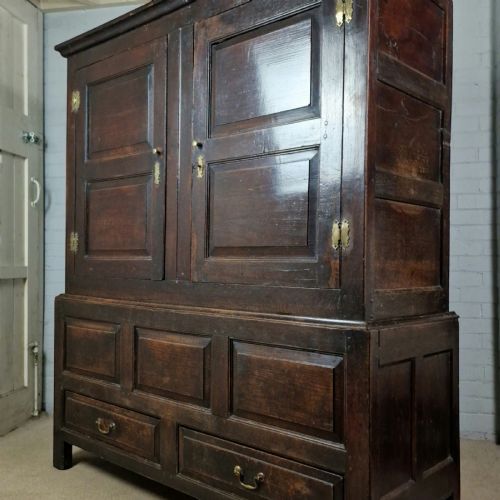
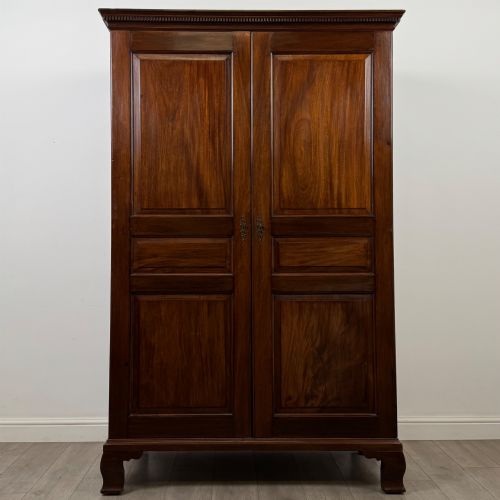
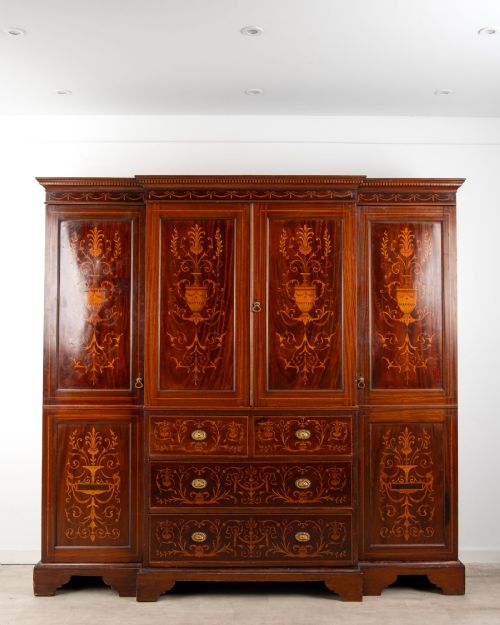
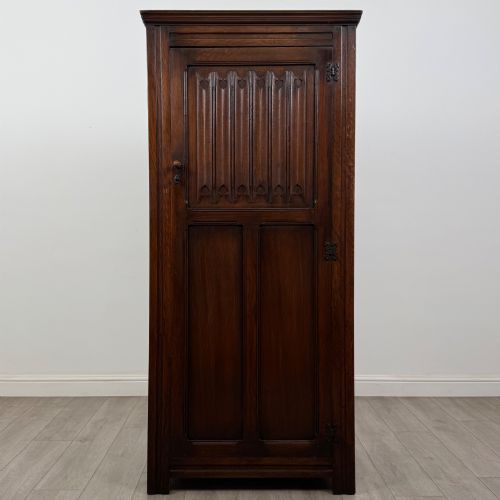
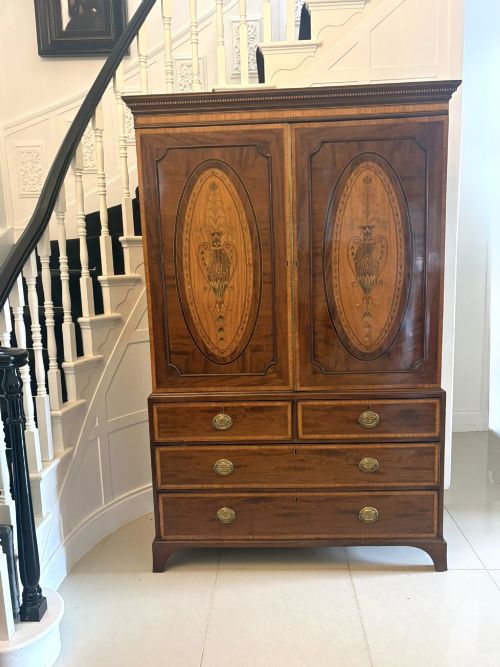
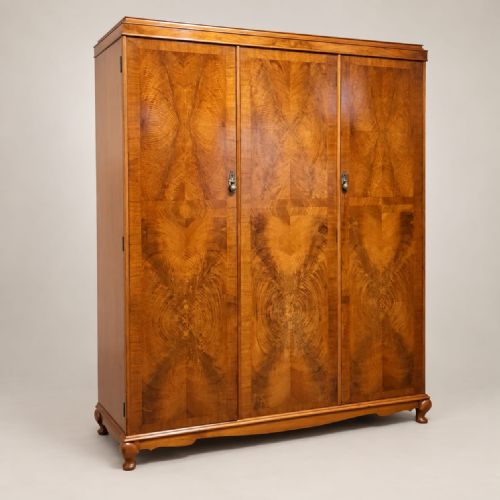
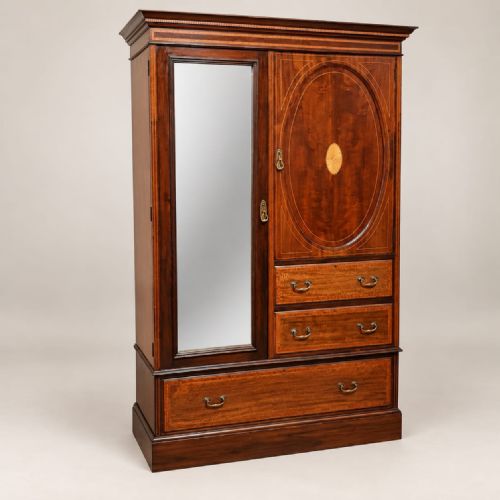
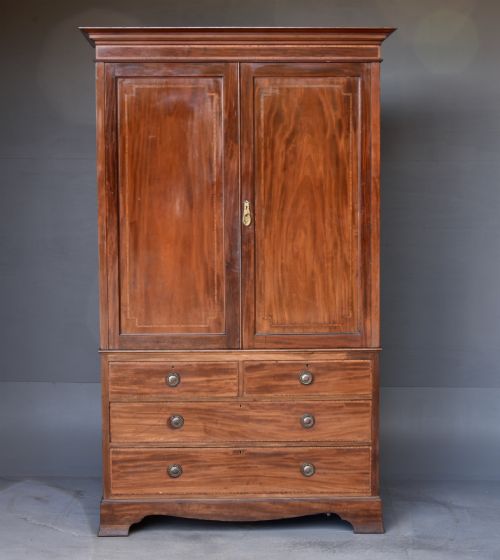
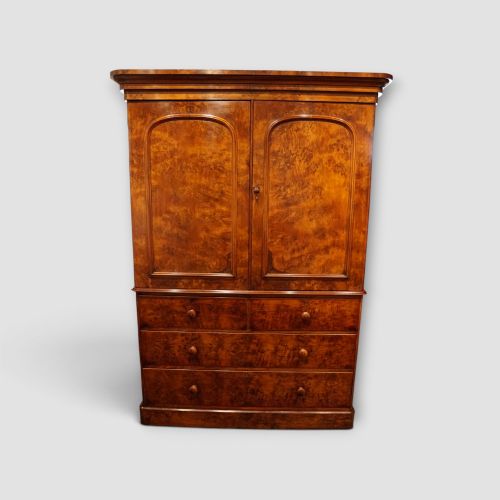
A vintage clothes wardrobe is a substantial piece of furniture designed for hanging garments and storing linens, spanning periods from the nineteenth century through the Art Deco era. When searching for a vintage clothes wardrobe, buyers encounter everything from compact single doors to massive triple-section furniture.
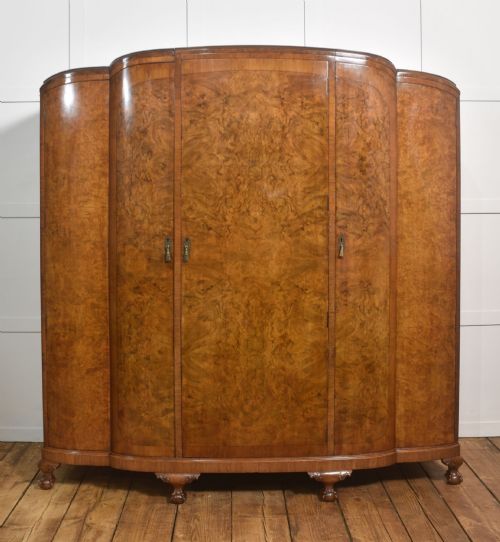
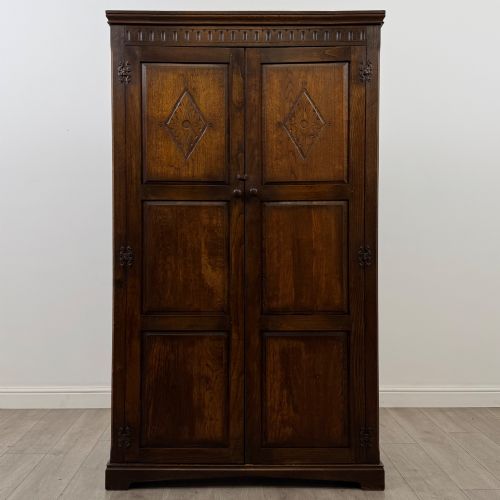
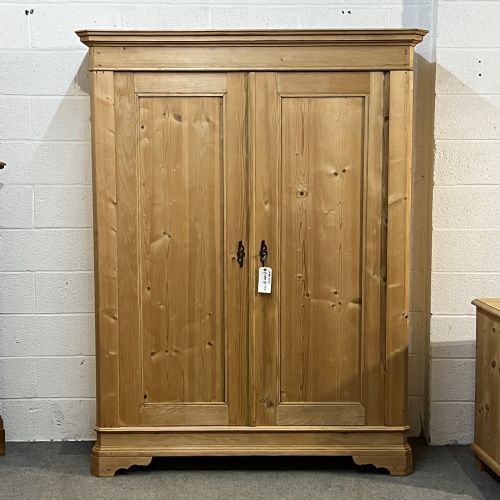
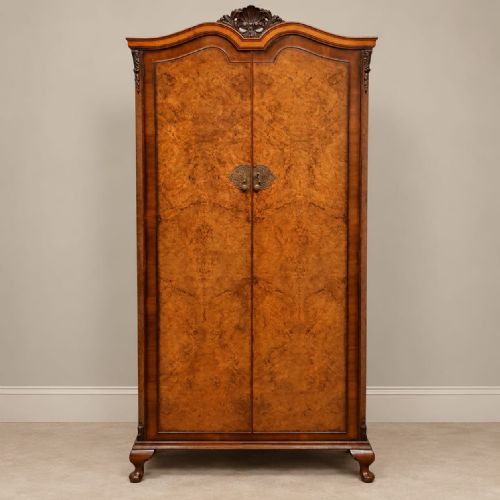
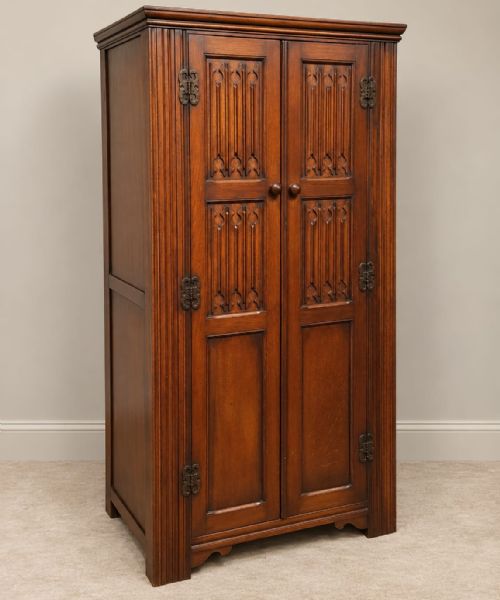
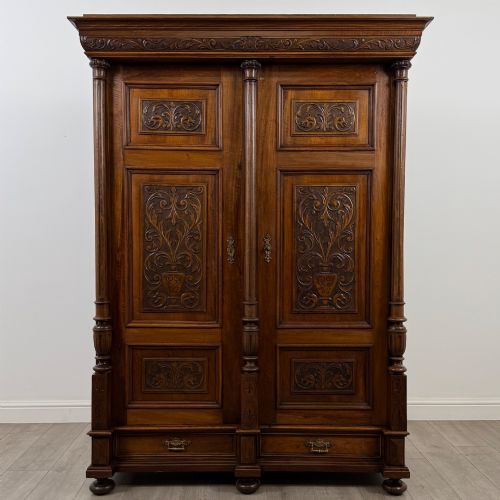
The selections here lean heavily toward Edwardian mahogany and oak constructions, alongside substantial Victorian walnut and pine pieces. Buyers also find twentieth-century burr walnut interpretations showing geometric Art Deco lines.
These items originate across English, French, and regional workshops, appearing as tallboys, linen presses, and fitted armoires. Each variation serves the primary domestic need for enclosed garment storage while displaying period craftsmanship.
Materials and construction methods
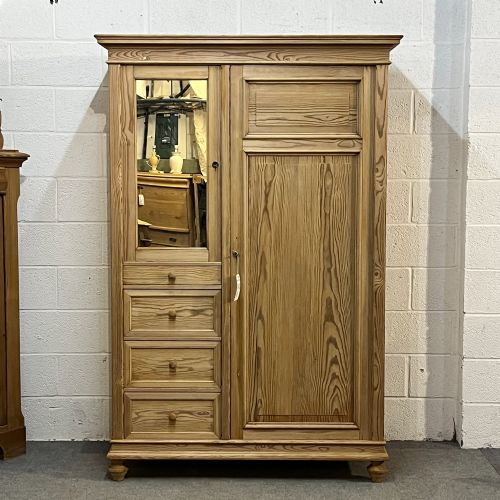
Makers utilised solid hardwoods like oak, mahogany, and walnut, frequently applying figured veneers such as burr walnut and satinwood to primary display surfaces. Secondary timbers like pine appear inside carcasses and drawer linings, showing traditional hand-planed surfaces.
Joinery relied on pegged mortise and tenon frames, dovetailed drawer construction, and panelled doors that allowed timber to move naturally with seasonal humidity changes. Brass hardware, mirrored glass panels, and inlaid banding finished the exteriors of better examples.
Some nineteenth-century wardrobes retain faint chalk markings left by workshop carpenters on hidden drawer bottoms to keep matching parts together.
Judging build quality and character
Quality rests upon the selection of timber figures, the crispness of carved details, and the integrity of internal fittings such as sliding linen trays and hanging rails. Superior examples maintain original brass handles, functional locks with matching keys, and clear glass mirrors.
Lighter pine and painted pieces derive their appeal from honest utilitarian forms and original surface treatments like scumble paintwork. The highest tier combines architectural cornices, harmonious veneer matching, and stable knockdown frames that dismantle for transport.
maples & co·Harris Lebus
The Vintage Clothes Wardrobe Glossary
- Compactum
- A multi-section wardrobe combining hanging space, linen drawers, and shelving within a single unified footprint. These configurations maximise storage efficiency in smaller bedrooms.
- Linen Press
- A tall storage piece featuring upper cupboard doors enclosing sliding trays, sitting above a chest of lower drawers. Originally designed for flat linens before adapting to general garment storage.
- Scumble
- A decorative paint technique applied to imitate the grain of costlier hardwoods like oak or walnut. Artisans dragged combs or brushes through tinted glaze over a lighter base coat.
- Breakfront
- A cabinet facade where the central section projects forward from the flanking wings. This architectural arrangement creates shadow lines and visual depth on large wardrobes.
- Inlay
- The technique of embedding contrasting strips of wood or shell into recessed channels on the furniture surface. Satinwood and ebony frequently provide bright contrast against dark mahogany.
Vintage Clothes Wardrobe: Frequently Asked Questions
How do I fit modern clothes inside?
Many vintage pieces feature deep carcasses that comfortably accommodate modern hangers once traditional wooden hanging pegs are updated with a metal rail.
Compactum models and linen presses with internal sliding trays offer flexible shelving if you prefer folded garments over hanging storage.
Will a large wardrobe fit up the stairs?
Numerous large Victorian and Edwardian examples were built as knockdown wardrobes designed to dismantle entirely into separate panels, cornices, and base sections for transport.
Solid non-knockdown pieces require careful measurement of hallway turns and ceiling heights before attempting delivery into upper rooms.
How do I maintain walnut veneers?
Keep walnut furniture away from direct sunlight and heat sources to prevent the underlying veneers from drying out, lifting, or fading over time.
Apply a traditional beeswax polish sparingly with a soft cloth to nourish the timber and maintain a gentle satin sheen.
Are original mirrors common?
Many Edwardian and Victorian doors retain their original bevelled glass mirrors, which frequently display light foxing or small dark spots from age.
This gentle oxidation confirms the authenticity of the glass without detracting from the overall reflection or historical character.