

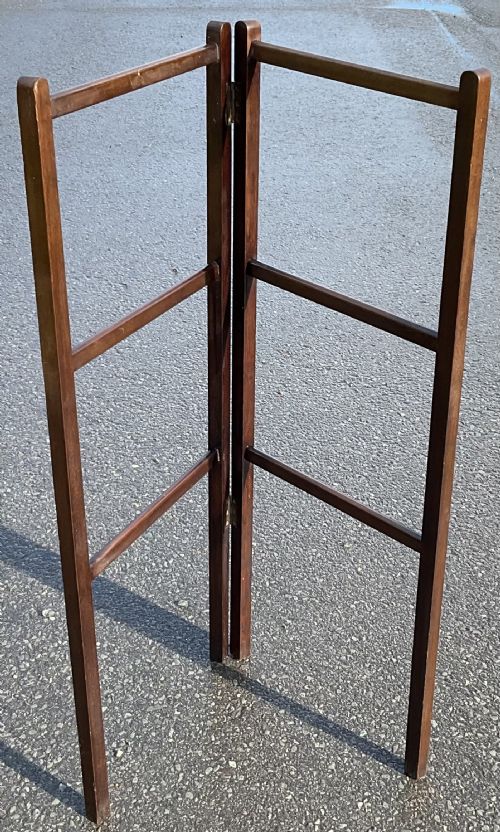
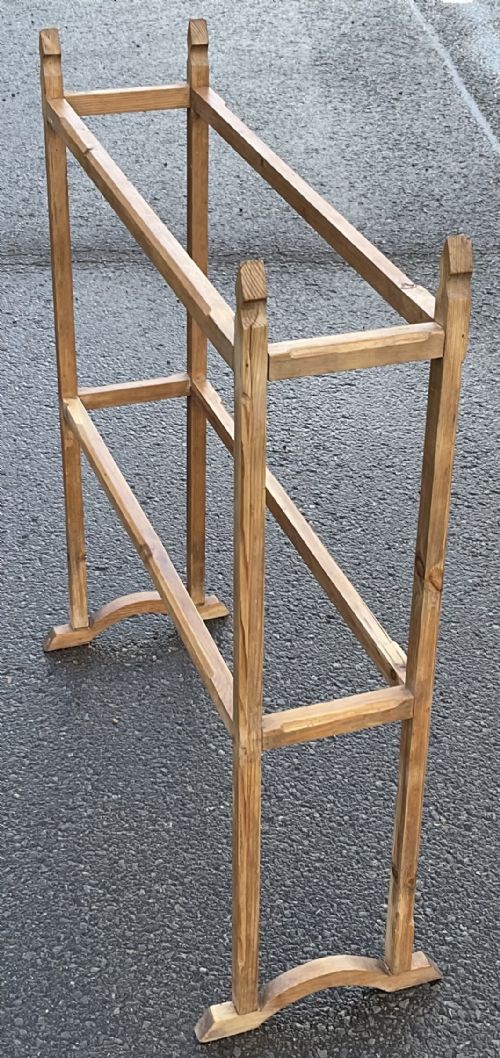


Vintage Clothes Horse
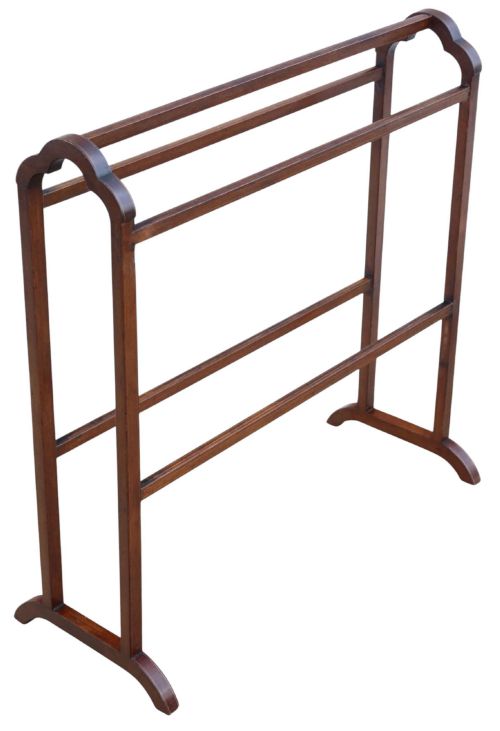
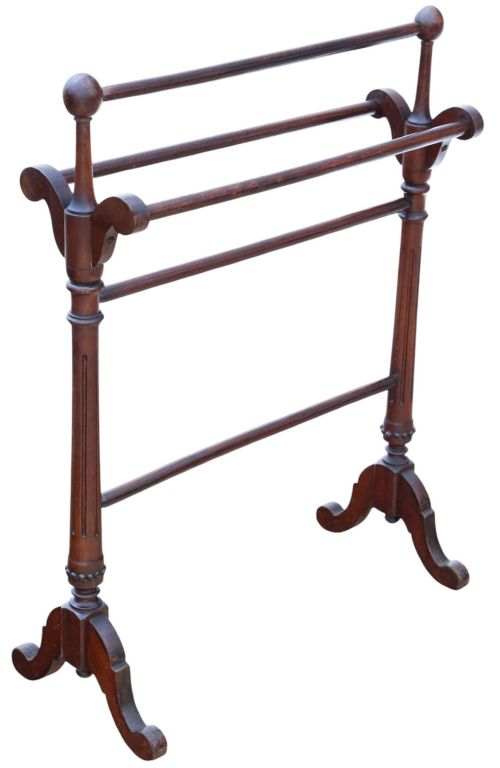
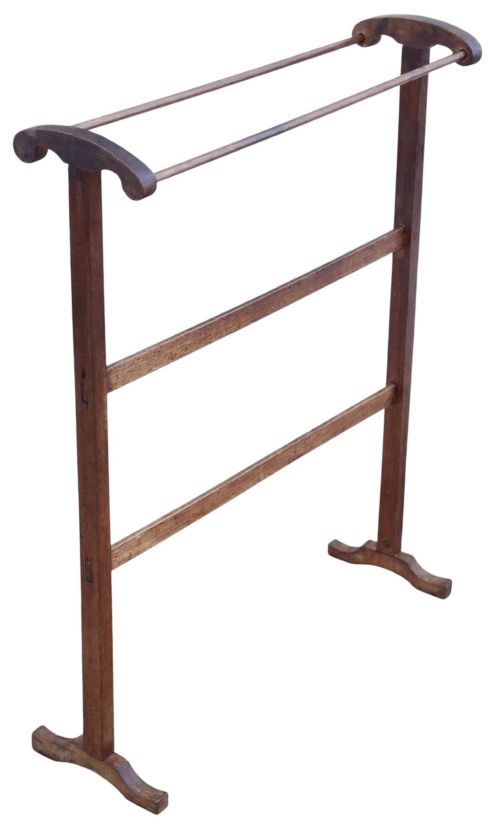
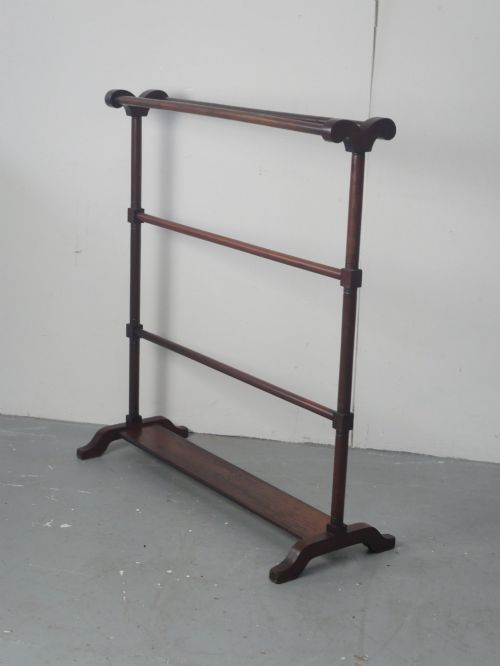
A vintage clothes horse offers practical textile drying with period charm, bringing functional traditional carpentry into modern rooms.
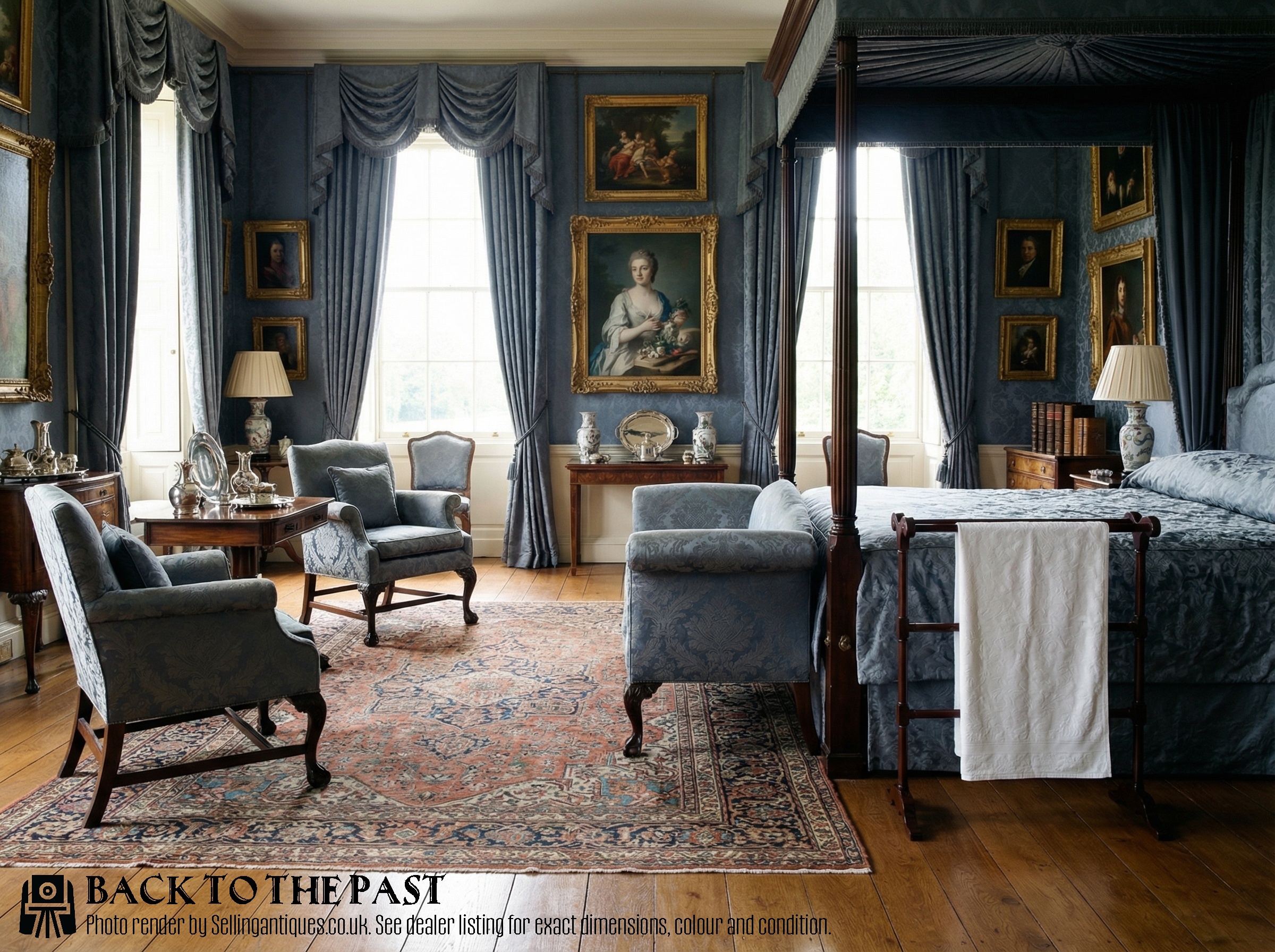
Vintage Clothes Horse
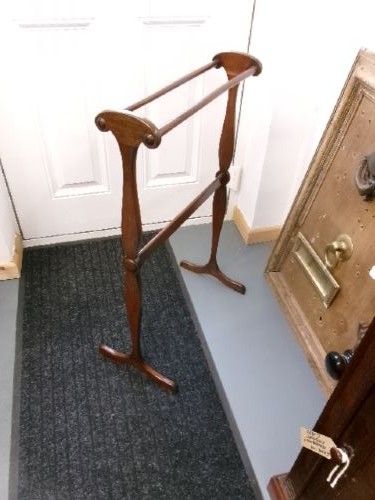
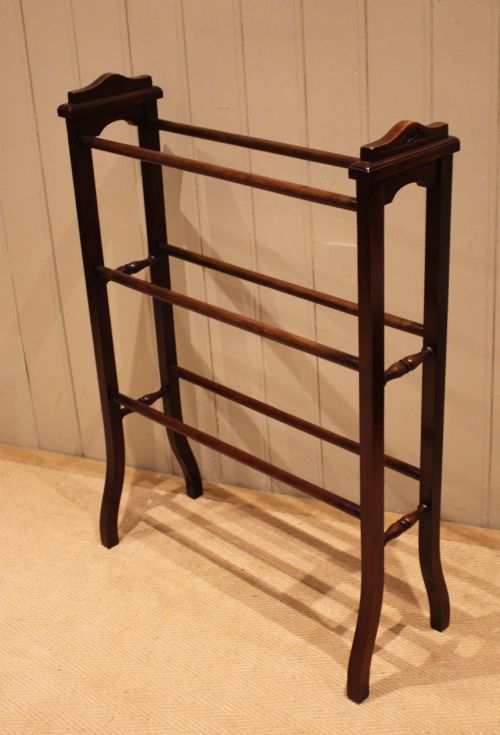
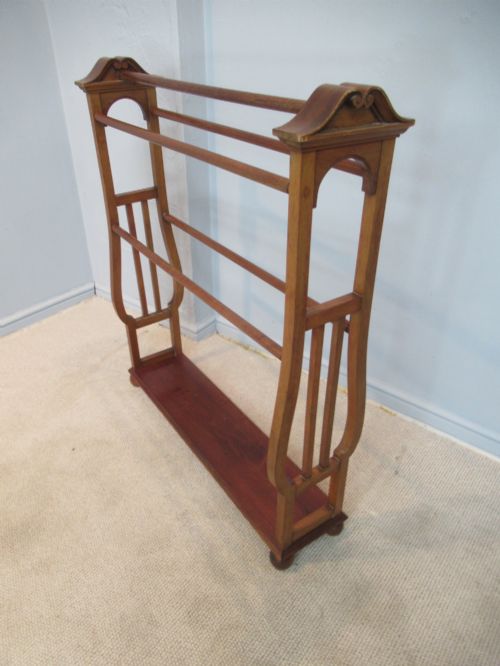
A vintage clothes horse search reveals freestanding drying frames and towel rail stands designed for domestic utility. These pieces primarily date from the nineteenth century through the Edwardian era, spanning styles from Regency elegance to Victorian Gothic Revival and Arts and Crafts simplicity.
The most common formats on this page are mahogany towel rail stands and folding airers featuring multiple rails. Standing timber pieces dominate alongside occasional wall-mounted airers and larger robe stands.
Makers utilised resilient domestic and exotic timbers to construct practical frames that folded or stood rigidly depending on the intended room placement. Collectors encounter both utilitarian pine variants and highly finished inlaid specimens suited for principal chambers.
Materials and construction methods
Cabinetmakers constructed these frames predominantly from solid mahogany, oak, walnut, and pine, often incorporating contrasting satinwood inlay for decorative effect. Black ebonised wood and brass elements also appear among the listed timber structures.
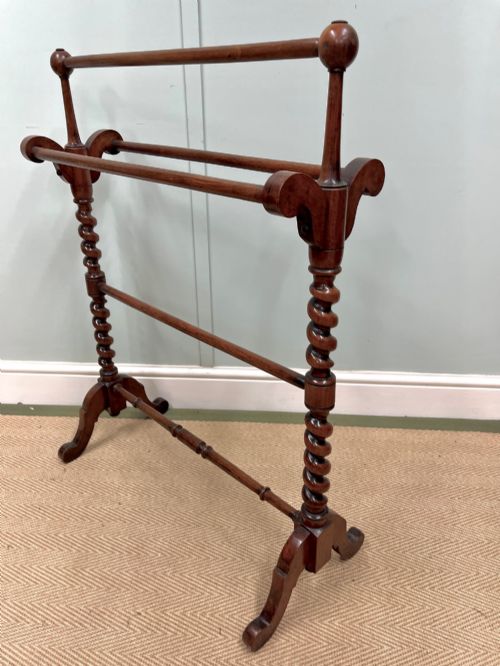
Joinery techniques relied on sturdy tenon and mortise joints or hinged folding mechanisms to allow the multi-bar frames to expand and collapse. Turned uprights and shaped rails provided both structural rigidity and smooth surfaces for textiles.
Some Victorian towel rails fold up quietly like polite wooden accordions, ready to hide behind the door.
Distinguishing quality across examples
Superior examples display sophisticated timber selection, such as figured mahogany or rich walnut, combined with delicate inlay work rather than plain utility finishes. The presence of multiple rails, secure folding hinges, and substantial proportions elevates certain pieces above standard utilitarian items.
Execution of the turning on the upright supports and the overall stability of the standing frame signal skilled workshop production. Simpler pine pieces serve a purely functional domestic role, while refined Edwardian and Regency specimens demonstrate higher decorative intent.
The Vintage Clothes Horse Glossary
- Cheval towel rail
- A freestanding pivoting frame designed to hold linens or garments. This format allows the central section to tilt within upright supports.
- Ebonised wood
- Timber treated with a dark finish to imitate expensive ebony. This technique gained popularity during the Victorian period for decorative contrast.
- Satinwood inlay
- Contrasting light timber inserted into a darker wood surface to create decorative patterns. It frequently enhances Edwardian and nineteenth-century mahogany furniture.
- Clothes airer
- A slatted wooden framework used for drying laundry indoors. These items range from wall-mounted pulleys to large folding floor stands.
- Gothic Revival
- A nineteenth-century architectural and decorative style inspired by medieval forms. Pieces from this movement often feature pointed arches and heavy timber construction.
Vintage Clothes Horse: Frequently Asked Questions
What is a vintage clothes horse used for?
These pieces served originally for airing laundry and drying household linens near firesides or in utility spaces. Today they function practically for hanging garments or displaying textiles in bedrooms and bathrooms.
Their folding designs allow them to store flat against walls when not in active use.
How do I date a wooden towel rail?
Dating relies on observing timber choices, construction techniques, and prevailing decorative styles within the piece. Mahogany and heavy pine point toward nineteenth-century origins, while inlaid satinwood details typically suggest an Edwardian date.
Hardware elements such as early metal hinges also provide clues regarding the manufacturing period.
Where should I place a clothes airer at home?
These frames fit well in airy bathrooms, laundry rooms, or bedrooms as practical towel and garment rails. Their narrow footprint makes them useful in spaces lacking built-in hanging capacity.
Free-standing folding variants allow easy relocation around the house depending on daily needs.
Are these items sturdy enough for heavy towels?
Most standing wooden frames feature robust mortise and tenon joinery designed to bear the weight of damp linens. Heavier mahogany and oak versions provide exceptional stability during daily use.
Multi-rail formats distribute weight evenly across the structure to prevent tipping.