


Victorian Mahogany Airer
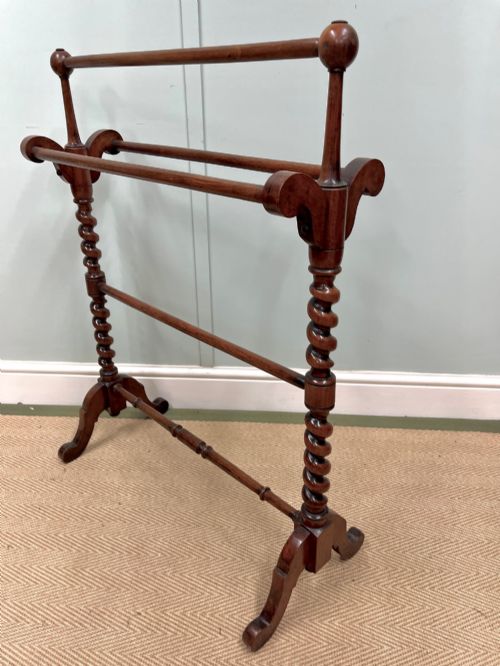
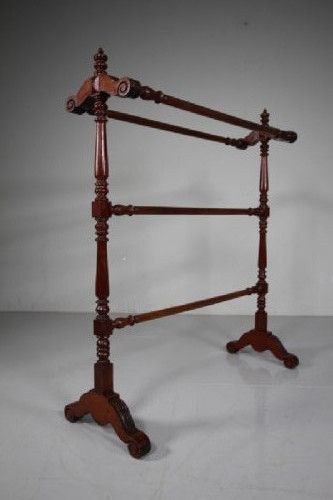
These Victorian mahogany airer pieces are sturdy timber towel rails that bring period warmth and practical drying space to any traditional bathroom.
Victorian Mahogany Airer
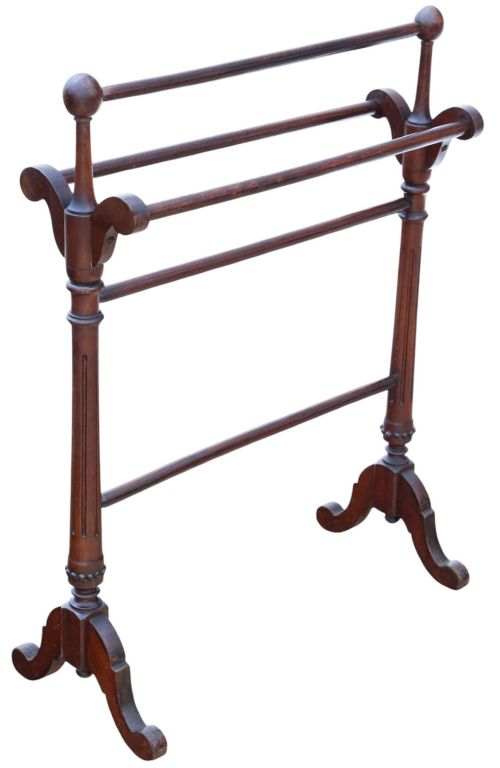
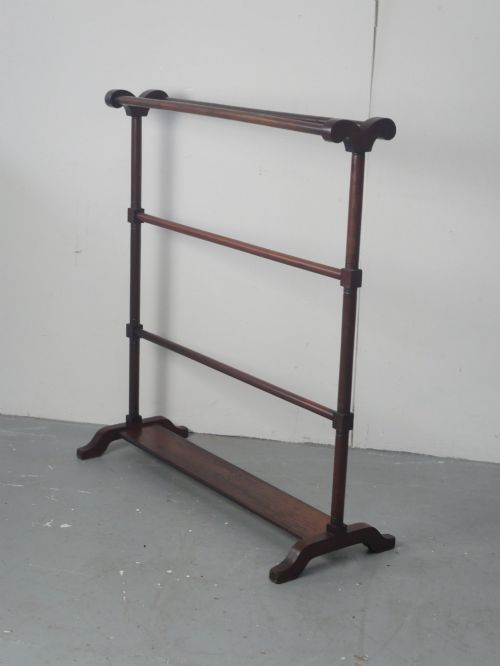
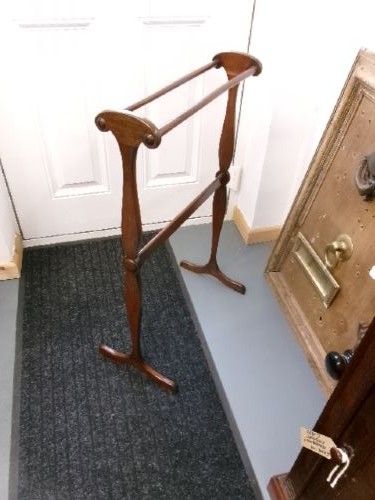
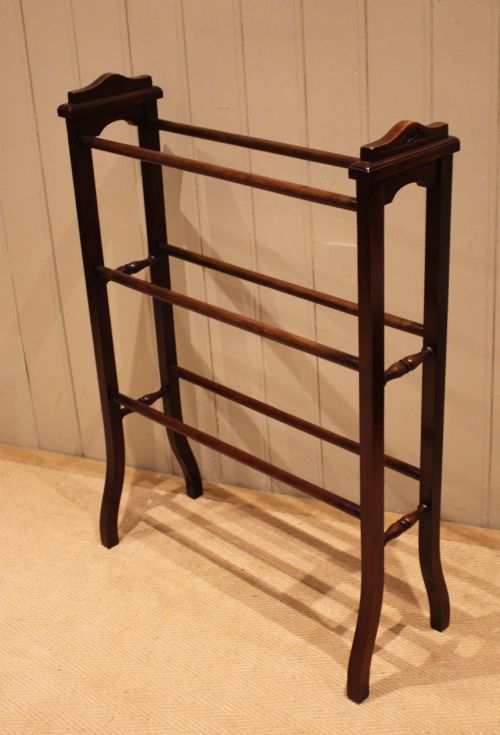
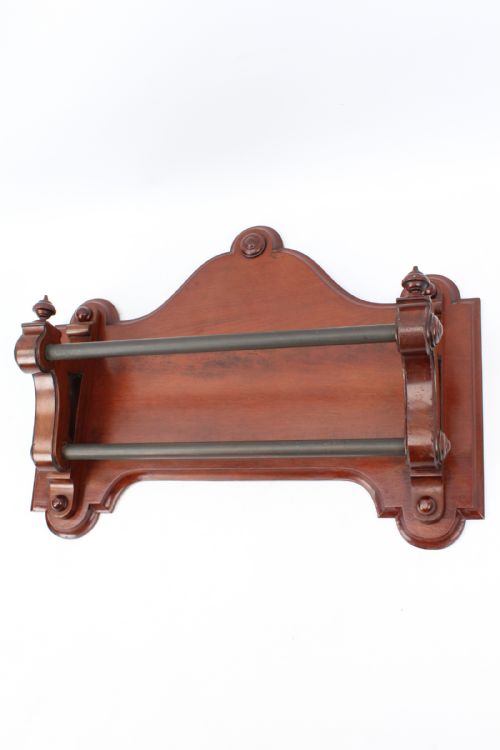
A victorian mahogany airer is typically encountered as a standing towel rail or clothes airer designed for domestic use during the nineteenth century. These timber pieces range from compact single rails to large oversized William IV examples and three-fold folding cheval designs.
The material palette is anchored by rich mahogany and complemented by occasional brass hardware. Pieces span from the Regency era through to the Edwardian period, with Victorian examples forming the core of the selection.
How they were made
Cabinet makers utilised dense mahogany to build these frames, ensuring the wood could withstand heavy damp textiles without warping. Turned uprights and sturdy floor-standing feet provide the structural integrity needed for daily domestic service.
Joints were traditionally pegged and tenoned to handle the constant stress of folding or hanging wet laundry. Brass fittings appear on specific moving parts, offering a durable mechanical link for folding cheval mechanisms.
Materials recorded across the selection consist primarily of mahogany, supplemented by occasional brass fittings and hardwood construction.
What varies in quality
The distinction between standard domestic items and superior pieces lies in the selection of timber grain and the complexity of the frame. Larger oversized formats and multi-fold configurations demonstrate greater ambition from the original maker than simple single rails.
Proportion and turning detail elevate certain examples, where balanced uprights and refined architectural feet show deliberate aesthetic care. Plain utility rails prioritise function, whereas standing cheval versions reflect more sophisticated household appointments.
The Victorian Mahogany Airer Glossary
- Mahogany
- A durable tropical hardwood known for its deep reddish-brown tone and resistance to moisture. It served as the primary timber for quality nineteenth-century domestic furniture.
- Cheval rail
- A standing frame mounted on pivots or hinges that allows the drying rails to angle or fold. This design maximises hanging capacity while occupying a compact floor footprint.
- William IV
- A stylistic period bridging Regency and early Victorian design, characterised by robust proportions and substantial timber sections. Pieces from this era often display heavier architectural turns.
- Edwardian
- A stylistic period spanning the start of the twentieth century that produced lighter, simpler domestic furnishings. Rails from this time retain mahogany construction but discard heavy nineteenth-century moulding.
Victorian Mahogany Airer: Frequently Asked Questions
What is a victorian mahogany airer used for?
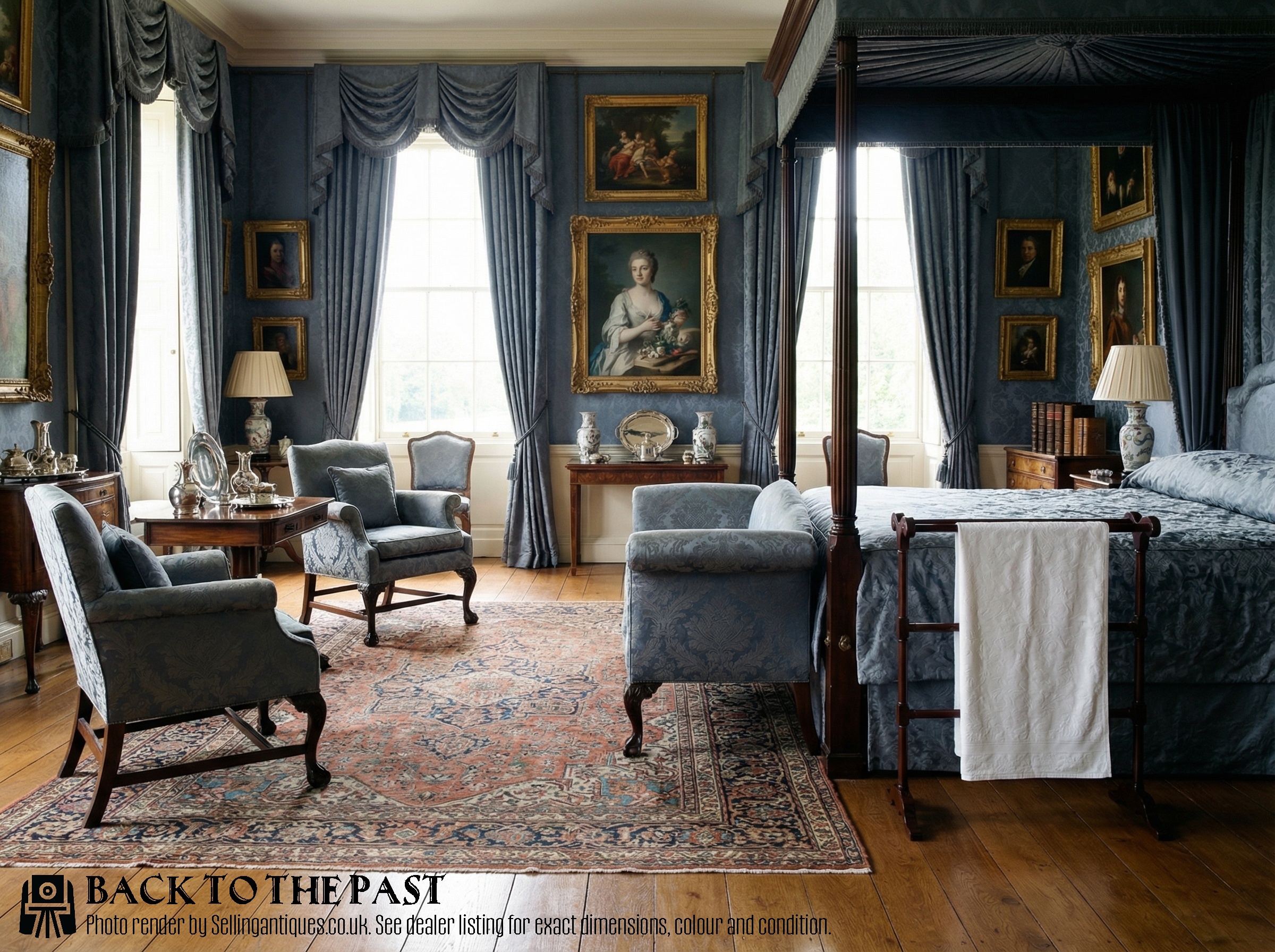
These wooden frames were originally built to dry laundry, towels and household linens near a fireplace or within domestic quarters. Today, buyers utilise them in bathrooms and bedrooms for hanging towels and displaying quilts.
The sturdy timber construction handles heavy damp textiles with ease while adding period character to an interior space.
How do I date a mahogany towel rail?
Dating relies on observing the timber grain, turnings and structural joinery relative to known historical periods like Regency, William IV and Edwardian. Heavier, robust turnings often point toward earlier nineteenth-century production.
Simpler lines and lighter frames typically suggest later Victorian or Edwardian manufacturing dates.
Are these airers suitable for modern bathrooms?
Mahogany naturally resists moisture better than many softwoods, making these rails well-suited for everyday bathroom use. Their elevated standing designs keep towels aired and organised without permanent wall mounting.
Routine care involves wiping down the timber to prevent water marks from accumulating over time.
What styles of airer are available?
The selection includes simple standing single rails, hanging double configurations and large oversized multi-fold cheval designs. Some pieces incorporate hinged three-fold frames that expand to increase hanging capacity.
Proportions range from compact domestic items to substantial architectural pieces from the mid-nineteenth century.