



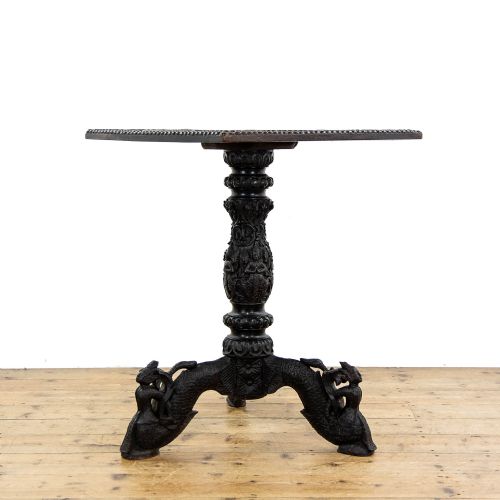
Vintage Chinese Pedestal Table
A vintage chinese pedestal table brings carved timber and marble into a room to hold lamps, plants or urns.
Vintage Chinese Pedestal Table
When you search for a vintage chinese pedestal table, you find a collection of plant stands, jardiniere stands, and occasional tables dating from the nineteenth century into the early twentieth century. These items include forms designed specifically to elevate objects, such as vase stands and urn stands.
The pieces appearing on this page span the Victorian era, the Qing Dynasty, and early twentieth-century periods. You will encounter smaller items like lamp tables alongside larger centre tables and side cabinets, reflecting traditional Chinese craftsmanship.
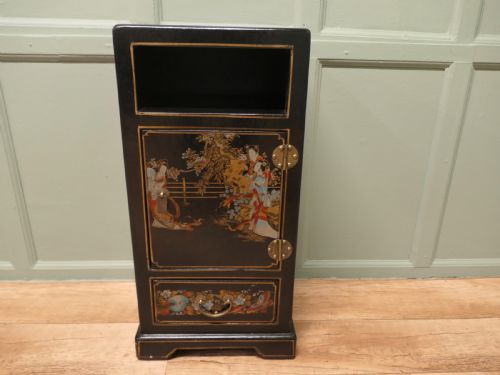
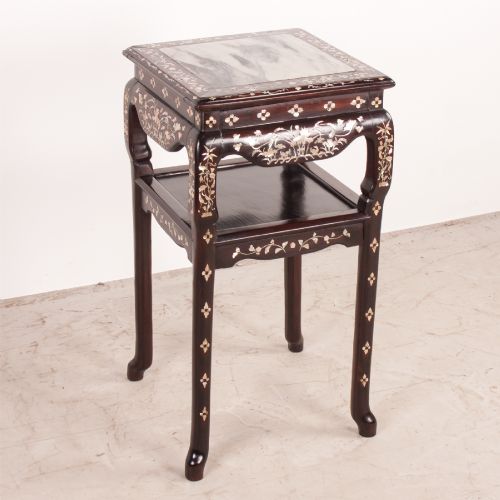
Makers and artisans utilised dense timbers and inset stone surfaces to create stable platforms for display. The assortment ranges from carved hardwood tripod bases to lacquered surfaces and inlaid mother-of-pearl.
How they were made
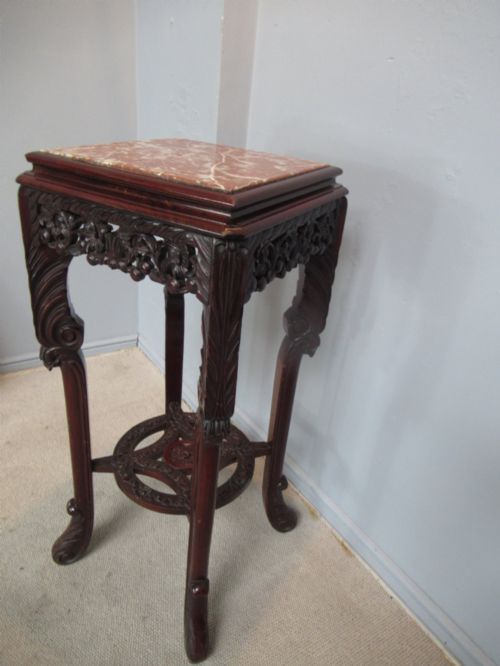
Craftsmen built these tables using dense timbers such as rosewood, teak, elm, and hardwood, often incorporating rouge marble inserts into the tops. These natural materials provide the weight and stability required for holding heavy ceramic vessels and bronze urns.
Surface decoration relies on traditional techniques including deep relief carving, mother-of-pearl inlay, lacquering, and painted finishes. Artisans shaped structural elements like dragon motifs and floral patterns directly into the solid wood.
Vintage Chinese Pedestal Table Retail Price Guide 2026
Typical asking prices for vintage chinese pedestal table among the pieces listed under this phrase on Sellingantiques today, from the lower quarter to the upper quarter. They describe what is for sale here now, not the wider market.
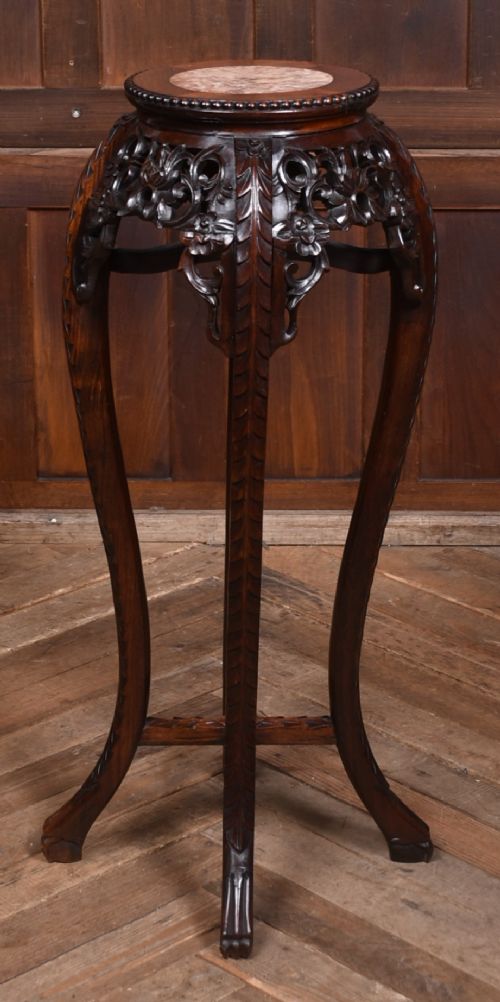
Carved wooden dragons coil around pedestals to hold up your house plants.
What varies in quality
Quality rests in the depth and sharpness of the hand carving and the selection of timber. Dense woods like rosewood and hongmu allow for crisper details that endure better than softer timbers.
The integration of inset marble tops and the precision of joinery separate standard production from finer examples. Heavier, well-fitted stone inserts and tight, stable joints indicate higher execution by the maker.
The Vintage Chinese Pedestal Table Glossary
- Jardiniere stand
- A tall, small-topped table designed to display a ceramic flower pot or plant bowl. These pieces usually feature a circular or square wooden top raised on carved legs.
- Rouge marble
- A deep red or reddish-brown variety of marble with white or grey veining, frequently used as an inset surface in nineteenth-century stands. It provides a cool, smooth counterpoint to carved dark hardwoods.
- Hongmu
- A traditional Chinese term for dense, dark hardwoods used in fine furniture making. This heavy timber accommodates intricate relief carving without splintering.
- Cinnabar lacquer
- A decorative surface finish created by applying numerous layers of coloured resin derived from tree sap, then carved with intricate designs. This technique requires considerable time and skill.
- Mother-of-pearl inlay
- A decorative method where thin pieces of iridescent shell are embedded into recesses cut into the timber surface. It creates contrasting luminous patterns against dark wood.
Vintage Chinese Pedestal Table: Frequently Asked Questions
What were Chinese pedestal tables used for originally?
These tables served primarily as display platforms for heavy ceramic planters, bronze urns, or decorative lamps within traditional interiors. Their elevated surfaces protected precious items from damp floors and positioned them at eye level for viewing.
Over time, owners also utilised them as occasional side tables for holding teacups or small objects in reception rooms.
How do I date a vintage Chinese pedestal table?
Dating relies on observing the timber species, construction methods, and stylistic markers recorded across the Victorian, Qing Dynasty, and early twentieth-century periods. Heavier dense hardwoods and deep hand-carved dragon motifs typically point towards nineteenth-century production.
Later pieces from the early decades of the twentieth century often display lighter construction or simpler lacquered and painted finishes.
Are marble top stands durable enough for daily use?
The inset marble slabs provide a tough, heat-resistant surface that easily withstands plant pots, vases, and lamps. The stone is heavy and securely seated within the wooden frame, though it requires care to prevent chipping the edges.
The surrounding timber frame benefits from regular dusting and occasional waxing to maintain the finish of the wood.
What is the difference between a plant stand and an occasional table?
Plant stands and jardiniere stands generally feature smaller top surfaces and taller, narrower proportions designed specifically to support a single elevated object. Their footprints are compact to fit corners and edges of rooms.
Occasional tables and centre tables provide broader surfaces intended for general placement beside seating or in the middle of a space.