



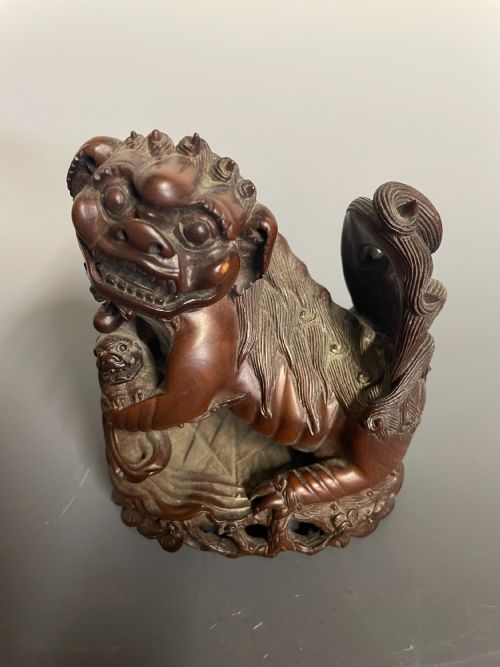


Vintage Chinese Foo Lions
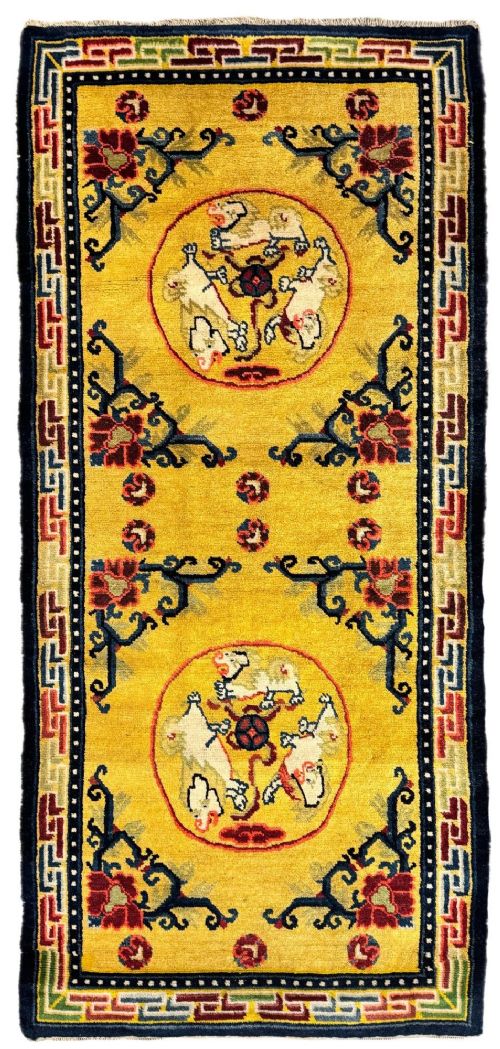
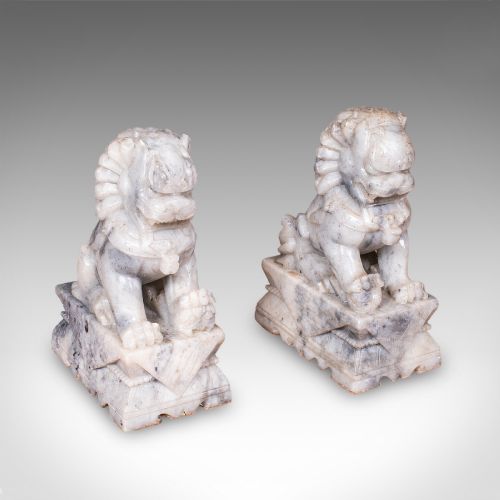
These vintage chinese foo lions are protective guardian figures carved, moulded, and cast in materials ranging from jade and porcelain to bronze and wood.
Vintage Chinese Foo Lions
When you search for vintage chinese foo lions, you find decorative sculptures, desk seals, bookends, table lamps, and door plates that serve as traditional guardian figures. These pieces originate from various periods including the nineteenth century, the Qing dynasty, the Chinese republic period, and the Victorian era.
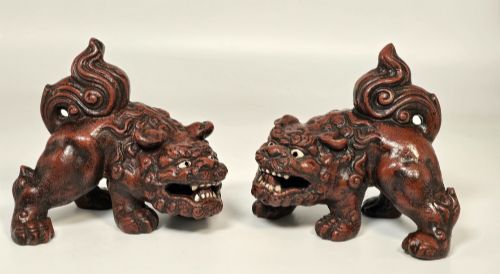
The version you are most likely to meet on this page is a pair of ceramic, pottery, or porcelain figures, often glazed in pale green or enamelled, alongside carved hardstone and bronze examples. The forms include Shi lions, dogs of fo, and temple lions modelled as decorative figures or functional objects.
Makers and artisans created these guardian animals in traditional Chinese, Chinoiserie, and Tibetan styles, utilising boxwood, soapwood, brass, and cast iron as well as jade and marble. The range spans from small desk seals to large temple lions and lamp bases.
How they were made
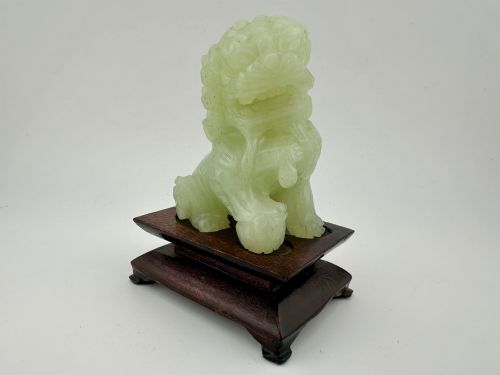
Carving forms a major part of the production, with artisans working in pale green jade, hardstone, boxwood, and soapstone to shape detailed guardian lions and desk seals. The natural grain of wood and the dense structure of stone demand precise hand tools to define the curls of the mane and the fierce facial expressions.
Ceramic and porcelain pieces involve moulding and glazing, utilising coloured glazes, blanc de chine finishes, and fine enamel work to coat the pottery bodies. These pieces are then fired in kilns, resulting in smooth or glossy surfaces that capture the traditional aesthetic.
Metalworking techniques include casting in bronze, brass, and iron to produce durable door plates, bookends, and gilt temple lions. Artisans pour molten metal into moulds and finish the surfaces through chasing and gilding.
Vintage Chinese Foo Lions Retail Price Guide 2026
Typical asking prices for vintage chinese foo lions among the pieces listed under this phrase on Sellingantiques today, from the lower quarter to the upper quarter. They describe what is for sale here now, not the wider market.
Listings show materials ranging from jade and porcelain to brass, wood, and cast iron across the nineteenth and twentieth centuries.
What varies in quality
The choice and application of materials dictate the upper tier of the range, such as substantial jade hardstone, high-fired porcelain with delicate enamel, and heavy bronze or gilt bronze castings. Lighter base metals, simple pottery, and cast iron occupy a different category of manufacture.
Proportion and stance affect the visual balance of the figure, with superior pieces showing a dynamic tension in the posture and a harmonious relationship between the lion and its base or accompanying object.
The Vintage Chinese Foo Lions Glossary
- Foo Lion
- A traditional guardian figure modelled on a lion, placed outside palaces, tombs, and temples to ward off evil spirits. These figures often appear in pairs with one male holding a brocade ball and a female with a cub.
- Dog of Fo
- An alternative term for a foo lion, derived from western interpretations of Chinese guardian lion iconography. They combine elements of real lions with local canine characteristics.
- Blanc de Chine
- A white porcelain produced in Dehua, China, featuring a smooth, milky glaze that shows little trace of colour. This finish is frequently seen on lamps and decorative figures from the early twentieth century.
- Jade
- A dense, tough ornamental stone prized for its smooth texture and varying shades of green, used in high-status carvings and desk seals. It requires specialist abrasive techniques to shape.
- Desk Seal
- A carved stamp featuring a foo lion or dog of fo seated on a chunky base, used for applying personal or official signatures in ink. They are commonly fashioned from soapstone, jade, or hardstone.
- Shi Shi
- Another name for guardian lions or stone lions rooted in Asian temple and palace architecture. They embody strength and protection in traditional decorative arts.
Vintage Chinese Foo Lions: Frequently Asked Questions
What is a foo lion?
A foo lion is a traditional Chinese guardian figure designed to protect buildings and spaces from harmful influences.
They represent strength and security, usually depicted as mythical lions with flowing manes and powerful paws.
How were they used?
These figures served as architectural guardians outside doorways, as well as domestic decorative objects, bookends, and door plates.
Smaller versions functioned as desk seals for stamping documents or stood as lamps and shelf ornaments in Western and Asian interiors.
How do I tell periods apart?
Periods are identified through material composition, manufacturing techniques, and stylistic markers such as Qing dynasty glazes or Republic period hardstone carvings.
Victorian and early twentieth century pieces often reflect Western tastes for Chinoiserie and orientalism in domestic items like lamps and bookends.