


Vintage Chinese Figurines
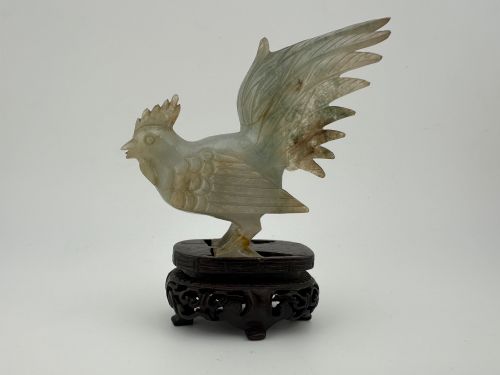
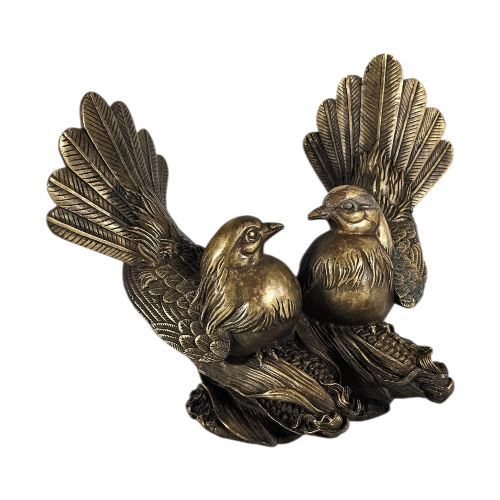
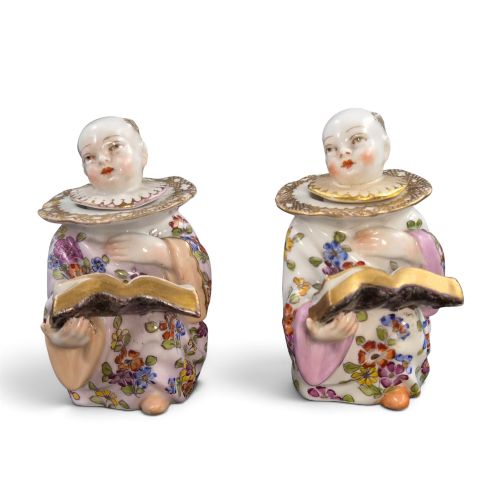
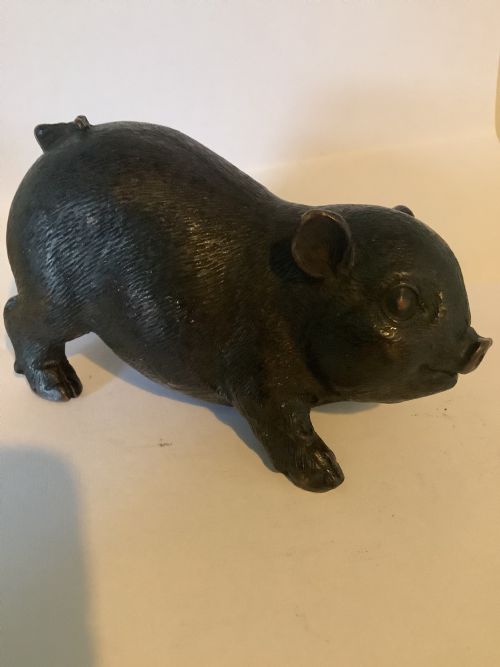
These vintage chinese figurines encompass bronze animals, carved wood deities, and porcelain figures spanning the nineteenth century to the early twentieth century.
Vintage Chinese Figurines
Vintage chinese figurines capture a broad spectrum of sculptural forms, ranging from utilitarian inkwells and desk seals to purely decorative animals and mythical deities. When searching for vintage chinese figurines, buyers encounter works modelled after earlier dynasties alongside genuine pieces from the late Qing period.
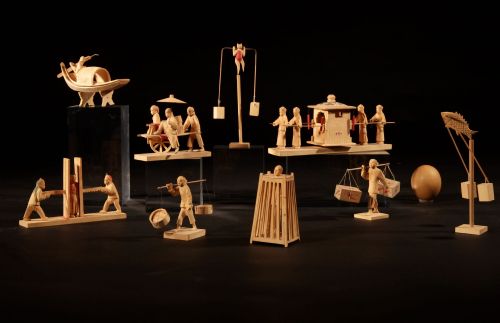
The selection on this page demonstrates considerable variety in subject matter, featuring figures of immortals, laughing Buddhas, paired birds, and scenes of daily life. Materials shift between cast metals, carved hardwoods, and glazed pottery, reflecting the diverse output of Chinese and European workshops.
Most examples originate from the nineteenth century and the opening decades of the twentieth century. These pieces serve primarily as cabinet sculptures or decorative focal points in traditional and eclectic interiors alike.
What varies in quality
Material selection and glaze execution also dictate the tier of a piece. High-grade ceramics display even, controlled glaze runs and vivid enamelling, whereas superior stone and wood carvings make expert use of the natural medium without masking inherent flaws.
Ceramic entries span functional inkwells and earthenware tigers alongside decorative pottery horses modelled in the Tang Dynasty style.
Edmé Samson
The Vintage Chinese Figurines Glossary
- Qing Dynasty
- The final imperial dynasty of China, lasting from 1644 until 1912. Pieces from this era often dictate the traditional stylistic baseline for later decorative arts.
- Sancai
- A traditional type of lead-glazed pottery associated with the Tang Dynasty style, using a characteristic palette of three colours. Artisans applied these glazes to earthenware bodies to create mottled, flowing surface patterns.
- Foo Dog
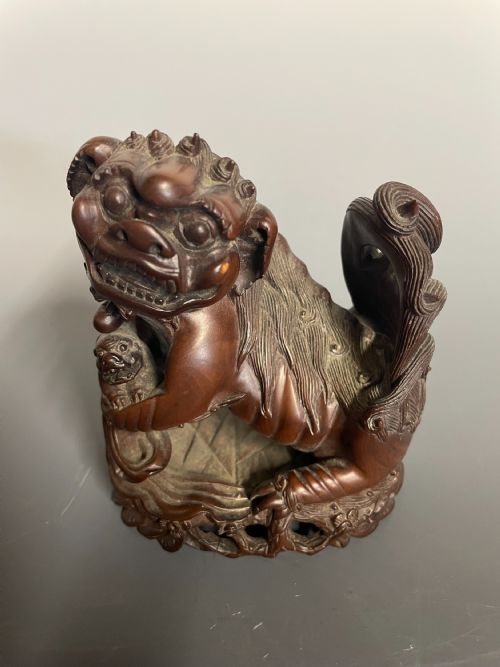
- A traditional mythical guardian lion depicted in pairs outside temples and palaces. These creatures appear frequently in porcelain, bronze, and stone across various decorative objects.
- Cloisonne
- An ancient technique for decorating metalwork objects with coloured material held in place by thin metal strips. Artisans solder flat wires to a metal base to form compartments before filling them with enamel.
- Shiwan pottery
- A style of traditional Chinese pottery originating from the kilns of Shiwan near Guangzhou. These pieces are known for their heavy, expressive earthenware bodies and thick, variegated glazes.
Vintage Chinese Figurines: Frequently Asked Questions
How do I identify a Qing Dynasty figure?
Qing Dynasty figures are generally identified through characteristic costume details, traditional materials such as carved hardwood or enamelled porcelain, and stylistic conventions established during the period.
Examining the base and surface wear can also provide clues regarding age and workshop origin, though many pieces follow traditional styles long after the dynasty ended.
What are Sancai glazed pieces?
Sancai glazed pieces feature a traditional three-colour lead glaze, most commonly amber, green, and creamy white, applied to pottery bodies.
This technique is famously associated with Tang Dynasty funerary figures, though later revival pieces continue to utilise the distinctive running glaze effects.
Where were wood carvings made?
Wood carvings were produced across various workshops in China, utilising native timbers like boxwood and dense hardwoods.
These workshops specialised in small-scale sculptures depicting daily life, mythical creatures, and religious figures for both domestic use and export.
How should I display bronze figures?
Bronze figures benefit from stable indoor environments away from direct moisture and extreme temperature fluctuations.
Placing them on sturdy furniture allows their patinated surfaces and cast details to be appreciated from multiple angles without risking damage.