





Vintage Chinese Decorative Vessels
These vintage chinese decorative vessels bring centuries of artisan metalwork and ceramic tradition straight into modern rooms.
Vintage Chinese Decorative Vessels
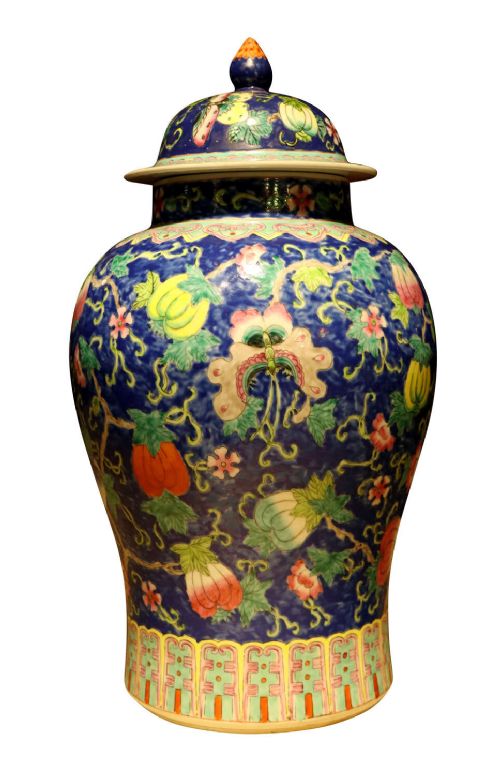
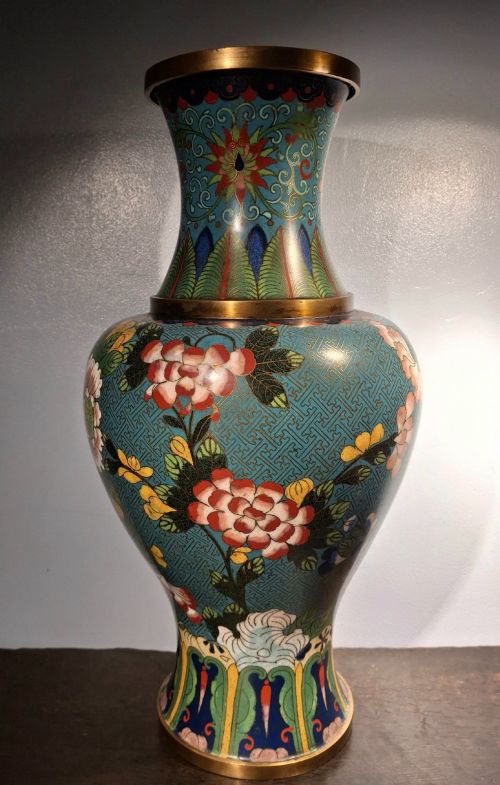
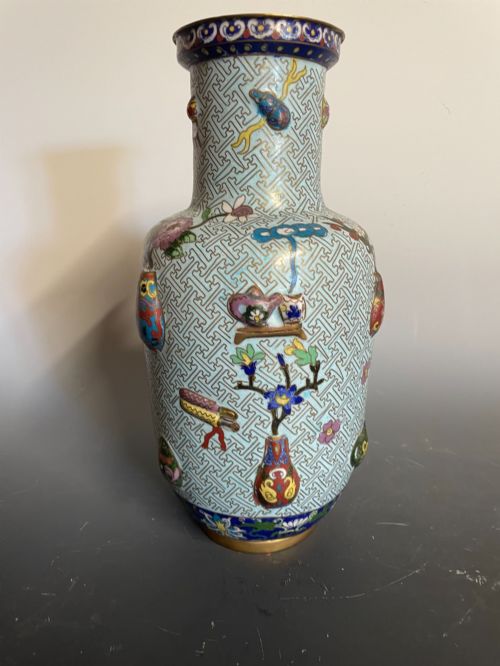
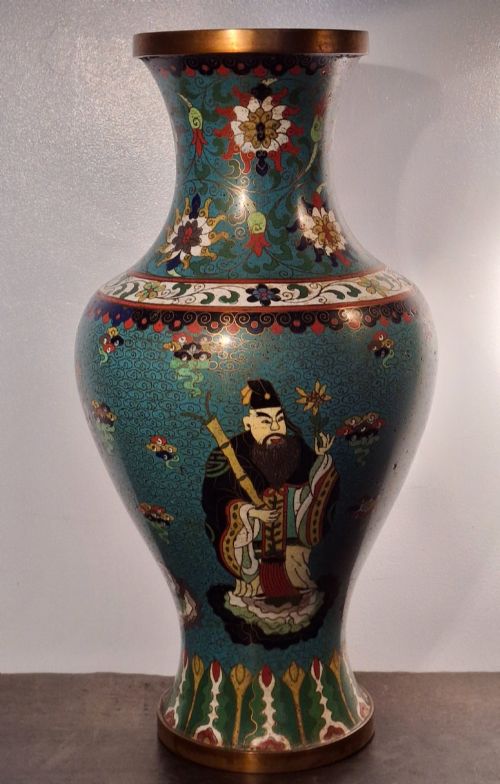
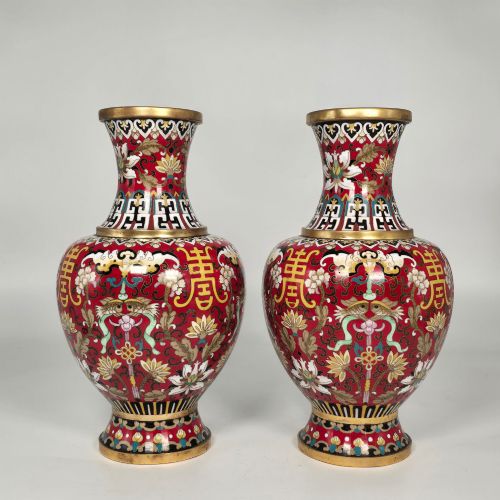
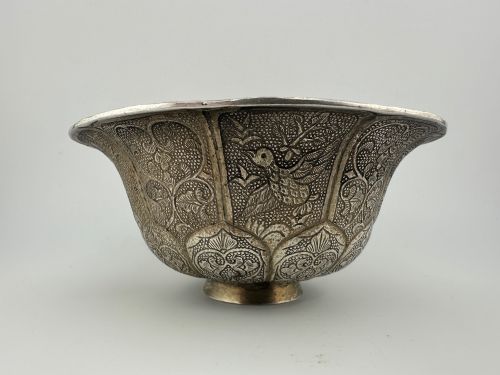
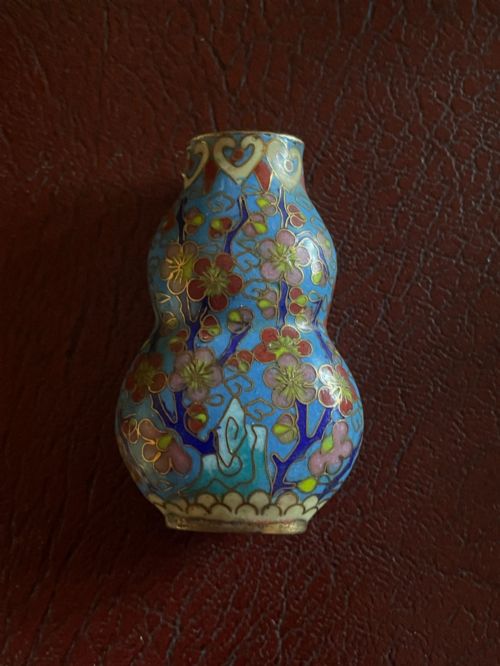
Vintage chinese decorative vessels comprise a diverse array of forms ranging from vases and lidded jars to incense burners, bowls, and snuff bottles. These pieces arrive from various periods including the nineteenth century, the Edwardian era, and the nineteen-thirties.
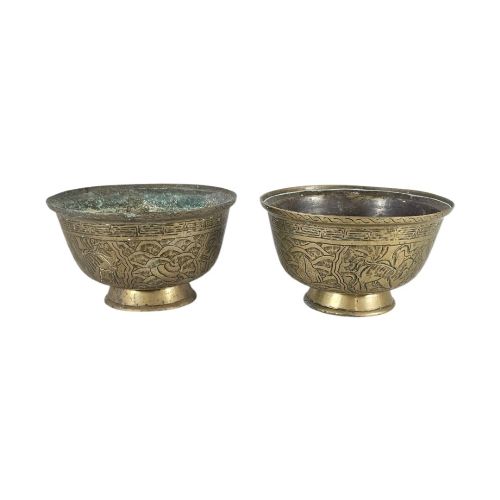
Buyers encountering this selection will most frequently find works executed in cloisonne enamel, bronze, brass, and porcelain. Styles span Qing dynasty aesthetics, Chinese export decorative art, and Republican period designs.
Functional items such as teapots, jardinieres, and decorative bowls sit alongside cabinet miniatures and large floor-standing vessels. Each object reflects distinct regional techniques and period preferences spanning late nineteenth-century manufacture to early twentieth-century production.
Materials and Techniques
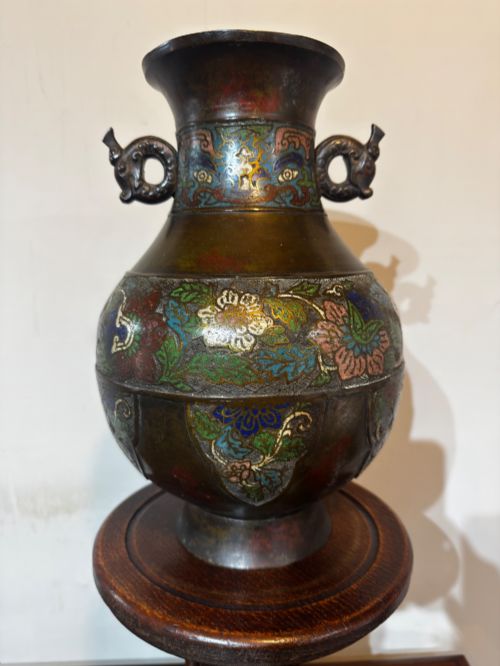
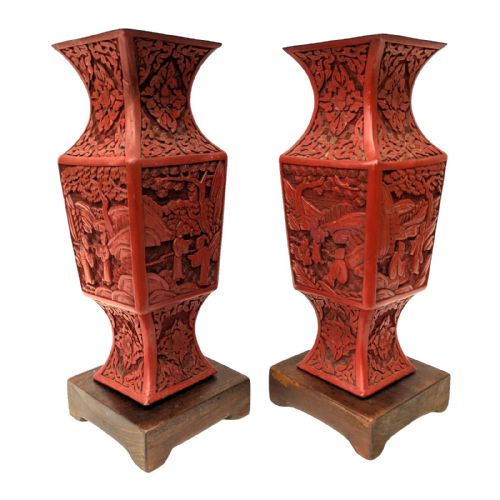
Metal vessels utilise bronze, brass, and copper formed through casting and hammering, often enriched with champleve or cloisonne enamel work where soldered wires create cells for coloured pastes. Lacquer pieces require meticulous building of numerous sap layers carved deeply into intricate motifs.
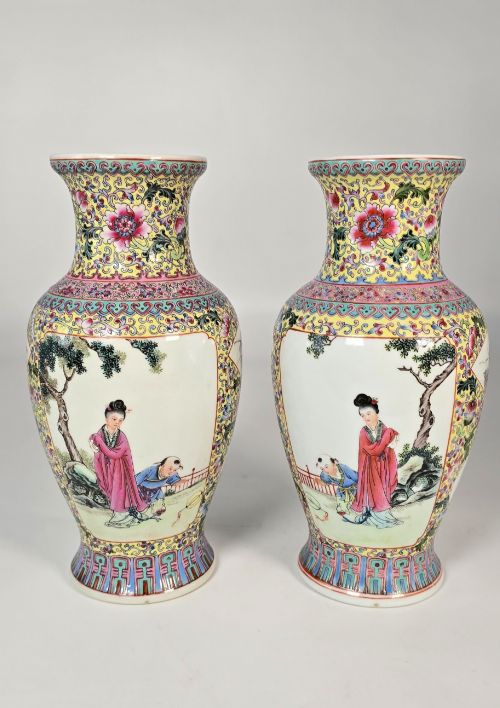
Ceramic and porcelain works involve high-temperature firing of refined clays, subsequently decorated with hand-painted famille rose enamels and underglaze blue pigments. White metal and iron also appear in utilitarian and decorative forms from the period.
Vintage Chinese Decorative Vessels Retail Price Guide 2026
Typical asking prices for vintage chinese decorative vessels among the pieces listed under this phrase on Sellingantiques today, from the lower quarter to the upper quarter. They describe what is for sale here now, not the wider market.
Among the metalwork sits an unexpected iron bath, proving that nineteenth-century metalcrafters applied decorative discipline to objects of every conceivable scale.
Assessing Quality and Execution
Quality rests upon the precision of the handwork, whether in the crispness of bronze casting, the tight geometry of cloisonne wirework, or the delicacy of brushwork on porcelain. Superior examples display disciplined control over enamel saturation and metal finishing.
Heavier metal objects and finely balanced lacquer carving distinguish higher-grade pieces from mass-produced tourist wares. The harmony of colour and proportion ultimately defines the standing of each vessel within its category.
The Vintage Chinese Decorative Vessels Glossary
- Cloisonne Enamel
- A metalwork technique where flat wires are soldered to a metal base to form compartments filled with enamel paste and fired. This method creates intricate patterns bounded by thin metallic lines.
- Famille Rose
- A palette of opaque enamel colours dominated by pink, introduced to Chinese ceramics during the Qing dynasty. The style allows for subtle tonal gradation and detailed pictorial scenes.
- Champleve
- An enamelling process where troughs or cells are carved directly into the metal surface and filled with enamel before firing. The surrounding metal remains visible as part of the design.
- Cinnabar Lacquer
- A technique involving numerous layers of red lacquer applied to a core material and carved deeply with motifs. The process requires considerable time and stable drying conditions.
- Chinese Export
- Objects manufactured in China specifically for Western markets, often blending traditional domestic forms with European stylistic preferences. These pieces frequently date from the nineteenth and early twentieth centuries.
Vintage Chinese Decorative Vessels: Frequently Asked Questions
How do I clean antique cloisonne vases?
Dust gently with a soft, dry cloth to protect the fragile enamel surfaces and delicate wire borders. Avoid liquid cleaners and chemical solvents entirely.
Moisture can seep beneath loose wire cells and corrode the underlying metal body over time.
Are these bronze bowls safe for holding water?
Most antique metal vessels feature seams or construction methods unsuited for holding standing water safely. Display them dry to prevent interior oxidation and structural damage.
Using a separate inner container allows safe placement of fresh stems without risking the antique patina.
How can I identify a Republican period vase?
Republican period ceramics typically date from the early twentieth century and show distinct stylistic shifts away from imperial standards. Look for refined porcelain bodies paired with painterly enamel decorations.
These works often bridge traditional Qing motifs and modern twentieth-century artistic expressions.
What is the difference between brass and bronze here?
Bronze is an alloy of copper and tin, whereas brass combines copper with zinc. Bronze items in this selection often carry heavier patinas and deeper historical associations.
Brass pieces tend to exhibit a brighter golden tone and frequently appear in Edwardian and late nineteenth-century utilitarian forms.