



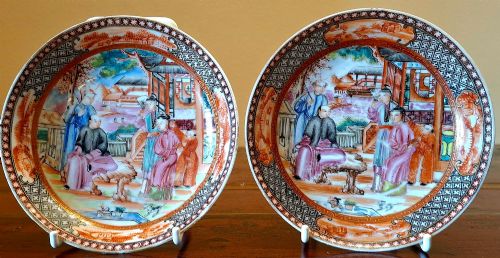

Chinese Figural Porcelain Pair
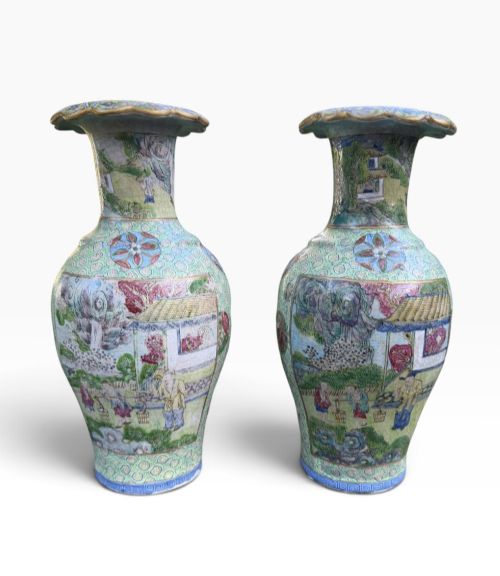
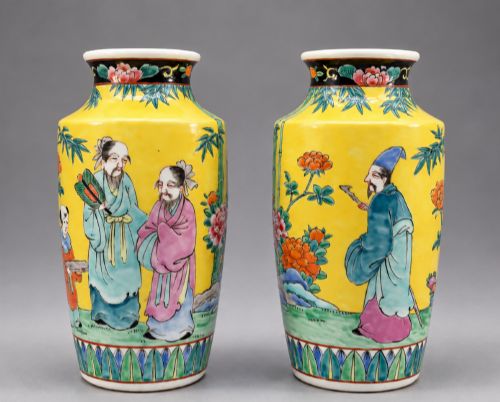
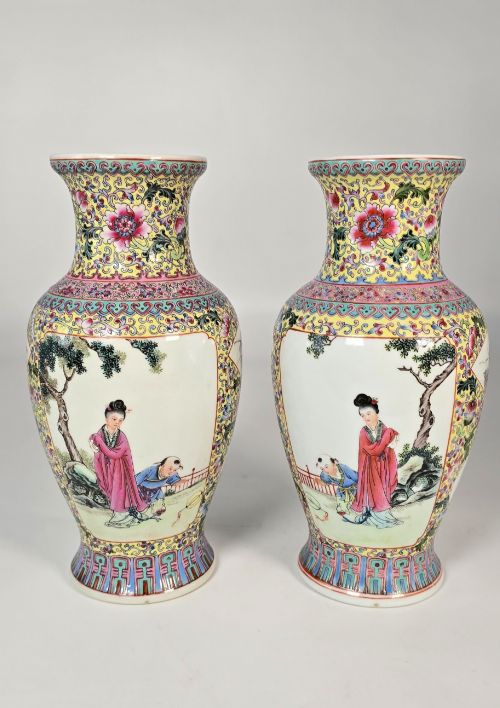
A chinese figural porcelain pair brings traditional craftsmanship and narrative charm into a room, offering matched symmetry through hand-painted figures and classic vessel forms.
Chinese Figural Porcelain Pair
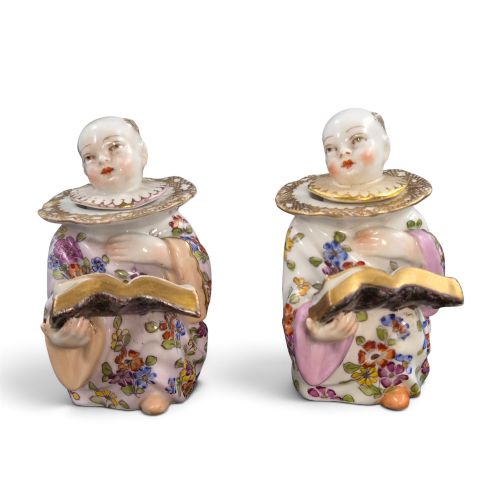
When you search for a chinese figural porcelain pair, you encounter balanced sets of matching vessels that frequently integrate human forms, scholars, ladies, or singing boys into their decorative schemes. These objects span periods from the nineteenth century through the early twentieth century, including late Qing Dynasty pieces and Chinese Republic period examples.
The most common formats on this page are matched pairs of vases, ginger jars, and baluster forms, alongside functional items such as figural inkwells and table lamps. Many of these pieces incorporate traditional styles like Famille Rose, Famille Verte, Kangxi style, and Chinese Export designs.
Buyers select these matched duplicates to create symmetrical focal points on mantels, sideboards, or console tables. The dual nature of the items provides visual balance and doubles the narrative impact of the hand-painted figural scenes.
Materials and Construction
The foundational material across all listings is porcelain, shaped into robust vessel forms such as baluster vases and ginger jars. Artisans applied cobalt blue glaze, turquoise glaze, and detailed enamel work, including Famille Rose and Famille Verte palettes, to build up the colourful surface designs.
Certain pieces incorporate additional decorative elements such as gold leaf detailing, vitreous enamel, and crackleware finishes. Many lamp conversions integrate brass, wood, and fabric components alongside the original ceramic bodies.
Chinese Figural Porcelain Pair Retail Price Guide 2026
Typical asking prices for chinese figural porcelain pair among the pieces listed under this phrase on Sellingantiques today, from the lower quarter to the upper quarter. They describe what is for sale here now, not the wider market.
Listings feature porcelain vessels utilising turquoise glaze, cobalt blue glaze, and gold leaf accents across the nineteenth and twentieth centuries.
Assessing Quality and Execution
The standard of hand-painted detail on the figures and facial expressions distinguishes finer examples from simpler production. Precision in the brushwork of robes, botanical motifs, and background scenery indicates the skill of the original workshop.
The crispness of the glaze application, whether cobalt blue, turquoise, or polychrome enamel, affects the visual depth of the piece. Preservation of the ceramic body and any associated decorative metalwork or gilt accents also influences the overall integrity of the pair.
Edmé Samson
The Chinese Figural Porcelain Pair Glossary
- Famille Rose
- A palette of opaque overglaze enamels dominated by pink or rose colours, introduced during the Qing Dynasty. It allowed for subtle tonal gradations in figural robes and floral motifs.
- Famille Verte
- An enamel palette characterised by vibrant green tones, accompanied by iron red, blue, and yellow. This style creates high-contrast decorative schemes on porcelain surfaces.
- Baluster Vase
- A tall vessel form with a rounded body that tapers toward the base, resembling the shape of an architectural baluster. It serves as a primary canvas for figural scenes.
- Ginger Jar
- A wide-shouldered ceramic jar originally used for storing spices, later adapted into decorative vases and lamp bases. They frequently appear in matched pairs.
- Crackelware
- Pottery featuring a network of fine cracks intentionally created in the glaze layer during firing. This texture adds a distinctive tactile dimension to the ceramic surface.
Chinese Figural Porcelain Pair: Frequently Asked Questions
How were these porcelain pairs used historically?
Historically, matched pairs of vases and jars served as decorative elements in scholar's studios, reception rooms, and palaces throughout China. They were displayed symmetrically to project harmony, status, and refined taste.
Over time, many of these vessels were exported to Western markets, where owners integrated them into period interiors as mantel ornaments or converted them into functional lighting.
How do I distinguish between Qing Dynasty and Republic period pieces?
Qing Dynasty pieces, including late nineteenth-century examples, often feature dense enamel work such as Famille Rose and Famille Verte palettes combined with traditional motifs. The brushwork tends to reflect classical scholarly themes and formal court aesthetics.
Republic period pieces, dating into the early twentieth century, frequently exhibit brighter enamel tones and innovative interpretations of traditional subjects. Examining the baseline porcelain body and glaze characteristics helps clarify the period of manufacture.
Can I safely use these vases as lamp bases?
Many pairs on the market have already been converted into table lamps, incorporating brass fittings, wiring, and fabric shades alongside the original ceramic bodies. This practice has a long history among collectors seeking functional utility.
When handling lamp conversions, ensure the mounting hardware preserves the ceramic structure without causing permanent stress fractures to the porcelain.
What does crackleware mean on these vases?
Crackelware refers to a deliberate decorative finish where the glaze develops a fine web of controlled fissures during the cooling process. This technique highlights the antique appearance of the ceramic body.
Makers utilised this finish to emulate ancient ge ware styles, giving smooth porcelain surfaces an aged texture that contrasts with painted figural panels.