


Vintage Chinese Coffee Table
A vintage chinese coffee table brings substantial character to a room, offering low-profile timber surfaces or lacquered finishes rooted in traditional forms.
Vintage Chinese Coffee Table
When you search for a vintage chinese coffee table, you encounter low tables, opium tables, kang tables, and nests of tables spanning the nineteenth century through the mid-twentieth century. These pieces originate from various traditional forms, including low domestic tables and nesting sets designed for versatility.
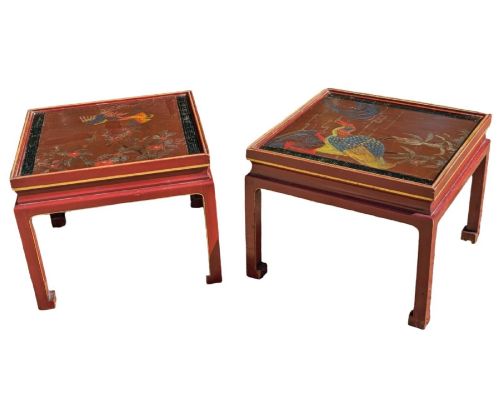
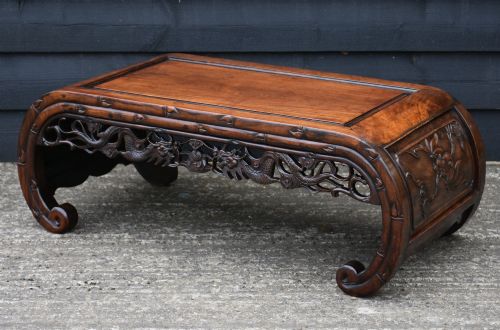
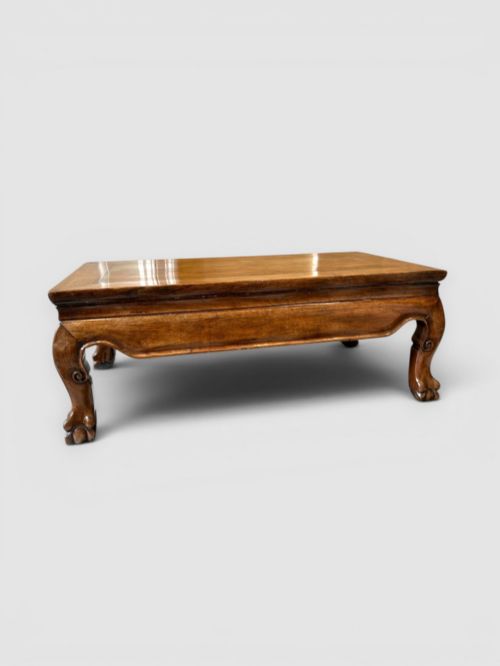
The most common examples on this page are low hardwood coffee tables, elm low tables, and nested sets featuring carved details or lacquered surfaces. Makers utilised traditional forms adapted over decades, resulting in varied proportions suited to modern living spaces.
How they were made
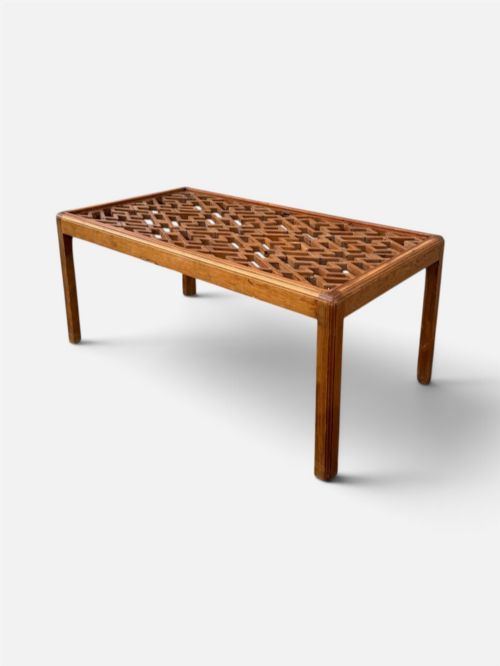
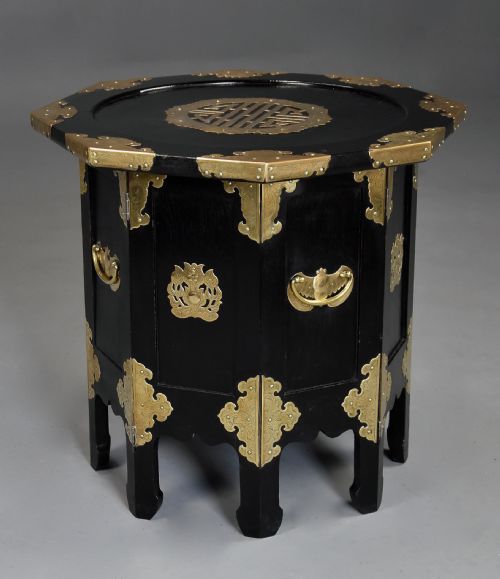
Cabinet makers relied primarily on dense timbers such as rosewood, elm, and general hardwood, often applying black, red, or gilt lacquer over wood bases. Surfaces frequently incorporate carved relief details, fretwork panels, brass mounts, or glass tops.
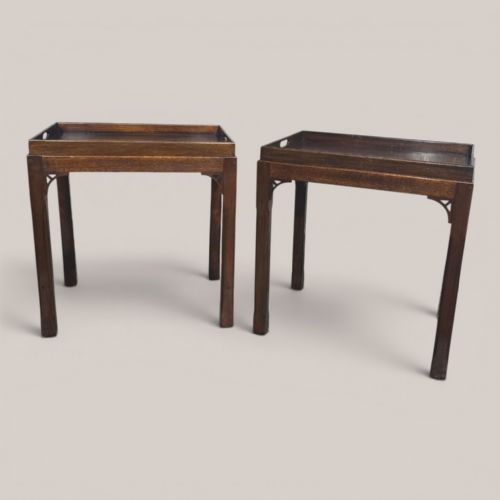
Construction techniques combined traditional joinery with regional styles ranging from Qing dynasty aesthetics to Chippendale adaptations and Chinoiserie ornamentation. Finishes span polished natural grain, ebonised wood, and pigmented lacquer.
Listings feature pieces spanning the nineteenth century up to nineteen fifty, incorporating materials such as elm, rosewood, glass, and ebonised wood.
What varies in quality
The distinction between ordinary and superior pieces rests on the weight and selection of the timber, such as figured rosewood or dense elm. Superior examples exhibit crisp, deep carving and well-preserved lacquer rather than superficial surface decoration.
Construction integrity and the subtlety of proportion separate standard occasional tables from finely finished kang tables and nested sets. The handling of brass details and the execution of fretwork panels reveal the maker's competence.
The Vintage Chinese Coffee Table Glossary
- Kang table
- A low platform table traditionally used on a heated brick bed in northern China for resting or serving tea. These low surfaces form the basis for many modern coffee table adaptations.
- Opium table
- A low rectangular or square table originally utilised for smoking or social gatherings. They typically feature sturdy legs and clean lines.
- Chinoiserie
- European interpretation and imitation of Chinese artistic traditions, popular in furniture decoration. This style often employs lacquered surfaces and gilt motifs.
- Nesting tables
- A set of graduated tables designed to fit neatly beneath one another when not in use. They offer flexible surface space in compact rooms.
- Hongmu
- A general term for dense, heavy hardwoods prized in Chinese cabinet making. The wood often displays rich figuration and dark tones.
Vintage Chinese Coffee Table: Frequently Asked Questions
What is a kang table?
A kang table is a low domestic table originally designed to sit upon a heated sleeping platform in northern Chinese homes. They served multiple daily functions including dining, writing, and tea service.
Today, their low proportions make them ideal for modern seating arrangements as coffee tables. They bring authentic period woodwork and compact scale to contemporary living rooms.
How do I style a low coffee table?
Low tables benefit from careful balancing of height and scale. Pair them with lower seating to maintain traditional proportions.
Keep surfaces relatively uncluttered to showcase the timber grain, carved details, or lacquered finish. A single tray or ceramic piece often complements the design without obscuring the surface.
Are nested tables practical?
Nested tables provide exceptional versatility for smaller spaces by stacking together when floor space is needed. Individual tables can be distributed around a room for guests.
They appear in various formats including sets of three or four graduated pieces. The matching wood or lacquer finishes create a cohesive look across multiple surfaces.
How do I identify a lacquer finish?
Lacquered surfaces involve applying successive coats of processed tree sap to a wood base, often finished with painted or gilt decoration. This technique creates a smooth, durable sheen.
Over decades, genuine lacquer develops a soft patina with fine craquelure. Black and red pigments dominate these pieces, sometimes enhanced with raised relief work.