
Vintage Chiffonier Cabinet
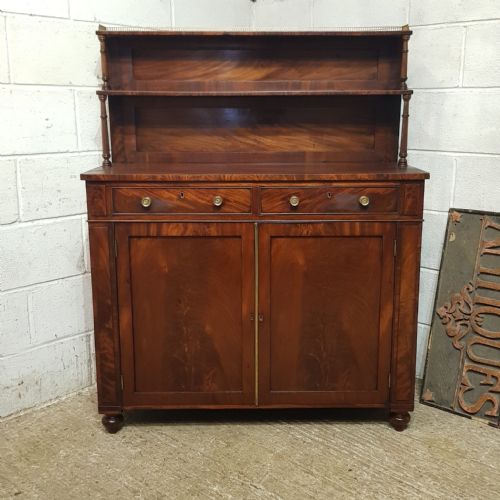
A vintage chiffonier cabinet offers low-slung storage topped with shelves, bringing traditional utility and distinct period character into modern rooms.
Vintage Chiffonier Cabinet
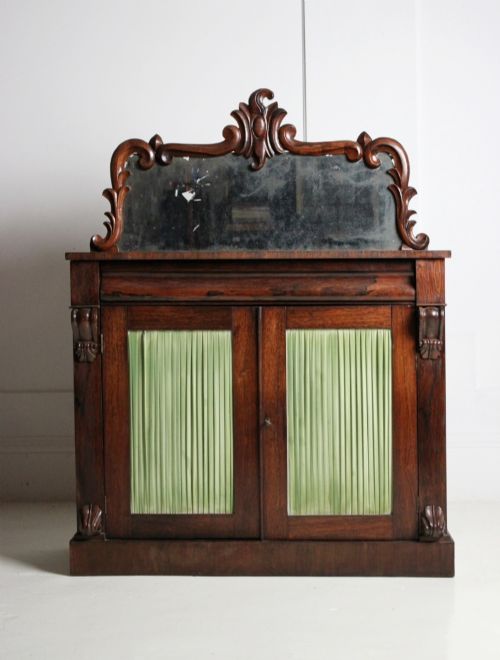
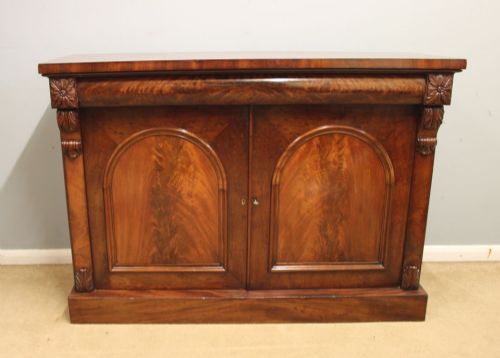
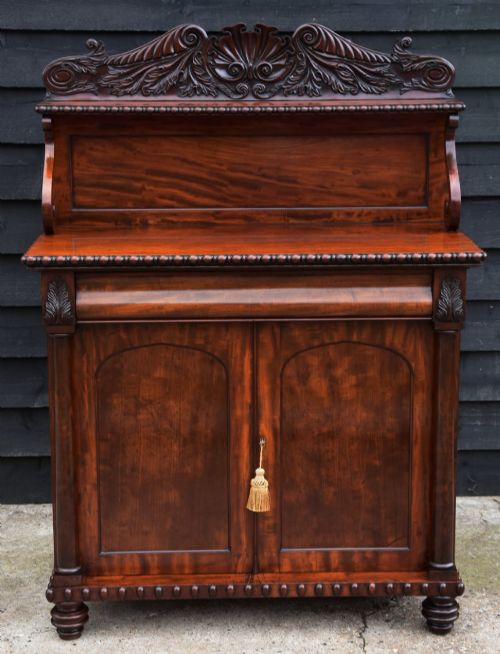
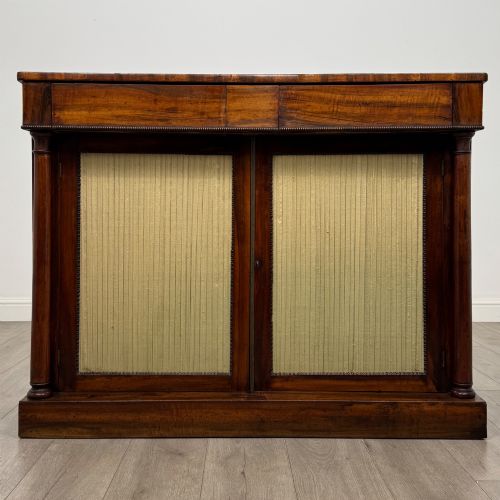
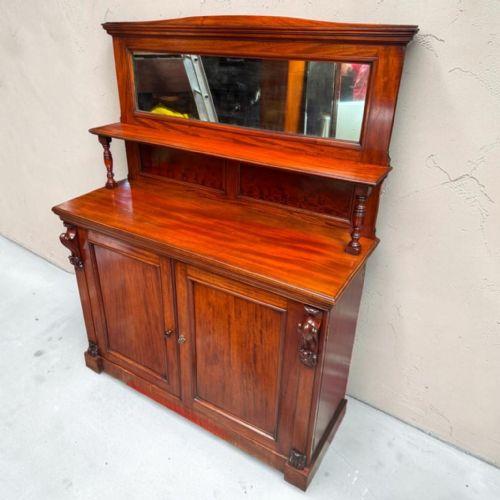
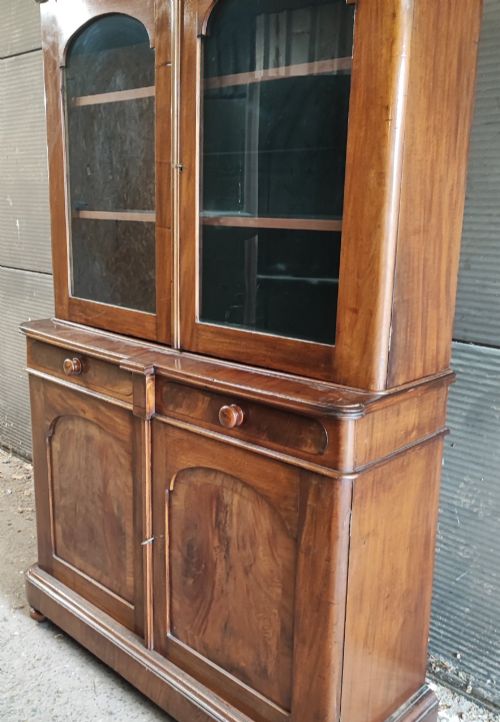
A vintage chiffonier cabinet represents a specialised form of low sideboard that evolved during the nineteenth century to provide enclosed cupboard storage paired with open display shelving above. Buyers seeking this specific layout encounter pieces spanning the Regency, William IV and Victorian eras, alongside Edwardian interpretations.
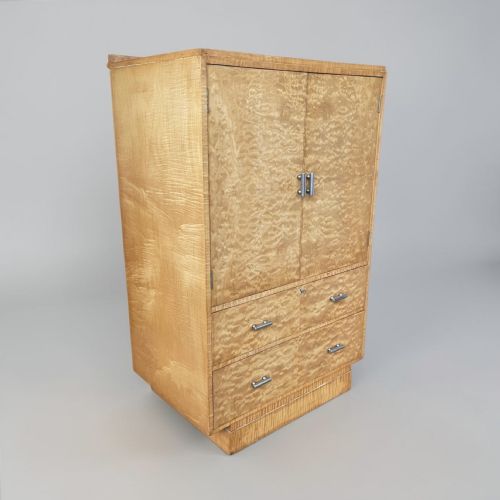
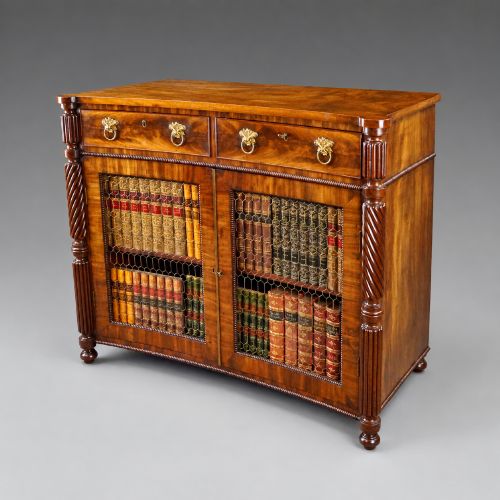
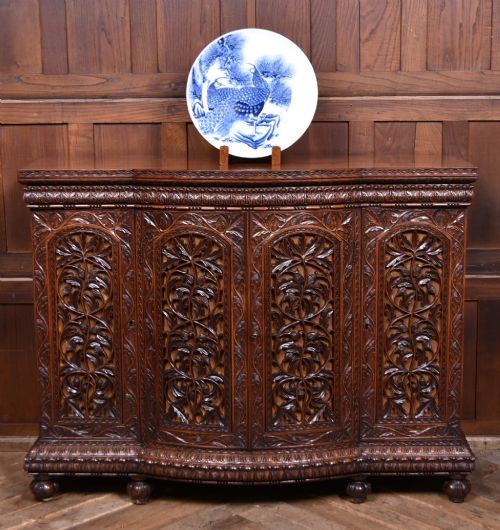
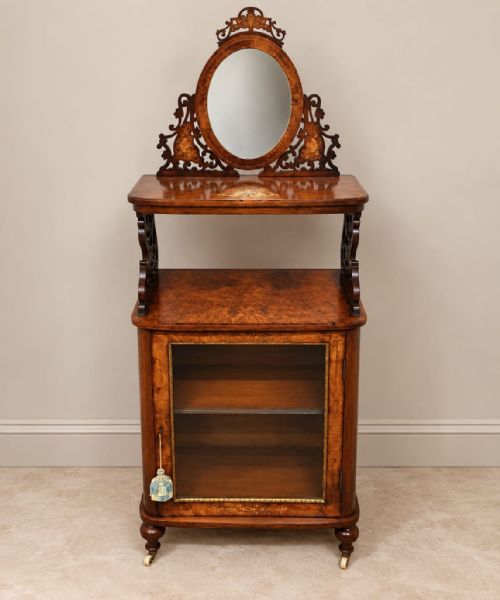
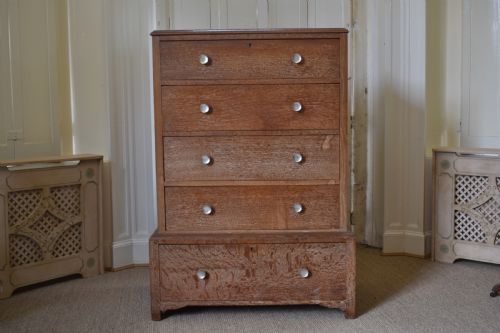
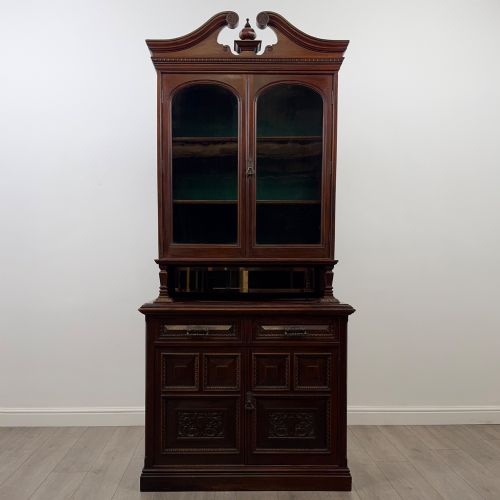
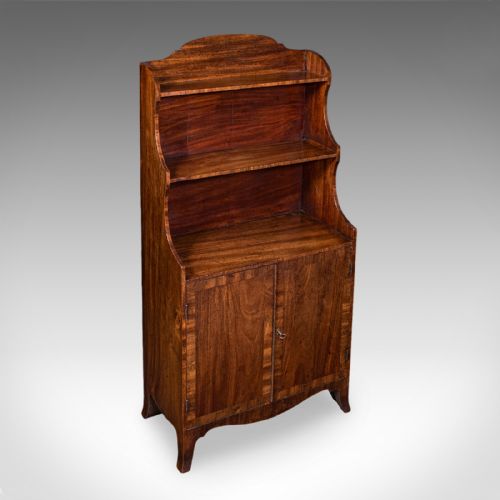
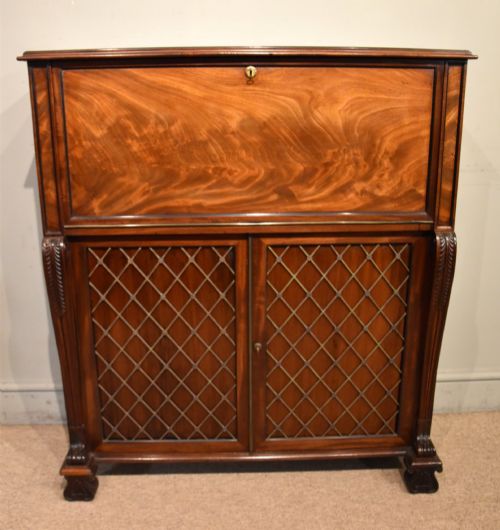
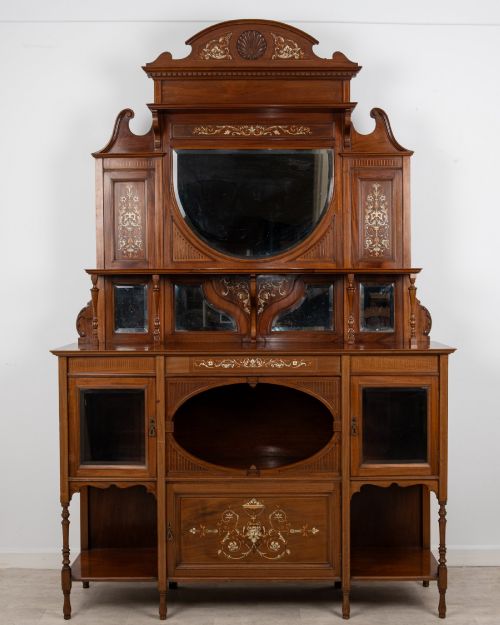
The selections recorded here encompass related side cabinets, bookcases and credenzas in mahogany, rosewood and burr walnut. These low storage units frequently feature enclosed doors below and tiered shelves or mirror backs above, reflecting the shifting domestic requirements of period parlours and dining rooms.
Materials and construction
Cabinet makers utilised dense native and imported timbers, notably solid mahogany and rosewood, often applying flame mahogany or burr walnut veneers to display rich natural grain patterns. Structural integrity relied on traditional joinery, with brass fittings, castors and mirrored glass integrated into the more elaborate designs.
Surface finishing involved hand-applied polishes that enhanced the depth of the timber figure without obscuring natural variations. Metal elements such as brass castors and hinges were selected both for durability and decorative contrast against the dark woods.
Secret drawers hidden within secretaire sections reward inquisitive owners with private compartments for letters and small valuables.
Distinctions in execution
The hierarchy among these pieces rests on the choice of timber and the precision of veneer selection, where symmetrical grain matching separates standard production from superior examples. Secondary woods used for drawer linings and interior framing also signal the standard of the workshop.
Gillows
The Vintage Chiffonier Cabinet Glossary
- Chiffonier
- A low sideboard featuring a cupboard base with shelves above. This form developed in the early nineteenth century as a versatile piece for dining rooms and drawing rooms.
- Flame mahogany veneer
- Timber sliced to produce a distinctive, flickering wave pattern in the grain. Cabinet makers applied these thin sheets over stable secondary woods.
- Burr walnut
- Wood taken from the warted growths of walnut trees, yielding a complex, swirling grain. It was favoured by nineteenth-century makers for high-status cabinet doors and panels.
- Secretaire
- A writing drawer equipped with a drop-front and internal compartments. This feature turns a standard cabinet into a dual-purpose desk.
- Brass castors
- Small wheels fitted to the base of heavy cabinets to ease movement. They appear in fine Regency and Victorian examples.
Vintage Chiffonier Cabinet: Frequently Asked Questions
What is a chiffonier cabinet?
A chiffonier cabinet is a compact sideboard combining a lower enclosed cupboard with upper shelving or a mirror back. It served historically to store and display tableware or books in smaller reception spaces.
Unlike tall bookcases, the low profile keeps sightlines open while offering practical surface area on top.
How do I date a chiffonier?
Dating relies on timber choices, hardware and stylistic cues such as Regency columns or Victorian carving. Earlier pieces often utilise solid mahogany or rosewood, while later ones introduce extensive veneers and mirror backs.
Examining construction methods inside the drawers provides further clues regarding the decade of manufacture.
Where should I place one?
These cabinets suit dining rooms, hallways or living spaces where low-level storage is required without dominating the wall. The upper shelves or mirror back work well for displaying ceramics or small collections.
Ensure the depth of the cabinet matches the proportions of the chosen room.
How do I care for the wood?
Maintain the timber by keeping the surface dusted with a soft, dry cloth and avoiding direct sunlight. Periodic application of appropriate furniture wax preserves the finish and prevents the wood from drying out.
Keep pieces away from sudden temperature shifts and direct heat sources.