
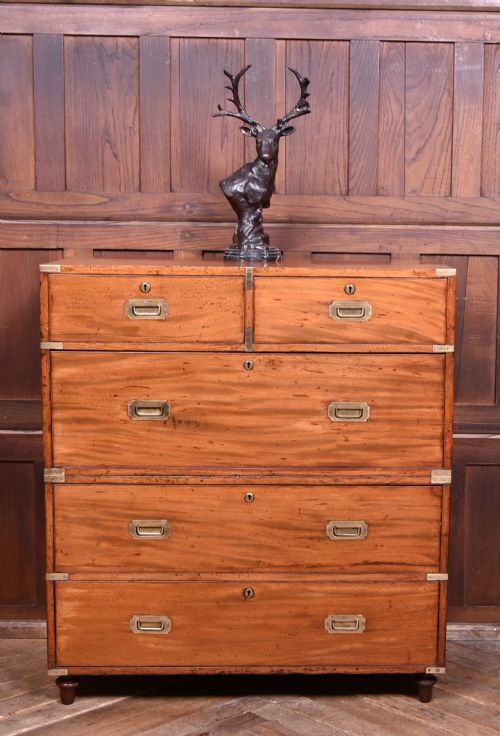
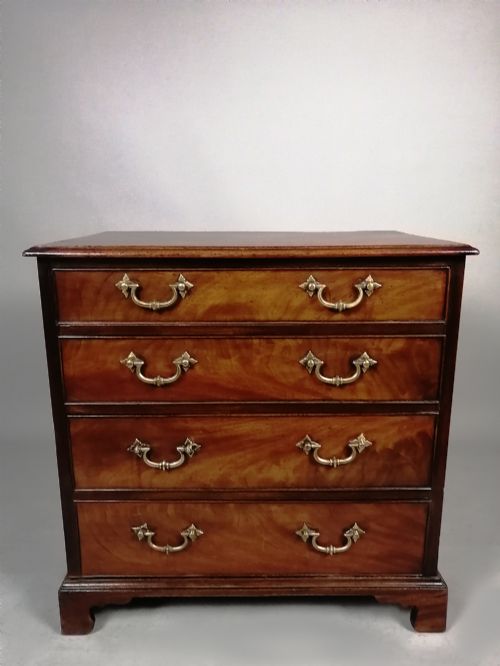
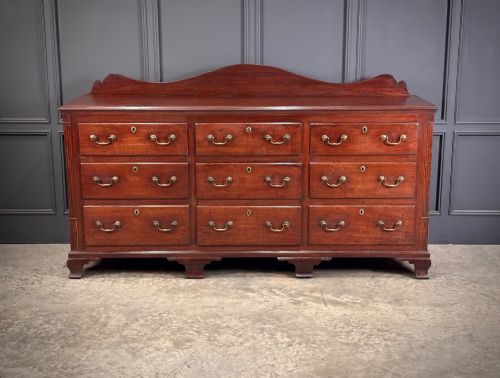
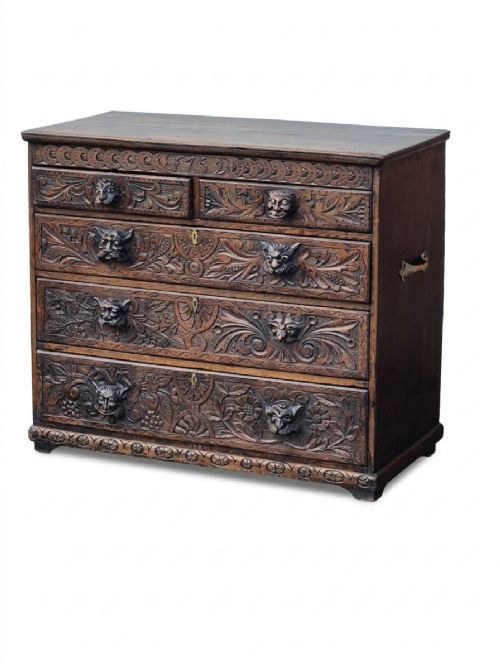
Vintage Chest of Drawers
A vintage chest of drawers provides essential bedroom storage through time-honoured craftsmanship and timber character.
Vintage Chest of Drawers
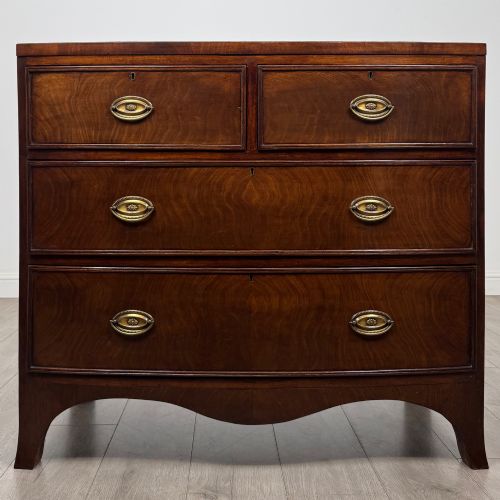
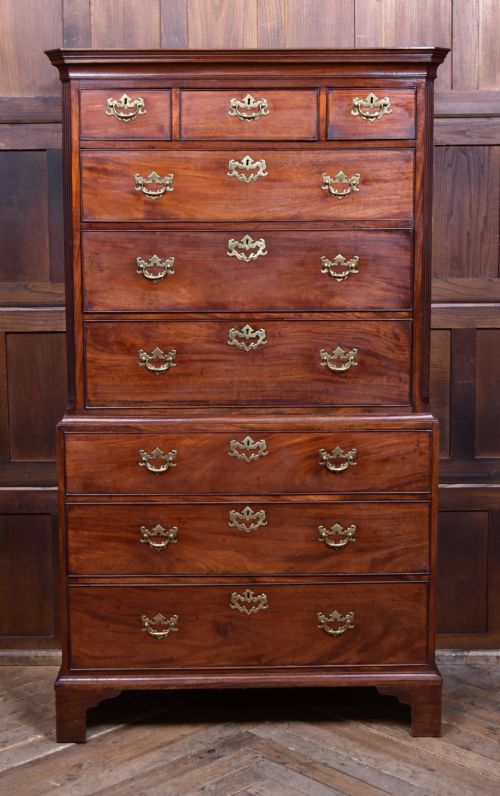
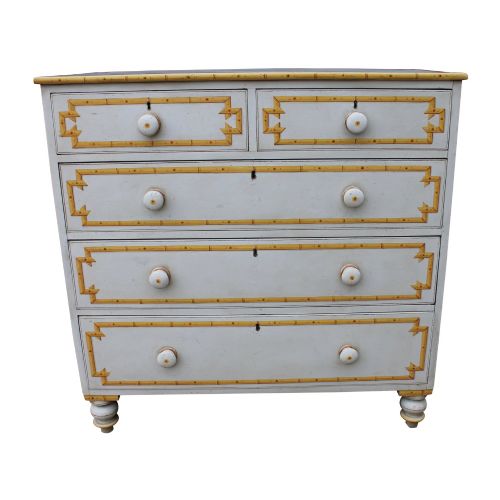
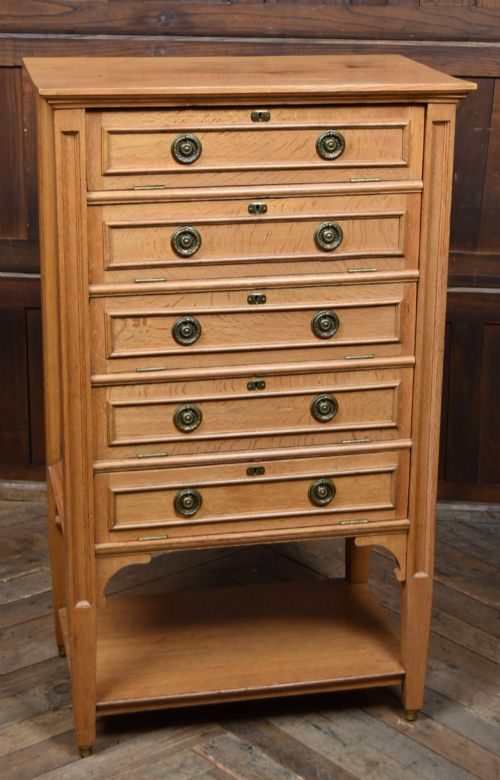
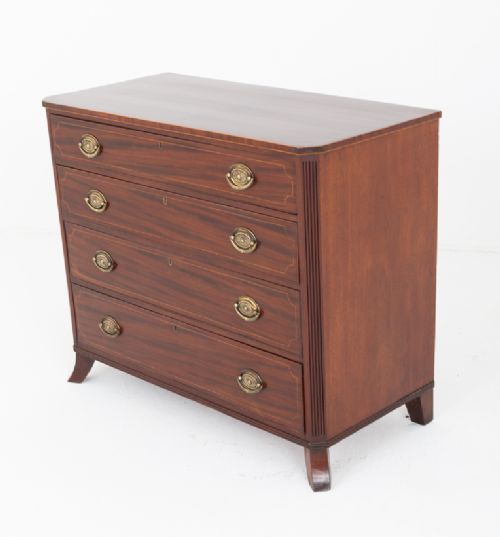
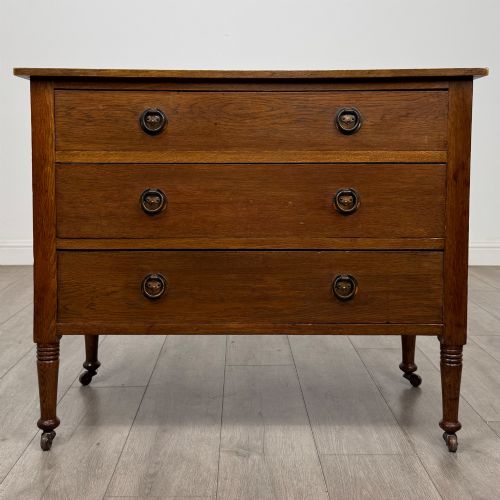
A vintage chest of drawers brings practical storage and architectural presence to a room, appearing in forms from modest bedside cabinets to tall bow-fronted commodes. Buyers searching for a vintage chest of drawers encounter diverse regional variations, including French commodes, English mahogany pieces, and rustic pine items.
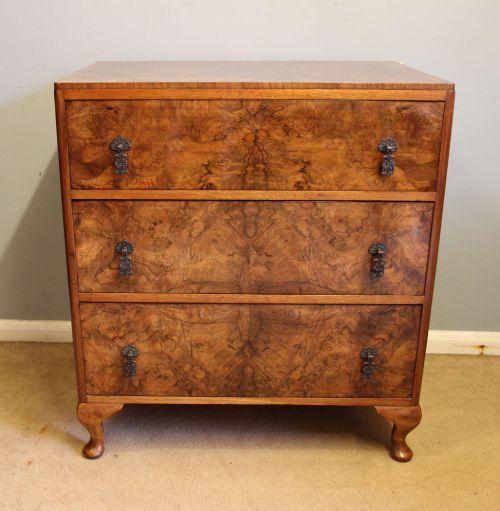
The materials span native and exotic timbers, metal fittings, and occasional marble tops. Pieces range from compact Edwardian oak examples to substantial Georgian styles and sleek Art Deco walnut designs.
Most items on this page date from the nineteenth and twentieth centuries, reflecting the enduring utility of multi-drawer storage. The selection bridges formal period furniture and simpler vernacular designs in pine and oak.
Materials and Construction
Makers utilised solid hardwoods like mahogany, oak, and walnut alongside decorative veneers such as burr walnut and flame mahogany. Timber selection dictated both the visual grain and the structural integrity of the carcase and drawer linings.
Traditional joinery methods, including dovetail joints on drawer construction, ensured longevity and smooth operation. Brass handles, escutcheons, and occasional marble tops provided functional hardware and contrasting surface textures.
Some drawers hide secret compartments behind miniature pilasters, ready to guard small valuables from curious house guests.
Markers of Quality
Superior quality manifests in the selection of figured veneers and the precision of the timber matching across drawer fronts. Fine pieces display tight dovetail joinery and balanced proportions that elevate standard utilitarian storage into decorative art.
The integration of original hardware, such as brass pulls and working locks with keys, distinguishes high-grade items. Timber thickness and the choice of secondary woods inside the drawers also indicate the standard of production.
T & G Seddon
The Vintage Chest of Drawers Glossary
- Bow Front
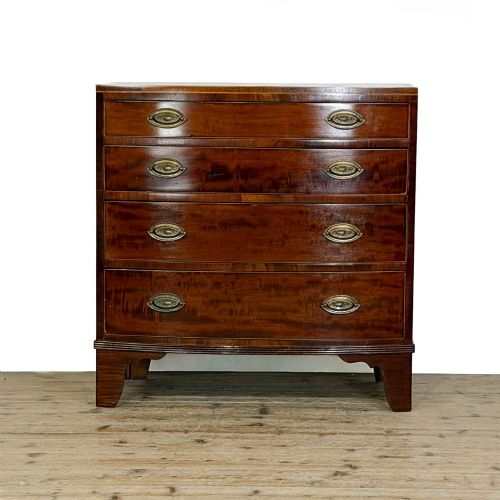
- A convex curved front facade popular in Regency and later periods. This shape softens the room's geometry while adding expense to the cabinetmaker's work.
- Commode
- A low chest of drawers or cabinet, often of French origin. The term frequently applies to decorative pieces featuring marble tops and marquetry.
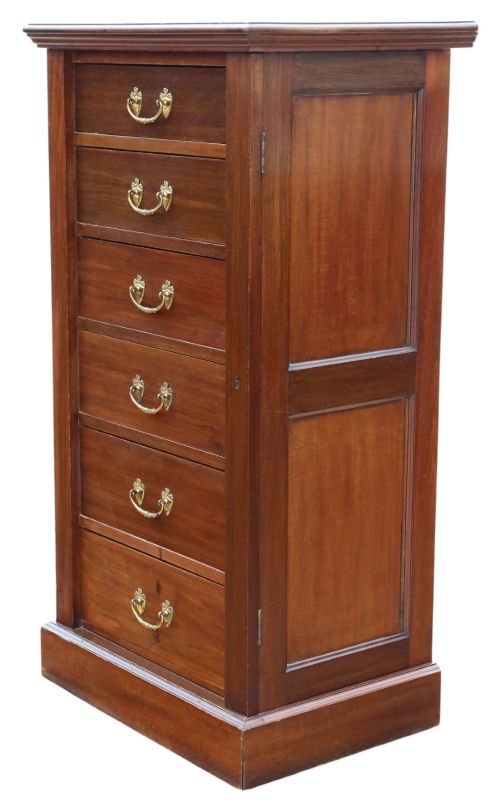
- Wellington Chest
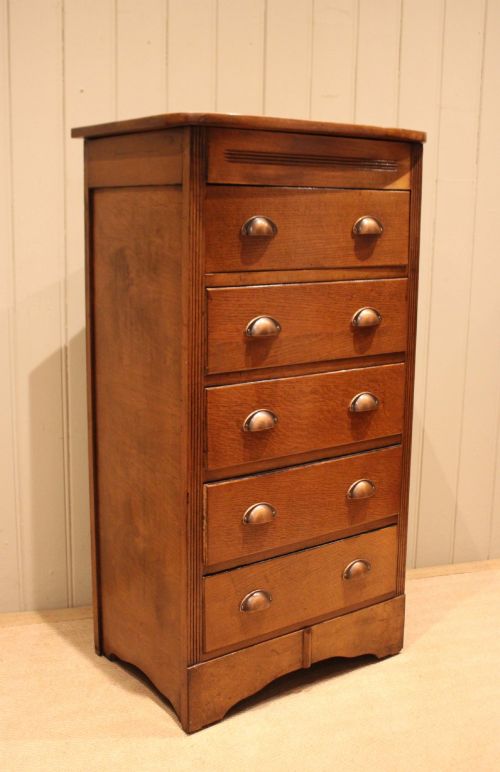
- A tall, narrow chest of drawers secured by a hinged locking stile on one side. This format originated in the nineteenth century for secure document storage.
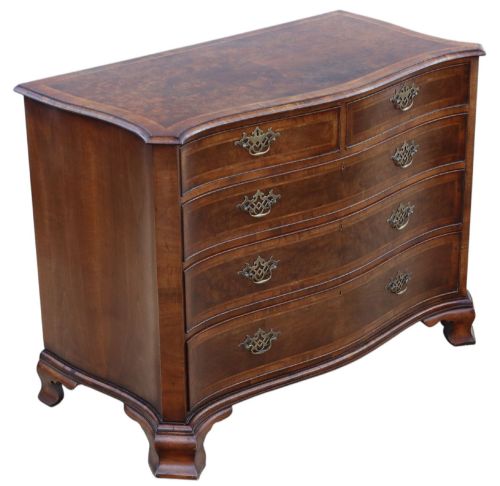
- Serpentine
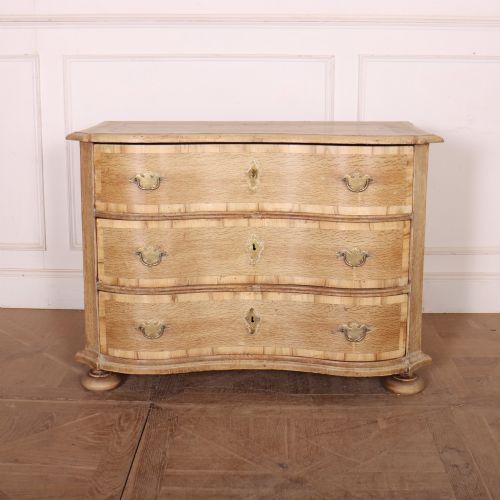
- A wave-like curved front featuring a convex centre flanked by concave sides. This sophisticated contour requires advanced woodworking skill.
- Dovetail
- An interlocking joint formed by wedge-shaped fingers, standard in drawer construction. Hand-cut variations help date older carcase furniture.
- Crossbanding
- A decorative border of veneer laid perpendicular to the grain of the primary surface. It frames drawer fronts and tabletops on finer case pieces.
Vintage Chest of Drawers: Frequently Asked Questions
How do I date a chest of drawers?
Dating relies on examining construction methods, timber choices, and hardware styles across the piece. Hand-cut dovetails and secondary woods often point to earlier periods, while machine-sawn elements suggest later manufacturing.
Design motifs also provide clues, as Georgian and Regency pieces follow distinct classical proportions compared to Edwardian or Art Deco iterations.
Are these drawers suitable for daily bedroom use?
Most antique and vintage storage items function well for modern clothing and domestic organisation. Solid timber construction offers robust durability that often surpasses contemporary flat-pack alternatives.
Drawer runners and internal depths vary by era, so buyers should check dimensions to ensure compatibility with modern storage needs.
What is the difference between a commode and a chest?
A commode typically refers to a low, decorative cabinet of French or continental European influence, frequently topped with marble or detailed with marquetry. A standard chest of drawers focuses primarily on utilitarian vertical storage.
Both terms occasionally overlap in marketplace terminology depending on the origin and decorative embellishment of the furniture.
How should I care for a vintage wooden chest?
Preserving wooden surfaces involves keeping furniture away from direct heat sources and sudden humidity changes to prevent timber splitting. Regular dusting with a soft cloth maintains the finish without chemical buildup.
Applying occasional appropriate wax feeds the grain and protects older polish on mahogany, walnut, and oak surfaces.