





Vintage Cherub Holder
These vintage cherub holder examples bring figurative charm to your desk or mantelpiece, crafted in enduring metals and ceramics.
Vintage Cherub Holder
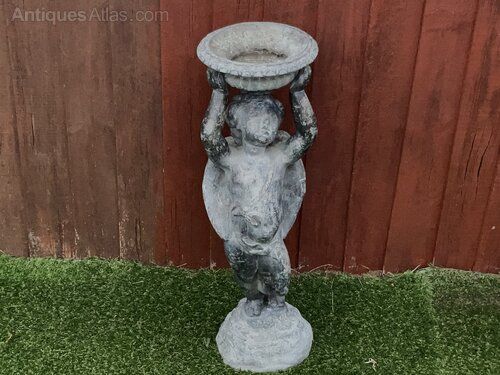
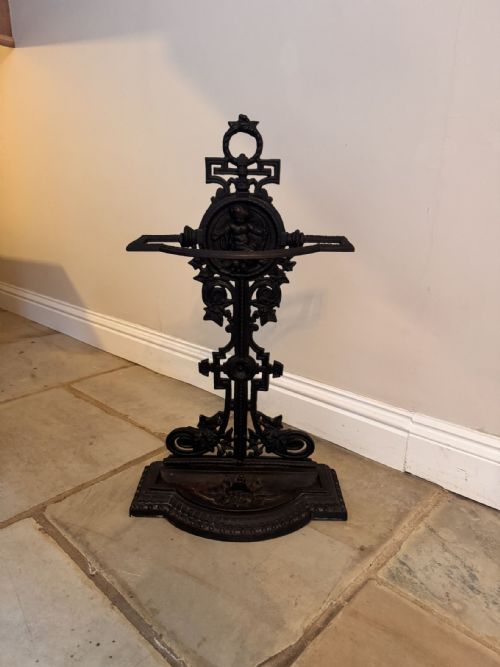
When you search for a vintage cherub holder, you encounter a delightful variety of functional desk accessories, candlesticks, and umbrella stands. The selections span several periods, most notably the Victorian and Edwardian eras, reflecting both British and continental manufacturing.
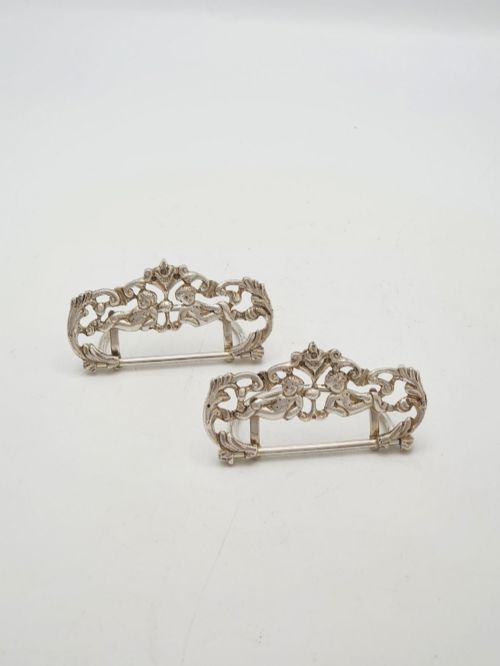
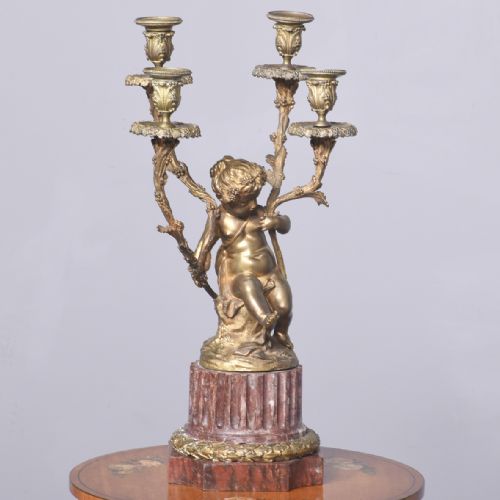
You are most likely to meet cast iron stands, brass letter racks, and sterling silver place card holders alongside gilt bronze and marble candelabra. These domestic items merge utility with playful or romantic figural ornamentation.
The assortment reaches from grand French Second Empire candelabra down to modest stamp boxes and spill holders. Each piece incorporates winged figures into everyday household administration or illumination.
How they were made
Metals dominate the construction, utilising cast iron, brass, gilt bronze, bronzed spelter, and sterling silver formed through casting and stamping techniques. Ormolu finishes and enamel accents frequently enhance the metallic surfaces.
Ceramic and stone components appear in blanc de chine porcelain, marble bases, and cut glass vessels. Artisans mounted these materials with metal fittings to support candle sockets or house desktop stationery.
Vintage Cherub Holder Retail Price Guide 2026
Typical asking prices for vintage cherub holder among the pieces listed under this phrase on Sellingantiques today, from the lower quarter to the upper quarter. They describe what is for sale here now, not the wider market.
Tiny winged messengers stand ready to guard your postage stamps and business cards from administrative chaos.
What varies in quality
Weight and structural integrity also separate the output, as heavy cast iron umbrella stands and solid sterling silver items demonstrate substantial material substance compared to lighter plated wares.
The Vintage Cherub Holder Glossary
- Ormolu
- Gilt bronze decoration applied to furniture, clocks, and candelabra. This technique involves amalgamating gold with mercury onto a bronze base.
- Spelter
- An alloy of zinc and other metals used as a cheaper alternative to bronze. It frequently receives a bronze-coloured coating to simulate heavier metal.
- Blanc de chine
- White porcelain produced in China and widely emulated by European factories. The smooth glaze highlights moulded figural details.
- Candelabra
- Branched lighting devices designed to hold multiple candles. These often feature central cherub figures supporting the arms.
Vintage Cherub Holder: Frequently Asked Questions
What is a cherub holder used for?
These pieces served practical functions in period homes, ranging from holding stationery like stamps and letters to supporting taper candles and organising visiting cards.
Over time, many of these domestic accessories transitioned from functional desktop tools to purely decorative display objects on mantels and sideboards.
How do I date a Victorian piece?
Dating relies on examining the registration marks, maker stamps, and stylistic conventions typical of the nineteenth century. Victorian items often display heavier ornamentation influenced by Rococo revival tastes.
Material composition and manufacturing techniques, such as the transition from hand-chased bronze to mass-produced cast iron, also help narrow down the decade of production.
Are these items made of solid silver?
Some items, particularly place card holders and small boxes from the Victorian and Edwardian periods, utilise sterling silver. Hallmarks stamped directly onto the metal confirm the purity and year of assay.
Other items consist of base metals like brass, cast iron, or spelter with various metallic finishes rather than precious solid silver.
How should I clean antique bronze?
Preserving the original patina requires gentle dusting with a soft, dry cloth without harsh chemical polishes. Moisture can damage exposed metal and underlying marble or enamel.
Consulting a professional conservator is advisable if deeper cleaning becomes necessary to remove accumulated grime from intricate figural recesses.