
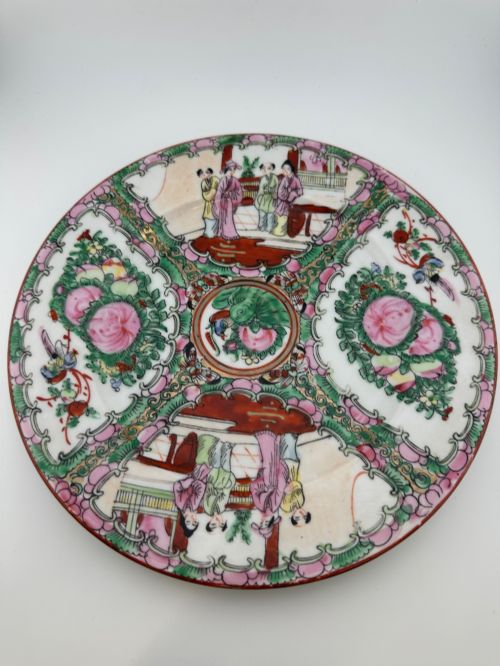
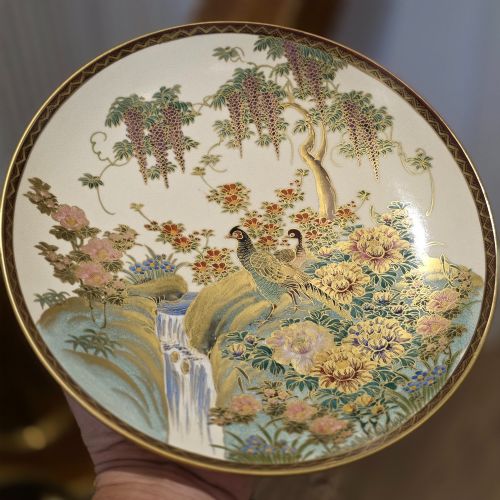
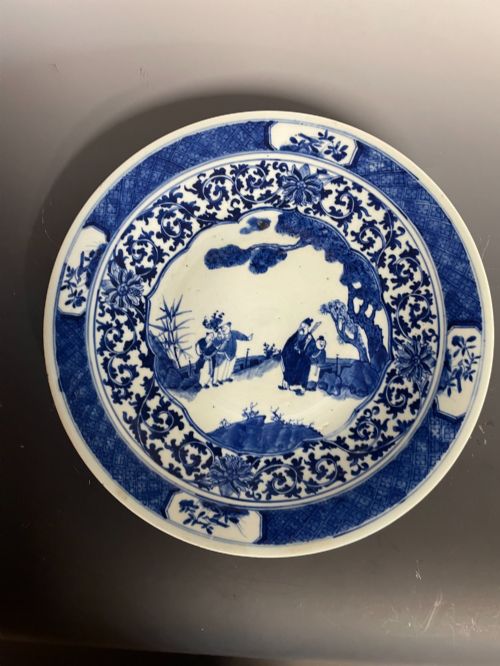
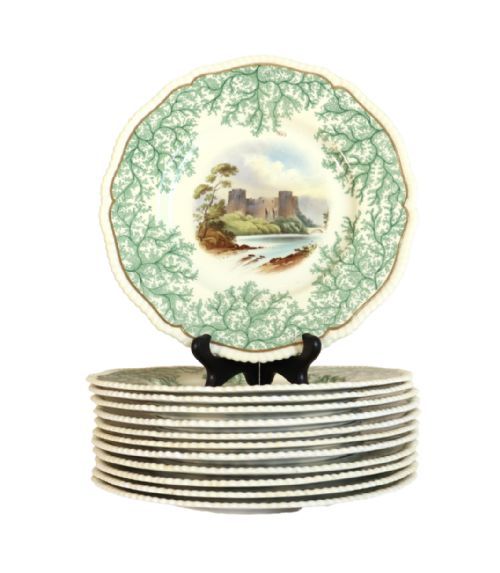

Vintage Ceramic Plates
These vintage ceramic plates span centuries of kiln craft, offering functional utility and rich hand-painted display surfaces for tables and walls.
Vintage Ceramic Plates
When buyers search for vintage ceramic plates, they encounter a broad spectrum of forms ranging from utilitarian serving dishes and soup bowls to highly decorative cabinet plates and expansive chargers. The selection spans earthenware, porcelain, and delftware produced across European and Asian workshops.
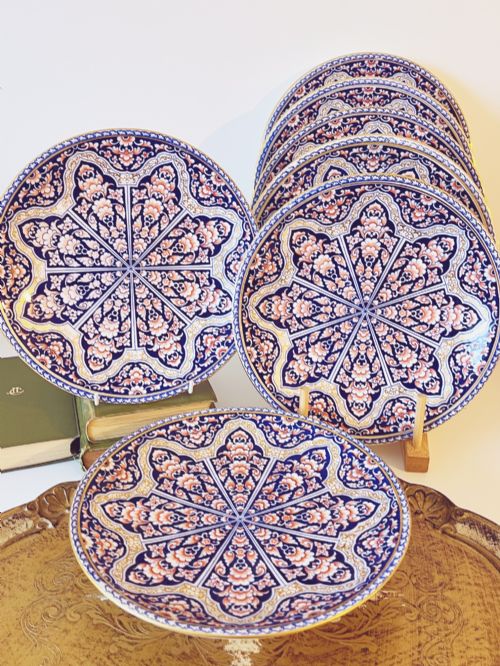
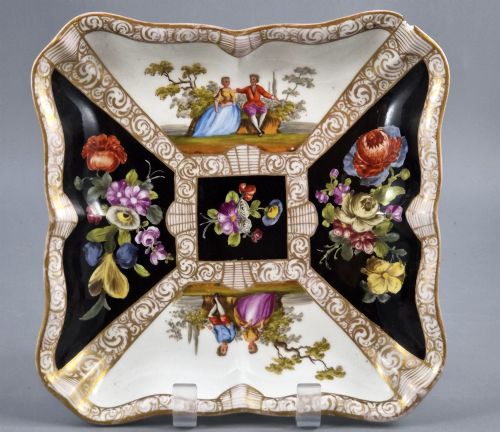
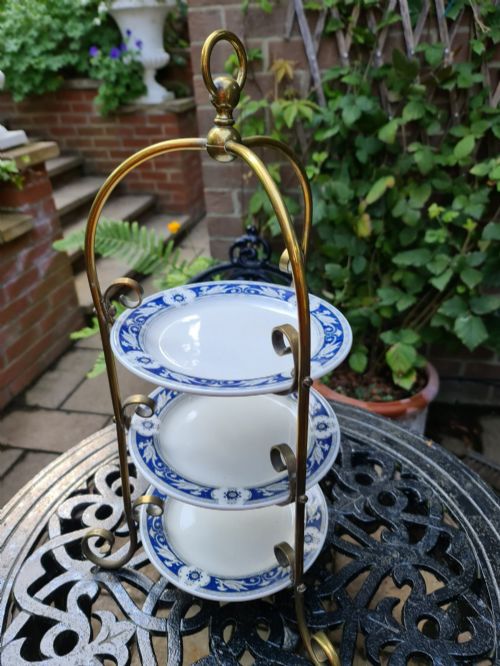
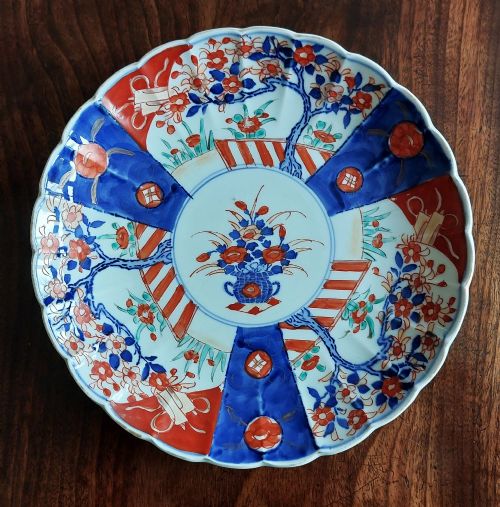
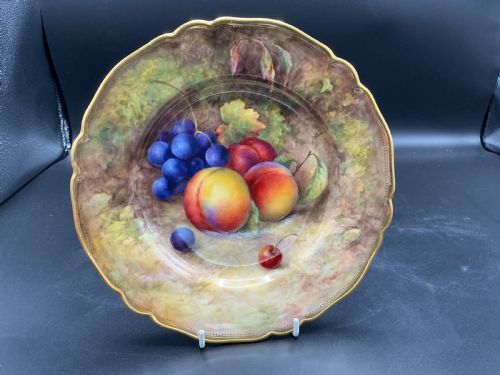
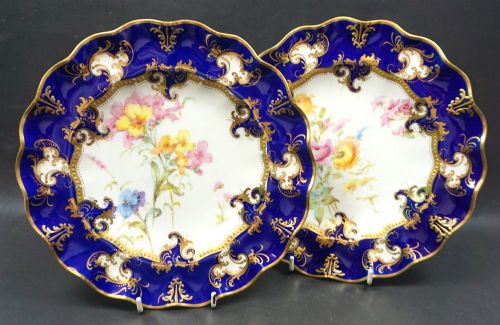
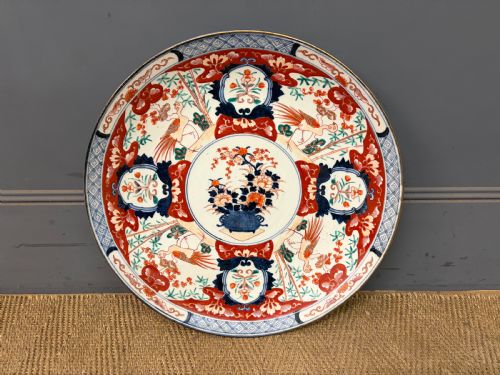
The most common versions met on this page include 19th-century blue and white transferware, traditional Japanese Imari patterns, and richly painted porcelain cabinet plates from English factories.
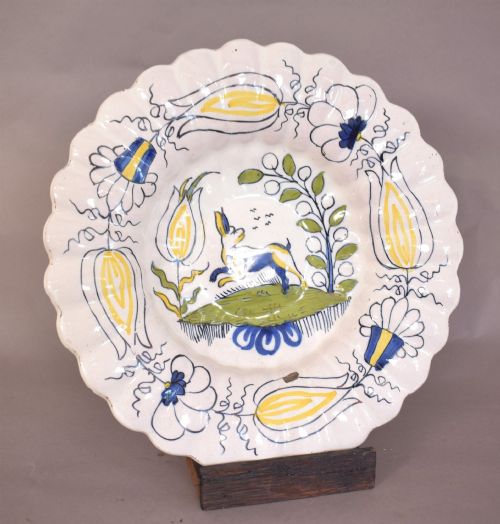
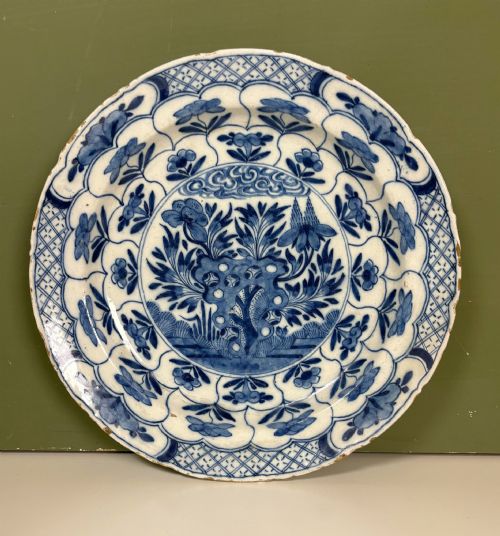
Pieces frequently carry specific regional markers, such as Dutch and English Delft chargers alongside continental maiolica and intricate Japanese Meiji period dishes.
How they were made
Potters shaped these objects using earthenware, porcelain, and ceramic bodies, frequently applying tin glazes, enamel, or salt glazes to seal the porous clay before firing.
Decoration relied heavily on hand-painted pigments, blue and white transfer printing, and polychrome brushwork, sometimes supplemented by gold leaf and gilt detailing.
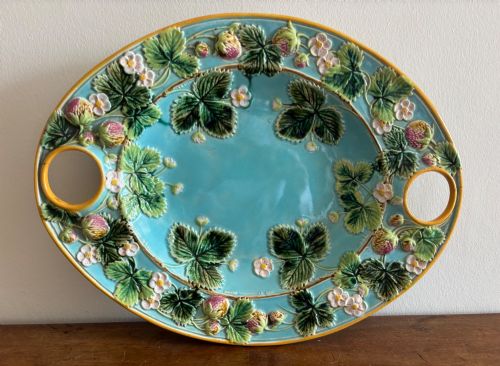
Specialised techniques include the Majolica lead glazes seen on nineteenth-century Victorian wares and the intricate underglaze cobalt painting characteristic of Delft and Imari productions.
Elephants, seaweed, and orchids all share plate space here.
What varies in quality
Quality rests upon the crispness of the painted or transferred design, the fineness of the ceramic body, and the precision of the glaze finish.
Hand-painted cabinet plates signed by known artists or executed with complex polychrome palettes represent the upper tier of execution, contrasted against simpler utilitarian production wares.
The sophistication of the kiln firing and the stability of the porcelain body dictate the enduring clarity of colours and the retention of delicate gilt borders.
Spode·Royal Crown Derby·Royal Worcester·George Jones·Hicks and Meigh·John Rogers and Son
The Vintage Ceramic Plates Glossary
- Charger
- A large decorative plate or dish traditionally used for service at grand dining tables or displayed upright on sideboards. They often feature pictorial scenes or elaborate floral borders.
- Cabinet Plate
- A decorative plate intended for display in a cabinet or on a wall rather than for everyday dining. These pieces usually showcase superior hand-painted artistry.
- Delftware
- Tin-glazed earthenware originating in the Netherlands and England, typically decorated in blue and white or polychrome colours with European or Chinoiserie motifs.
- Transferware
- Pottery decorated by applying a printed design from an engraved copper plate onto the ceramic surface using tissue paper. This method allowed intricate patterns to be reproduced consistently.
- Majolica
- Earthenware decorated with opaque lead glazes containing tin oxide, noted for vibrant coloured reliefs. It gained immense popularity during the Victorian era.
Vintage Ceramic Plates: Frequently Asked Questions
How do I display a cabinet plate?
Cabinet plates with decorative painted scenes look best mounted securely on walls using specialist brass hangers or stood upright on dedicated plate rails.
Keep them away from direct sunlight to preserve the pigments of hand-painted fruit and floral designs.
Are antique chargers safe for food?
Many early earthenware and delft chargers have porous bodies or lead-based glazes that are unsuitable for serving acidic foods today.
It is safer to reserve these older pieces for decorative display rather than daily culinary use.
What is the difference between porcelain and earthenware?
Porcelain is fired at much higher temperatures until the clay vitrifies into a dense, non-porous material that often appears translucent under strong light.
Earthenware remains softer and more porous, requiring a complete glaze coating to hold liquids.