
Vintage Ceramic Light
A vintage ceramic light brings substance and hand-painted colour to a room through pottery and porcelain bodies mounted for illumination.
Vintage Ceramic Light
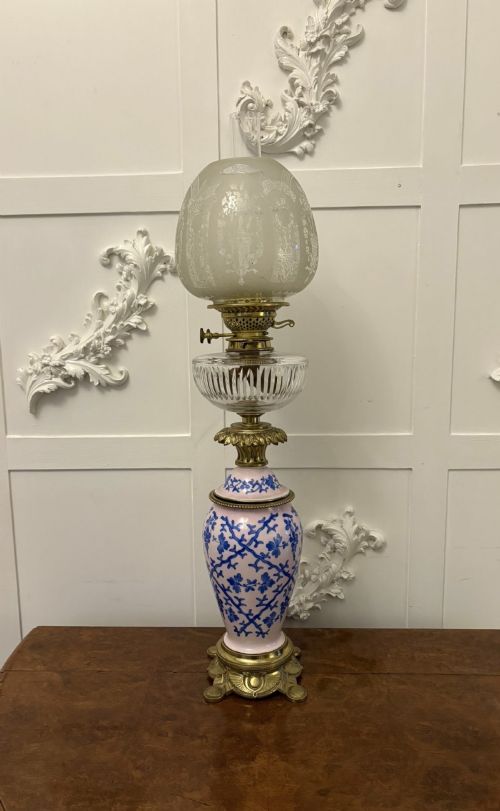
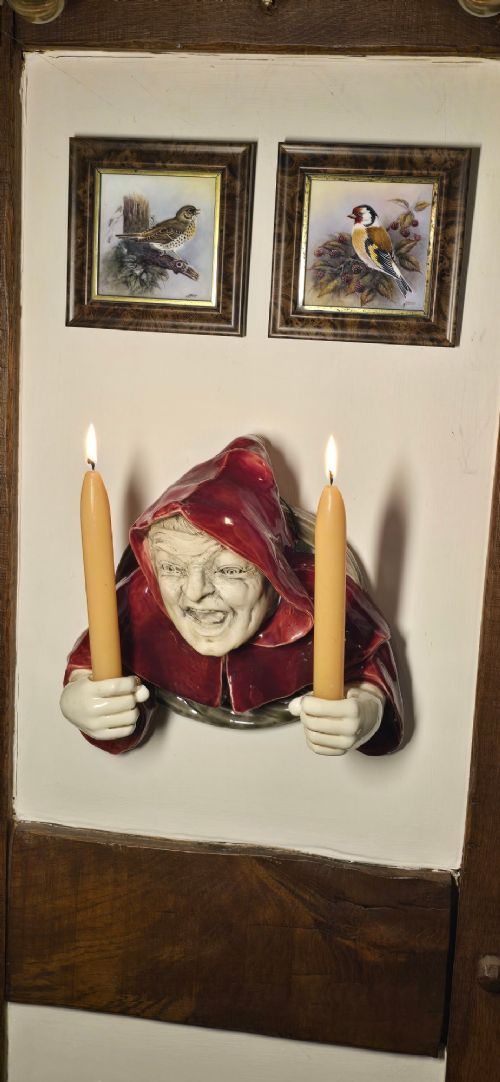
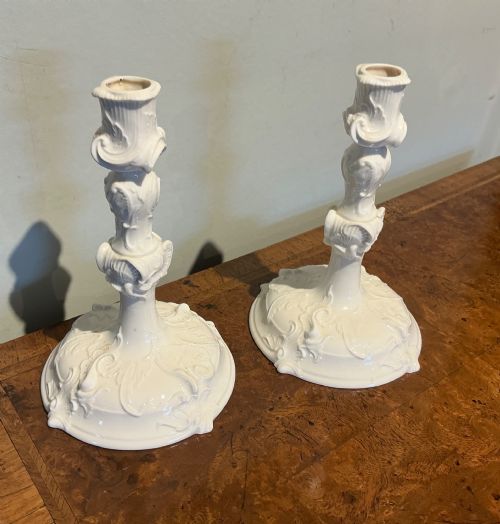
When someone searches for a vintage ceramic light, they encounter table lamps, oil lamps, wall sconces and chandeliers drawn from the nineteenth and early twentieth centuries. These pieces often originate from European factories or Asian export wares mounted with metal fittings.
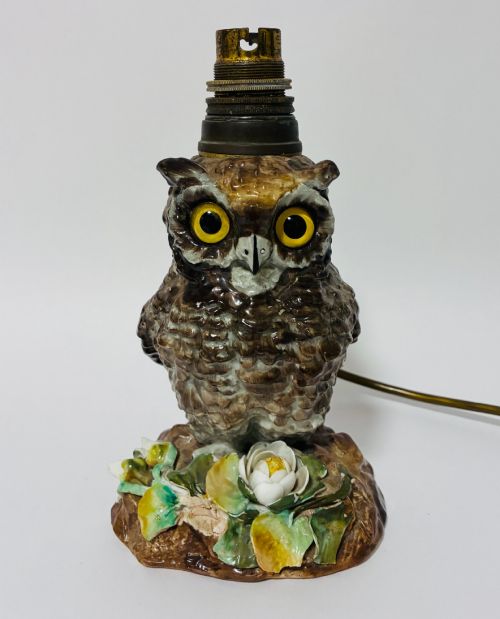
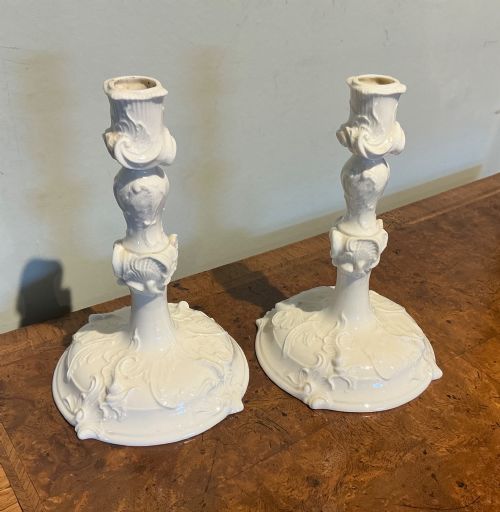
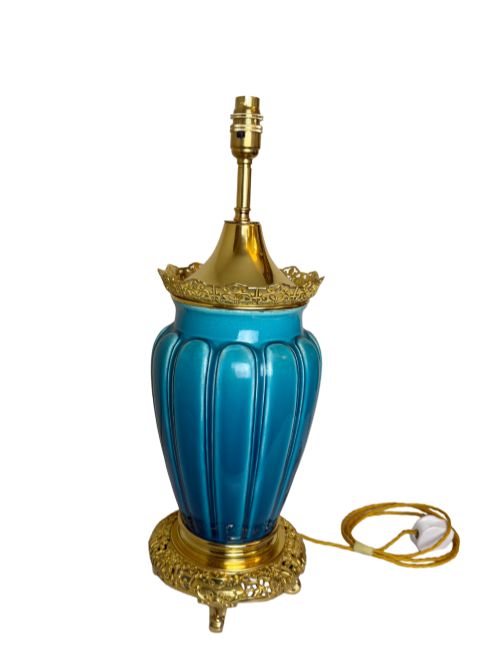
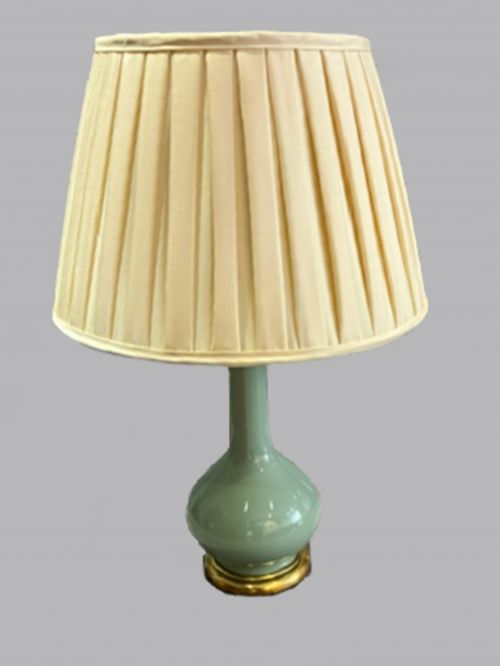
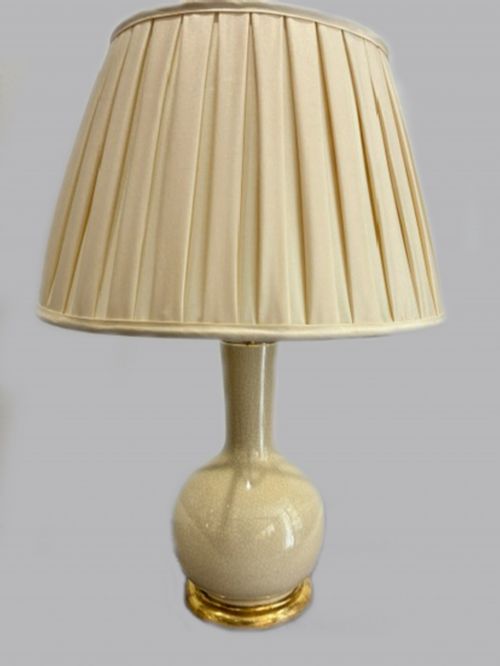
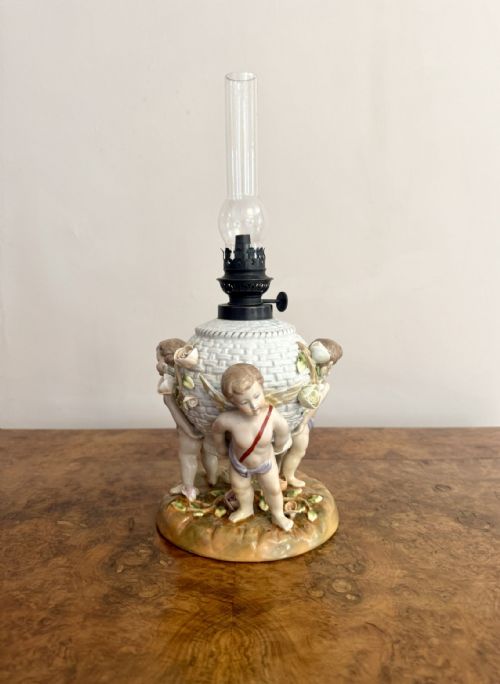
The most frequent examples on this page are table lamps and oil lamps built from porcelain, earthenware or pottery bases, alongside converted vases from various periods.
Makers and styles span Victorian, Edwardian and Art Deco tastes, incorporating earthenware bodies and glazed ceramics into domestic illumination.
Materials and construction
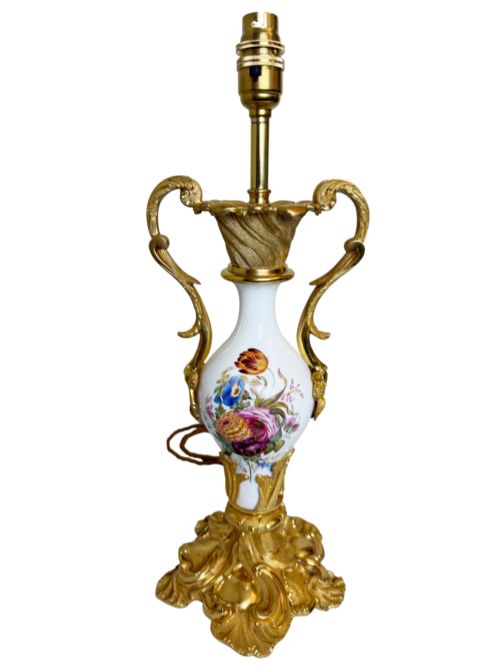
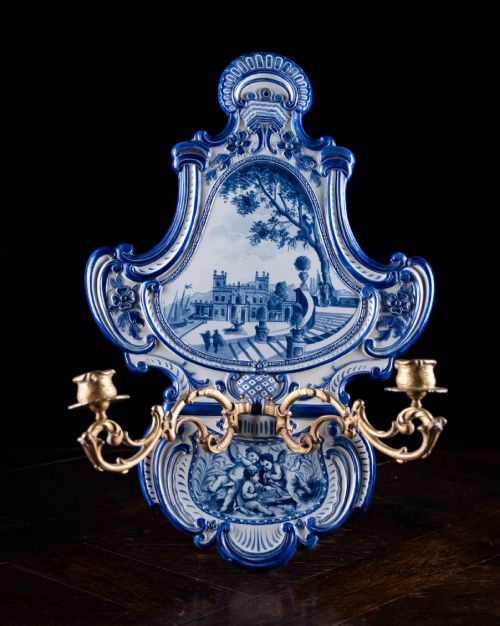
Bodies are fashioned from ceramic, porcelain, earthenware or pottery, frequently combined with brass, gilt bronze, or ormolu mounts and occasional glass elements.
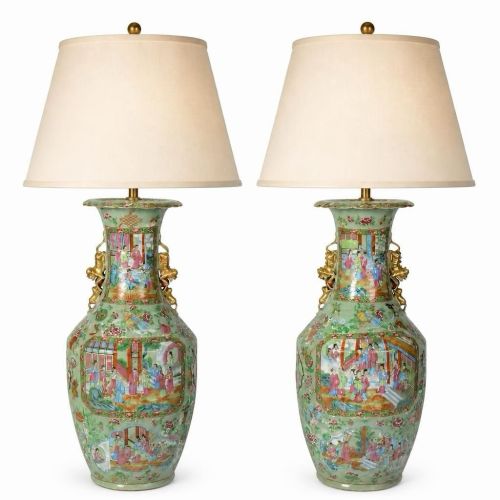
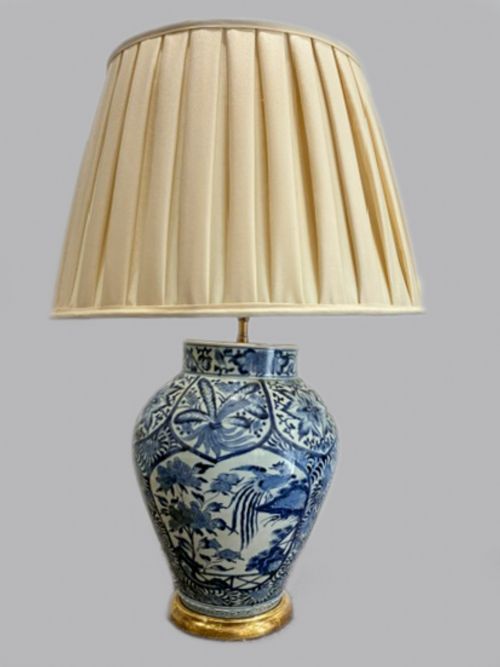
Many items begin life as vases, jars or figures before conversion into lamps, utilising drilled bases and fitted metal collars to secure the electrical or oil hardware.
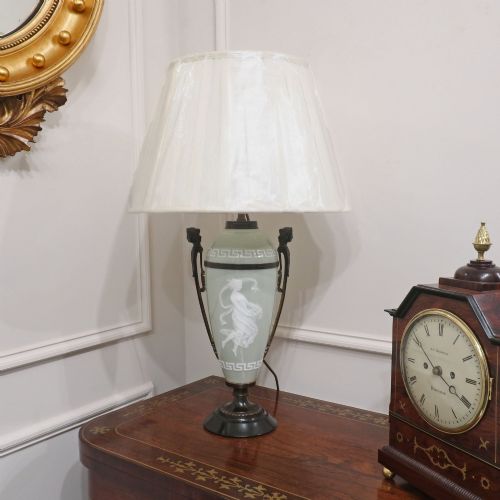
Surface decoration relies on hand-painted glazes, blue and white pigments, or pate sur pate techniques applied directly to the clay body.
Listings span periods from the seventeenth century through to the Art Deco era, uniting porcelain, brass, earthenware and glass.
Judging the standard
Quality rests upon the crispness of the porcelain moulding and the artistic skill evident in hand-painted surface decoration.
The integration of metal mounts, such as ormolu or brass, dictates the refinement of the finished piece, separating standard production from exceptional examples.
Nymphenburg·Villeroy and Boch·Sitzendorf·Royal Worcester·Meissen·Moorcroft
The Vintage Ceramic Light Glossary
- Ormolu
- Gilded bronze mounts applied to furniture and ceramic bases. This technique adds decorative weight and structural detail to the piece.
- Pate sur pate
- An enamel painting method where layers of liquid clay build a low relief design on a contrasting background. It creates a cameo effect on porcelain.
- Cloisonne
- Enamel work separated by thin metal wires soldered to a base. It appears on various decorative objects mounted for lighting.
- Toleware
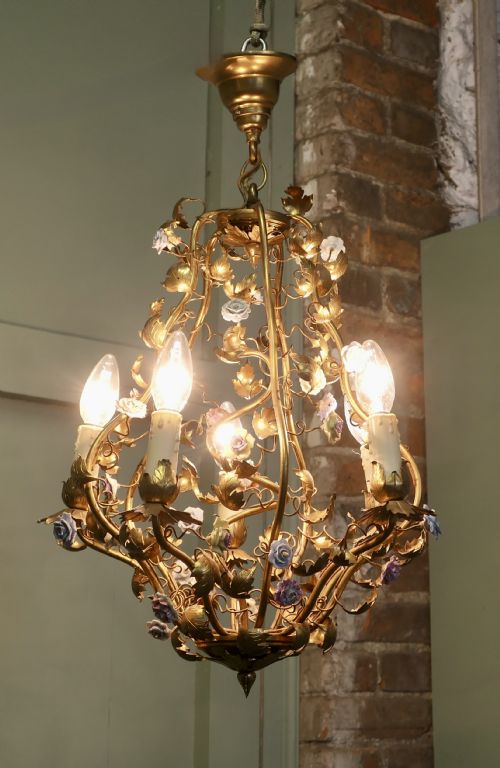
- Painted sheet metal shaped into leaves or floral elements. It frequently accompanies ceramic components in chandeliers and wall lights.
- Veilleuse
- A ceramic night light consisting of a small body and pierced cover. These French items provided gentle illumination in bedrooms.
Vintage Ceramic Light: Frequently Asked Questions
Are these lamps converted from older vases?
Many listings feature antique vases or jars from earlier centuries adapted into lamps through the addition of electrical fittings and metal mounts.
This practice preserves decorative ceramic bodies by giving them a functional role in modern interiors.
How do I identify a Victorian ceramic light?
Victorian examples often display robust porcelain or earthenware bodies with floral designs, figural elements, or oil lamp reservoirs.
Mounts in brass or gilt bronze are typical of this nineteenth-century period.
What styles appear in these listings?
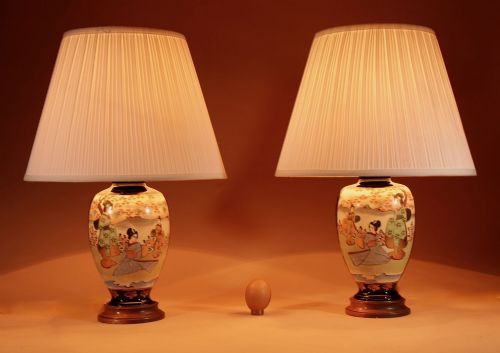
The selection includes Victorian, Edwardian, Art Nouveau and Art Deco designs alongside Asian export styles like Satsuma and blue and white porcelain.
French styles such as toleware and neoclassical interpretations also feature prominently.
How should I clean a ceramic lamp base?
Dust glazed porcelain and earthenware gently with a dry or slightly damp cloth to protect the hand-painted surface details.
Avoid harsh chemical cleaners that might damage the antique glaze or metal mounts.