

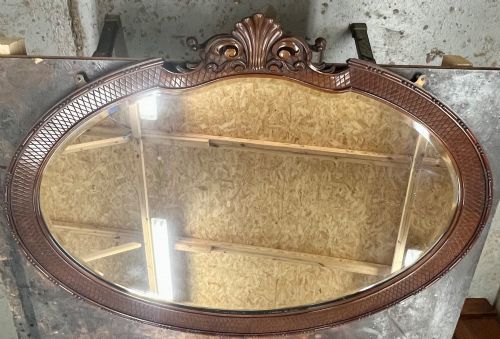
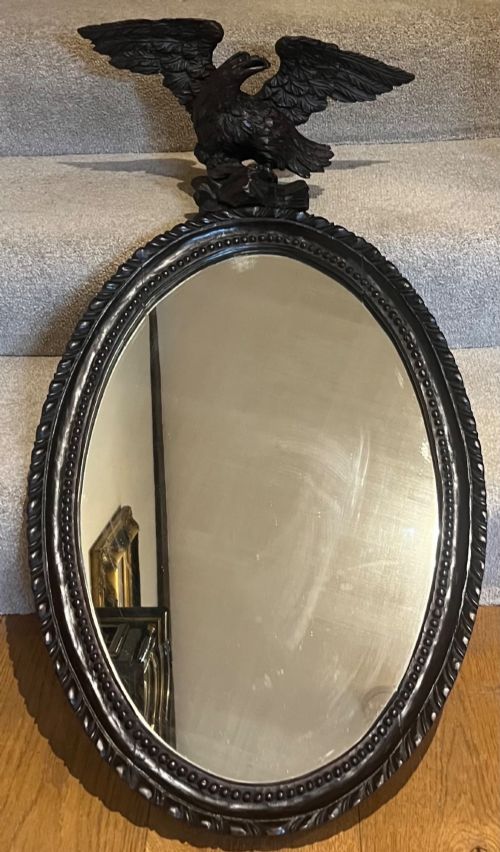

Vintage Carved Wooden Crest
These vintage carved wooden crest pieces bring heraldic weight and tactile depth to a room.
Vintage Carved Wooden Crest
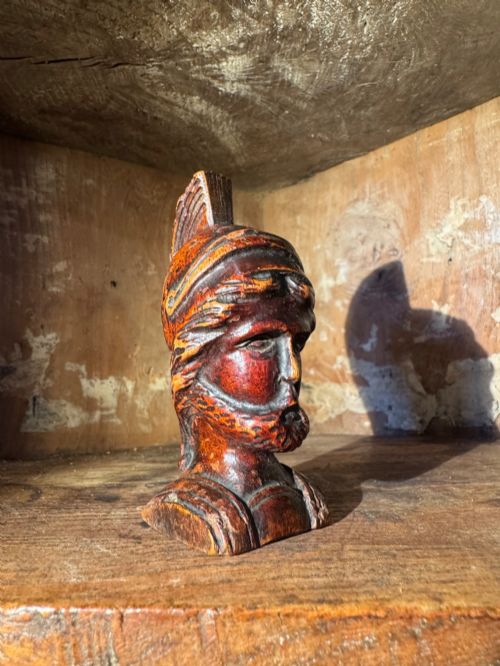
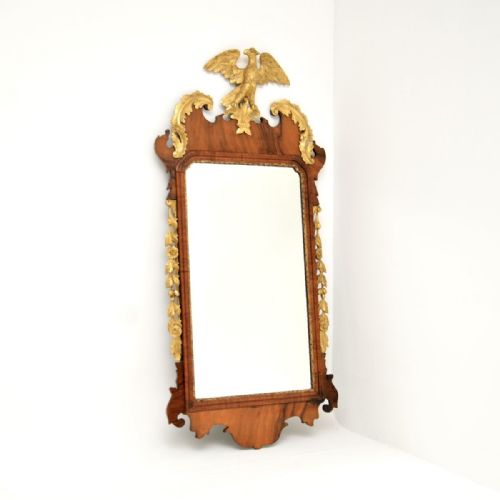
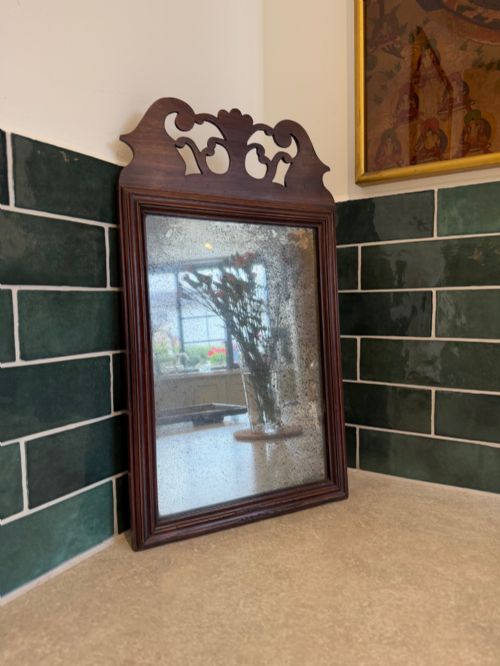
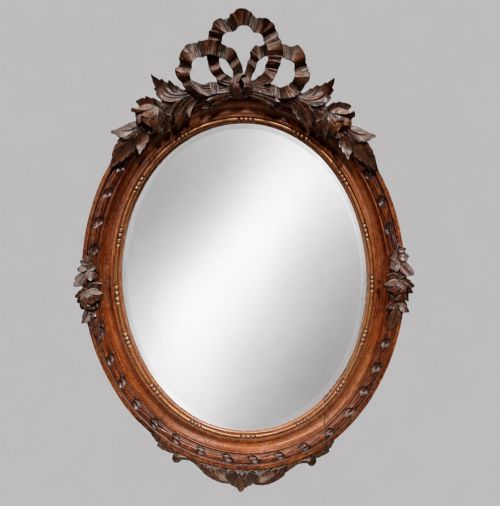
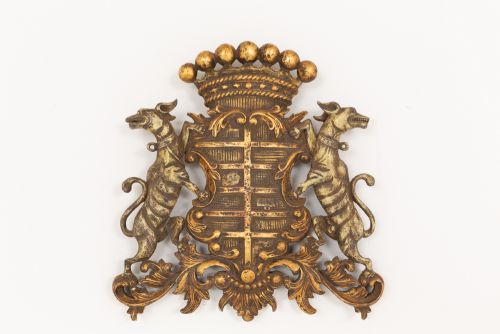
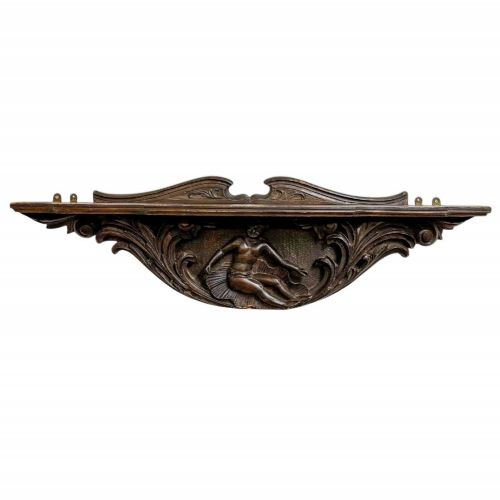
When you search for vintage carved wooden crest pieces, you find decorative elements and architectural pieces that bring historical presence into a room. These objects include carved hardwood armorial shields and wooden architectural fragments designed to anchor a space with distinct sculptural form.
The pieces you meet on this page span several centuries, drawing heavily on nineteenth and early twentieth century traditions. They often appear as standalone wall plaques or integrated architectural salvage rather than standalone furniture.
Materials and construction methods
The pieces rely on solid timbers such as oak, walnut, and mahogany, shaped through manual carving and joinery. Artisans applied surface treatments including paint, gesso, and giltwood to highlight the relief work and add textural contrast.
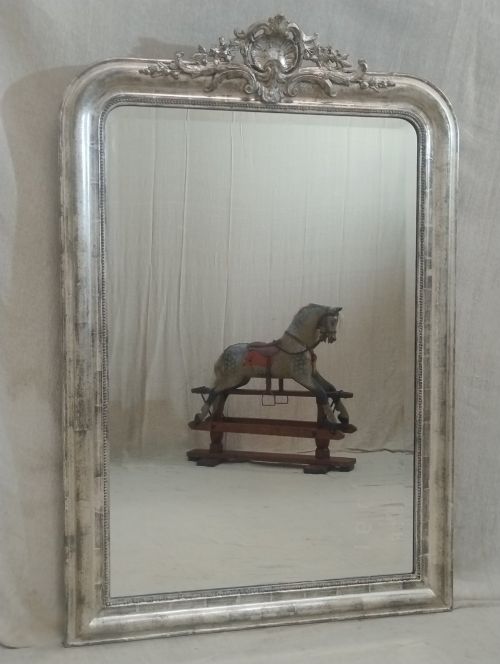
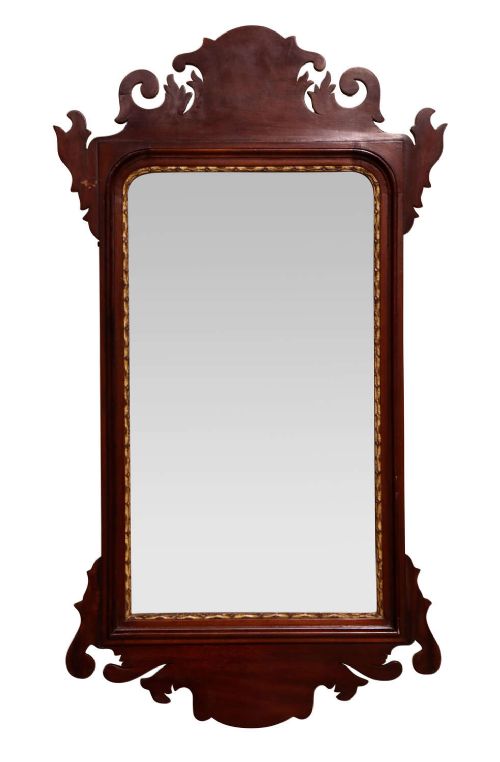
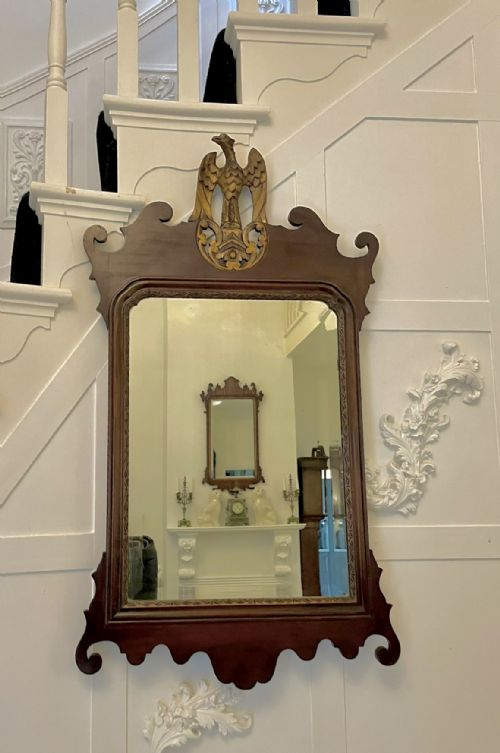
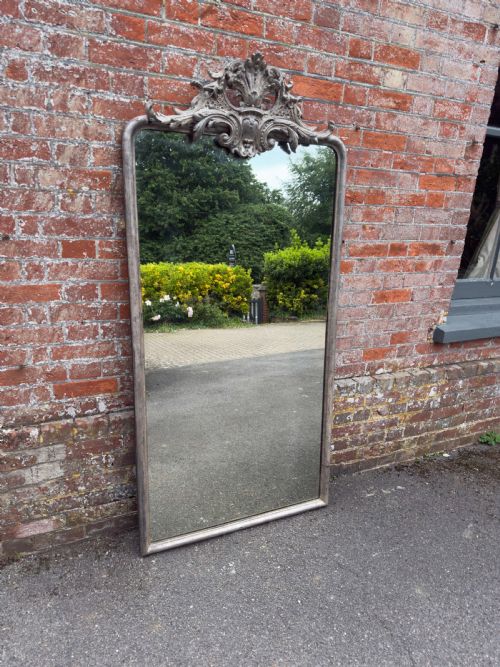
Makers utilised traditional hand tools to create deep undercuts and crisp details within the timber. The integration of glass and metal fixtures on associated mirror frames and panels shows complementary craftsmanship from the period.
Assessing quality in carved wooden heraldry
Quality rests in the crispness and depth of the hand carving, where confident tool marks and balanced proportions distinguish superior work from simpler output. The choice of timber also dictates longevity, with dense hardwoods holding sharper details over time.
The integrity of the surface finish matters greatly, whether original paint, gesso, or polished walnut. Pieces that retain their historic patination without heavy modern intervention hold greater artistic and historical cohesion.
The Vintage Carved Wooden Crest Glossary
- Armorial shield
- A heraldic display shaped like a medieval shield, typically featuring carved family insignia or symbolic motifs. These items served as focal points in grand halls and libraries.
- Gesso
- A plaster-like mixture applied to wooden substrates as a smooth base for gilding or painting. It allows for crisp decorative mouldings around carved elements.
- Architectural salvage
- Building components rescued from older structures for decorative reuse. This category includes overdoors, pediments, and carved panels.
- Giltwood
- Timber that has been coated with gold leaf or a gold-coloured finish. It reflects light and adds a layer of formal elegance to mirrors and plaques.
Vintage Carved Wooden Crest: Frequently Asked Questions
How do I hang a heavy carved wooden crest?
Secure the piece directly into wall studs using appropriate steel fixings rated for the weight of solid hardwood. Ensure the hanging wire or brackets on the rear are firmly anchored into the timber structure.
Avoid relying on plasterboard alone, as the weight of dense oak or mahogany requires robust structural support to remain safe over time.
How should I clean carved wooden crests?
Dust the intricate recesses regularly with a soft, dry brush to prevent dirt accumulation in the carved details. Keep moisture away from unsealed wood and historic gesso finishes.
Condition the timber occasionally with a quality microcrystalline wax if the surface appears dry, following the grain of the carving carefully.
Where were these crests originally displayed?
These pieces typically hung above doorways, library bookcases, or central mantelpieces in period homes. They served to display family lineage, civic pride, or architectural grandeur.
Today, they function as striking wall art in hallways, studies, and living rooms, providing an immediate sense of history.
How do I date an antique carved wooden crest?
Examine the tool marks left on the reverse and within the recesses, as hand-chiselled surfaces differ from later machine-cut details. The choice of underlying timber and the characteristics of any applied gesso or paint also offer clues to the period.
Compare the stylistic motifs, such as Victorian revival or Edwardian flourishes, with known historical design periods to narrow down the decade of creation.