


Antique Wooden Spandrels
Antique wooden spandrels are architectural or cabinet elements, and buyers select them to restore period joinery or for decorative salvage.
Antique Wooden Spandrels
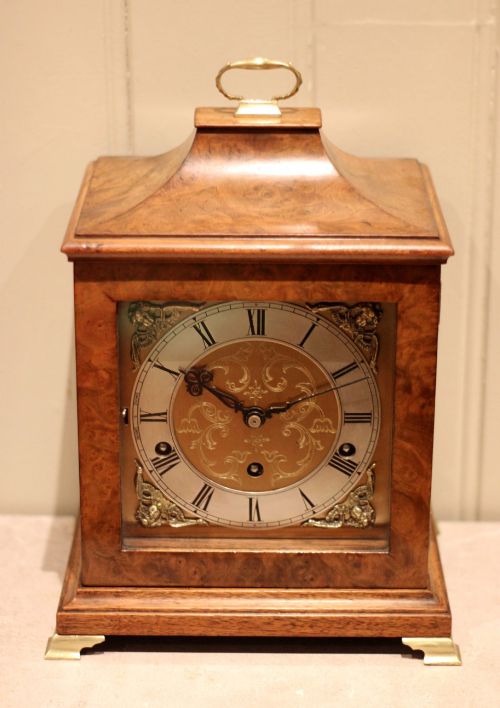
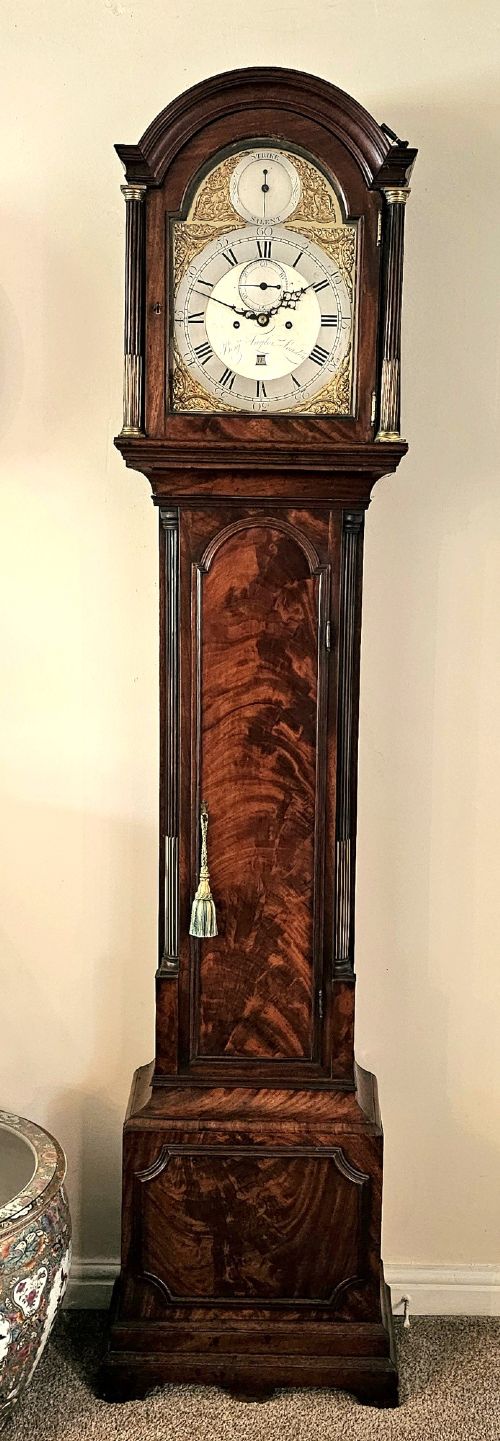
Buyers searching for antique wooden spandrels encounter a selection that reflects centuries of architectural salvage, cabinetmaking, and decorative arts. The pieces span periods from the eighteenth century through to the early twentieth century, incorporating styles such as Georgian, Victorian, and various revivals. While the phrase specifically points to spandrels, the current evidence set encompasses related architectural fragments, longcase clocks, bracket clocks, and mirrors sharing these historic eras and timber construction.
The objects available on this page demonstrate the enduring appeal of traditional English woodwork and structural salvage. Each piece originates from a distinct historical context, ranging from the structured elegance of the Georgian period to the ornate details of late Victorian and early twentieth-century production. Collectors and restorers study these items to find authentic components that match the specific era of a building or piece of furniture.
Materials and construction
The construction of these pieces relies heavily on traditional hardwoods such as mahogany, walnut, and oak, often enhanced with burr walnut or flame mahogany veneers. Artisans employed time-honoured woodworking techniques, including hand-carving and careful joinery, to shape timber into structural and decorative elements. Metal components in brass and steel occasionally supplement the wooden frameworks, particularly in clock mechanisms and framing elements.
Surface finishes and secondary materials such as glass appear alongside the primary timber structures. The combination of dense hardwoods and skilled joinery accounts for the survival of these fragments through multiple centuries. Workshops utilised the natural grain patterns of walnut and mahogany to create visual depth without relying on excessive ornamentation.
Several items carry the steady rhythm of Westminster chimes through the decades, still ticking after a century.
Distinguishing quality in the range
Quality within this category depends upon the precision of the carving, the selection of timber figures such as flame mahogany or burr walnut, and the integrity of the original construction. Pieces exhibiting crisp, hand-carved details stand apart from simpler or later machine-produced items. The choice of primary timber and the preservation of the original surface patination indicate the level of craftsmanship invested in the object.
The distinction between standard utility items and finer examples rests on the proportion, depth of relief, and the skill required to assemble the timber components. Superior pieces retain their structural coherence and display a harmonious relationship between form and material. Collectors assess these visual and tactile qualities to determine the relative standing of each piece.
Mappin and Webb·Benjamin Taylor·Garrards·Winterhalder and Hofmeier·Chater and Son·William Lister
The Antique Wooden Spandrels Glossary
- Architectural salvage
- Building components rescued from demolition or alteration for reuse in restoration or decorative schemes. These items preserve historic materials and manufacturing techniques.
- Burr walnut veneer
- A thin slice of wood cut from a walnut tree growth wart, prized for its swirling, intricate grain pattern. Cabinetmakers applied it to primary surfaces to create decorative richness.
- Overmantel mirror
- A large looking glass designed to be hung specifically above a fireplace mantel. These mirrors often incorporate carved wooden frames matching contemporary interior styles.
- Bracket clock
- A portable table clock originally built with a carrying bracket, popular from the seventeenth century onwards. They frequently house complex striking or chiming movements within wooden cases.
Antique Wooden Spandrels: Frequently Asked Questions
What periods do these wooden pieces represent?
The inventory spans the eighteenth, nineteenth, and early twentieth centuries, capturing shifts in design from Georgian formality to Victorian and Edwardian production.
Specific dates within the listings range from the seventeen-fifties through to nineteen-thirty, reflecting diverse periods of British craftsmanship.
How do I identify different timber types?
Mahogany and walnut form the primary woods, often distinguished by their deep reddish-brown tones or characteristic dark grain patterns. Oak appears in earlier pieces, showing a pronounced open grain structure.
Finer examples utilise veneers like burr walnut or flame mahogany to create decorative surfaces with distinctive optical movement.
Where were these architectural fragments used?
Items of this nature originated as part of larger decorative schemes, cabinetry, or interior architectural woodwork in historic buildings. They served both structural support roles and purely ornamental functions above fireplaces or around doorways.
Rescued fragments now find new life in period home restorations or as standalone decorative objects on walls and shelves.
How should I care for historic timber?
Historic wood requires stable indoor humidity and protection from direct sunlight to prevent the timber from drying out or splitting. Gentle dusting with a dry cloth maintains the surface without stripping historical patination.
Avoid using modern silicone-based polishes, as they can build up and damage aged timber finishes over time.