

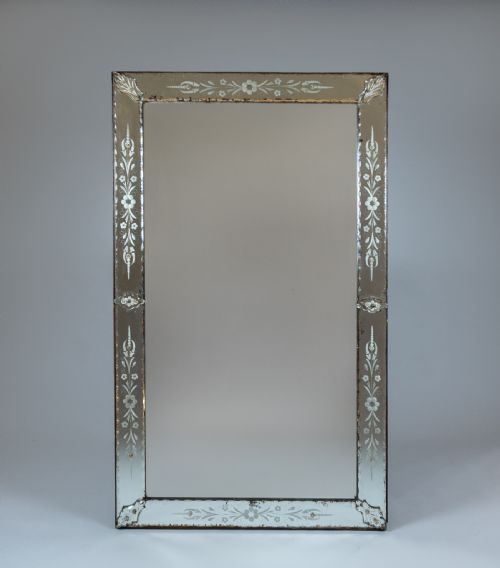
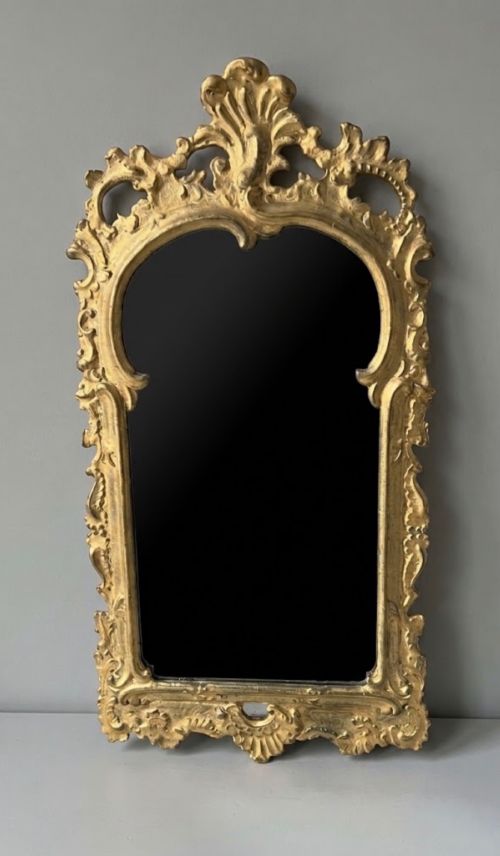
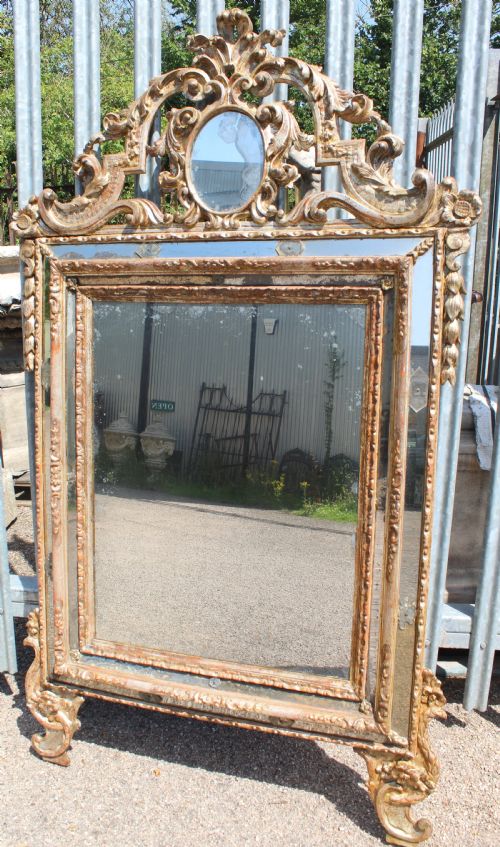

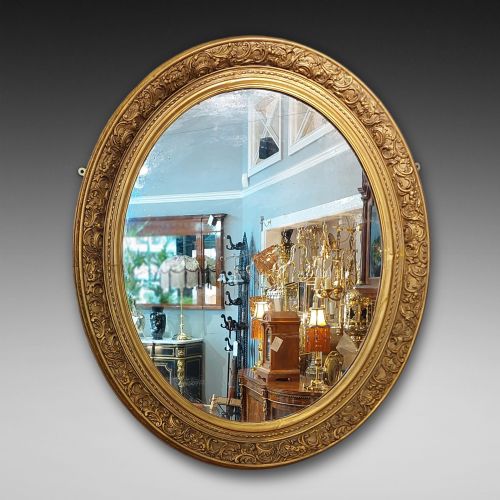
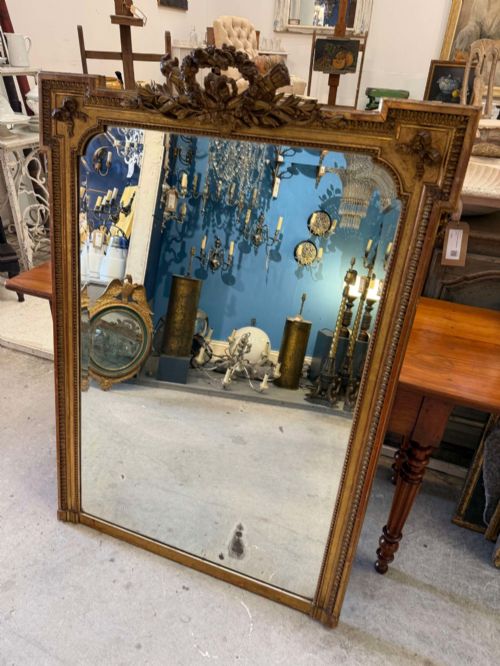
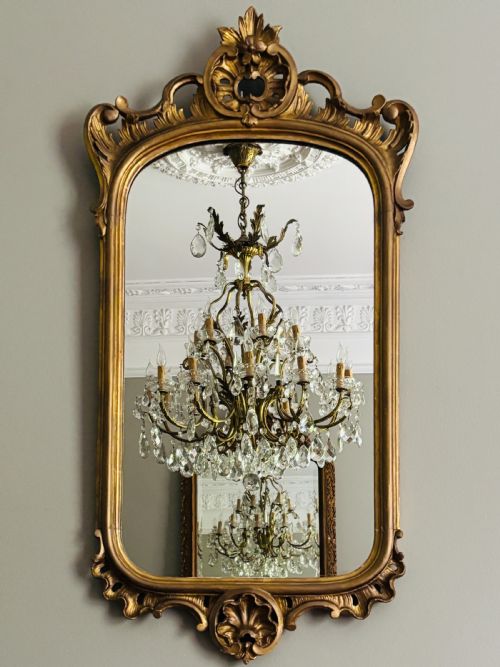
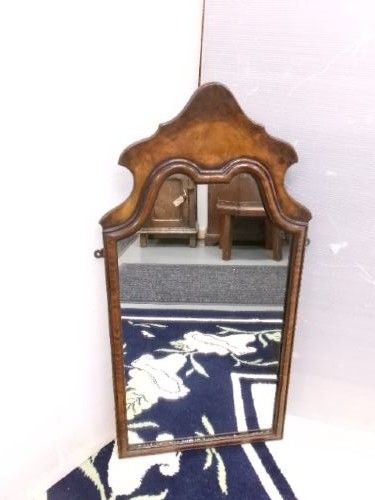
Vintage Carved Wall Mirror
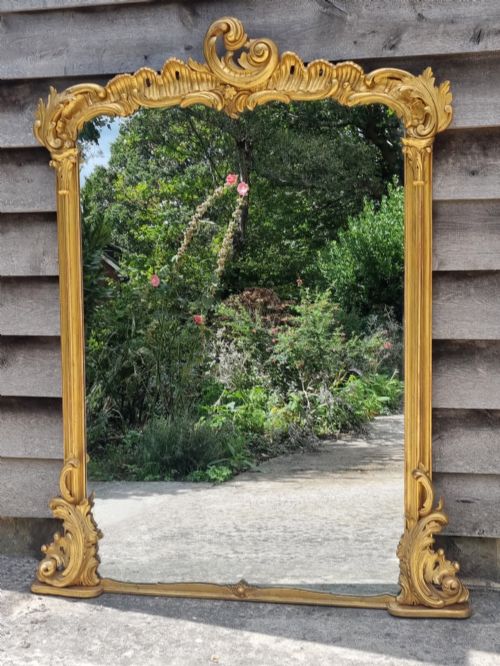
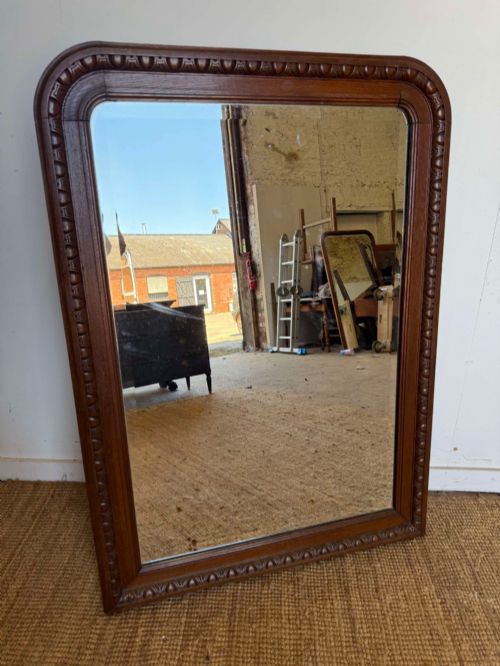
A vintage carved wall mirror brings texture and historic reflection to a room, ranging from grand French giltwood overmantels to smaller oak country frames.
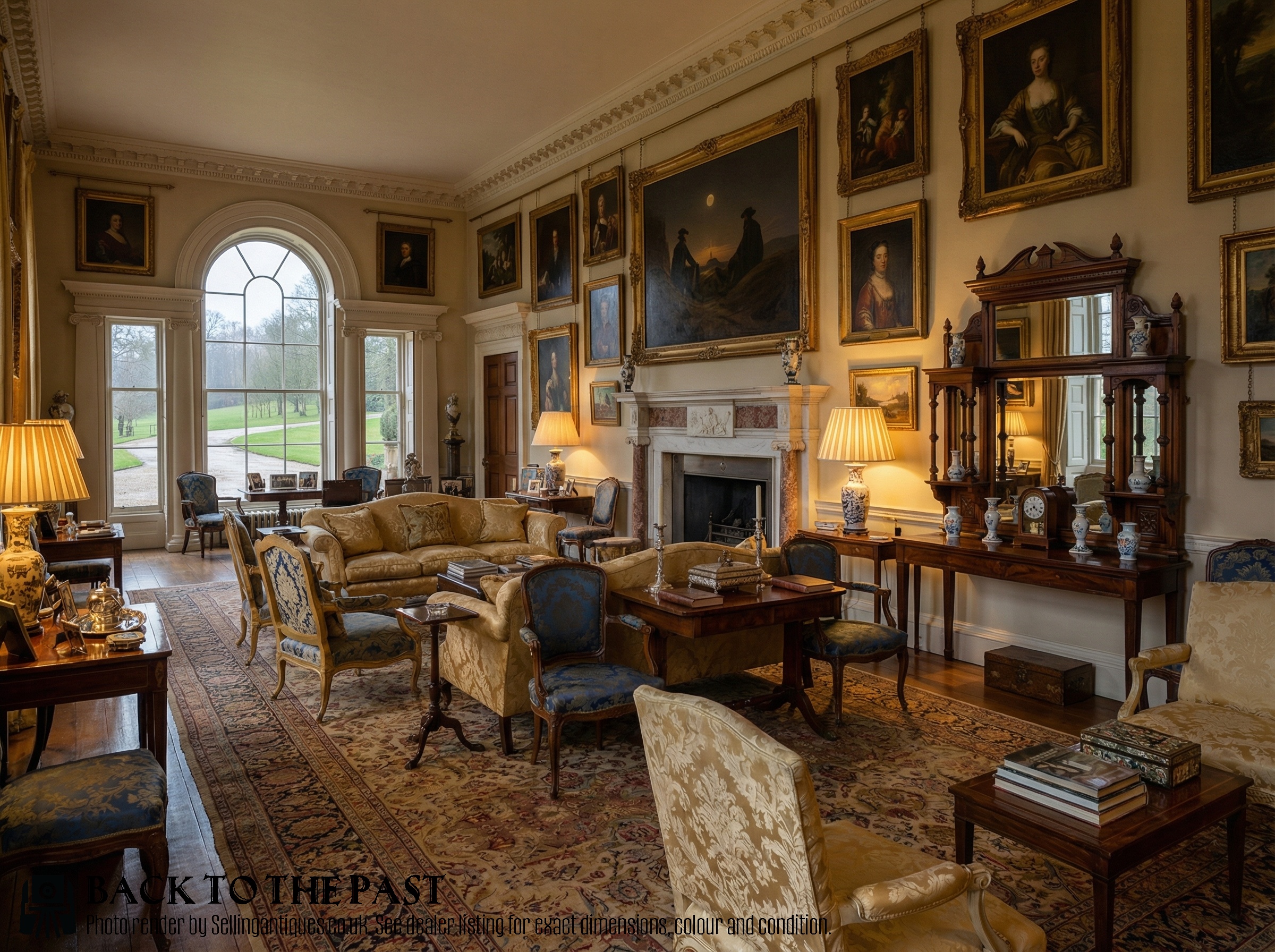
Vintage Carved Wall Mirror
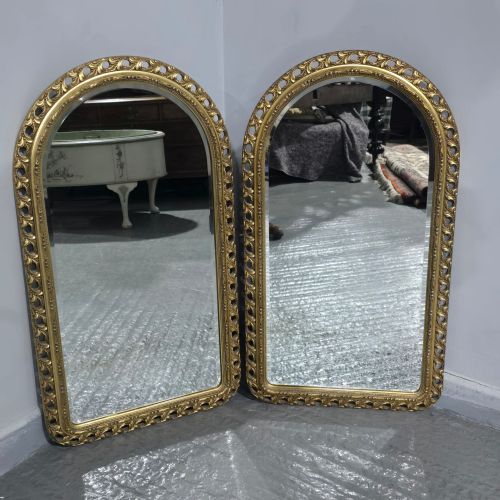
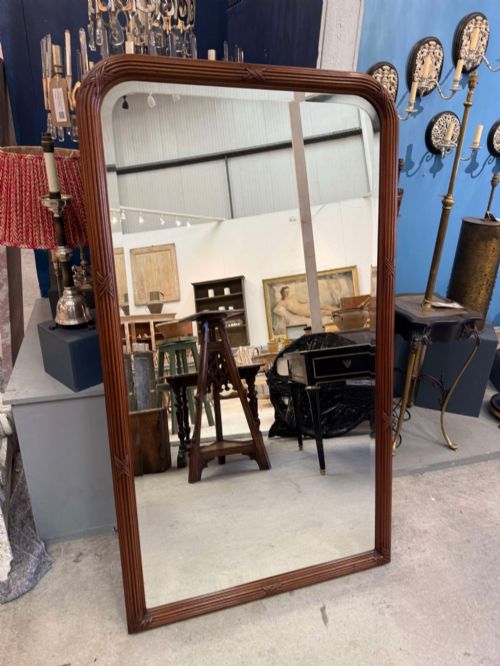
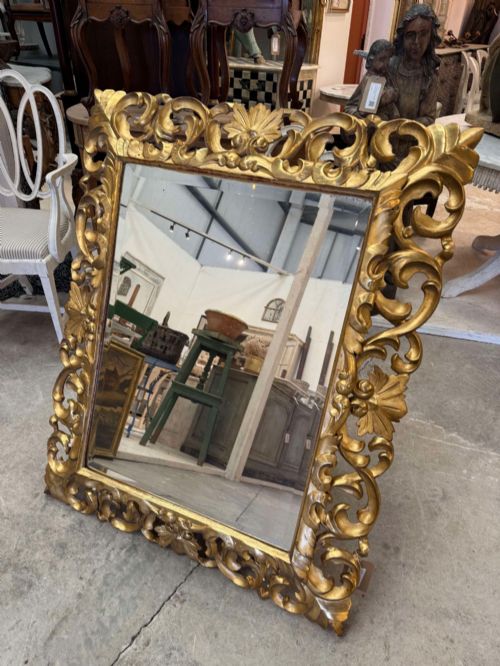
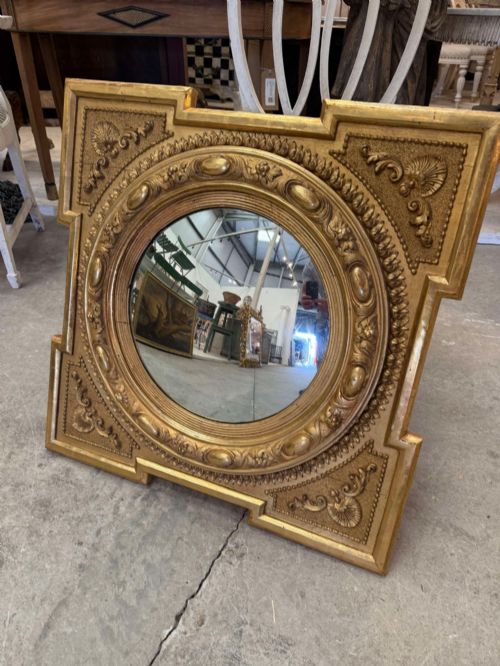
When you search for a vintage carved wall mirror, you encounter pieces spanning from the eighteenth century through to the early twentieth century, taking the form of wall mirrors, overmantels, girandoles, and framed plates. The selection includes French Empire and Louis Philippe designs, Italian Florentine giltwood pieces, English mahogany fretwork, and rustic oak frames from various decades.
The most common versions met on this page are nineteenth-century giltwood and gesso pieces alongside late-nineteenth-century carved oak and mahogany wall mirrors. These items serve functional and decorative roles in interiors, reflecting light and adding architectural presence to hallways, living spaces, and above mantelpieces.
How they were made
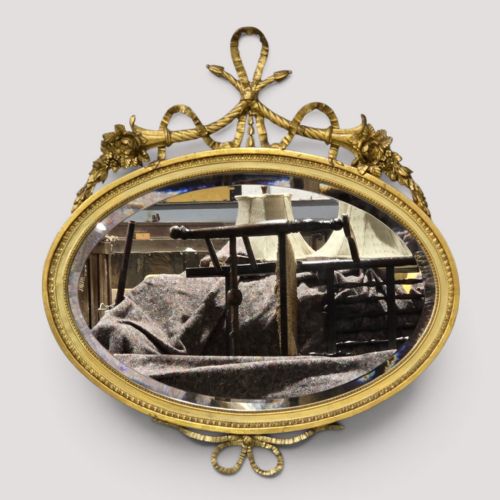
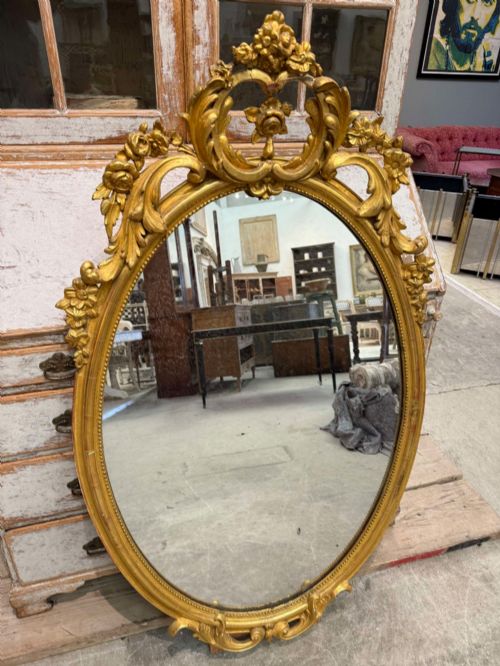
Carvers shaped timber substrates from oak, mahogany, walnut, and pine, applying layers of gesso to carved wooden surfaces before gilding them with gold leaf. Giltwood and gesso frames relied on hand-carved detailing, where artisan hands sculpted acanthus leaves, ribbon crests, and floral motifs directly into the medium.
Glass plates were silvered using traditional methods, sometimes resulting in foxed mercury plates in eighteenth-century examples, while later pieces incorporated bevelled mirror glass. Frames utilise joinery appropriate to their period, from pegged mortise and tenon joints in oak to delicate fret-sawn mahogany veneers.
Vintage Carved Wall Mirror Retail Price Guide 2026
Typical asking prices for vintage carved wall mirror among the pieces listed under this phrase on Sellingantiques today, from the lower quarter to the upper quarter. They describe what is for sale here now, not the wider market.
A nineteenth-century giltwood convex mirror is crowned by a large spread eagle perched atop the frame.
What varies in quality
Quality rests in the crispness of the hand-carved ornament and the depth of the gesso relief applied to the wooden base. Superior pieces display finely articulated foliage, scrolls, and crests without the softness or shallow casting found in mass-produced later substitutes.
The integrity of the original gilding and the character of the mirror plate determine the standing of a piece. Original mercury glass or early hand-silvered plates with natural foxing contribute to authenticity, whereas poorly executed modern repairs to the gilt surface diminish visual cohesion.
The Vintage Carved Wall Mirror Glossary
- Giltwood
- Wood that has been coated with gold leaf over a prepared gesso ground. This finish provides a warm, reflective surface characteristic of formal antique mirrors.
- Gesso
- A plaster-like mixture applied to wood frames to create a smooth surface for carving and gilding. Artisans carved intricate relief details directly into this hardened layer.
- Overmantel Mirror
- A large horizontal mirror designed to sit directly above a fireplace mantelpiece. These pieces often anchor the decorative scheme of a historic room.
- Girandole
- A wall mirror featuring attached candle sconces or arms flanking the glass plate. The reflective surface amplified the candlelight in period interiors.
- Foxing
- Small dark spots and speckles that develop on antique mirror plates as the backing oxidises over time. This ageing process is valued by collectors as a sign of genuine antiquity.
Vintage Carved Wall Mirror: Frequently Asked Questions
How do I hang a heavy antique mirror?
Heavy mirrors require secure fixings into structural wall studs or masonry rather than relying on standard plasterboard plugs. Professional mirror hangers utilise heavy-duty steel brackets or French cleats suited to the weight of timber and gesso frames.
Ensure the hanging wire or integrated D-rings on the reverse are assessed for strength before installation. Positioning the mirror at eye level helps distribute visual weight correctly across the wall space.
What is an overmantel mirror?
An overmantel mirror is a large format piece specifically proportioned to sit on the chimney breast above a fireplace. These frames often feature arched or shaped tops designed to complement architectural mouldings.
In period homes, they were frequently fixed in place to bounce light from windows and fires across the room. Today, they function similarly in living rooms and dining spaces.
How should I clean antique mirror glass?
Clean antique glass gently using a soft microfiber cloth and a mild, ammonia-free glass cleaner applied to the cloth rather than directly onto the plate. This prevents liquid from seeping behind the silvering and causing further degradation.
Avoid abrasive materials that might scratch the surface or damage fragile gesso and gilt edges surrounding the plate. Take care near the margins where original silvering is often thinnest.
How do I identify a Victorian mirror?
Victorian mirrors often display robust proportions and distinct revival styles, such as Rococo Revival or Chippendale influence in mahogany and gilt gesso. Look for denser timbers, machine-sawn backing boards appearing towards the later nineteenth century, and heavier decorative crests.
Construction techniques, such as the use of specific screw types and modern adhesives, help differentiate nineteenth-century examples from later reproductions. Examining the wear patterns on the frame and the backing provides further clues to age.