

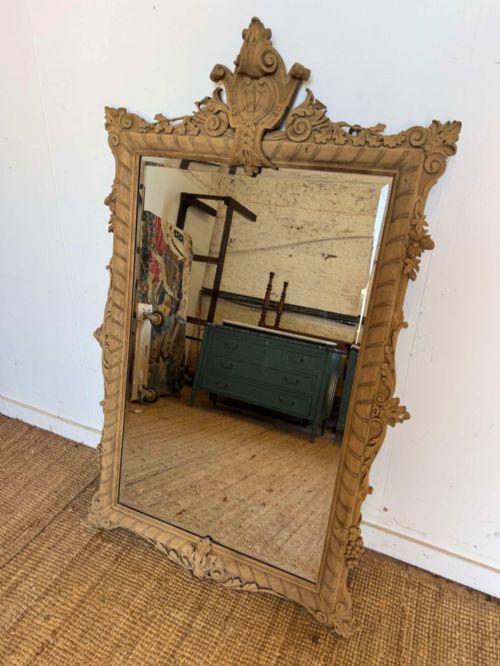
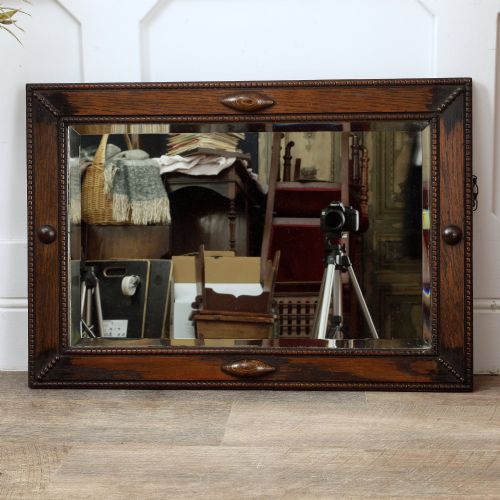
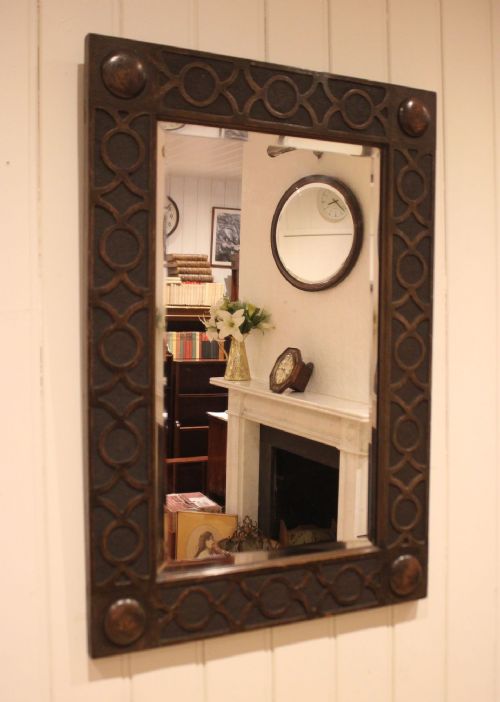


Rectangular Carved Oak Mirror
A rectangular carved oak mirror brings warm timber and deep carving to a wall, offering both function and rich texture.
Rectangular Carved Oak Mirror
A rectangular carved oak mirror is a wall-mounted furnishing built around a timber frame that displays carved ornamentation. Buyers searching for a rectangular carved oak mirror encounter items spanning the eighteenth century through to the art deco period, taking in Victorian gothic revival and Edwardian designs.
The most common examples on this page date from the nineteenth and early twentieth centuries, particularly the Victorian and Edwardian eras. These pieces take the form of wall mirrors, utilising the natural grain and strength of oak to support detailed surface carving.
Materials and construction
Makers built these frames using solid oak, sometimes scrubbing or darkening the timber to achieve specific surface finishes. Frames frequently incorporate mirror glass held within the wooden structure, occasionally accented with gesso and gold leaf.
Carving was executed directly into the oak by hand, producing relief work that follows styles from rococo revival to french provincial and gothic traditions.
Rectangular Carved Oak Mirror Retail Price Guide 2026
Typical asking prices for rectangular carved oak mirror among the pieces listed under this phrase on Sellingantiques today, from the lower quarter to the upper quarter. They describe what is for sale here now, not the wider market.
Listings here span the eighteenth, nineteenth, and early twentieth centuries, featuring oak, gesso, and gold leaf across diverse revival styles.
Assessing quality
Quality rests in the crispness and depth of the carved detail within the oak, where sharp, confident chisel work distinguishes superior pieces from softer, more repetitive mouldings. The choice of timber also plays a role, with well-figured grain and careful jointing marking out the better examples.
The integration of the frame with its original mirror glass adds distinction, as does the preservation of early surface treatments like scrubbed finishes or patinated dark wax.
The Rectangular Carved Oak Mirror Glossary
- Oak
- A hard, durable timber with a pronounced grain pattern, used extensively for structural framing and carved decoration throughout the centuries.
- Gesso
- A plaster-like mixture applied to wooden frames as a smooth base for gilding or painting, seen on certain revival styles.
- Cushion mirror
- A frame profile with a rounded, sloping section that swells outward towards the edge, adding optical depth to the piece.
- Gothic Revival
- An architectural and decorative style drawing inspiration from medieval design, featuring pointed arches and heavy tracery carved into wood.
Rectangular Carved Oak Mirror: Frequently Asked Questions
How do I hang a heavy oak wall mirror?
These solid timber frames carry considerable weight and require secure fixings screwed directly into wall studs or heavy-duty masonry anchors. Professional mirror hangers or appropriate wall brackets ensure the piece remains safe.
Check the integrity of the original hanging loops or wire on the back before mounting, as older fixings may need reinforcement to support the load safely over time.
How do I clean an antique oak frame?
Dust the carved wooden surfaces gently with a soft, dry brush to remove particles trapped within the recesses of the relief work. Avoid liquid polishes that build up residue in the grain.
For the glass, apply a modest amount of glass cleaner to a cloth rather than directly spraying the surface, preventing moisture from seeping behind the frame and damaging the backing.
Are these mirrors suitable for bathrooms?
Oak and antique mirror glass react poorly to high humidity and constant moisture, which can cause the wooden frame to warp and the silver backing of the glass to degrade. Placing them in drier living spaces or hallways preserves the materials.
If placed near a damp environment, steam and condensation will accelerate wear on both the timber and the historical silvering.
How do I distinguish Victorian from Edwardian pieces?
Victorian frames often display heavier, denser carving with gothic or rococo revival influences, reflecting an ornate aesthetic. The wood is frequently finished in darker tones.
Edwardian examples tend to feature lighter proportions and simpler detailing, showing a shift towards domestic restraint while retaining traditional oak construction methods.