


Vintage Carved Stone Head
These vintage carved stone head sculptures and portrait busts bring classic form and tactile presence to interior spaces.
Vintage Carved Stone Head
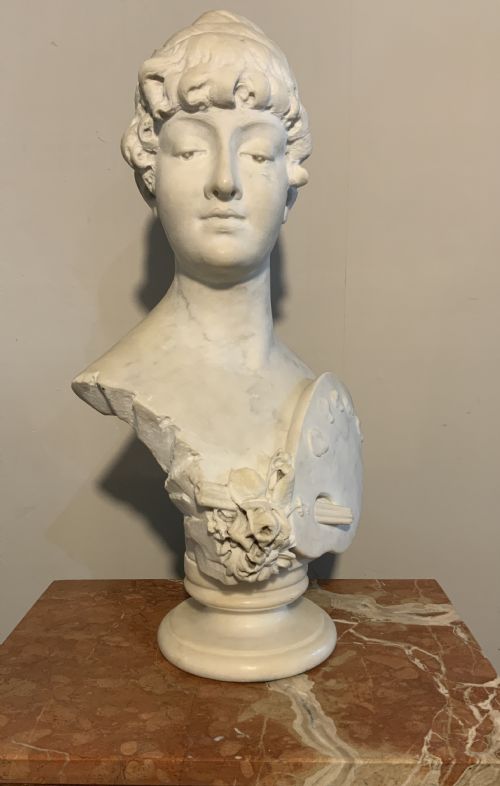
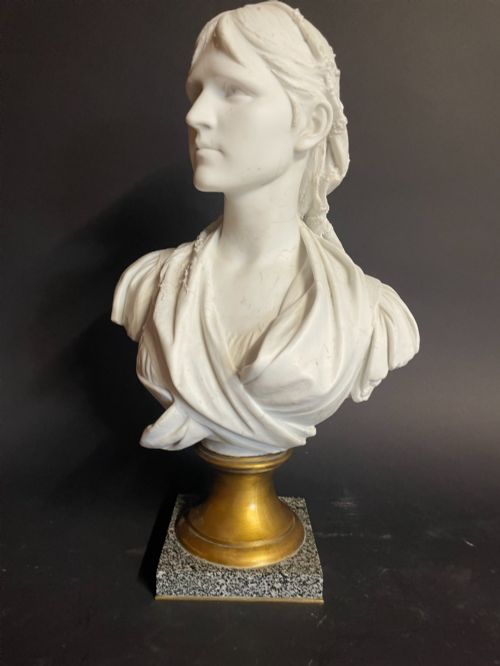
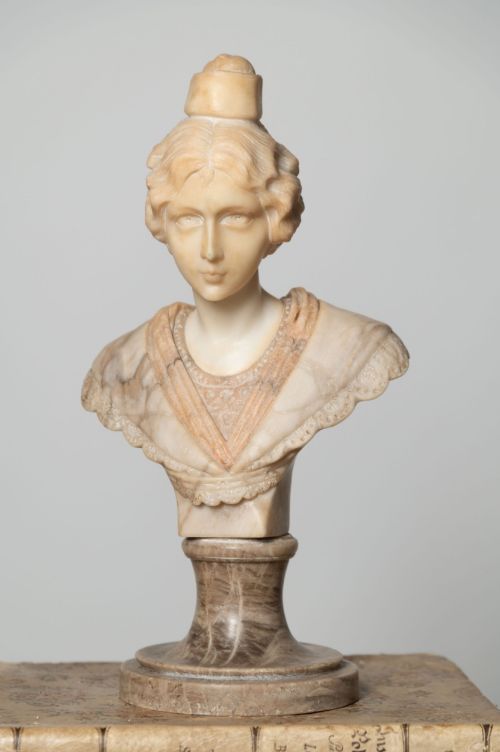
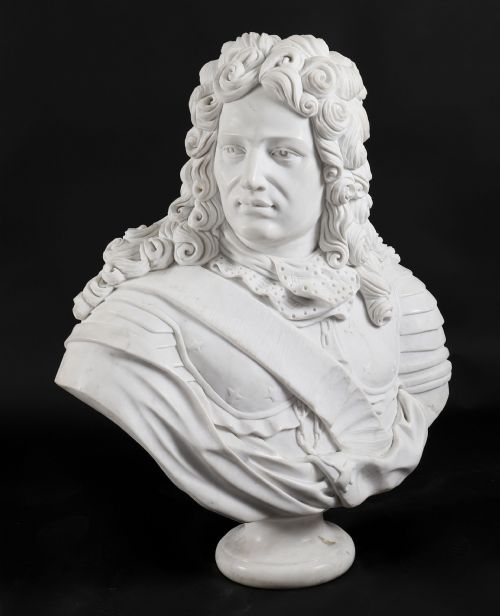
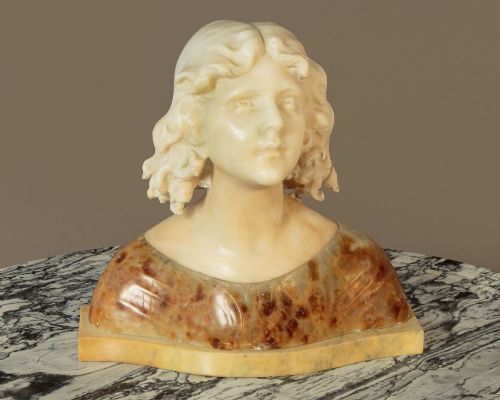
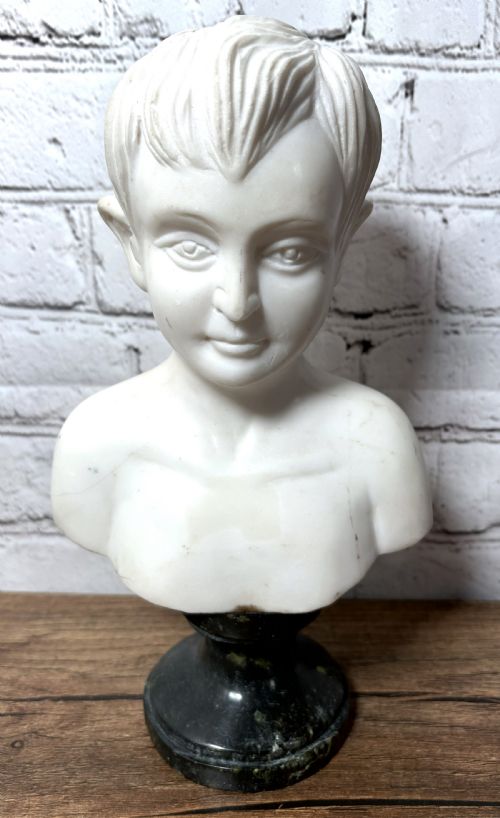
When you search for vintage carved stone head, you encounter sculptural works spanning the Victorian and Edwardian eras into the early twentieth century. These objects include library busts of historical figures, depictions of noblemen and children, and architectural fragments.
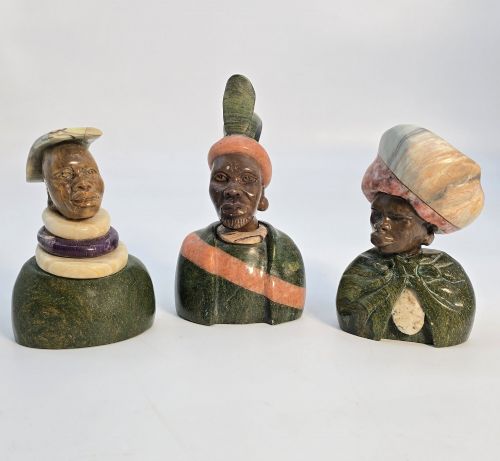
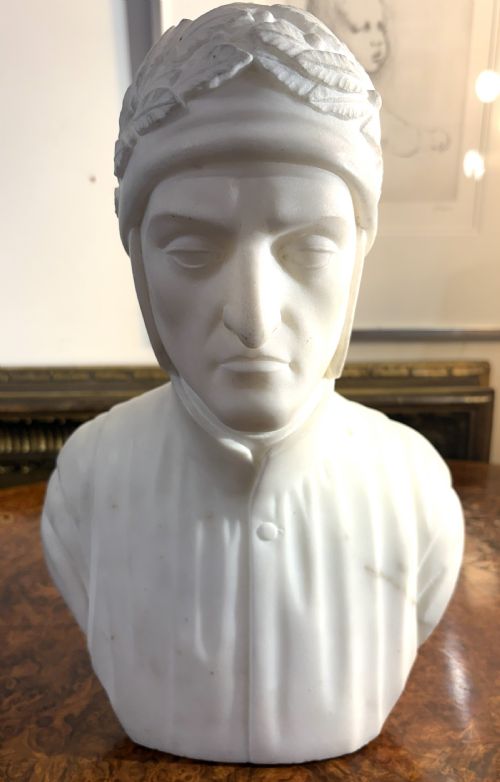
The pieces on this page draw from European and international traditions, encompassing Italian Carrara marble, French works, and English library pieces. Subjects range from classical figures to literary icons such as Dante Alighieri and specific portrait studies.
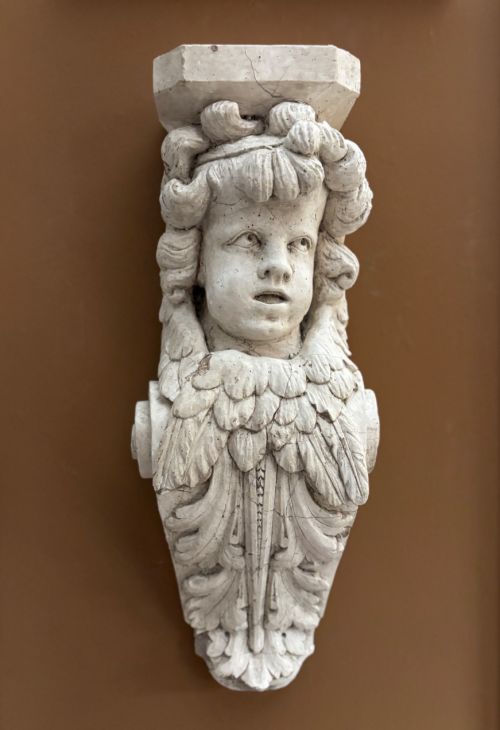
Alongside standalone portrait busts, the selection includes wall brackets, corbels, and garden planters incorporating carved stone heads. Smaller decorative pieces and architectural elements complete the range available to collectors.
Materials and carving methods
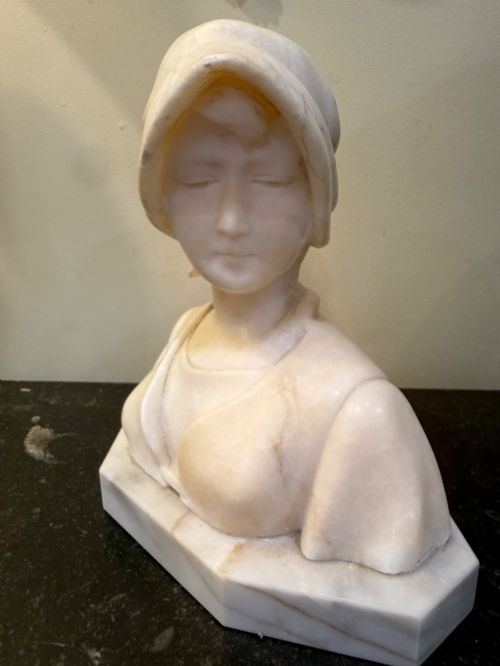
Carvers shaped these pieces primarily from white marble, Carrara marble, and alabaster using traditional masonry and chiselling techniques. The choice of stone dictated the subtlety of detail achievable in facial expressions and drapery.
Many works exhibit hand finishing, with artisans polishing the stone surfaces to differentiate between skin, hair, and fabric. Architectural elements like wall corbels and garden planters utilise denser stones suited to structural support or exterior placement.
Some nineteenth-century stone carvers gave their marble noblemen such intense stares that they appear to be judging your choice of bookshelf arrangement.
Assessing sculptural execution
The selection of the raw stone also dictates the standard of the piece, with uniform marble blocks commanding greater visual coherence than stone containing heavy natural veining across the face. Signed works or pieces attributed to known sculptors demonstrate higher execution.
Mieczyslaw Leon Zawiejski
The Vintage Carved Stone Head Glossary
- Marble
- A metamorphic rock formed from limestone, prized for its smooth texture and ability to take a fine polish. It serves as the primary medium for classical and library busts.
- Alabaster
- A fine-grained, softer mineral stone often utilised for Victorian portrait sculptures and figures. Its translucent quality allows light to penetrate the surface slightly.
- Corbel
- A structural stone bracket projecting from a wall to support a weight, frequently carved with human heads or figural motifs. These architectural elements combine utility with sculpture.
- Library bust
- A smaller-scale portrait sculpture designed for interior display on bookshelves or desks during the nineteenth and early twentieth centuries. They often depict literary figures, philosophers, or nobility.
Vintage Carved Stone Head: Frequently Asked Questions
Where should I display a stone bust?
These sculptural pieces suit sturdy surfaces such as wooden sideboards, mantelpieces, or dedicated pedestals where their weight is supported safely. Placing them away from direct foot traffic prevents accidental knocks.
Good natural light from a side angle enhances the carved contours and facial expressions of marble and alabaster works. Pairing them with traditional library shelving or neutral backgrounds complements their historical character.
How do I clean carved stone?
Dust marble and alabaster surfaces gently with a soft, dry microfibre cloth or a clean, dry artist's paintbrush. Avoid using water, domestic detergents, or chemical polishes, as moisture can damage softer stones like alabaster.
Professional restoration is recommended for older repairs or stubborn marks rather than attempting chemical cleaning at home. Keeping the pieces in stable indoor environments protects the stone from extreme humidity fluctuations.
How can I tell the period?
Dating relies upon stylistic markers such as the subject's hairstyle, clothing, and the execution of the carving relative to known artistic movements. Victorian and Edwardian library busts often carry specific biographical subjects or registration marks.
The condition of the stone, tool marks on the underside, and any signatures or foundry stamps provide further chronological clues. Comparing the patina with documented pieces from the nineteenth and early twentieth centuries helps confirm the era.
What is the difference between marble and alabaster?
Marble is a hard, durable metamorphic stone that accepts a high polish and resists scratching easily. It was the preferred medium for monumental and detailed portrait busts.
Alabaster is a softer, more translucent mineral that allows light to diffuse just beneath the surface. Because of its softness, alabaster pieces often feature slightly warmer patinas and are suited strictly for indoor display.