
Vintage Carved Oak Seating
Vintage carved oak seating brings solid timber presence and historic detail into modern rooms through sturdy dining chairs, benches, and hall seats.
Vintage Carved Oak Seating
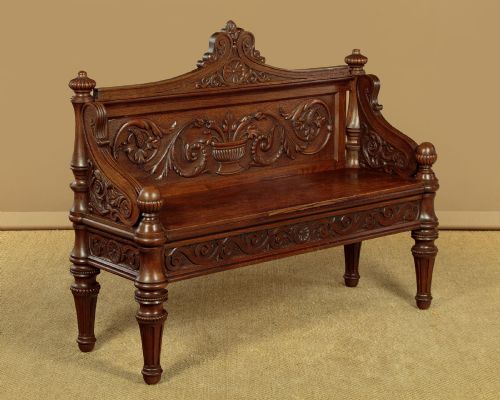
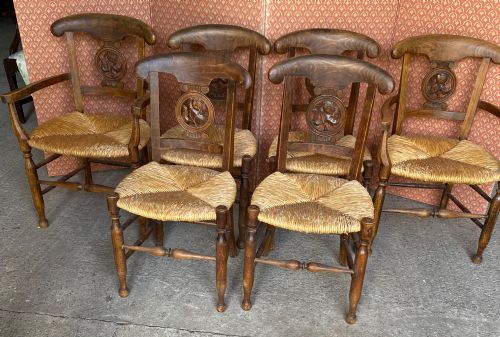
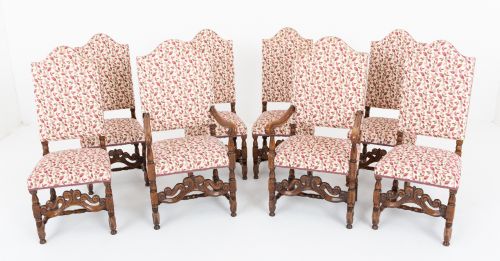
Vintage carved oak seating encompasses substantial furniture pieces built primarily for domestic halls, dining rooms, and studies. Buyers searching for vintage carved oak seating encounter numerous regional dining chairs, hall benches, and armchairs spanning the nineteenth and early twentieth centuries.
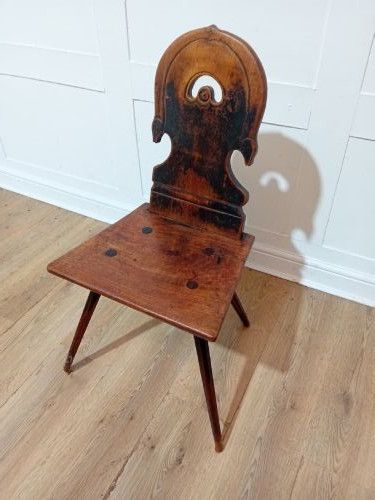
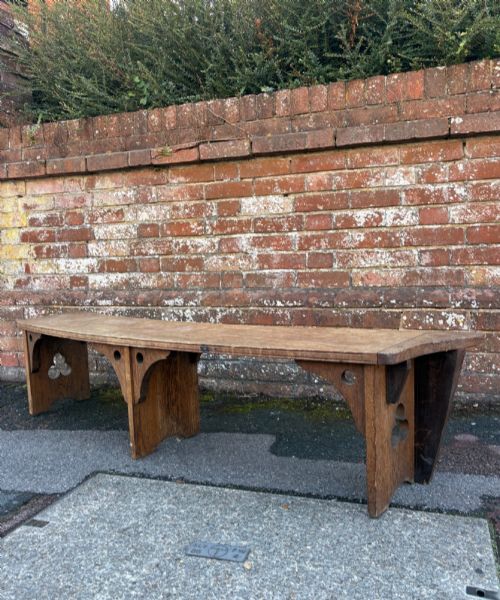
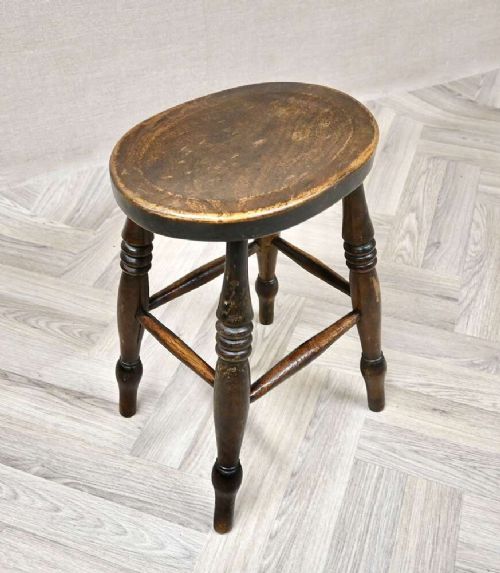
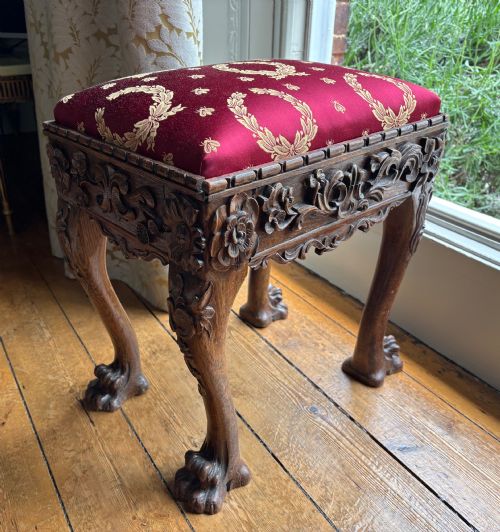
The selection ranges from sturdy country stools and Windsor chairs to formal suites influenced by Jacobean, Gothic, and Arts and Crafts design movements. Pieces often feature structural combinations with elm, beech, and cane alongside decorative elements like trefoil carvings and panelled backs.
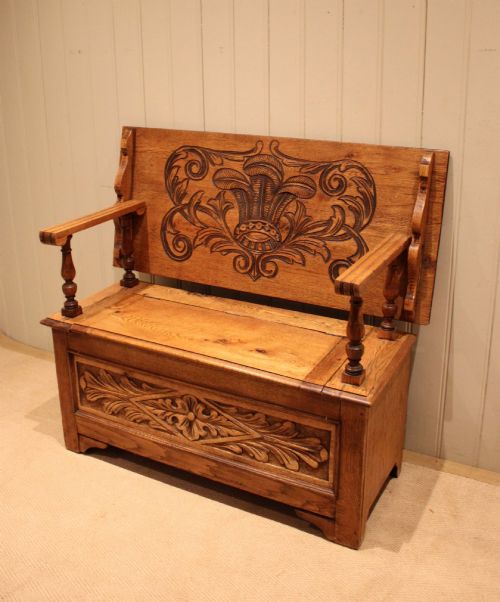
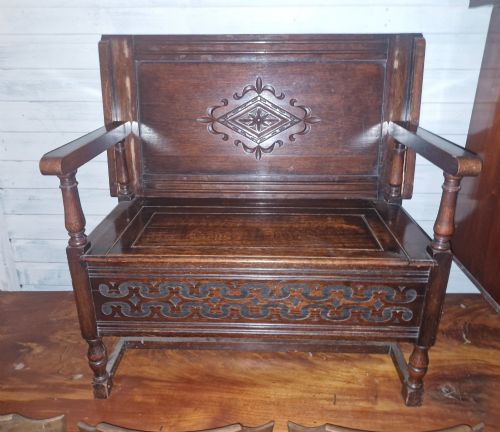
Edwardian and Victorian examples dominate the available forms, alongside robust pieces from the 1920s and 1930s. Buyers frequently discover functional dual-purpose items such as hall seats with lift-up storage and integrated stick stands.
Materials and Construction
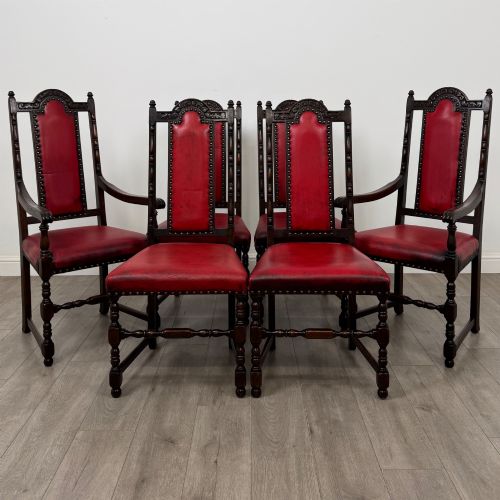
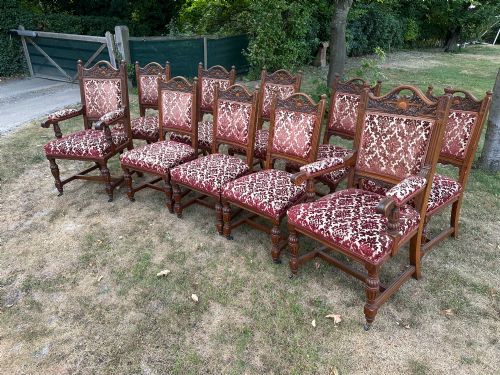
Makers relied heavily on solid oak timber for frames, occasionally integrating elm, beech, and brass fixtures for structural support and movement. Upholstered variants incorporate secondary materials including leather, velvet, fabric, and cane to provide seat comfort.
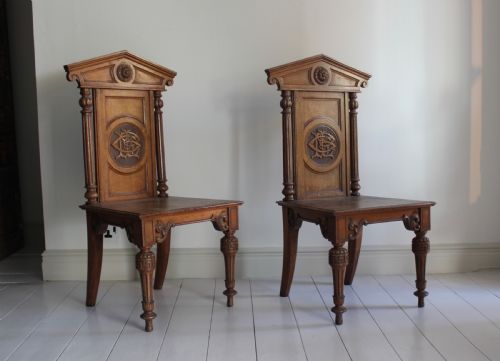
Joinery techniques prioritize mechanical strength, using pegged mortise and tenon joints to withstand daily domestic use. Hand-carved details adorn crest rails, trestle ends, and back panels, reflecting revivalist styles popular across the Victorian and Edwardian periods.
Listings feature oak combined with cane, leather, velvet, elm, and beech across Victorian, Edwardian, and Arts and Crafts periods.
Evaluating Execution
Quality rests in the crispness of the hand-carving and the structural integrity of the timber framing. Superior examples display dense, well-figured oak grain without excessive seasoning cracks or weakened joints.
The sophistication of the stylistic revival dictates the level of detail, from simple country Windsor forms to intricate Gothic Pugin-style motifs. Original secondary materials, such as untouched cane work or studded leather, elevate the integrity of the piece.
The Vintage Carved Oak Seating Glossary
- Bergere
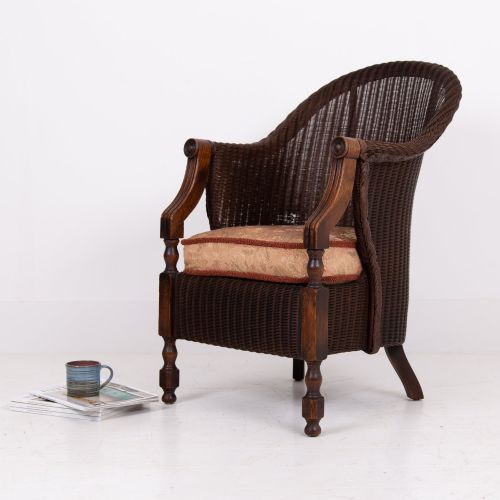
- An enclosed upholstered armchair with a wooden frame, often featuring woven cane panels on the back and sides. This style appears frequently in early twentieth-century seating suites.
- Trefoil
- A three-lobed decorative ornament resembling a clover leaf, commonly pierced through wooden splats or carved into structural supports on Gothic revival furniture.
- Monks Bench
- A multifunctional furniture piece featuring a hinged top that folds down to convert a high-backed hall seat into a small table. These items suit compact domestic spaces.
- Smokers Bow
- A sturdy low-backed Windsor armchair with a rounded continuous arm rail, popular in nineteenth-century domestic and commercial interiors.
- Settle
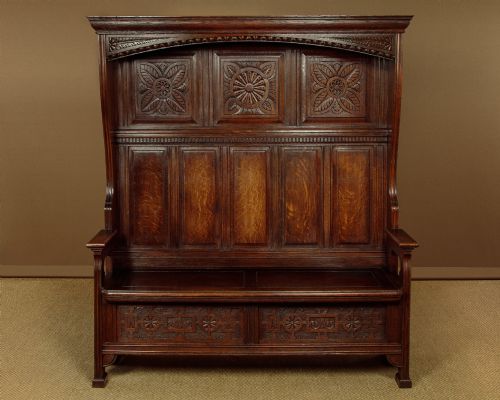
- A high-backed wooden bench with solid sides designed to block cold drafts in traditional hallways and rooms.
Vintage Carved Oak Seating: Frequently Asked Questions
How do I identify a Gothic revival oak chair?
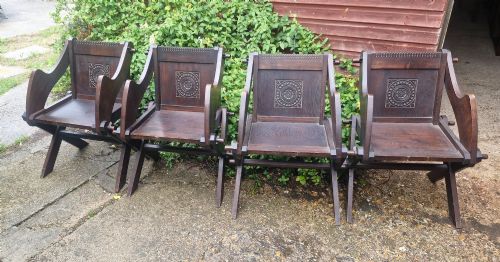
Gothic revival chairs display architectural motifs such as pointed arches, trefoil carvings, and heavy panelled construction derived from medieval design. These elements appear prominently on nineteenth-century benches and armchairs.
The timber is typically dark oak, often accented with chamfered edges and rigid vertical proportions that mimic ecclesiastical woodwork.
Where were hall benches placed in period homes?
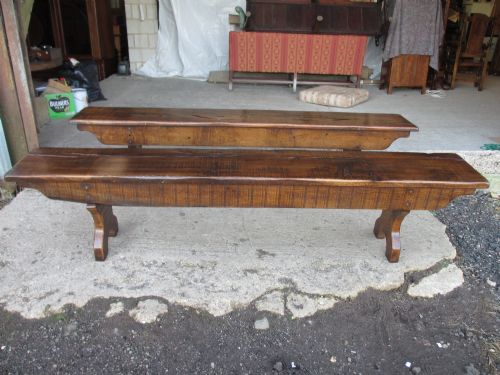
Hall benches served as functional seating in entranceways and corridors where occupants removed outer garments and footwear. Many incorporated lift-up seats or integrated umbrella stands to store walking sticks.
Their robust construction allowed them to withstand heavy daily traffic near front entrances.
What is a Glastonbury chair?
A Glastonbury chair is a distinctive ecclesiastical armchair design featuring X-framed legs, a sloping panelled back, and flat armrests. Originating from medieval models, these pieces were widely revived during the Gothic and Arts and Crafts movements.
They assemble with interlocking wooden components rather than conventional complex joinery.
How do I care for antique oak furniture?
Antique oak benefits from stable indoor humidity levels and protection from direct sunlight to prevent timber shrinkage and splitting. Regular dusting with a dry cloth maintains the surface sheen without building up chemical residues.
Occasional application of traditional beeswax preserves the natural moisture and patina of the wood.