
Vintage Carved Coffee Table
A vintage carved coffee table brings historic texture and rich timber grain to a room, ranging from Anglo-Indian bone inlay to solid oak.
Vintage Carved Coffee Table
When you search for a vintage carved coffee table, you encounter low surfaces adapted from earlier furniture forms or built specifically for lower seating during the nineteenth and twentieth centuries. These tables span diverse cultural traditions, including Anglo-Indian, Chinese, Damascus and Japanese craftsmanship alongside European revival styles.
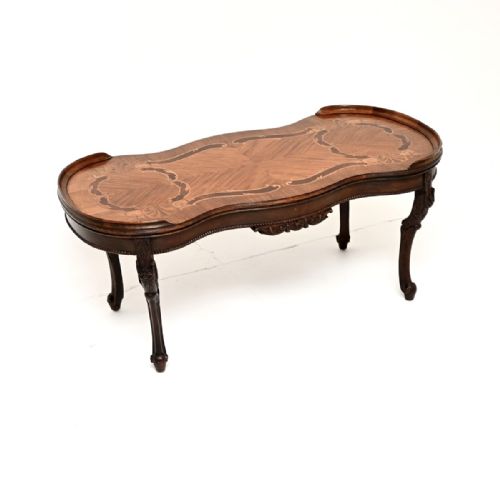
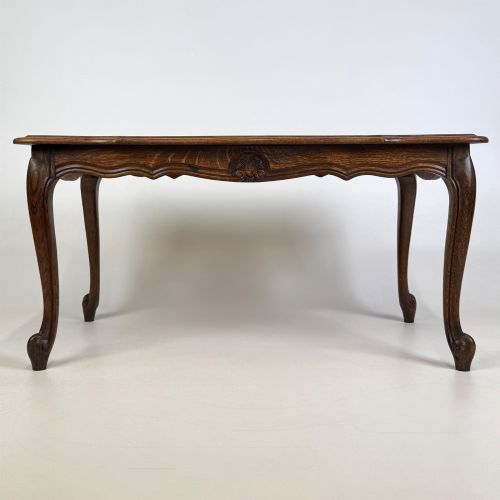
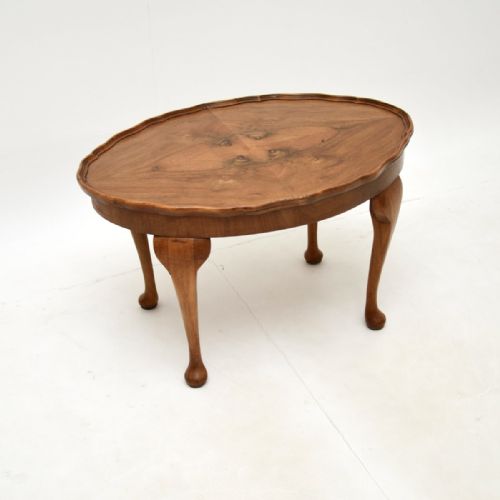
The selections on this page feature oak, walnut, mahogany and rosewood tables, often supplemented by side tables, low opium tables and footstools repurposed for modern living. Pieces range from austere Edwardian oak designs to elaborate Victorian burr walnut and intricately inlaid tables from the early twentieth century.
You will frequently find regional specialisms such as Hoshiarpur tables, brass-inlaid Indian teak pieces and French chestnut low tables. Each item demonstrates how traditional joinery and surface carving were adapted to create functional low tables across different decades.
How they were made
Carpenters utilised dense hardwoods such as oak, mahogany, walnut and teak as the primary structural foundations for these tables. Artisans shaped these timbers using traditional hand joinery, turning, and extensive surface carving.
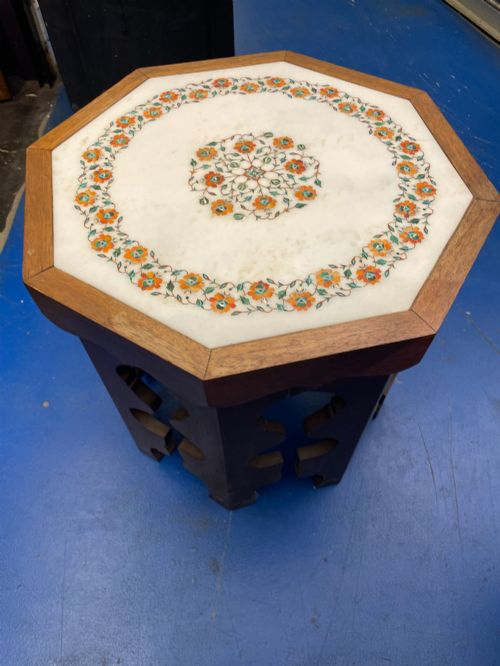
Decoration relied heavily on intricate inlay work, incorporating bone, mother of pearl, brass and marquetry into the timber surfaces. Workshops also employed specialised finishes, including ebonising, hand-dyeing on leather tops, and painted highlights.
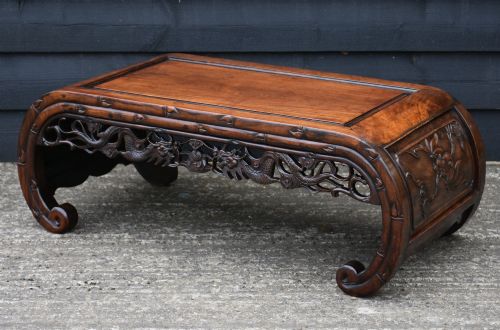
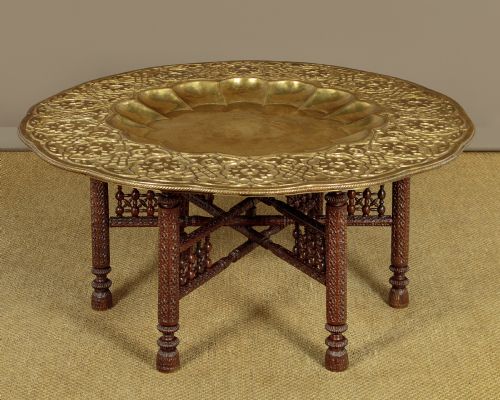
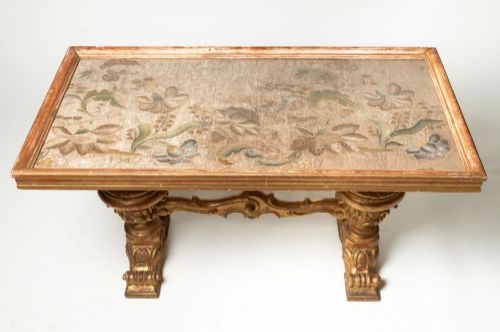
Many tables incorporate repurposed elements, such as fretwork panels or folding Damascus frames, demonstrating a pragmatic approach to construction. Structural support varied from simple bobbin-turned legs to elaborate giltwood frames and carved dragon details.
Listings feature oak, walnut, burr walnut, mahogany, rosewood, teak and hardwood tables spanning the Victorian, Edwardian and twentieth-century periods.
What varies in quality
The integrity of the timber selection determines the baseline merit of each piece, distinguishing finely figured burr walnut and dense rosewood from standard utility hardwoods. Superior examples display dense, natural grain patterns that have been carefully matched and finished.
The depth, precision and crispness of the carving dictate the artistic standard of the table. Hand-chiselled foliage, geometric fretwork and figural motifs executed with sharp relief represent superior workshop output compared to softer, shallower impressions.
The complexity and execution of surface embellishment separate standard items from exceptional ones. Finely fitted bone, mother of pearl or brass inlay requires meticulous hand-workmanship that remains stable within the surrounding wood over decades.
Liberty and Co·Liberty of London
The Vintage Carved Coffee Table Glossary
- Anglo-Indian
- Furniture made in India by local craftsmen during the British colonial period, frequently combining traditional Indian carving with European forms. These pieces often feature dense surface decoration and exotic timbers.
- Burr walnut
- Timber taken from the wart-like growths on walnut trees, yielding highly decorative swirling grain patterns. It was favoured by cabinet makers for high-status table tops.
- Marquetry
- The art of applying small pieces of veneer to a structure to form decorative patterns and pictures. Makers used various tinted woods to create contrasting pictorial designs.
- Opium table
- A low-standing table originating in East Asia, traditionally used for social gathering and leisure. They typically feature short legs and carved apron details beneath the surface.
- Fretwork
- Ornamental design created by cutting intricate patterns through thin boards of wood using a piercing saw. This technique is common in decorative panels and skirting.
- Bobbin-turned
- Timber shaped on a lathe to resemble a series of rounded reels or bobbins threaded together. This decorative turning style appears frequently on seventeenth-century revival frames.
Vintage Carved Coffee Table: Frequently Asked Questions
What is an opium table?
An opium table is a low wooden surface originating from China, traditionally built close to the floor for seating on mats or cushions. These tables often feature simple lines alongside carved apron details or dragon motifs.
In modern interiors, their low profile makes them suitable as distinctive coffee tables or display platforms. They bring historical character and rich rosewood or hardwood grain into a contemporary room.
How do I identify an Edwardian table?
Edwardian tables, produced in the opening decade of the twentieth century, frequently utilise oak or mahogany and reflect earlier Georgian or Chippendale revival styles. They often present clean, sturdy lines without the heavier ornamentation typical of the preceding Victorian era.
Look for honest timber construction and restrained carving that prioritises domestic utility. These pieces bridge traditional craftsmanship with the lighter proportions demanded by twentieth-century homes.
What is a Hoshiarpur table?
A Hoshiarpur table is an inlaid piece originating from the Punjab region of India, known for dense surface decoration executed in wood and bone. Artisans carved intricate geometric and floral patterns across the entire structure.
These tables were frequently imported by retailers such as Liberty and Co during the late nineteenth and early twentieth centuries. Their distinctive appearance combines contrasting white bone inlay with dark hardwood backgrounds.
Can I use a footstool as a coffee table?
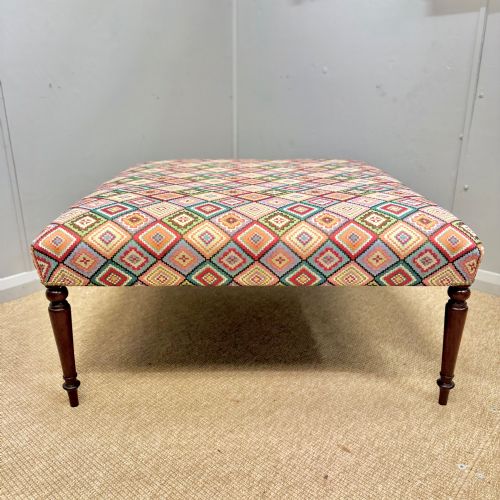
Large upholstered footstools and ottomans from the nineteenth century are frequently repurposed as soft coffee tables. They provide a stable surface when paired with a heavy tray or through firm buttoned upholstery.
This adaptation offers an alternative to hard timber surfaces while introducing antique textiles or hand-dyed leather into a seating arrangement. Their substantial proportions suit generous living spaces.