



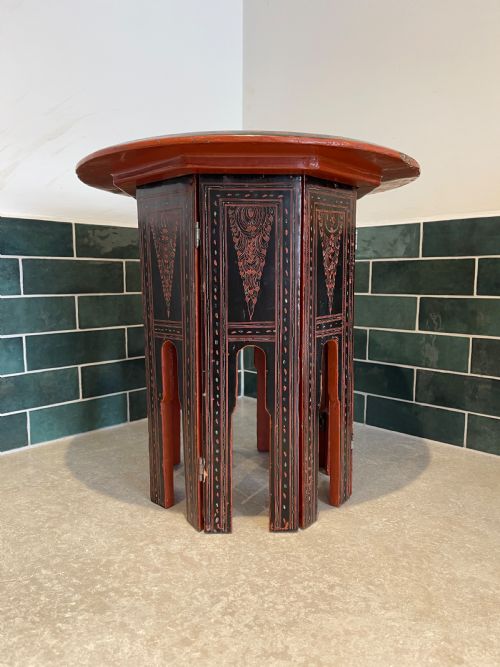


Indian Carved Wooden Stool
These indian carved wooden stool examples bring dense foliage, animal figures and rich timber into a room with genuine presence.
Indian Carved Wooden Stool
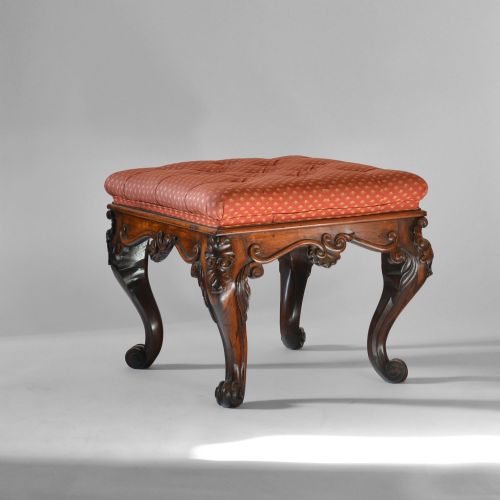
When you search for an indian carved wooden stool, you encounter items shaped by Victorian, 1900, 1920, and nineteenth-century hands. The selection spans low seating, footstools, ottomans, window seats, and occasional tables that double as seating.
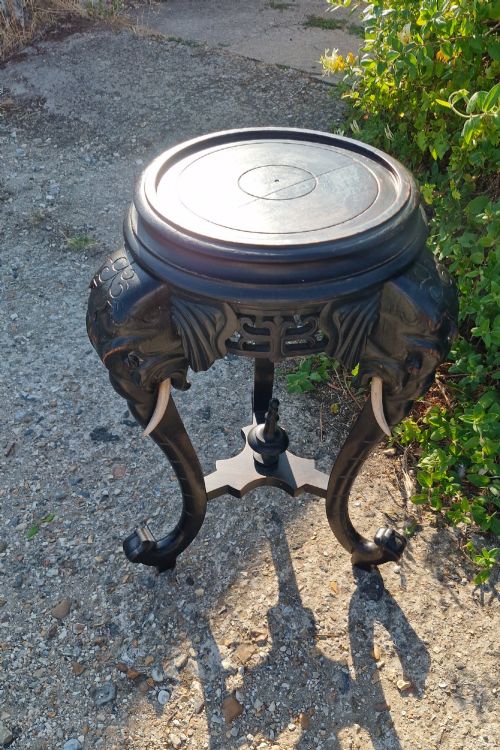
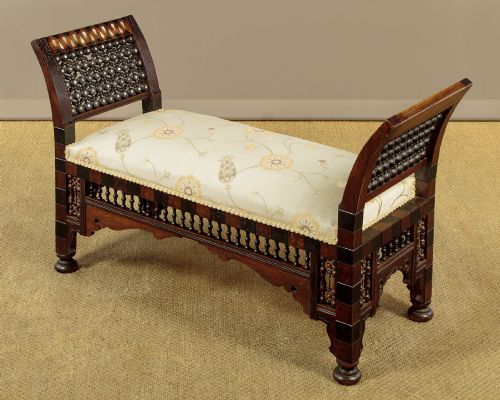
The aesthetic bridges several categories in the evidence, encompassing Anglo-Indian, Syrian and Moorish revival, Asian folk art, and Anglo-Burmese colonial pieces. Regional styles manifest in elephant motifs, intricate plant carvings, and geometric inlays.
Most entries emerge from nineteenth-century workshops, alongside items dated around 1880, 1890, 1900, and 1920. Forms range from compact circular footstools to substantial rectangular ottomans and hall benches.
How they were made
Artisans utilised dense timbers such as teak, rosewood, hardwood, and sandalwood to withstand intricate chiselling. These woods provided a stable canvas for deep relief work without splintering.
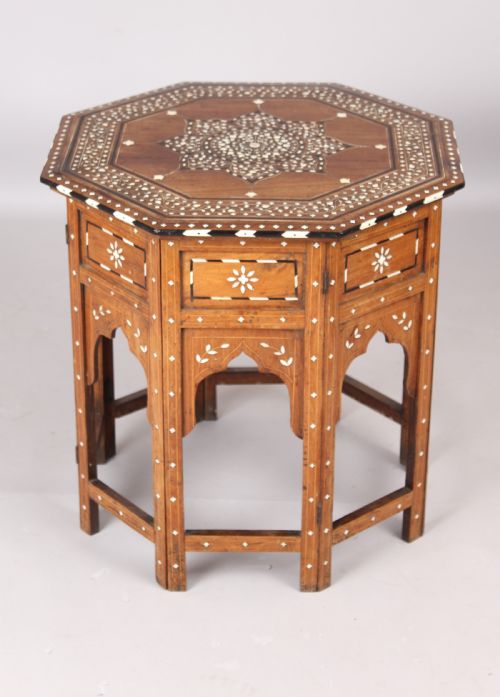
Surface enrichment relied on bone, bone inlay, and painted elements to contrast against the dark timber. Certain items integrate sculptural elements like carved wooden tusks and animal bodies.
Construction techniques combined traditional joinery with profuse surface carving that covered every visible surface. Skilled carvers executed detailed floral, fauna, and architectural patterns by hand.
Several tables and stools incorporate painted wooden tusks alongside sculpted elephant bodies.
What varies in quality
Depth and crispness of the carving distinguish pieces, as shallow chisel marks yield a flat appearance while deep undercutting creates strong shadow and dimension. The intricacy of foliage and animal forms reveals the carver's training.
Material selection dictates durability and finish, with heavy rosewood and teak holding sharper details than softer woods. The integration of bone inlay and painted components demands precise fitting to survive handling.
Proportion and structural integrity separate standard items from superior examples. A well-balanced frame supports the heavy ornamentation without appearing cumbersome.
The Indian Carved Wooden Stool Glossary
- Anglo-Indian
- Describes decorative arts produced during British rule in India, blending British furniture forms with local Indian carving traditions.
- Bone Inlay
- A technique where small pieces of animal bone are set into recesses carved into the wood to create geometric or floral patterns.
- Hoshiarpur
- A city in Punjab known for intricate woodwork involving delicate wooden relief and bone inlay work.
- Hardwood
- Dense timber derived from broad-leaved trees, providing the weight and stability required for deep carving.
- Ottoman
- A low upholstered or cushioned seat without arms or a back, frequently used as a footrest or low table.
Indian Carved Wooden Stool: Frequently Asked Questions
How do I clean a carved wooden stool?
Dust regularly with a dry, soft brush to reach into the recesses of the carving without damaging the timber.
Avoid liquid polishes or damp cloths that can dislodge bone inlay or darken dry sandalwood and rosewood.
Are these stools comfortable to sit on?
Many function primarily as low occasional seats, ottomans, or footstools rather than long-term dining chairs.
Some incorporate flat timber tops while others support cushions or upholstery for softer seating.
How do I identify a Hoshiarpur piece?
Hoshiarpur items feature dense geometric patterns created by combining intricate wood carving with pale bone inlay.
They often utilise lighter woods like sandalwood alongside darker contrasting timbers.
Can these work as coffee tables?
Substantial nineteenth-century examples and rectangular ottomans provide stable surfaces for books and trays.
Their carved edges and low height suit placement in front of low sofas.