
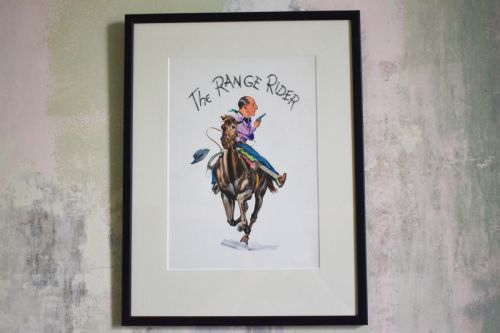
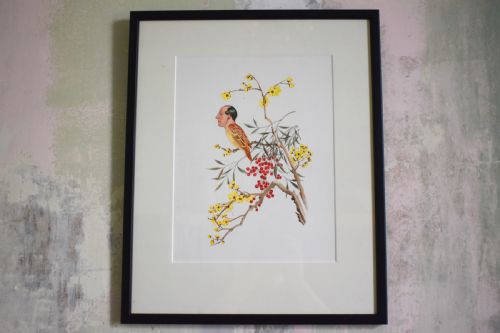
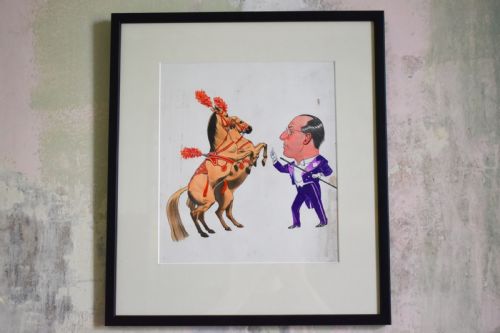
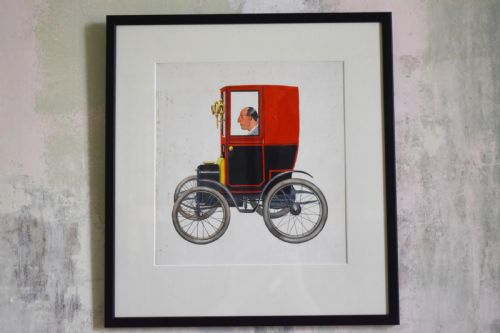


Vintage Caricature Artwork
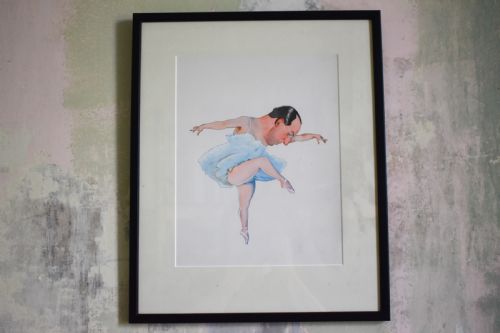
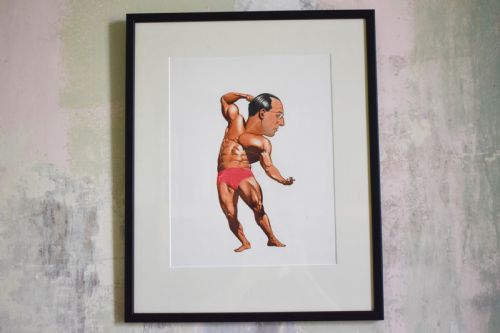
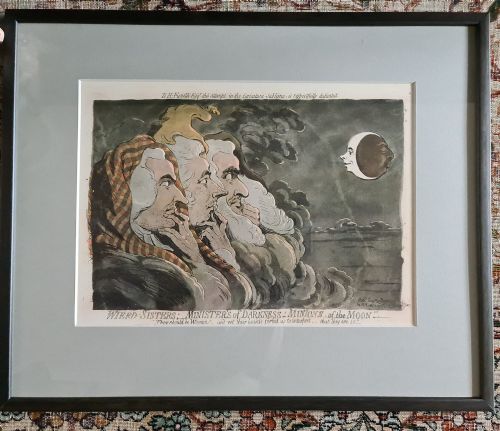
These vintage caricature artwork pieces capture social satire and portraiture through ink, watercolour, and print from the nineteenth and twentieth centuries.
Vintage Caricature Artwork
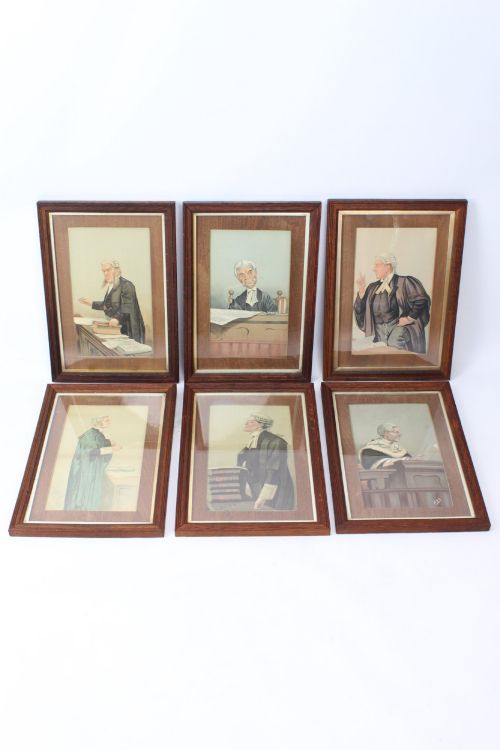
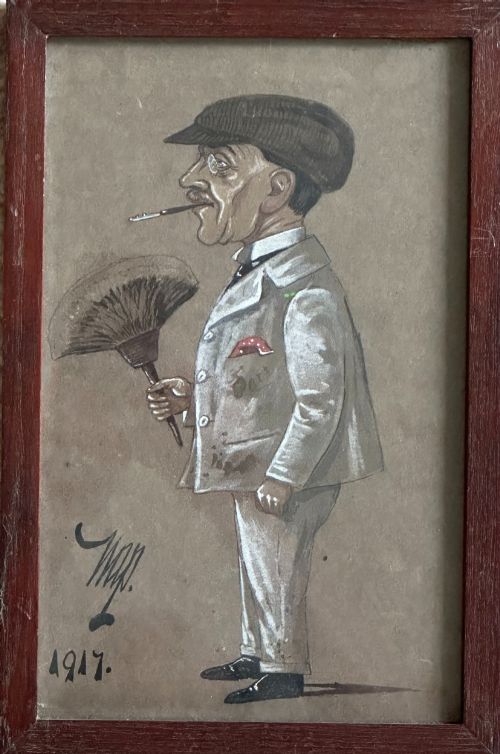
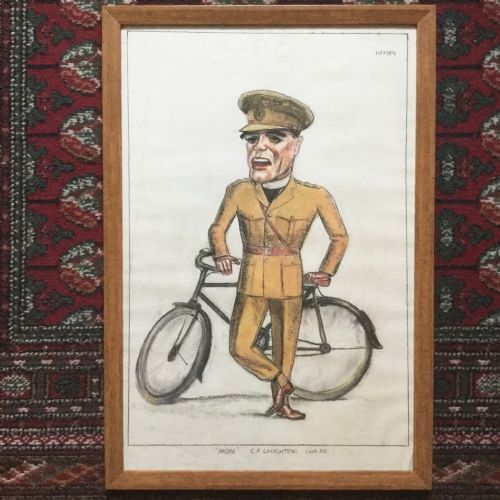
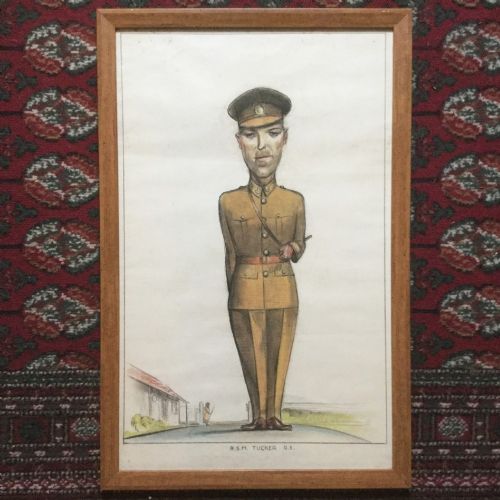
The selection ranges from Victorian and Edwardian framing sets depicting legal, military, and sporting scenes to individual cartoon watercolours and oils. These pieces document historical figures, societal types, and political themes across paper and cardboard formats.
Works originate from various periods including Georgian, Victorian, Edwardian, and mid-century modern eras, often presented behind glass in wooden frames. Collectors seek these specific aesthetic records for their distinct graphic qualities and historical commentary.
Materials and techniques
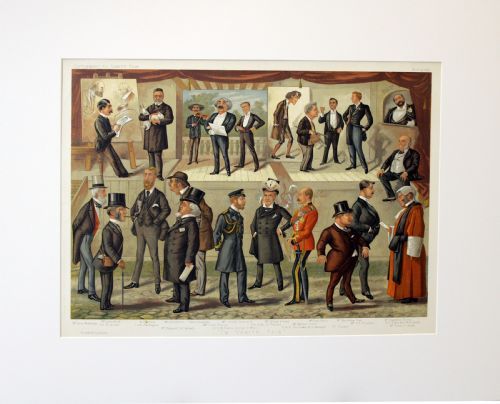
Artists and lithographers utilised paper, cardboard, watercolour, ink, gouache, and pastel to build these satirical portraits and scenes. Chromolithography enabled vibrant multiple-colour prints like those published in Vanity Fair during the nineteenth and early twentieth centuries.
Original works rely on skilled hand application of watercolour, pastel, and ink on paper or card bases. Wooden framing and glass protection preserve these delicate graphic mediums from environmental degradation over the decades.
Ministers of darkness and military officers gaze out from these walls, proving that satire has kept a straight face for centuries.
Evaluating quality and condition
Quality rests upon the artist's hand, the vibrancy of surviving pigment, and the crispness of ink lines in original drawings and prints. Early twentieth century watercolours and signed works by established illustrators exhibit superior draughtsmanship compared to generic reproductions.
The integrity of the paper support, the presence of original framing, and the absence of heavy fading or foxing elevate specific pieces. Complete sets of series prints command attention for their uniformity and preserved archival condition.
Albert Guillaume·Thomas Worth·Snaffles
The Vintage Caricature Artwork Glossary
- Chromolithography
- A planographic colour printing technique used to produce multi-coloured images from stone plates. This process created the rich tones seen in period magazine plates.
- Caricature
- A portrait or depiction that exaggerates physical traits for comic or satirical effect. These works target public figures, social classes, and professions.
- Gouache
- An opaque water-based pigment that provides solid, flat areas of colour in works on paper. Artists combined this medium with pastel and ink for heightened contrast.
- Spy print
- A lithographic portrait published in the periodical Vanity Fair, typically signed with a pseudonym. These figures defined late Victorian and Edwardian satirical portraiture.
- Provenance
- The documented history of ownership or origin for a work of art. This paper trail verifies the authenticity and period of the piece.
Vintage Caricature Artwork: Frequently Asked Questions
What periods do these pieces cover?
The selection spans from the Georgian era through the Victorian and Edwardian periods into the mid-twentieth century.
Individual works date from the eighteenth century up to the wartime years of the 1940s.
How were Vanity Fair prints produced?
Vanity Fair plates utilised chromolithography to replicate original watercolours and drawings in multi-coloured print runs.
These double-page spreads were issued weekly in the magazine and later framed for wall display.
Are these works original or printed?
The inventory includes both original hand-painted watercolours, oils, and pastels alongside period lithographic prints.
Each listing specifies whether the piece is a unique drawing or a published print from the era.
How should I frame and display paper artwork?
Paper and watercolour pieces require protection behind glass to prevent atmospheric damage and fading from direct light.
Acid-free mounting preserves the paper base and prevents discolouration over time.