
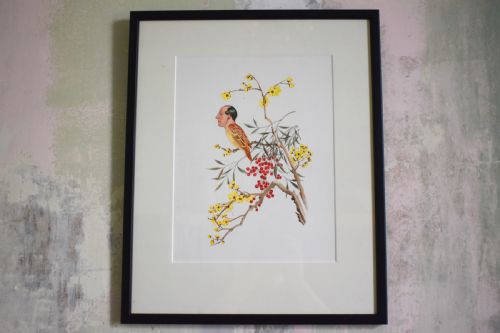
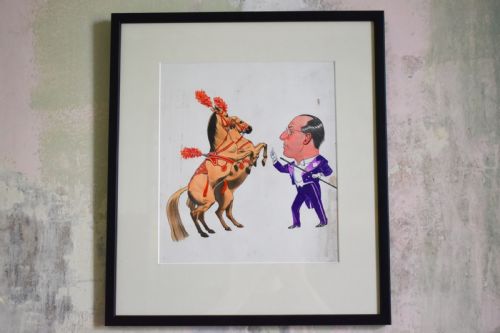


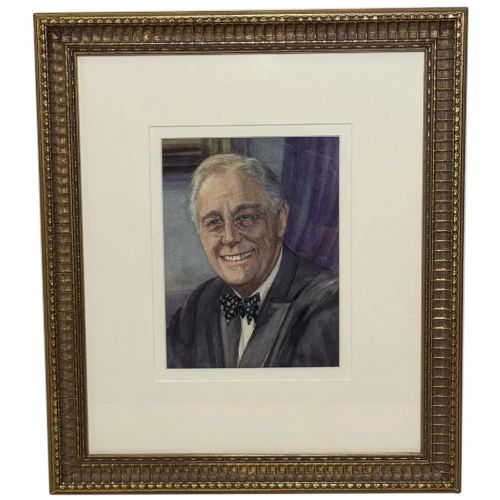
Mounted Watercolour Painting
A mounted watercolour painting brings the direct hand of an artist on paper into a room, framed by card and glass.
Mounted Watercolour Painting
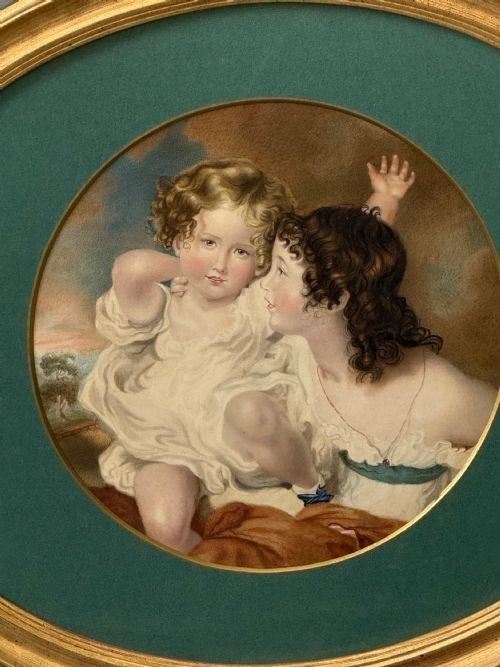
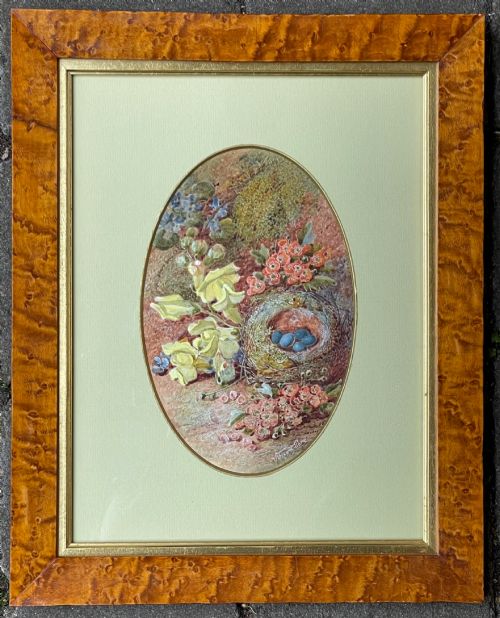
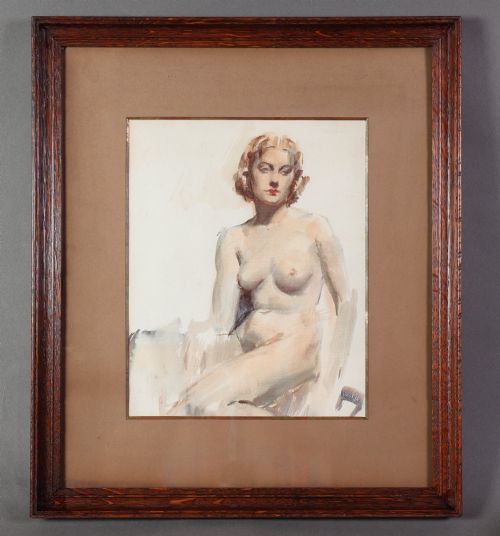
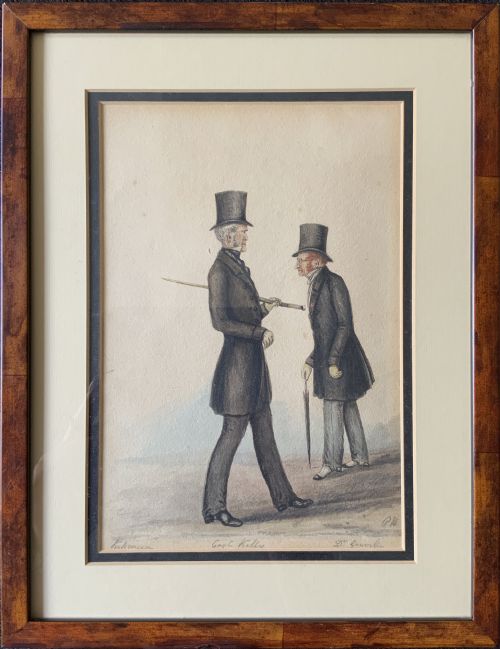
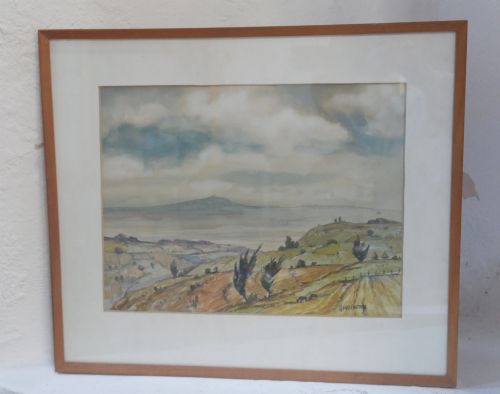
When searching for a mounted watercolour painting, collectors encounter works on paper preserved behind card mounts and protected by glass. These pieces span portrait miniatures, marine sketches, and landscape views executed across the nineteenth and twentieth centuries.
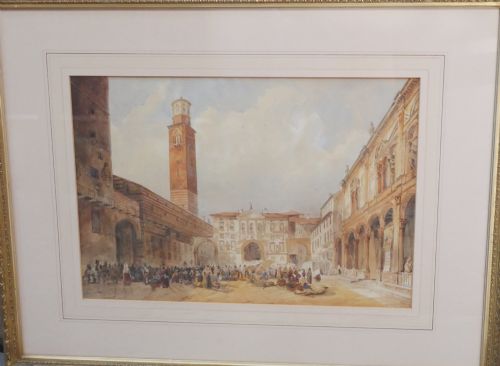
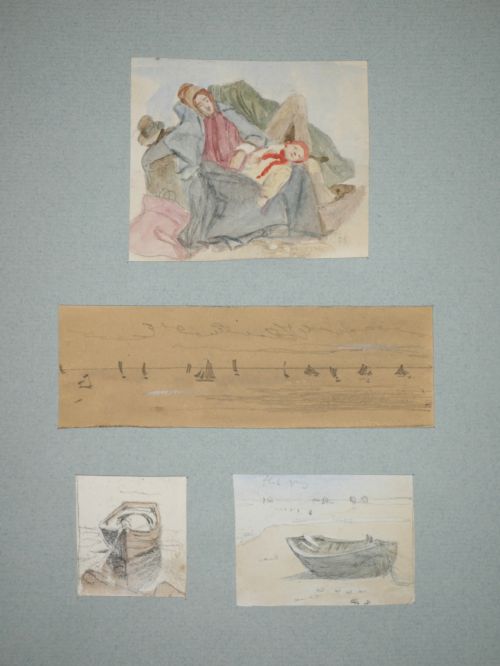
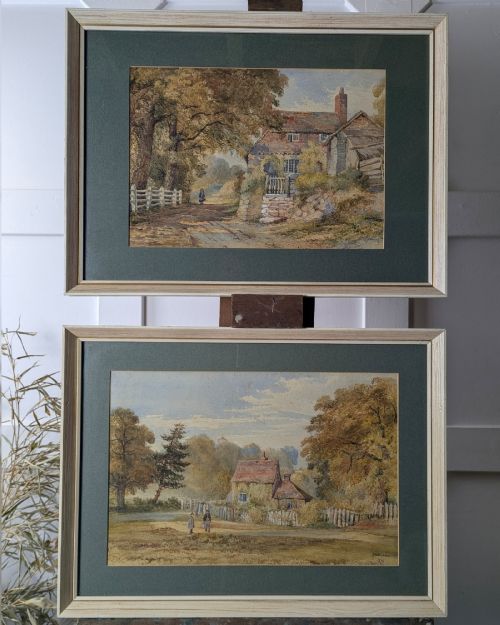
The selection ranges from Victorian naturalism and Grand Tour architectural studies to mid-century British compositions and early twentieth-century illustrations. Common formats include single sheets, paired country watercolours, and grouped portrait sketches set within wood or gilt frames.
How They Were Made
Artists applied watercolour pigment and ink onto paper surfaces, often starting with pencil outlines before building transparent washes of colour. Many works utilise gold leaf or gilt wood within the mount and frame to catch the light.
The preservation of these works relies on card mounts that lift the glass away from the delicate pigment and paper. Wooden frames, sometimes ebonised or maple-veneered, house the assembled layers to protect the artwork from moisture and handling.
Listings feature paper, glass, wood, and gold leaf across Victorian, Edwardian, and twentieth-century periods.
What Varies in Quality
The strength of the draftsmanship and the control of the pigment washes separate a masterly painting from a hurried sketch. Finer pieces demonstrate precise brushwork and careful tonal balance that capture light and atmosphere with economy.
The integrity of the materials also defines the tier of the piece, from yellowed paper suffering from acid burn to sheets maintained in crisp condition. Original frames and period mounts contribute significantly to the cohesion and preservation of the work.
James Smetham·Sir Thomas Lawrence·Robert A. Nottingham·Vincent Clare·James Tower·William Wood·J. Hardy·Stanley Orchart·Charles F. Tunnicliffe·Robert Winchester Fraser·Harry Bright·William Edward Frost·Rowland Henry Hill·Jan van Couver·George Stanfield Walters·James H Hulse·John McDougal·Snaffles·Henrietta Elizabeth Howard·John Taylor Allerston
The Mounted Watercolour Painting Glossary
- Mount
- A piece of card placed around a painting to separate the paper from the glass and draw the eye inward. It provides structural support and aesthetic framing.
- Gilt wood
- Wood coated with a thin layer of gold leaf or metallic gilt paint. This finish adds a reflective border that complements the tones of the painting.
- Portrait miniature
- A small-scale painting capturing a likeness with intense detail. These works often use ivory or paper supports.
- Grand Tour
- A cultural journey undertaken by wealthy young Europeans to continental sites of antiquity. Resulting watercolours record classical ruins and foreign landscapes.
- Ebonised
- Wood treated with a chemical stain or black finish to imitate ebony. This dark border creates a sharp contrast against light watercolour paper.
Mounted Watercolour Painting: Frequently Asked Questions
How should I hang a watercolour painting?
Keep watercolours away from direct sunlight to prevent the pigments from fading over time. Stable indoor humidity also protects both the paper support and the wooden frame.
Position the piece at eye level where artificial lighting remains indirect. Ensure the room has consistent temperature control to avoid warping the mount board.
What does a card mount do?
A card mount acts as a physical barrier between the delicate paper surface and the glass. This prevents condensation from transferring moisture directly onto the pigment.
It also creates visual breathing room around the composition. Traditional bevelled cuts draw the viewer deeper into the painted scene.
How do I identify a Victorian watercolour?
Victorian watercolours often feature naturalistic subjects, detailed brushwork, and specific framing materials such as maple or gilt wood. Signatures and dates from the nineteenth century offer clear chronological markers.
Paper stocks from this era frequently display watermark patterns characteristic of nineteenth-century mills. Subject matter often reflects contemporary interests in topography, marine life, or rural scenes.
Are these paintings always original?
The listings consist of hand-painted original works rather than modern mass-produced prints. Each piece displays unique brush strokes and pigment variations under close examination.
Sketches and finished paintings derive directly from the artist's hand. Archival indicators like artist notes and period framing confirm their authenticity.