


Vintage Tower Painting
These vintage tower painting works capture centuries of architecture and maritime scenes, offering buyers striking historical views for domestic walls.
Vintage Tower Painting
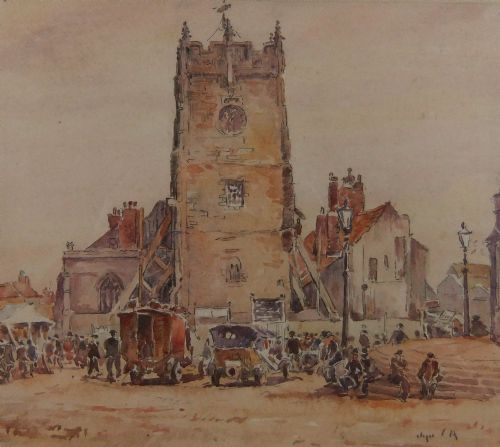
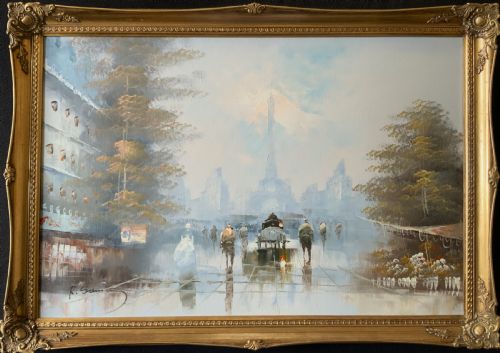
When buyers search for vintage tower painting, they encounter a diverse selection of artworks and architectural elements spanning multiple decades and British or European origins. The pieces range from watercolour paintings of coastal landmarks and wartime still lifes to oil paintings depicting cityscapes and river views near famous bridges.
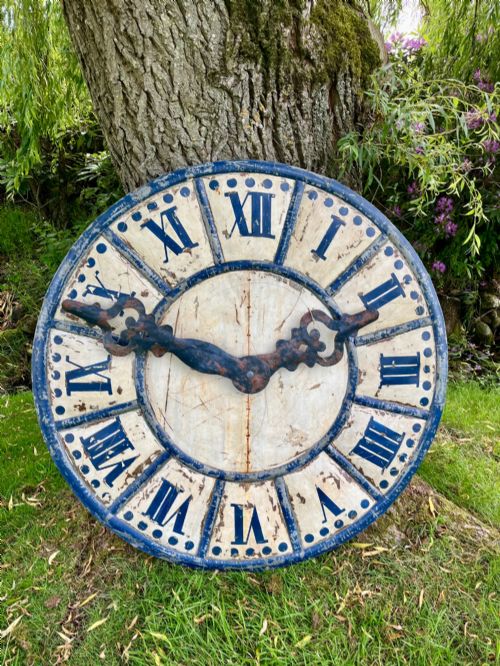
The selection also includes substantial physical artefacts such as French tower clock faces, clock hands, and Swedish turret clock mechanisms. These diverse formats reflect both fine art traditions and architectural salvage, giving collectors multiple ways to bring historic tower imagery into a room.
Materials and techniques
Artists on these pieces applied watercolour and ink on paper, or oil paint across canvas surfaces, frequently mounting the finished works within vintage frames. Clock faces and architectural elements utilise wood, metal components, and glass protections.
Makers employed traditional painterly techniques from impressionism and Victorian styles, alongside structural metalwork for clock faces and hands originating from public buildings.
Some clocks recorded time high above Swedish royal palaces before retiring to domestic walls as oversized decorative art.
What varies in quality
Quality depends upon the skill of the brushwork in capturing light and perspective, distinguishing accomplished artists from routine decorative output. Condition of the underlying paper, canvas, or exposed metal mechanisms also determines the visual stability of the piece.
The integration of original framing and verified attribution to recorded painters elevates the standing of an artwork within this category.
John Smith Atherton·Caroline Burnett·John Bedloe Goddard·James Tower·Edward Fletcher·Frank William Scarbrough
The Vintage Tower Painting Glossary
- Watercolour Painting
- A work executed with water-soluble pigments on paper. This medium allows for transparent washes and delicate atmospheric effects.
- Oil Painting
- Artwork created using pigments bound in a drying oil, typically applied to canvas or wood. This technique provides rich colour saturation and textured surfaces.
- Architectural Salvage
- Building elements or structural fragments rescued from demolition or restoration projects. These items retain historical utility or decorative significance.
- Impressionism
- A nineteenth-century painting style characterised by relatively small, thin yet visible brush strokes and an emphasis on accurate depiction of light.
Vintage Tower Painting: Frequently Asked Questions
What is a vintage tower painting?
A vintage tower painting typically depicts historic architecture such as churches, bridges, or coastal beacons. These artworks use mediums like oil and watercolour.
They capture specific locations across Britain and Europe, dating from the Victorian era through the mid-twentieth century.
How are clock faces displayed?
Clock faces from turrets and towers are preserved as wall-hanging decorative objects. Their large metal or wooden dials retain original numerals and hands.
Collectors mount these architectural pieces directly onto interior walls as sculptural focal points.
Who painted these works?
The selection includes pieces by named British and European artists such as Edward Fletcher and Caroline Burnett. Their works record maritime scenes and urban streetscapes.
Signed watercolours and oils provide traceable provenance to specific late nineteenth and twentieth-century painters.
How do I care for paper art?
Paper artworks require protection from direct sunlight to prevent fading of watercolour pigments and yellowing of the support. Acid-free framing materials maintain structural integrity.
Keeping pieces in stable humidity environments avoids moisture damage to the paper and the surrounding frame.